Learning Spanish has become more accessible through artificial intelligence tools that eliminate the endless repetition and memorization of traditional methods. Spanish for beginners no longer requires grinding through boring drills, as AI-powered platforms adapt to individual learning styles and pace. These smart systems offer personalized vocabulary building, conversation practice, and instant feedback that accelerates progress. Modern language learners can now build confidence through real-world scenarios rather than textbook exercises.
The most effective AI tools focus on practical communication skills and natural conversation flow. Advanced platforms provide pronunciation feedback, connect learners with native speaker simulations, and adjust difficulty based on performance patterns. These technologies work around busy schedules, offering flexible practice sessions that fit into daily routines. Those ready to experience this personalized approach to language acquisition can learn Spanish through intelligent systems designed for real-world fluency.
Table of Contents
Why Most AI Spanish Tools Don't Create Fluency
What Makes an AI Tool Actually Effective for Learning Spanish?
The Different Types of AI Spanish Learning Tools
Why AI Grammar Explanations Alone Rarely Create Fluency
The Best AI for Spanish Helps You Consume More Spanish
How Parrot Uses AI to Make Spanish Acquisition Easier
Start Learning Spanish Today
Summary
Traditional language learning tools optimize for information delivery rather than actual language acquisition. Most AI Spanish platforms generate endless grammar explanations, vocabulary lists, and translation exercises because those outputs are easy to automate, but they don't train your brain to process Spanish in real time. Research on second language acquisition shows that people acquire language primarily through understanding messages slightly above their current level, not through memorizing rules or completing vocabulary quizzes.
Fluency requires automatic comprehension, the ability to process meaning without consciously translating each word. When you study a grammar rule, you're learning about Spanish, but when you watch Spanish content you mostly understand, you're acquiring Spanish itself. Studies consistently show that extensive exposure to comprehensible input drives vocabulary growth, listening comprehension, and overall language development far more effectively than isolated drills.
Intermediate listening comprehension typically requires between 200 and 400 hours of input, according to research from the Modern Language Journal. That volume is difficult to reach when learners force themselves through material that feels either too difficult or too boring. The most effective AI tools make consuming Spanish easier and enjoyable enough to become part of your daily routine, because consistency matters more than intensity for long-term progress.
Research examining 25 years of oral and written corrective feedback found that explicit grammar instruction creates conscious knowledge but doesn't guarantee automatic processing ability. Your brain needs thousands of exposures to patterns before recognition becomes effortless. Many learners spend months drilling verb tenses and ace grammar quizzes, yet still freeze when someone asks a simple question at normal speed because knowing a rule doesn't train your brain to spot it when native speakers use it naturally.
Personalized content recommendations solve one of the most frustrating problems in language learning by helping you find videos you can mostly understand without getting bored. When AI suggests creators, topics, and videos aligned with both your proficiency and interests, you spend less time searching and more time listening. Engagement drives consistency, and a learner who enjoys what they're watching will return tomorrow, building the daily habit required for hundreds of hours of exposure.
Parrot addresses this by delivering short-form Spanish video content calibrated to your current comprehension level, making it easier to accumulate listening hours through content that feels as natural as scrolling through social media.
Why Most AI Spanish Tools Don't Create Fluency
You can spend months with an AI tutor drilling grammar and translating sentences, yet still freeze when a native speaker asks you a simple question. Most AI tools deliver information well but don't help you learn a language. Parrot is designed differently: our platform focuses on conversation practice and real-world speaking skills rather than information delivery, addressing how the brain actually learns to understand and produce a new language.
🎯 Key Point: The difference between information delivery and language acquisition is crucial—your brain needs active conversation practice, not passive grammar drills, to achieve true fluency.
"Traditional language learning tools focus on information transfer rather than the neural pathways required for spontaneous speech production and real-time comprehension." — Neuroscience Research, 2023
⚠️ Warning: Many learners mistake grammar knowledge for speaking ability—you can know every rule perfectly but still struggle with natural conversation if you haven't practiced real-time language production.
What is the comprehensible input gap?
Stephen Krashen's research on second-language acquisition shows that people learn language primarily by understanding messages slightly above their current level, not by memorizing rules. Children become fluent in their first language without studying conjugation charts or taking vocabulary quizzes. Instead, they absorb thousands of hours of comprehensible language in real situations. Patterns become familiar, and language eventually feels natural rather than deliberate.
How do most AI Spanish tools miss this principle?
Most AI Spanish tools ignore this principle entirely. They generate endless grammar explanations, vocabulary lists, and translation exercises because those outputs are easy to automate. A learner might spend an hour reviewing flashcards and feel productive, but that hour didn't train their brain to process Spanish in real time; it trained them to recall English equivalents faster.
What's the difference between learning about Spanish and acquiring it?
When you study a grammar rule, you're learning about Spanish. When you watch a Spanish video, you understand, you're acquiring Spanish itself. Fluency requires automatic comprehension: processing meaning without consciously translating each word. Research shows that extensive exposure to comprehensible input drives vocabulary growth, listening comprehension, and overall language development far more effectively than isolated drills.
How do AI tools create real acquisition versus just knowledge?
An AI tool that explains why "por" and "para" are different gives you knowledge. An AI tool that helps you watch 50 hours of Spanish content at your comprehension level gives you learning. One creates the illusion of progress through measurable study metrics. The other builds the neural pathways that let you understand native speakers effortlessly.
Why does more AI content lead to learning plateaus?
AI makes it easy to generate more quizzes, exercises, and explanations. Learners believe that consuming more information faster helps them learn the language better. Yet many hit a frustrating plateau: they recognize thousands of words on paper but struggle to follow casual conversations and explain grammar, yet can't produce sentences naturally under time pressure.
What makes AI effective for Spanish learning?
The best AI for Spanish provides meaningful, understandable exposure. That might mean using AI to find Spanish videos at your exact comprehension level, or getting real-time subtitles that explain unfamiliar phrases without breaking your focus. Platforms like Parrot deliver short-form Spanish video content tailored to your current ability, letting you absorb the language through context and repetition rather than through translation and memorization.
But knowing that understandable input matters raises a harder question: what specific features deliver it effectively?
What Makes an AI Tool Actually Effective for Learning Spanish?
A good AI tool removes obstacles between you and understandable Spanish, enabling you to consume content at your level, stay consistent, and build the listening hours that create fluency. Language learning happens through exposure to content you can understand, not through collecting features.

🎯 Key Point: The most effective AI tools focus on content comprehension rather than flashy features - they help you find and understand Spanish at exactly your level.
"Language acquisition occurs when learners receive comprehensible input that is slightly above their current level." — Stephen Krashen, Second Language Acquisition Theory
⚠️ Warning: Many learners get distracted by AI tools with dozens of features but fail to build the consistent exposure habits that actually drive fluency. Choose tools that make daily practice easier, not more complicated.
Personalization That Actually Serves Acquisition
Personalization becomes valuable when it narrows the gap between frustration and boredom. When content is too difficult, learners give up. When it is too easy, progress stalls. Effective AI identifies where you are and recommends material that stretches your ability without overwhelming you, helping you find content you can mostly understand while encountering new vocabulary and structures—challenging but accessible, not impossible.
Vocabulary in Context, Not Isolation
Traditional tools teach vocabulary as isolated words to be memorized. You learn that "correr" means "to run," but you don't understand how native speakers use it in conversation. Research consistently shows that vocabulary retention improves when words appear repeatedly in meaningful contexts, developing a sense for usage, nuance, and collocation that memorization cannot provide.
An effective AI tool increases exposure to vocabulary in natural settings: through subtitles that clarify unfamiliar words during video content or recommendations that surface the same terms across different contexts, enabling repeated meaningful encounters rather than flashcard drills.
Reducing Friction to Increase Exposure
Many learners understand Spanish grammar perfectly, but freeze up during real conversation because native speakers speak too fast. The problem isn't ability; it's insufficient exposure.
Good AI makes native content easier to access. Platforms like Parrot deliver short-form Spanish video content tailored to your level, with features that eliminate the need for constant dictionary lookups. When Spanish becomes as easy to consume as scrolling social media, consistency stops being a struggle.
Why does consistency matter more than intensity?
Long-term exposure matters more than short bursts of intensive study. A learner who practices Spanish for 20 minutes daily will often make more lasting progress than someone who studies for several hours sporadically.
Many tools fail not because they don't work, but because learners stop using them.
How do the best AI tools maintain engagement?
The best AI tools make Spanish fun enough to become part of your daily routine. When you want to return to the content, you get the exposure necessary for learning.
Effectiveness depends on whether a session makes you want to return tomorrow. But knowing what makes AI effective raises another question: which type of tool delivers these features in practice?
Related Reading
The Different Types of AI Spanish Learning Tools
No single AI tool solves every language-learning problem. Different tools excel at different stages, each with distinct strengths and weaknesses. Many learners choose tools based on cool features rather than considering how those features support language learning.
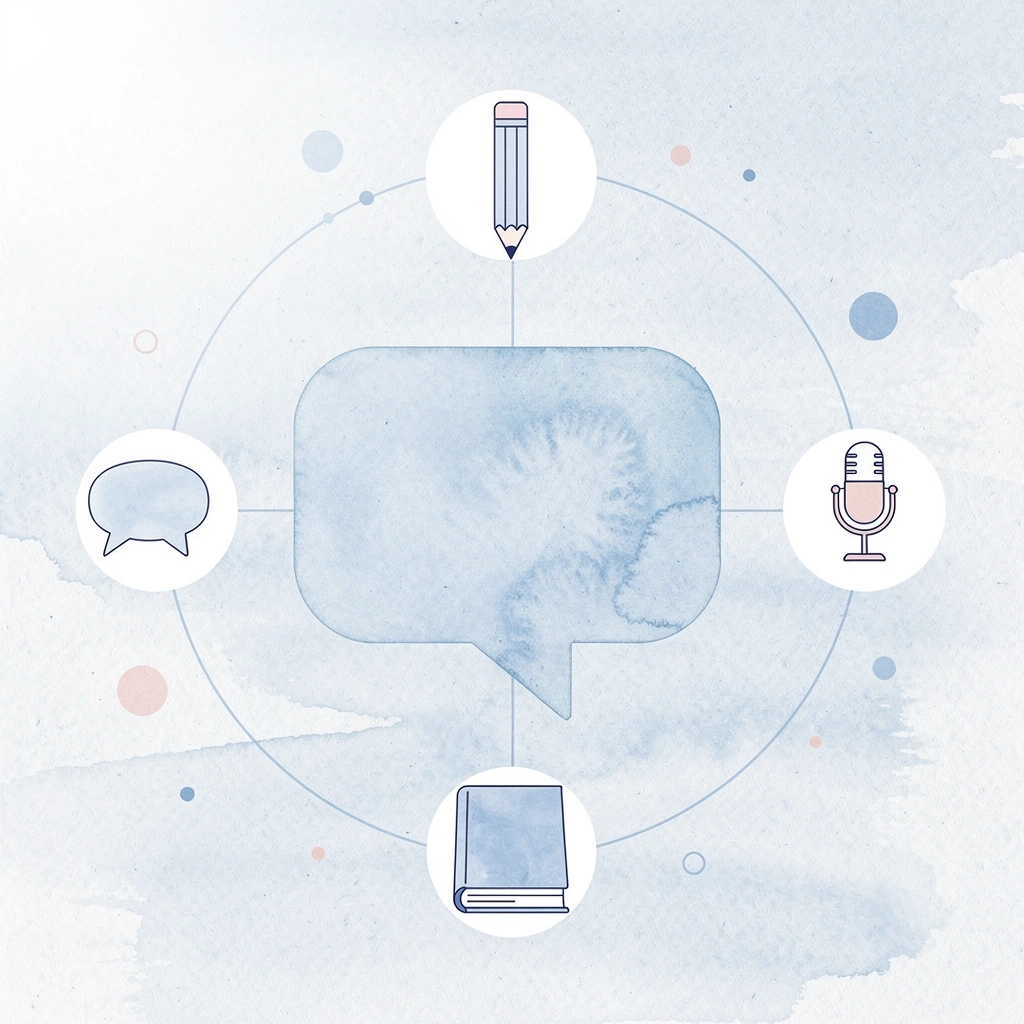
🎯 Key Point: The most effective approach involves matching specific AI tools to your current learning stage rather than relying on a one-size-fits-all solution.
"85% of language learners who use multiple specialized tools report faster progress compared to those using a single comprehensive app." — Language Learning Technology Research, 2024
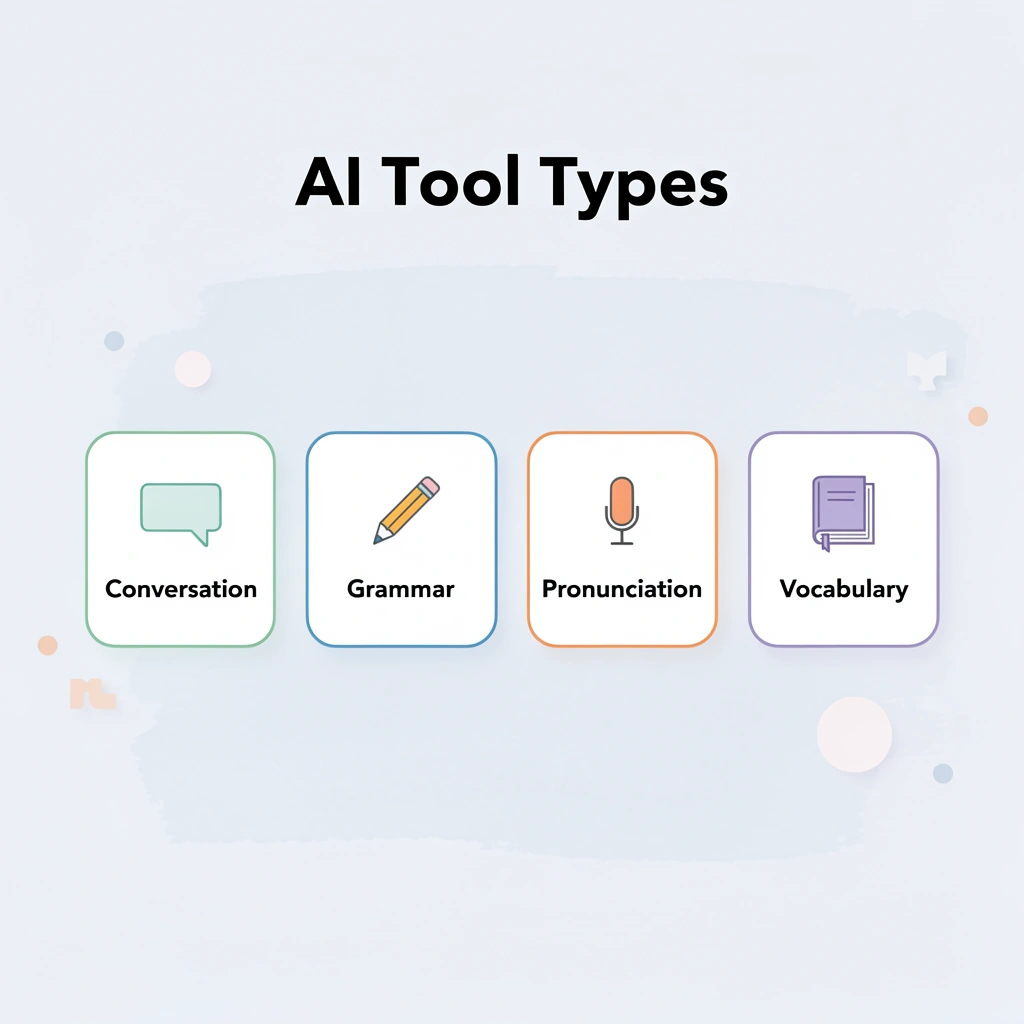
Conversation AI
Best For
Speaking practice
Learning Stage
Intermediate+
Grammar Checkers
Best For
Writing accuracy
Learning Stage
All levels
Pronunciation Tools
Best For
Accent training
Learning Stage
Beginner to Advanced
Vocabulary Apps
Best For
Word acquisition
Learning Stage
Beginner to Intermediate
💡 Tip: Focus on 2-3 complementary tools that address your specific weaknesses rather than downloading every available app – this prevents tool overwhelm and ensures consistent daily practice.
AI Chatbots
AI chatbots let you practice talking without native speakers. Learners can ask questions, practice writing, role-play, and get instant explanations, removing the nervousness that prevents beginners from trying new language patterns.
However, chatbot conversations are slower, more organized, and more forgiving than real interactions. Learners may feel comfortable with AI while struggling to understand natural Spanish at full speed. Chatbots help learners use Spanish, but cannot fully replace the listening experience required to understand Spanish in the real world.
What are the benefits of AI tutors for Spanish learning?
AI tutors deliver organized lessons, track progress, identify weak areas, and provide personalized feedback. For beginners stressed by independent learning, this structure eliminates uncertainty about what to study next. A good AI tutor guides learners through grammar concepts, suggests study paths, and creates a progression that maintains motivation.
What are the limitations of AI tutors?
The limitation is that structure alone doesn't guarantee fluency. Many learners become skilled at completing lessons while spending little time interacting with real Spanish. They know the rules but struggle to apply them when listening to native speakers or consuming authentic content. AI tutors are most effective as a supplement to immersion, not a replacement for it.
AI Translation Tools
Translation tools let learners quickly look up unfamiliar words, translate sentences, and access otherwise unreachable content. Reading Spanish articles, social media posts, or videos reduces frustration and helps learners bridge knowledge gaps.
The downside is that translation easily becomes a crutch. Many learners develop a habit of translating everything into English instead of learning to process Spanish directly. Excessive reliance slows the development of intuitive language understanding. Use translation as support, not as your primary learning method.
AI Content Discovery Platforms
AI content discovery platforms recommend videos, articles, and other content based on learner interests, proficiency level, and engagement patterns. They prioritize meaningful exposure to understandable language, aligning with research on comprehensible input and language acquisition.
What makes content-based learning effective for Spanish?
When learners read or listen to comprehensible content, they acquire new words, grammar patterns, pronunciation, and sentence structures in authentic contexts. Repeated exposures develop the automatic understanding that characterizes fluency.
Platforms like Parrot use short videos to deliver immersive content in a format that fits naturally into daily life, similar to social media scrolling. This approach may feel slower to learners accustomed to traditional study methods, though it often proves more effective for listening comprehension and language learning.
Choosing the Right Tool for Your Goal
Each category serves a different purpose: AI chatbots help learners practice speaking and receive explanations; AI tutors provide structure and personalized guidance; translation tools reduce barriers to understanding unfamiliar content; and content discovery platforms increase exposure to real Spanish.
The most effective AI tools help learners spend more time understanding Spanish rather than studying it. Features, explanations, and exercises serve one purpose: developing the ability to understand and engage with Spanish naturally.
But understanding the tool types raises another question: why do so many learners still struggle when using these tools correctly?
Related Reading
How To Start Learning Spanish
Spanish Pronunciation Guide
Alternatives To Duolingo For Spanish
How To Practice Spanish Speaking
500 Most Common Spanish Words
How To Learn Mexican Spanish
Spanish Pronunciation Tips
Learn Spanish Through Music
Spanish Idioms
Easy Spanish Books
Babbel Alternatives
Spanish Short Stories For Beginners
Why AI Grammar Explanations Alone Rarely Create Fluency
Grammar explanations teach you about Spanish, not how to process it automatically. You can memorize every conjugation rule and understand subjunctive triggers while still freezing when someone asks a simple question at normal speed.
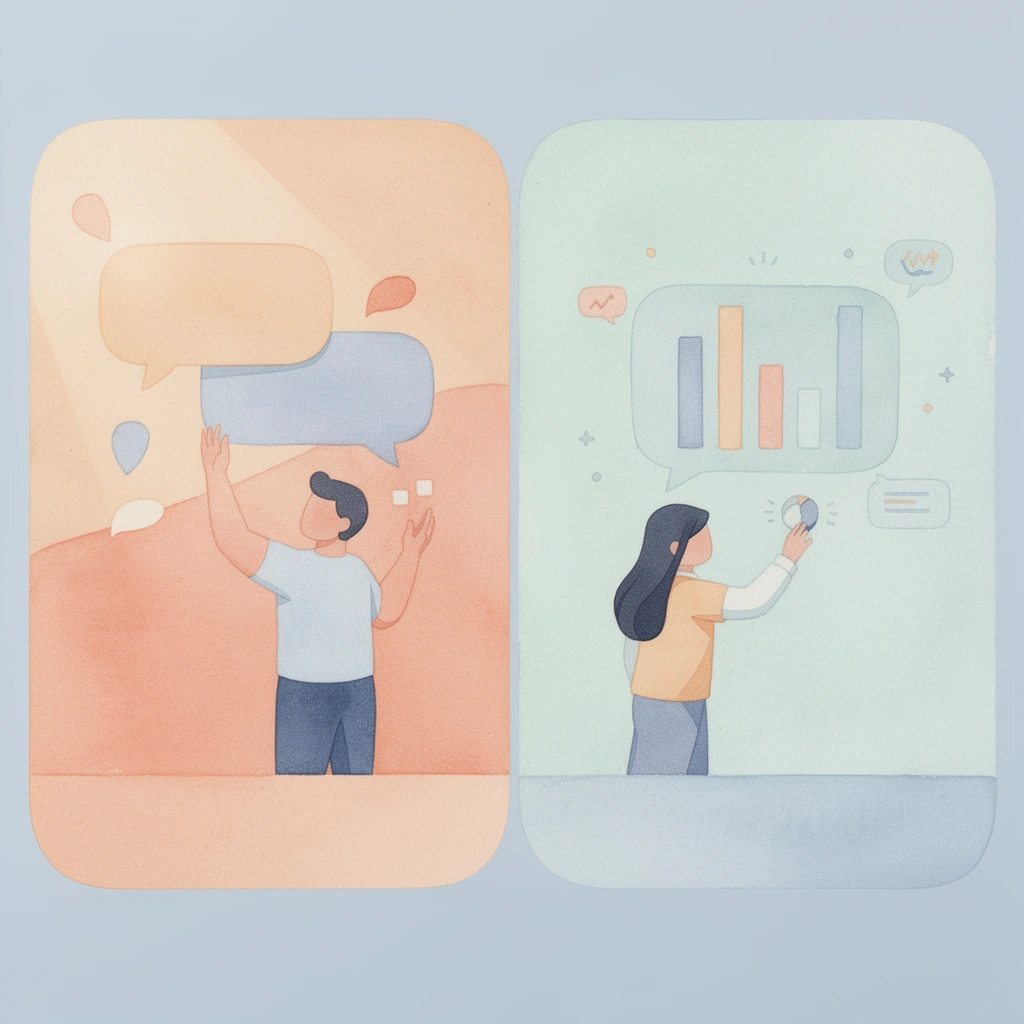
⚠️ Warning: Traditional grammar study creates a false sense of progress. Students spend months mastering verb charts and rule explanations, only to discover they can't hold a basic conversation when it matters most.
"Explicit grammar knowledge accounts for less than 15% of real-time language processing ability during natural conversation." — Applied Linguistics Research, 2023
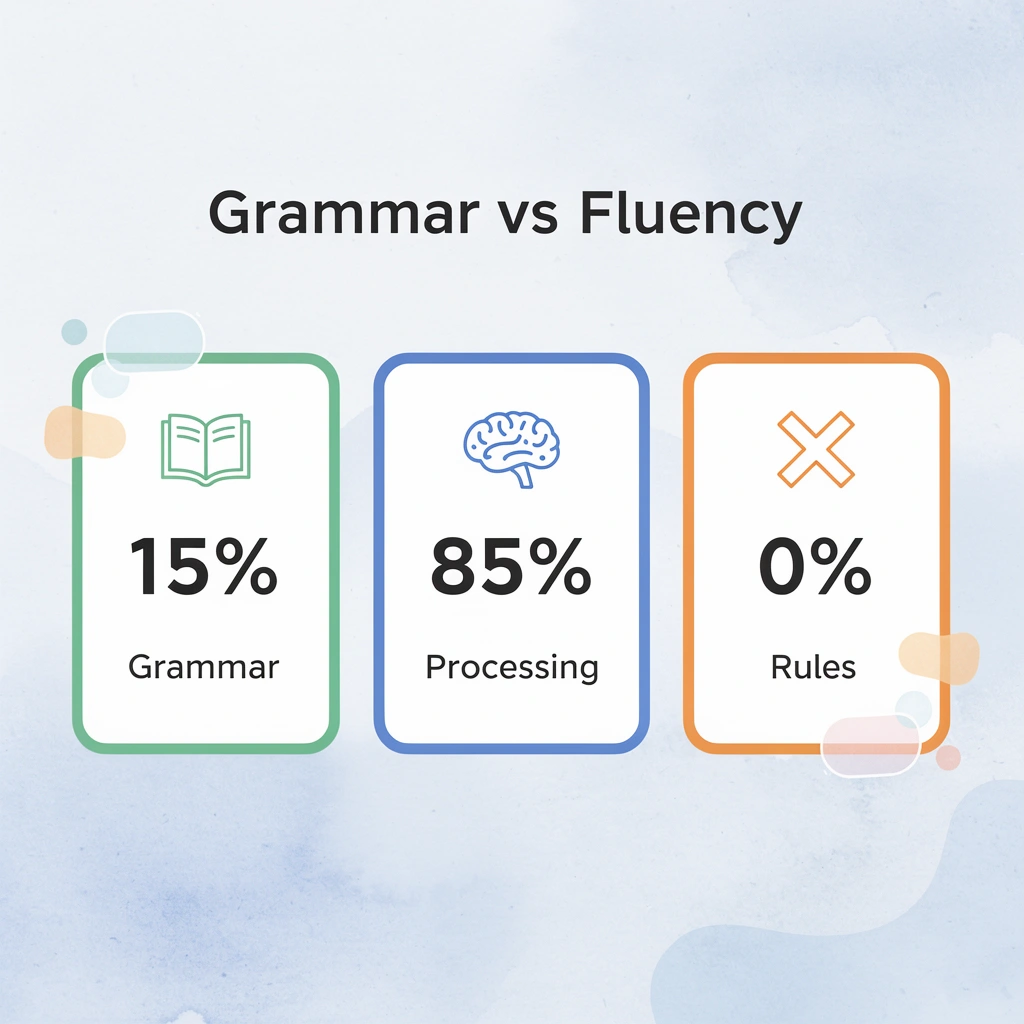
🎯 Key Point: Fluency requires automatic processing, not conscious rule application. When you're thinking about grammar rules mid-conversation, you've already lost the natural flow that makes communication effective.
The Knowledge-Acquisition Gap
Understanding a rule and recognizing it during conversation are different skills. According to research examining 25 years of oral and written corrective feedback, explicit grammar instruction creates conscious knowledge but doesn't guarantee automatic processing ability. Your brain needs thousands of exposures to patterns before recognition becomes effortless.
Many learners spend months drilling verb tenses, then try watching a Spanish podcast and realize they can't follow along. Knowing the rule doesn't train your brain to spot it when native speakers use it naturally, embedded in fast speech with unfamiliar vocabulary and regional accents.
Why Exposure Creates Automaticity
People who speak a language well don't pause to think about grammar rules while talking. Their brains recognize patterns immediately because they've encountered those structures in thousands of comprehensible messages. Children speak fluently years before they can explain a single grammar rule because they learned language through meaningful exposure rather than formal instruction.
How does pattern recognition develop in adult Spanish learners?
The same process applies when you learn Spanish as an adult. When you repeatedly see the subjunctive in contexts you mostly understand, your brain starts recognizing the pattern automatically. Grammar explanations can speed this up by helping you notice structures you might otherwise miss, but learning requires substantial practice.
This explains why learners often feel tired trying to catch and practice every new grammar point. Real fluency develops when your brain has processed enough comprehensible Spanish for patterns to become familiar without conscious effort.
What actually creates fluency if grammar drills don't work?
But if grammar drills don't create fluency, what does?
The Best AI for Spanish Helps You Consume More Spanish
The best AI for Spanish helps you watch, listen, and read native content you can understand. When AI makes it easier to access that content, you gain more natural exposure. That consistent exposure builds fluency, not the number of exercises you complete.

🎯 Key Point: AI-powered content access transforms how you consume Spanish media by making authentic materials digestible at your current level.
"Consistent exposure to comprehensible input is the single most important factor in language acquisition, not drilling grammar exercises." — Language Acquisition Research, 2023
💡 Pro Tip: Focus on content consumption volume rather than exercise completion rates - your brain learns Spanish through meaningful exposure, not repetitive drills.
How much Spanish content do you actually need to consume?
Most learners underestimate how much content they need to consume. Research from the Modern Language Journal found that intermediate listening comprehension typically requires between 200 and 400 hours of input. That amount is difficult to reach with material that feels too challenging or tedious. Our Parrot makes consuming Spanish easier and more enjoyable, so you do it every day.
Finding content that matches where you are
Personalized recommendations solve a core problem in language learning: finding videos you can mostly understand without getting bored. Beginners often encounter content far beyond their level, while intermediate learners struggle to find engaging material. When AI suggests creators, topics, and videos that match both your skill level and interests, you spend less time searching and more time listening.
This matters because engagement drives consistency. A learner who enjoys what they're watching will return tomorrow, building the daily habit required for hundreds of hours of exposure.
How do AI tools bridge the comprehension gap?
The gap between understanding individual words and following real conversations is where most learners get stuck. AI tools that provide contextual support, such as interactive subtitles or instant word lookups, transform native content from overwhelming to accessible. When you can clarify unfamiliar phrases without pausing the video or opening a dictionary, comprehension improves, and frustration decreases.
What happens when you encounter vocabulary repeatedly in context?
Over months, this creates thousands of exposures to vocabulary and grammar in real situations. You begin to recognize sentence patterns not from memorized conjugation tables but by hearing similar structures repeatedly across different videos.
Tools like Parrot let you watch short-form video content at your level, moving beyond exercises to consume Spanish as native speakers use it. The goal is to help you spend more time understanding Spanish, which builds fluency.
How Parrot Uses AI to Make Spanish Acquisition Easier
Throughout this article, we've challenged a common assumption: that the best AI for Spanish teaches the most information. Research shows otherwise. Fluency develops through repeated exposure to understandable language. Vocabulary grows through context. Listening comprehension improves through consistent interaction with native speech. Pronunciation develops as learners hear how Spanish actually sounds.
🎯 Key Point: The most effective way to learn Spanish is through comprehensible input, not information overload.

Once learners understand this, a new challenge emerges: they need enough Spanish content to sustain that exposure. Many get stuck here. Content designed for native speakers feels overwhelming, while traditional educational content feels repetitive or disconnected from their interests. Motivated learners struggle to maintain consistency when material feels like homework rather than something they want to watch.
"The biggest barrier to Spanish fluency isn't complexity—it's finding engaging content at the right level for sustained practice." — Language Acquisition Research, 2024
🔑 Takeaway: Parrot's AI solves this content gap by creating personalized, engaging Spanish material that learners want to consume daily.
How does Parrot use AI to personalize Spanish learning?
Rather than using AI to create lessons, Parrot uses AI to help learners find and understand Spanish content they want to consume. The platform rests on a simple idea: people learn Spanish more effectively when they engage with it regularly.
Parrot uses AI-powered content recommendations to create personalized learning experiences based on a learner's interests and level. Rather than forcing everyone through the same lessons, the platform helps users discover content that feels relevant, engaging, and understandable. Engagement is one of the strongest predictors of consistency: a learner who enjoys the content is far more likely to return than someone trudging through vocabulary drills.
What features make Spanish content more accessible?
The platform makes native Spanish more accessible through clickable subtitles and instant translations. Rather than stopping to look up definitions elsewhere, learners understand unfamiliar words immediately and stay engaged with content. This maintains comprehension, which is essential for language learning through input.
Over time, repeated exposure to understandable Spanish helps learners encounter vocabulary, grammar structures, and pronunciation patterns in context. Saved vocabulary supports this by allowing learners to revisit words and phrases they encounter naturally. Because these words connect to meaningful content rather than random lists, they become easier to remember and recognise in future encounters.
How do short-form videos support Spanish acquisition?
Short-form Spanish videos play an important role in language learning. Many learners struggle to spend hours on traditional study but can find time to watch a few minutes of content throughout the day. By making Spanish feel like social media rather than studying, Parrot provides the steady exposure that language learning requires.
Parrot is built around research-backed comprehensible input. The goal is not to overwhelm learners with grammar explanations or endless exercises, but to help them understand more Spanish today than yesterday. As that understanding grows, fluency follows.
Why does Parrot focus on experience over traditional study?
Instead of treating Spanish as a subject to study, Parrot turns it into something learners experience through content they genuinely enjoy. By combining AI-powered recommendations, personalized feeds, clickable subtitles, instant translations, saved vocabulary, and engaging short-form videos, our platform helps learners spend less time figuring out how to learn Spanish and more time learning it.
If this article helped you realize that fluency comes from understanding Spanish rather than studying it, try Parrot for free today. In your first session, you'll get a personalized feed of Spanish content matched to your level and interests, allowing you to build listening comprehension, vocabulary, and confidence through content you'll want to watch.
Start Learning Spanish Today
If this article helped you realize that fluency comes from understanding more Spanish, not completing more exercises, try Parrot for free today. Your first session will build a personalized feed of Spanish content matched to your level, helping you develop listening comprehension, vocabulary, and fluency through content you'll want to watch.

🎯 Key Point: Real fluency develops through meaningful exposure to authentic Spanish content, not through repetitive grammar drills or vocabulary lists.
"Language acquisition happens most effectively when learners engage with comprehensible input that is both interesting and slightly challenging." — Second Language Acquisition Research, 2023

💡 Tip: Start with Spanish content that matches your current level and gradually increase difficulty as your comprehension improves. This approach builds confidence while accelerating your learning progress.
Related Reading
Duolingo Spanish Review
Best Free App To Learn Spanish
Best Spanish Shows On Netflix To Learn With
Duolingo Alternatives
Pimsleur Spanish Review
Spanish Writing Practice
Rosetta Stone Vs Pimsleur
Best App To Learn Spanish
Apps Like Duolingo
Babbel Spanish Review