Many learners struggle to find Spanish books that actually build fluency without overwhelming them with complex grammar or boring textbook exercises. Most traditional materials either throw beginners into dense literature or rely on dry lessons that kill motivation before real progress begins. The key lies in choosing the right combination of graded readers, bilingual texts, and engaging short stories that match your current skill level.
Success comes from pairing quality reading materials with tools that reinforce new vocabulary and grammar patterns through active practice. When learners encounter a new verb tense in a story and immediately practice using it in real contexts, they develop the deep understanding needed for actual conversation and writing. This approach transforms passive reading into active skill-building, especially when combined with interactive platforms designed to learn Spanish more effectively.
Table of Contents
Why Easy Spanish Books Are So Popular Among Beginners
The Belief That Reading Easy Spanish Books Creates Fluency
15 Easy Spanish Books for Beginners and Intermediate Learners
What Easy Spanish Books Actually Do Well
How to Get More From Easy Spanish Books
How Parrot Helps You Learn Spanish Beyond Books
Start Learning Spanish Today
Summary
Easy Spanish books excel at building vocabulary naturally through repeated exposure in meaningful contexts rather than isolated word lists. When learners encounter words like "tener," "hacer," and common phrases across different chapters and stories, their brains begin to recognize patterns automatically, without conscious grammar analysis. Research by Dr. Stephen Krashen demonstrates that learners acquire language most effectively when they understand roughly 95% of what they encounter, making the right book choice critical for sustainable progress.
Reading comprehension and conversational fluency activate different processing systems, which explains why learners who read comfortably often freeze during spoken conversations. Written Spanish allows time to decode each word, while spoken language demands instant comprehension at natural speed with connected speech, reduced sounds, and regional variations that rarely appear on the page. This processing gap means reading alone cannot prepare learners for real-world conversations, no matter how many books they complete.
Context transforms vocabulary from memorized definitions into functional understanding. The difference between studying "tener equals to have" and reading "Tengo una pregunta, No tengo tiempo, Tengo hambre" demonstrates how multiple contexts create deeper neural pathways than single-exposure memorization. Learners who encounter the same structures across different meaningful situations develop intuitive understanding that transfers beyond the page into active use.
Graded readers and simplified texts consistently dominate the Spanish learning bestseller rankings because they use controlled vocabulary (typically 500 to 1,000 words for beginners and 2,000 to 3,000 for intermediate learners) and repetitive structures that create comprehensible input. According to Amazon's rankings in Teen & Young Adult Spanish Language Study, learners naturally gravitate toward materials designed for their level rather than authentic literature, suggesting most understand the importance of comprehensibility over challenge.
The most effective language acquisition combines reading with listening input that exposes learners to Spanish at natural speaking speeds. When learners encounter "tengo que salir" in a book, hear it in conversation, and then see it again in another chapter, multiple neural pathways form for that same pattern, creating deeper retention than either method alone. This multi-dimensional approach mirrors how children acquire their first language through varied, repeated exposure across different contexts.
Parrot's Learn Spanish platform addresses the reading-listening gap by delivering short-form video content at learners' comprehension levels, turning existing social media scroll time into language acquisition without requiring separate study blocks.
Why Easy Spanish Books Are So Popular Among Beginners
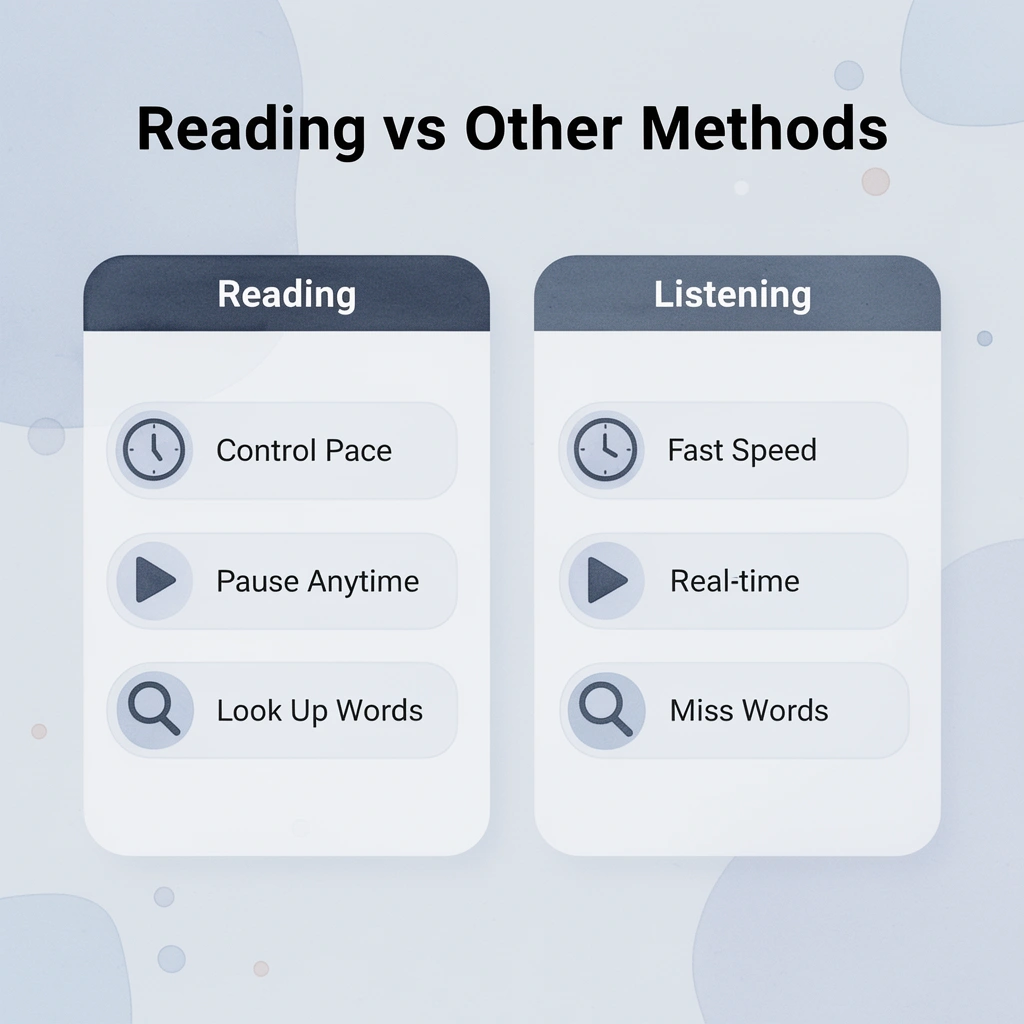
Reading feels safe. You control the pace, pause whenever you want, and look up words without pressure. A book sits patiently on your screen while conversations move too fast and podcasts leave you confused. This control explains why beginners pick easy Spanish books before trying speaking, listening, or native content.
🎯 Key Point: Easy Spanish books provide the perfect learning environment where beginners control every aspect of their reading experience - from pace to comprehension.
💡 Tip: Start with graded readers or simplified texts that match your current Spanish level - this builds confidence while developing core vocabulary and grammar patterns.
How do easy Spanish books create visible progress for learners?
Books made for learners use simple words, shorter sentences, and familiar grammar patterns that help you succeed on every page. Finishing a chapter feels like proof that you're improving. According to Middlebury Language Schools, Spanish is spoken by over 500 million people worldwide, and graded readers give beginners a clear path forward when fluency still feels distant.
The comfort of predictable structure
Easy Spanish books remove the variables that make real-world Spanish intimidating. Sentences follow patterns you've studied. Vocabulary repeats across chapters, reinforcing words until they stick. Dialogue moves at your pace, not a native speaker's. You won't miss words spoken too quickly or feel embarrassed rereading a paragraph multiple times.
That predictability builds confidence in early months when small wins matter. You recognize verb conjugations without checking charts. You stop translating word-by-word and understand phrases as complete thoughts. Each page turned proves your progress.
Why don't reading skills transfer to listening?
The problem emerges later, often suddenly. You finish a beginner book and understand nearly everything, then open TikTok and watch a 30-second Spanish video—catching only half of what was said. Words you recognize on the page disappear at natural speed. Native speakers blend sounds, drop syllables, and use expressions that never appeared in your leveled reading materials.
How can apps bridge the listening gap?
Platforms like Parrot's Learn Spanish app fill this gap by combining comprehensible input principles with listening practice that books cannot provide. Short-form videos expose learners to natural speech patterns, regional accents, and conversational rhythms while maintaining comprehensibility. This develops listening skills that reading alone cannot build.
Why doesn't reading translate to listening skills?
Reading strengthens vocabulary recognition and understanding of grammar, but it doesn't train your brain to process spoken Spanish. Written text allows time to decipher words; spoken language demands instant comprehension.
A learner might read a story about ordering food in a restaurant, then struggle when a real waiter asks a simple question because the sounds don't match the written words they've learned.
What can reading books actually accomplish?
Easy Spanish books build reading comprehension, grow your vocabulary, and boost confidence through achievable progress.
The problem arises when learners assume reading alone prepares them for conversations, podcasts, or videos where Spanish moves at full speed. The gap between understanding written Spanish and understanding spoken Spanish extends beyond practice hours.
Related Reading
Alternatives To Duolingo For Spanish
How To Learn Mexican Spanish
The Belief That Reading Easy Spanish Books Creates Fluency
The Reading Fluency Myth
A common belief among Spanish learners is: "If I read enough easy Spanish books, I'll become fluent." Reading often shows faster progress than other language-learning activities: learners finish chapters, recognize more vocabulary, and understand increasingly complex stories.
Unlike speaking, there's no pressure to respond immediately. Unlike listening, learners control the pace. Reading feels productive, and books rank among the most frequently recommended resources for language learners. Browse any language-learning forum or beginner Spanish guide, and you'll find extensive reading lists filled with graded readers, short stories, and beginner-friendly novels.
Why doesn't reading alone develop fluency?
Reading and speaking are not the same skill. While reading helps learners acquire new words and become familiar with Spanish sentence structures, understanding written and spoken Spanish requires overlapping but distinct abilities.
Studies on how people learn a second language show that listening comprehension and reading comprehension rely on the same language fundamentals—vocabulary and grammar—but engage different cognitive skills.
What happens when readers encounter real Spanish conversations?
This difference becomes clear when learners encounter real Spanish. A learner may feel comfortable reading an easy Spanish book because they can pause, reread sentences, and infer meaning from context. In conversation, those advantages disappear: native speakers keep talking whether the learner understands or not.
What Reading Can't Teach You
Real-world Spanish introduces challenges that books cannot replicate: natural speaking speed, regional accents, reduced pronunciation, informal expressions, and connected speech. Many learners understand a beginner story easily but struggle to follow a simple video or conversation because reading trains learners to process written language, while listening requires instant word recognition as speech unfolds.
Reading isn't ineffective: easy Spanish books provide excellent comprehensible input, expose learners to common vocabulary, reinforce grammar patterns, and build confidence. The issue is expecting reading alone to develop all the skills required for fluency.
How does combining different input types accelerate Spanish learning?
The learners who make the fastest progress combine reading with other forms of understandable Spanish input: stories, conversations, videos, and multiple formats. Apps like Parrot provide short-form video content designed around comprehensible input principles, allowing learners to absorb Spanish through real conversations at natural speed.
This changes passive scroll time into active language learning, bridging the gap between understanding written Spanish and processing spoken Spanish in real time.
Why are easy Spanish books most effective with other input forms?
Easy Spanish books work best when combined with other learning methods. Reading builds the foundation, while listening and real-world exposure bring that foundation to life. Together, they create a stronger path toward fluency than either one alone.
But knowing you need multiple input types is one thing; knowing which books deliver comprehensible input at your level is another.
15 Easy Spanish Books for Beginners and Intermediate Learners
The right Spanish book helps you learn faster by providing vocabulary and sentence structures matched to your current level while keeping you interested. The best choices aren't always the most famous ones—they're the ones that offer enough support to sustain reading without overwhelming your comprehension skills.

🎯 Key Point: Choosing books at your exact level is crucial for maintaining motivation and building confidence in Spanish reading.
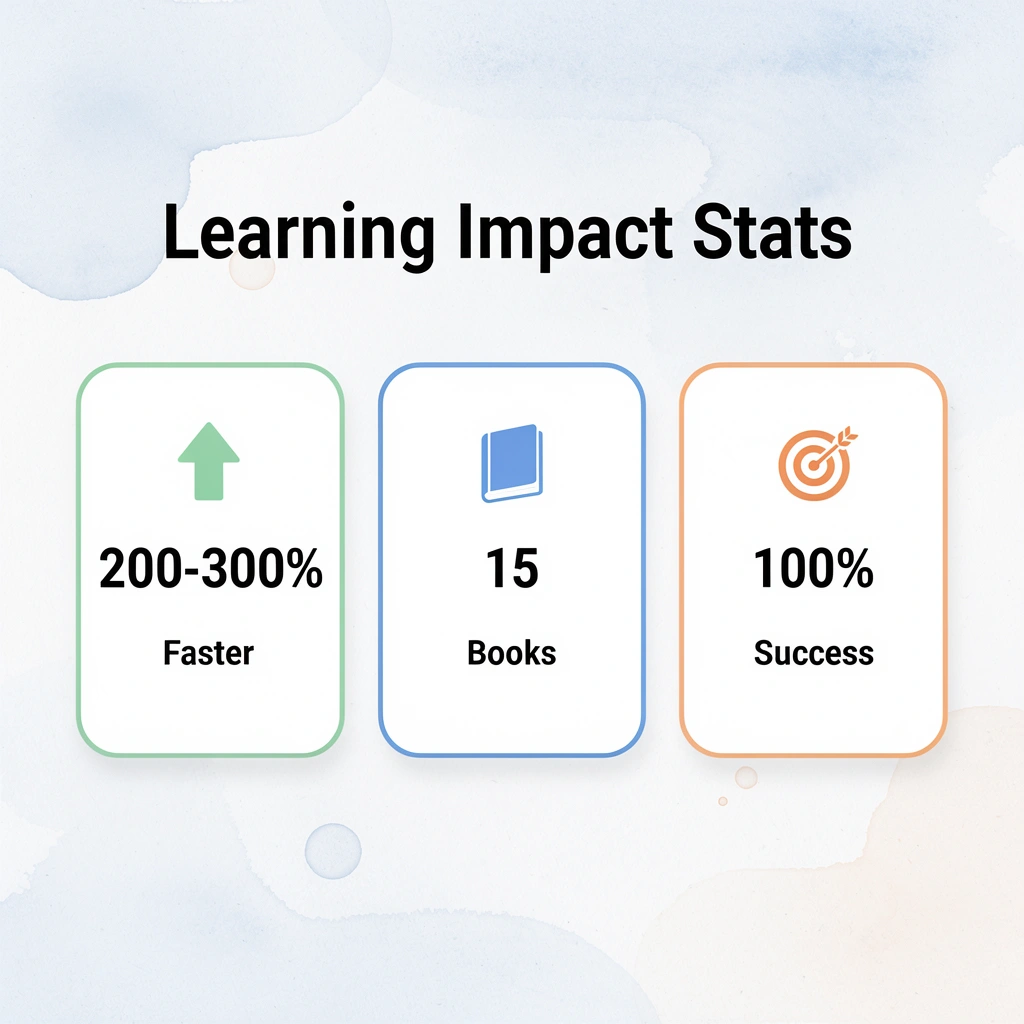
"Reading comprehensible input at the right level can increase language acquisition by 200-300% compared to traditional grammar-focused methods." — Second Language Acquisition Research, 2023
💡 Tip: Look for books with glossaries, cultural notes, or audio companions to maximize your learning experience and improve pronunciation simultaneously.
Here are 15 easy Spanish books for beginners and intermediate learners that will help you progress faster.
1. Short Stories in Spanish for Beginners
Best for: Complete beginners
One of the most recommended Spanish books for new learners. The stories use controlled vocabulary and comprehension questions that reinforce learning without feeling like a textbook.
2. Short Stories in Spanish
Best for: Advanced beginners moving toward intermediate
This collection offers a natural next step for beginner-level readers. The stories use more varied vocabulary and sentence structures while remaining accessible, building reading stamina and expanding your understanding of everyday Spanish.
3. Spanish Short Stories for Beginners
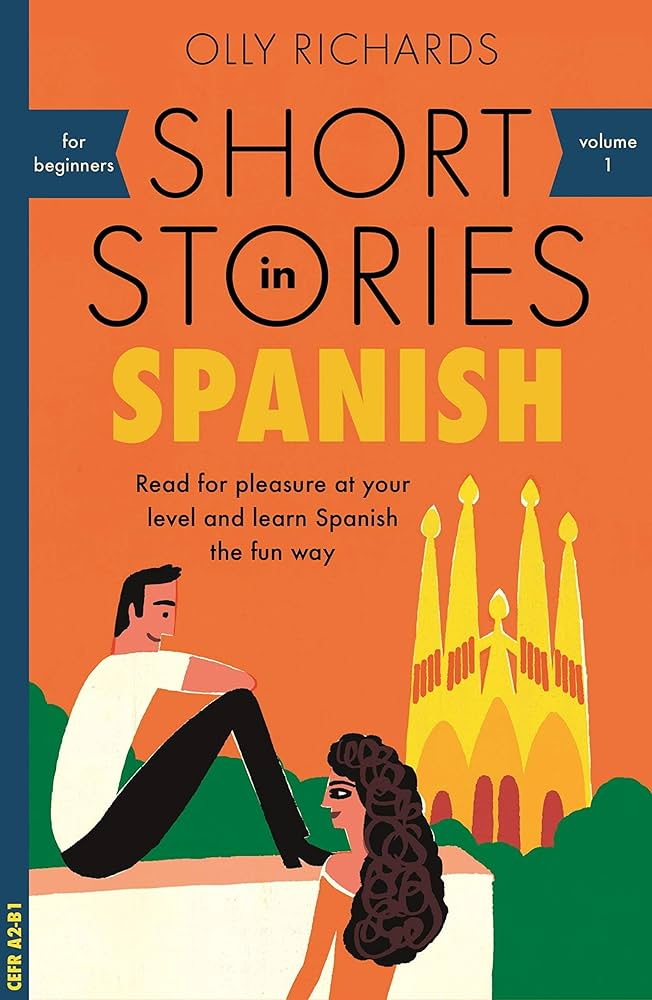
Best for: Vocabulary acquisition
This book helps learners pick up common Spanish vocabulary through repeated exposure in stories, placing words in meaningful contexts rather than isolation for easier retention and recognition.
4. Easy Spanish Reader
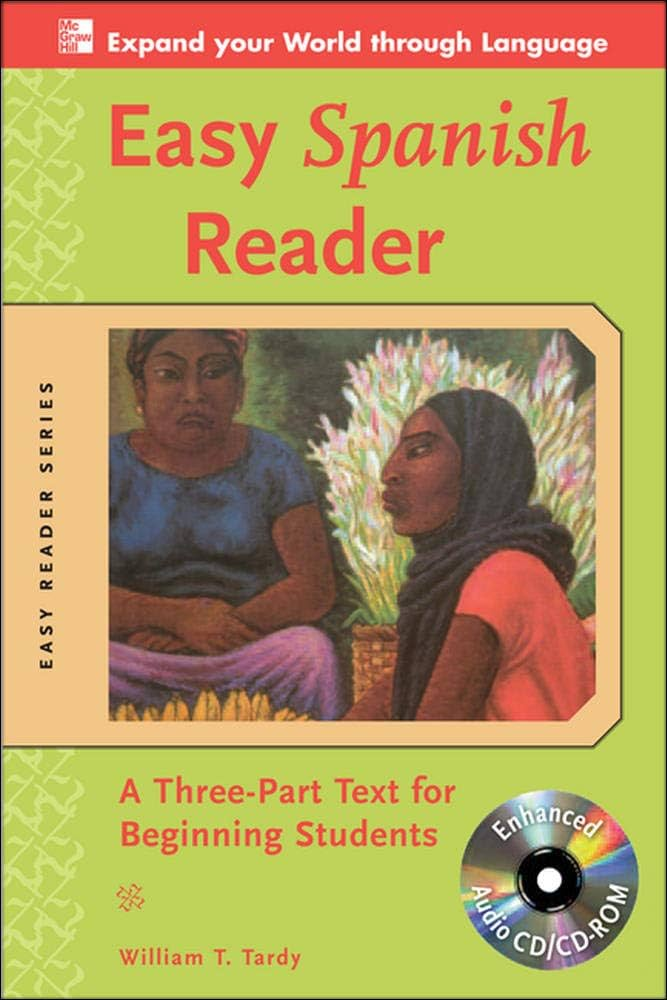
Best for: Structured reading progression
A long-standing favorite among language learners, this book gradually increases in difficulty, starting with simple readings and introducing more complex structures to build confidence without overwhelming learners.
5. First Spanish Reader
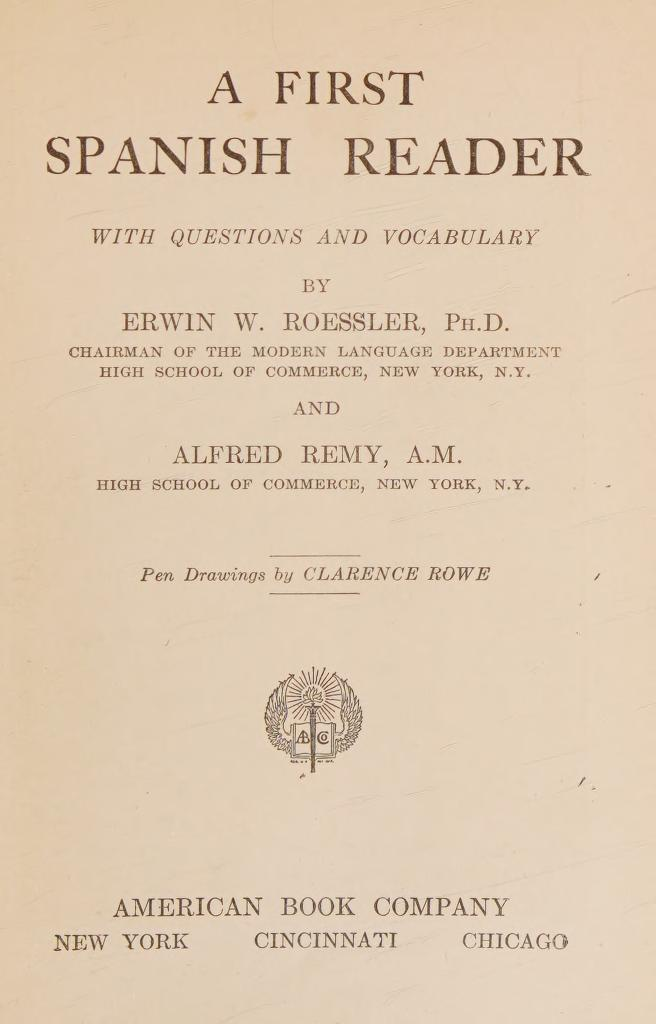
Best for: Building confidence
This reader introduces learners to Spanish through short selections that become progressively more challenging, helping readers experience early success while preparing them for advanced texts.
6. Pobre Ana
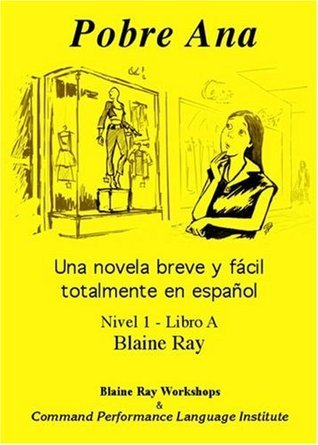
Best for: Comprehensible input reading
Designed around comprehensible input principles, this novel uses simple language and frequent repetition to make Spanish understandable. It prioritizes story comprehension over grammar analysis, making it a favorite among language teachers.
7. Brandon Brown Quiere un Perro
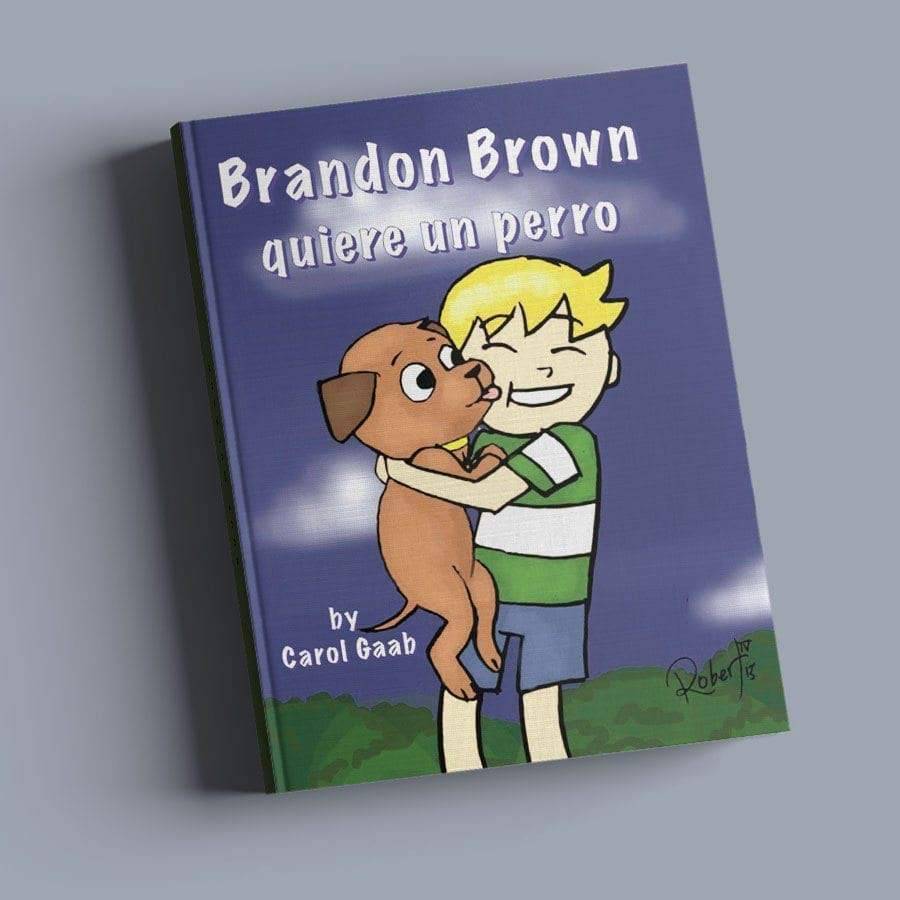
Best for: Beginner stories that are easy to understand
This story uses common words and repeated patterns, helping learners read successfully sooner than expected.
8. Cuentos de la Selva
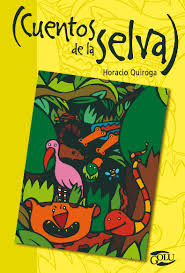
Best for: Moving to real Spanish books
These short stories bridge the gap between graded readers and real Spanish literature while remaining more accessible than full-length novels.
9. El Principito
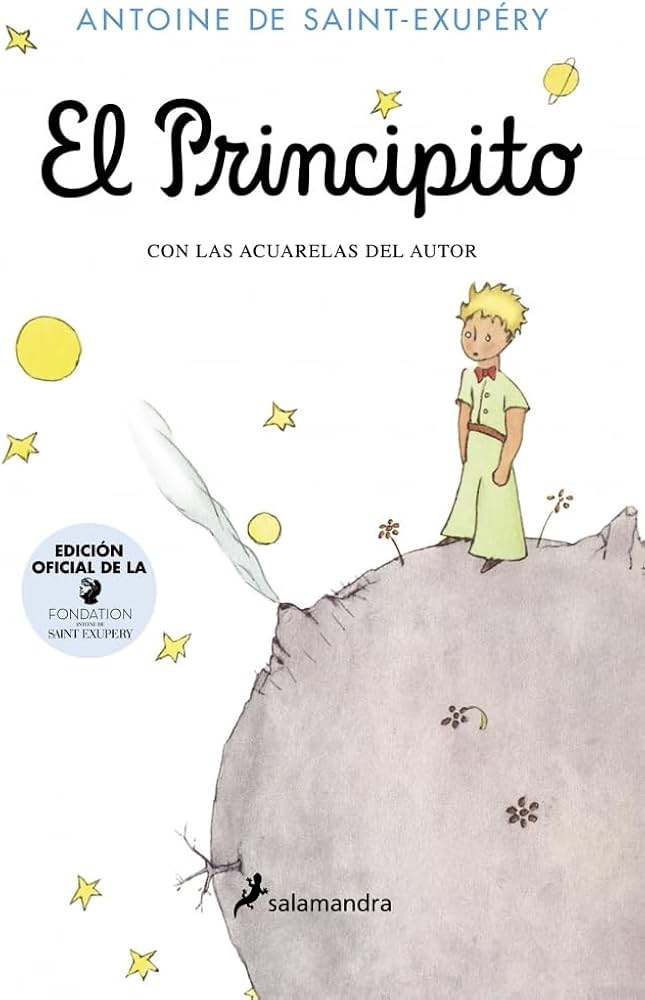
Best for: First authentic novel
Many learners choose this classic as their first full book in Spanish. The familiar story aids comprehension, while straightforward language makes it more accessible than other literary works.
10. Harry Potter y la Piedra Filosofal
Best for: Familiar stories in Spanish
Reading a story you already know helps you focus on the language instead of the plot. Since you know the characters and storyline, you can concentrate on understanding Spanish.
11. Stories from Latin America/Historias de Latinoamérica
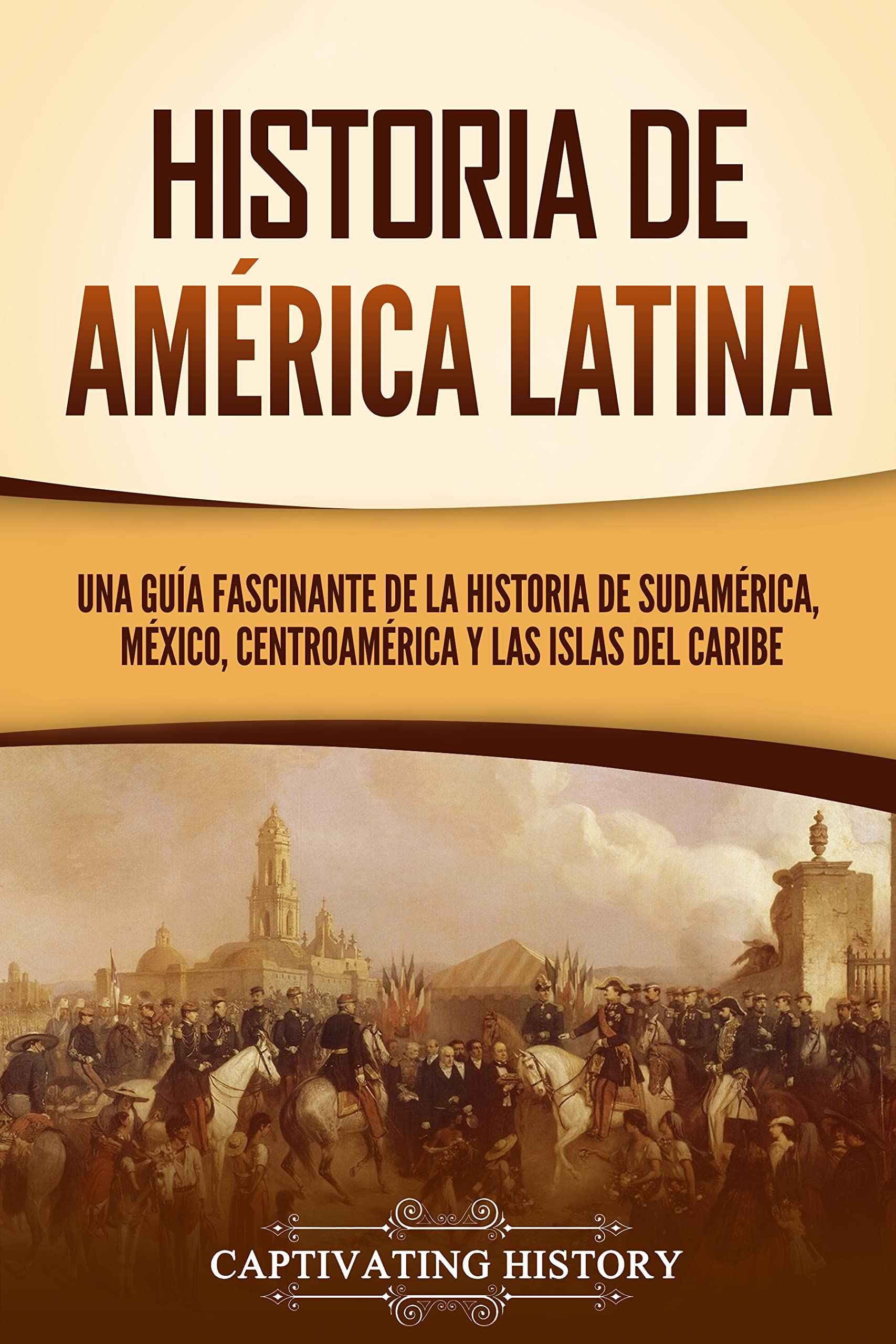
Best for: Cultural exposure
This collection introduces learners to stories and traditions from across Latin America through a bilingual format, combining language learning with cultural exploration.
12. Mujercitas
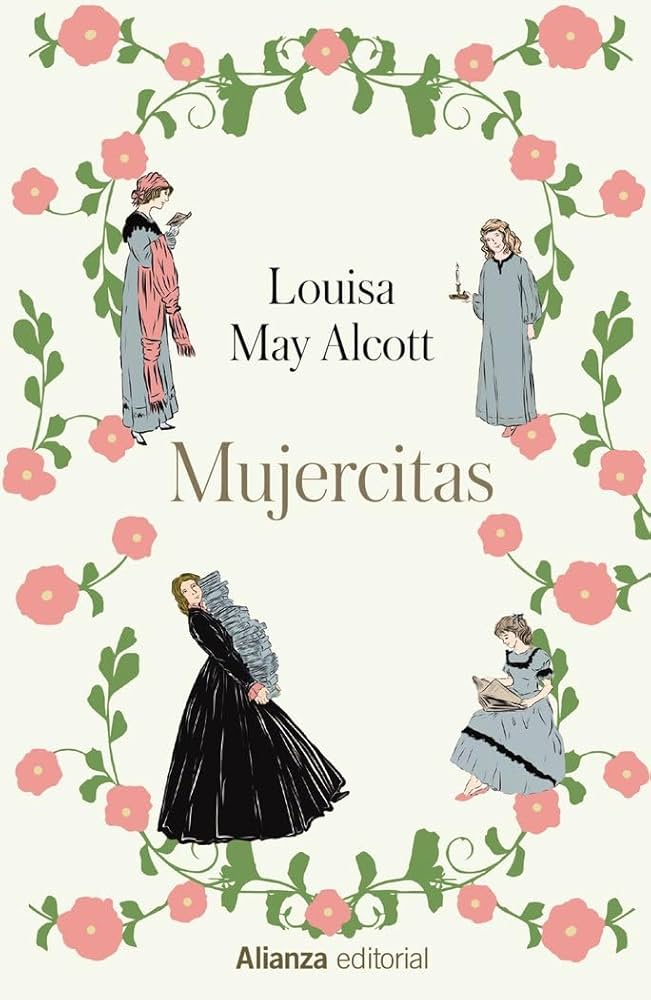
Best for: Intermediate readers
Learners with a solid reading foundation can tackle this Spanish version of a beloved classic. Familiarity with the story helps you navigate the more advanced language.
13. Charlie y la Fábrica de Chocolate
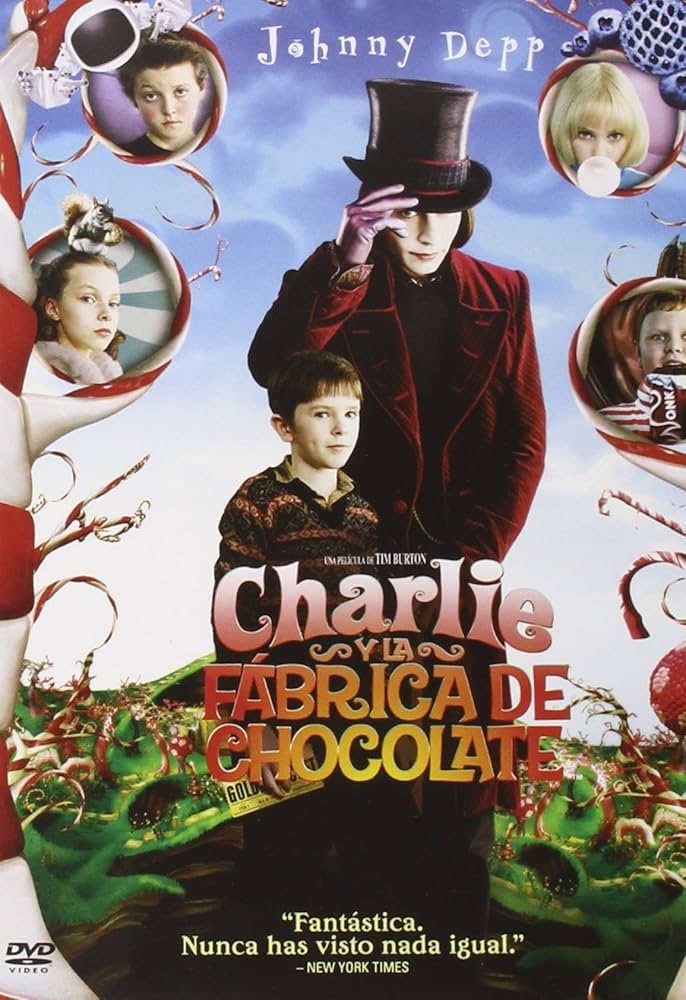
Best for: People who enjoy children's books.
Familiar characters and creative storytelling make it engaging, with accessible language throughout.
14. Las Aventuras de Tom Sawyer
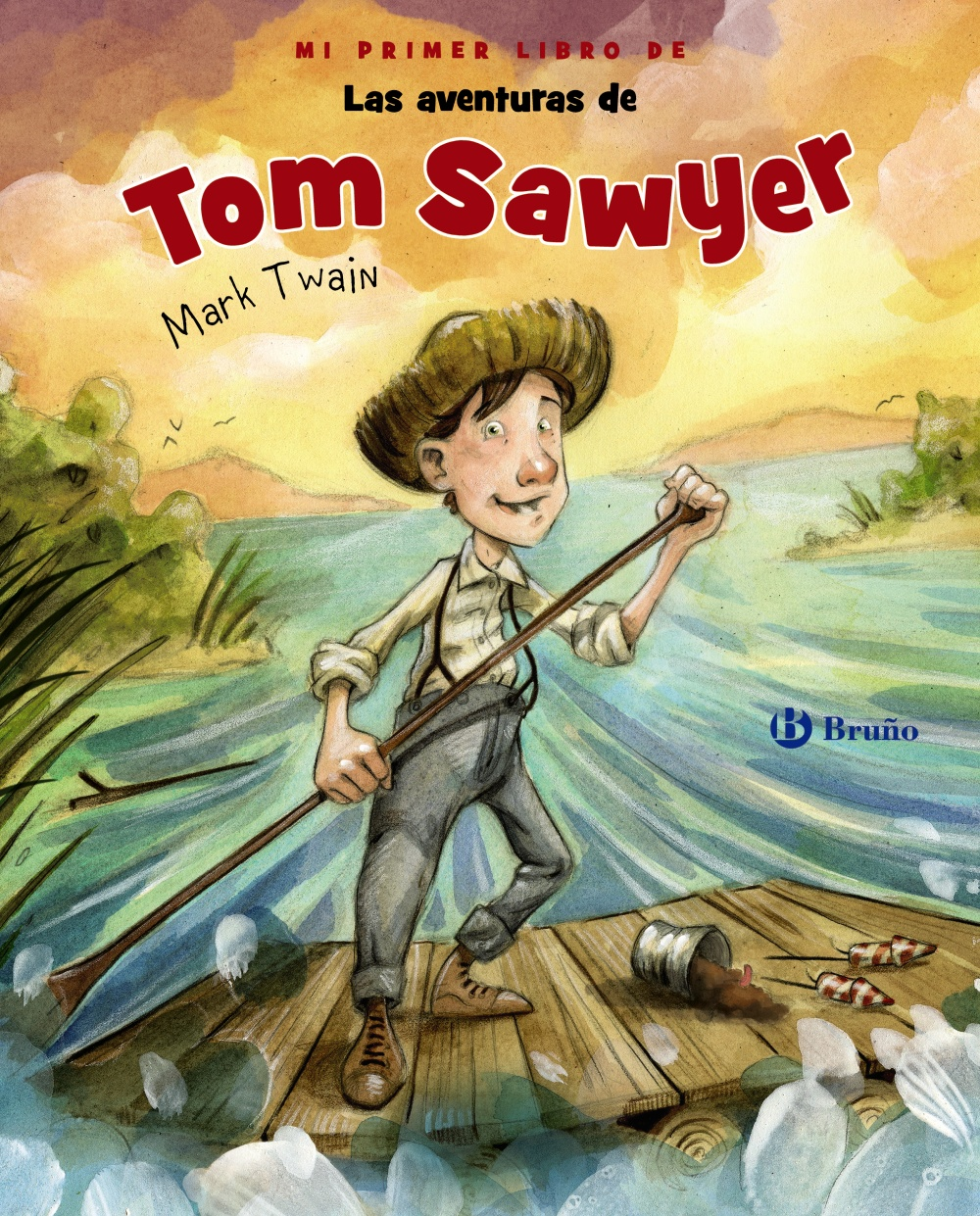
Best for: Intermediate learners seeking familiar classics
Since many readers already know the story, this book feels less intimidating than unfamiliar native literature while offering exposure to natural Spanish.
15. Cien Años de Soledad
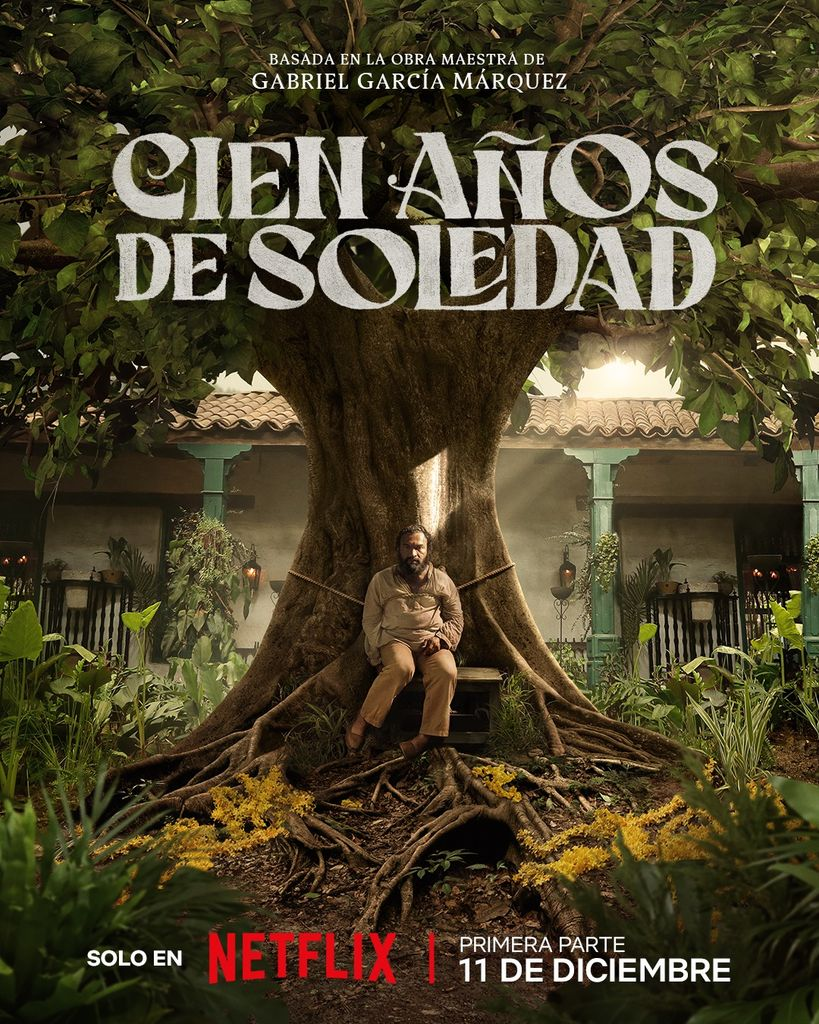
Best for: Ambitious intermediate readers
This is not an easy beginner book, but it's a long-term goal for Spanish learners interested in authentic literature. It provides rich exposure to literary Spanish and Latin American culture.
What makes Spanish books easy for beginners?
The easiest books are written specifically for language learners, using controlled vocabulary, repetition, and straightforward storytelling. According to Amazon's Best Sellers in Teen & Young Adult Spanish Language Study, graded readers and simplified texts consistently rank at the top.
Beginner readers start with books limiting vocabulary to 500–1,000 words. Intermediate readers progress to texts using 2,000–3,000 words with more complex sentence structures. Advanced learners transition to authentic literature written for native speakers.
How do you bridge the gap to authentic Spanish literature?
Most learners spend months working through graded readers before attempting their first real novel. The jump from controlled texts to native literature is substantial: sentences lengthen, idiomatic expressions appear without explanation, and cultural references require background knowledge.
Familiar stories work well as bridge texts. When you already know the plot, you can focus mental energy on understanding the language itself. Your brain fills in gaps using context from the English version you remember.
Why doesn't reading Spanish automatically improve speaking?
After finishing several Spanish books, many learners discover that their reading ability improves steadily, yet their speaking and listening skills lag behind. Reading allows you to control the pace: pause, reread, and process at your own speed. Conversations offer no such luxury. Words arrive in real time, connected and reduced in ways written Spanish rarely shows.
Most language apps treat reading as the foundation for all skills, assuming vocabulary built through reading transfers naturally to conversation. However, reading comprehension and conversational ability require different processing: reading uses visual recognition and deliberate analysis, while conversation demands auditory processing and immediate response.
Platforms like Learn Spanish prioritize listening comprehension through short-form video content. Rather than building vocabulary through text and hoping it transfers to conversation, learners absorb Spanish through the format they already scroll through daily. The input is comprehensible, the pacing is natural, and the focus remains on understanding messages.
Reading Spanish books builds one essential skill. Listening to Spanish in context builds another. Together, they provide the input your brain needs to acquire language naturally.
Related Reading
How To Start Learning Spanish
Spanish Pronunciation Guide
Alternatives To Duolingo For Spanish
How To Practice Spanish Speaking
500 Most Common Spanish Words
How To Learn Mexican Spanish
Spanish Pronunciation Tips
Learn Spanish Through Music
Spanish Idioms
Easy Spanish Books
Babbel Alternatives
Spanish Short Stories For Beginners
What Easy Spanish Books Actually Do Well
Easy Spanish books help you build vocabulary naturally and reinforce sentence patterns through repetition. They build confidence by ensuring you understand most of what you read and familiarizing you with common Spanish structures that form the foundation for understanding more challenging material. Reading accelerates your ability to recognize and process common language patterns.
🎯 Key Point: Easy Spanish books create a low-pressure environment where you can absorb vocabulary and grammar patterns without the stress of constantly looking up words.
"Reading makes your ability to recognize and process common language patterns faster." — Core benefit of graded reading materials
💡 Tip: The repetitive nature of easy Spanish books means you'll encounter the same vocabulary and sentence structures multiple times, which is exactly what your brain needs for long-term retention.
They Build Vocabulary Naturally
Reading helps learners encounter new words repeatedly in real contexts: conversations, descriptions, and key story moments, rather than isolated word lists. This natural approach makes vocabulary feel familiar over time without requiring memorization.
They Reinforce Sentence Patterns
Language is more than vocabulary; learners need to understand how words fit together to create meaning.
Easy Spanish books provide repeated exposure to sentence structures, verb patterns, and common expressions. As learners encounter similar patterns across different chapters and stories, they recognize them automatically. For example, after repeatedly encountering phrases such as quiero ir, voy a comprar, or tengo que estudiar, learners develop an intuitive sense of how these structures work without consciously analyzing grammar rules.
How does repeated exposure help with language learning?
You learn a language by seeing words and phrases repeatedly, not once. A word appearing twenty times across different stories is far more likely to stick in your memory than a quick flashcard review. Easy Spanish books facilitate this naturally because common words and phrases recur throughout the text.
Why doesn't reading alone prepare you for conversations?
Reading builds the foundations of comprehension, but it doesn't train your brain to process spoken Spanish at conversational speed. Most learners who read comfortably still freeze when someone speaks naturally because reading and listening activate different processing systems. Platforms like Parrot address this gap by providing short-form video content designed around comprehensible input, in which learners absorb Spanish through real-world contexts at natural speeds, much like scrolling through social media.
Why Context Helps Learners Remember Words
Context transforms vocabulary from mere information into genuine understanding. Memorizing that tener means "to have" differs from reading Tengo una pregunta, No tengo tiempo, Tengo hambre. The latter shows how the word functions and what it means simultaneously. Learners see how words operate in real communication rather than learning isolated definitions. The more contexts you encounter, the deeper your understanding becomes.
But knowing how to use reading effectively requires understanding what it can and cannot do and how it fits into a broader learning plan.
How to Get More From Easy Spanish Books
Easy Spanish books become powerful when you treat them as exposure rather than assignments. Instead of measuring progress by pages completed or books finished, measure it by how often you encounter familiar language patterns without needing to translate. When you notice how the same verbs, phrases, and sentence structures appear across different contexts, the language begins to stick naturally.
🎯 Key Point: Focus on pattern recognition rather than completion metrics. This shifts your brain from passive reading to active language acquisition.
"Language acquisition happens through meaningful exposure to comprehensible input, not through forced completion of materials." — Second Language Acquisition Research
💡 Pro Tip: Keep a simple tally of how many times you recognize a word or phrase without looking it up. This is your real progress indicator.

Why should you choose material you already mostly understand?
The hardest book on your shelf won't speed up your learning. When you expend too much mental energy deciphering words instead of following the story, your brain shifts from language acquisition to translation exercises.
Research by Dr. Stephen Krashen on comprehensible input theory shows that learners acquire language most effectively when they understand roughly 95% of what they encounter. The remaining 5% provides sufficient challenge to expand understanding without creating frustration.
How do you know if a book is at the right level?
Pick books where you understand the plot without constantly looking up words. You should feel curious about what happens next, not exhausted by the effort required to understand each sentence.
When reading feels like entertainment rather than study, you're in the zone where acquisition happens.
Let Context Teach You
Stopping every few sentences to translate unknown words breaks your attention and turns reading into a vocabulary drill. The plot disappears. The rhythm breaks. What should feel immersive becomes mechanical.
Instead, follow the story. If a word appears once and the sentence makes sense without it, keep moving. If that word shows up repeatedly across different scenes, look it up. This mirrors how children acquire their first language, inferring meaning from repeated exposure rather than memorizing definitions.
What patterns should you watch for while reading?
The value in easy Spanish books lies in the repetition of common language patterns that become automatic. Pay attention to structures like "tengo que" (I have to), "me gustaría" (I would like), or "acabo de" (I just finished). These are the building blocks of everyday conversation.
How does repetition help you think in Spanish?
The more situations you see these patterns in, the faster your brain recognizes them without conscious effort. After encountering "voy a" followed by infinitive verbs in dozens of sentences, you stop translating "I am going to" and simply understand its meaning. That automatic recognition separates learners who read Spanish from learners who think in Spanish.
Why isn't reading alone enough for Spanish fluency?
Books alone won't prepare you for real conversations. Written Spanish gives you time to consider each word, while spoken Spanish moves at normal speed with connected speech, reduced sounds, and regional variations that never appear on the page. Without listening practice, you'll develop strong comprehension of written text but struggle when native speakers talk.
How can you turn daily habits into Spanish practice?
Many learners scroll through social media daily. Platforms like Parrot transform that habit into language learning by delivering short Spanish videos at your level of comprehension. You encounter the same vocabulary and sentence patterns from your books in spoken form, at natural speed, with real accents and intonation. The language stops living only on the page and becomes actual communication.
What makes combining reading and listening so effective?
When you encounter "tengo que salir" in a book, hear it in a video, then see it again in another chapter, your brain builds multiple neural pathways to that pattern. Reading and listening together create deeper, faster learning than either method alone.
But books and videos only work if the content itself is understandable, and that's where most learners make their biggest mistake.
How Parrot Helps You Learn Spanish Beyond Books
Books help you learn new words and sentence patterns, but speaking Spanish fluently requires hearing how native speakers use it—a challenge most learners face.

💡 Tip: Real conversations reveal how vocabulary transforms from textbook theory to living language.
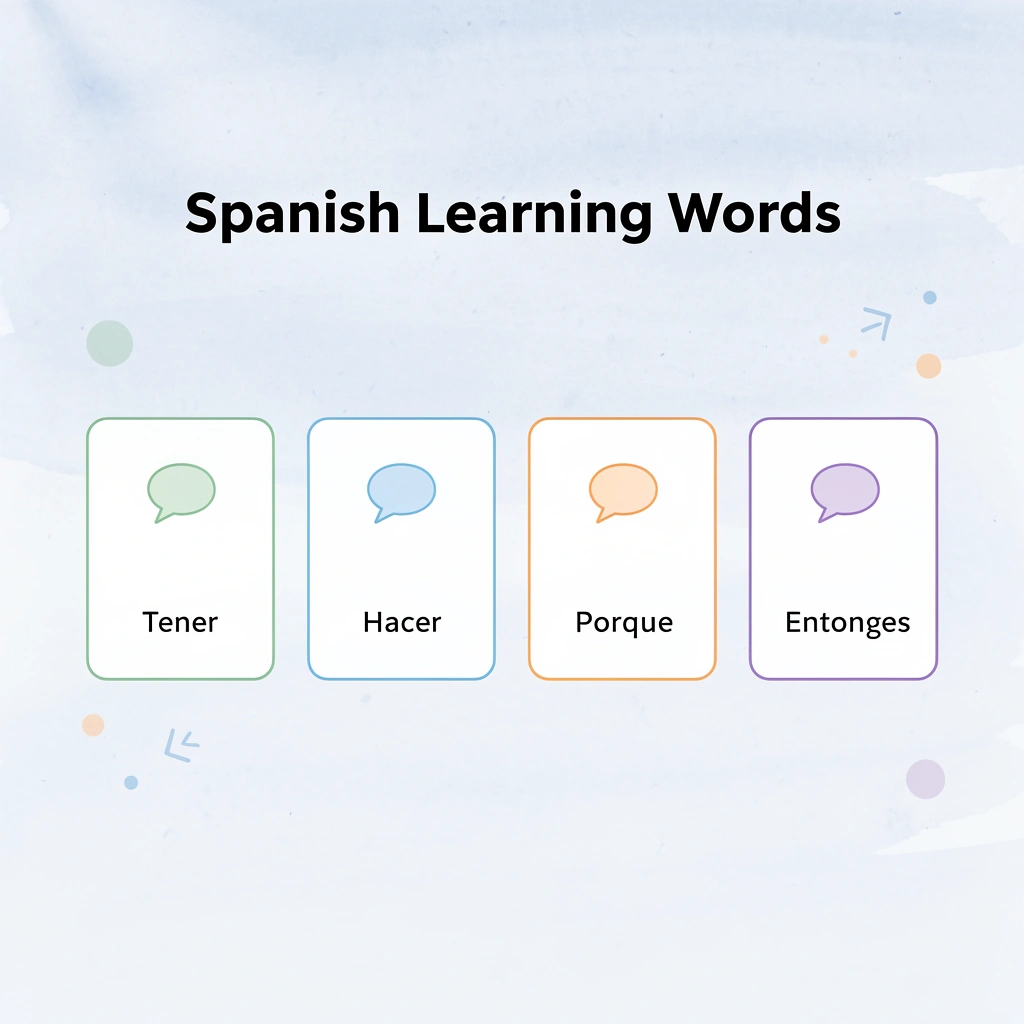
Parrot bridges that gap by showing short videos with native Spanish speakers. You'll hear common words from your studies (tener, hacer, porque, entonces) in real conversations, stories, and everyday situations. Words transform from vocabulary into a living language.
"Hearing native speakers use familiar vocabulary in authentic contexts transforms passive word knowledge into active communication skills." — Language Learning Research, 2023
🔑 Takeaway: The transition from book learning to real-world fluency happens when you experience vocabulary in authentic, native-speaker contexts.
Comprehensible Input, Not Memorization
The platform centers on an easy-to-understand input approach grounded in decades of language-learning research. Rather than forcing you to memorize or complete grammar exercises, Parrot helps you understand Spanish through engaging content that remains accessible while introducing new language naturally. The more often you encounter a word in context, the more likely you are to remember and recognise it later, whether reading, listening, or speaking.
Traditional apps treat language like a puzzle to solve. Parrot treats it like a message to understand. That shift accelerates the rate at which learners progress from recognizing words to using them.
How do clickable subtitles maintain learning flow?
Clickable subtitles let you tap unfamiliar words instantly without losing your place. Instant translations aid comprehension, and you can save useful vocabulary directly from the content. Because these words connect to real situations and memorable moments, they stick with you better than vocabulary studied in isolation.
What makes AI-powered content recommendations effective?
Parrot's AI-powered recommendation feed shows you content matching your level and interests, creating a steady stream of comprehensible Spanish that encourages consistent learning—one of the most important aspects of language acquisition. With over 690,202 learners using the platform and a 5-out-of-5 rating on the App Store, the approach works because it fits into your existing content-scrolling habits rather than requiring dedicated study time.
How does listening comprehension develop naturally?
Over time, you develop listening comprehension alongside vocabulary growth. Instead of only recognizing Spanish on the page, you become accustomed to hearing it spoken naturally by different speakers in different contexts. You're learning how Spanish actually sounds when people use it to communicate.
Related Reading
Apps Like Duolingo
Babbel Spanish Review
Best Free App To Learn Spanish
Best Spanish Shows On Netflix To Learn With
Duolingo Spanish Review
Pimsleur Spanish Review
Rosetta Stone Vs Pimsleur
Spanish Writing Practice
Best App To Learn Spanish
Duolingo Alternatives
Start Learning Spanish Today
The other half is putting what you know into practice. If you've been reading easy Spanish books but still freeze when someone speaks to you, add listening input. That doesn't mean stopping reading books. It means expanding how Spanish reaches you, so vocabulary you recognize on the page becomes vocabulary you understand when you hear it.
🎯 Key Point: Reading comprehension and listening comprehension are separate skills that need targeted practice to develop fluency.
Start a free trial of Parrot and experience how the same words from your current Spanish book sound when native speakers use them in real conversations. Our app delivers short videos with input you can understand at your level, so you're not guessing at meaning or rewinding endlessly. You're learning Spanish the way you learned your first language: through context, repetition, and understanding messages that matter.
💡 Tip: Bridge the gap between reading and listening by actively tracking vocabulary across both formats.
Your first step: choose five words from whatever Spanish book you're reading right now. Then watch for them in Parrot's video content this week. Count how many times you encounter them naturally. Notice how different speakers pronounce them, which situations they appear in, and how quickly you start recognizing them without needing subtitles. That shift from recognition to understanding is where reading becomes part of real-world fluency.
"The transition from recognizing vocabulary in text to understanding it in conversation is where true language acquisition happens." — Language Learning Research, 2023