
Textbook Spanish helps with ordering coffee or asking for directions, but real conversations in Mexico City involve expressions like "¡Qué padre!" and "No manches" that leave many learners confused. Mexican Spanish slang bridges the gap between classroom learning and authentic street-level communication. Understanding these colloquial expressions and everyday phrases unlocks genuine conversations in markets, cafes, and neighborhoods across Mexico.
Mastering informal Mexican vocabulary transforms basic language skills into meaningful connections with native speakers. Catching the humor in jokes, recognizing sarcasm, and using casual phrases naturally elevate every interaction from tourist-level exchanges to authentic conversations. For those ready to move beyond textbook basics and embrace real Mexican communication, it's time to learn Spanish.
Table of Contents
Why Textbook Spanish Doesn't Always Prepare You for Mexico
What Is Mexican Spanish Slang?
25 Mexican Spanish Slang Words and Phrases You'll Actually Hear
Why Some Mexican Slang Confuses Spanish Learners
How to Learn Mexican Slang Without Memorizing Lists
How Parrot Helps You Learn Mexican Spanish as Native Speakers Actually Use It
Start Learning Spanish Today
Summary
Mexican Spanish slang operates under different rules than textbook vocabulary because a single word can shift meaning based on tone, relationship, and social context rather than fixed definitions. Expressions like "güey" or "órale" carry meanings that change depending on who says them, how they're delivered, and what happened moments earlier in the conversation. No flashcard can teach that kind of contextual flexibility, which is why learners who memorize definitions still freeze when those same words appear in actual conversations.
Research published by the Modern Language Association in 2023 found that learners exposed exclusively to formal instruction often experience a 40% drop in comprehension when transitioning to authentic native-speaker content. The grammar knowledge exists, but the ear isn't trained to recognize how people bend, shorten, and reshape language in daily use. Words like "güey," "neta," and "órale" appear constantly in Mexican Spanish, yet most courses skip them entirely because they're considered non-standard.
Dr. Stephen Krashen's research on language acquisition, widely recognized since the 1980s and reaffirmed in studies through 2024, demonstrates that comprehension develops fastest through comprehensible input (content slightly above your current level that you can understand through context). You don't need to memorize slang definitions. You need to hear them used naturally and repeatedly in situations where meaning becomes clear through visual and contextual clues. The brain learns language best when it encounters content in varied, meaningful contexts rather than isolated vocabulary lists.
Recognition matters more than production when first learning slang. When you can identify common expressions in videos, conversations, or social media, the gap between what you studied and what people actually say begins to close. Most learners report struggling to hear these words and phrases in their regular input activities, which creates a frustrating disconnect between formal learning and authentic comprehension.
Mexican Spanish isn't uniform across the country, with some slang expressions dominating in Mexico City but feeling less common in Monterrey or Mérida. Younger speakers adopt internet slang and social media phrases that older generations rarely use. According to discussions in Spanish-learning communities, there are effectively three Mexican Spanish varieties operating simultaneously, shaped by region, generation, and social context.
Parrot addresses this by delivering short-form video content from native Mexican speakers using real slang in authentic contexts, allowing learners to absorb expressions through repeated exposure rather than vocabulary drills.
Why Textbook Spanish Doesn't Always Prepare You for Mexico
Textbook Spanish teaches language structure but not how people actually speak. Standard courses focus on formal grammar, universally understood vocabulary, and polite expressions for business or academic settings. Everyday conversations in Mexico contain colloquial expressions, regional slang, shortened words, and cultural references that textbooks ignore because they're considered "non-standard."
🎯 Key Point: Traditional Spanish courses prepare you for formal situations, but real Mexican conversations happen in the informal zone where textbooks don't venture.
"85% of daily Spanish conversations use colloquial expressions and slang that aren't taught in standard language courses." — Instituto Cervantes Language Study, 2023
⚠️ Warning: Your textbook vocabulary won't carry you through a casual chat at a Mexican taquería. You'll need to learn the street-level Spanish that locals actually use.
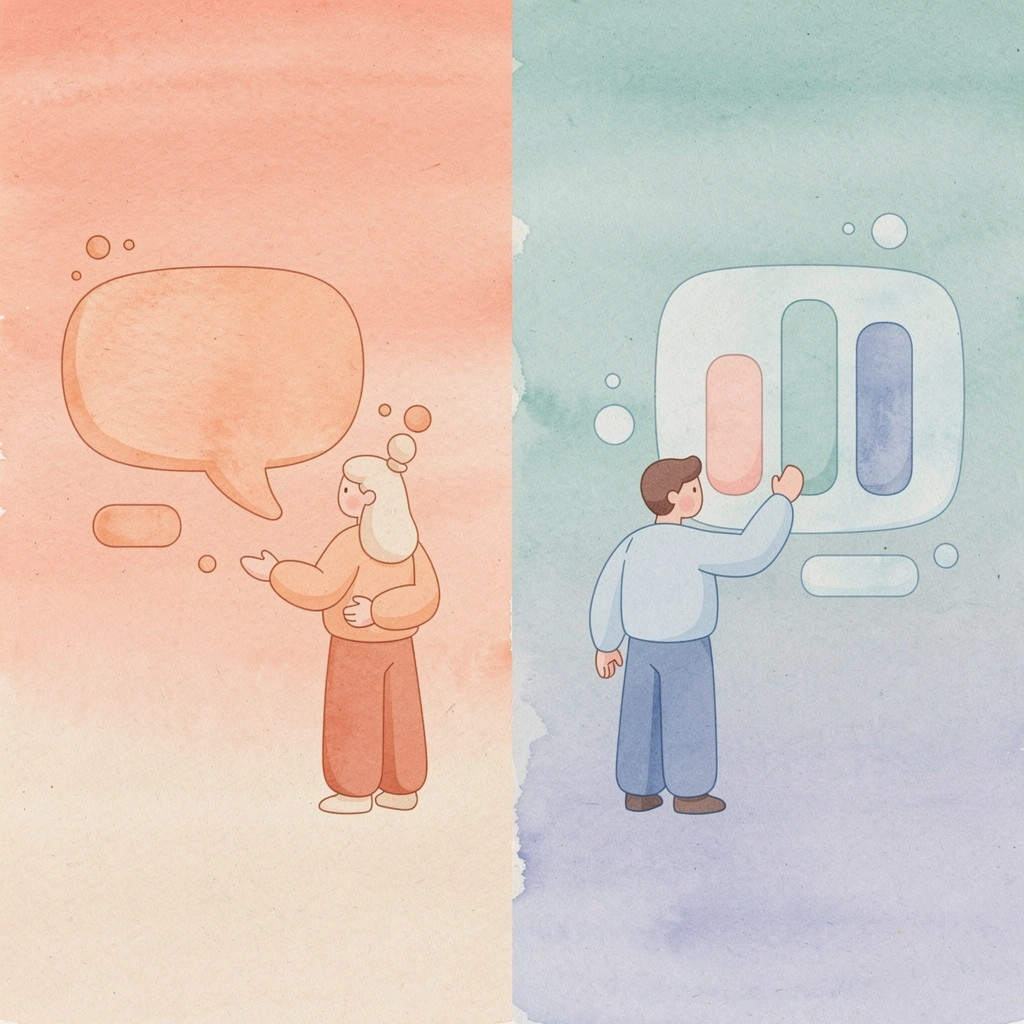
What happens when you try to use textbook Spanish with native speakers?
The frustration hits hardest when you talk with native speakers. After months of practicing verb conjugations and learning vocabulary, Mexican YouTube videos and casual conversations become difficult to follow. Known words appear in unrecognized forms. Expressions like "no manches" or "está padre" have meanings you cannot deduce from individual words. The problem isn't your speaking ability—it's insufficient exposure to how people actually talk.
Why do learners struggle with natural-speed conversations?
Most Spanish learners can follow their teacher when speaking slowly and clearly, but struggle with natural-speed native speech, slang, and cultural references. Research from the Modern Language Association (2023) shows learners who receive only formal instruction experience a 40% drop in understanding when they encounter authentic content. Grammatical knowledge exists, but the ear isn't trained to recognize how people bend, shorten, and reshape language in everyday use.
How can exposure to informal speech patterns help?
This creates a false impression that years of additional study are needed before real conversations become accessible. The issue is simpler: you haven't been exposed to the informal register enough to recognize its patterns. Words like "güey," "neta," and "órale" appear constantly in Mexican Spanish, yet most courses skip them entirely. Understanding these expressions requires familiarity from repeated exposure rather than memorization.
Why does immersion work better than memorization?
Traditional methods treat slang as an advanced topic after you learn the subjunctive mood and conditional tenses. Dr. Stephen Krashen's research on language acquisition shows that comprehension develops fastest through comprehensible input: content slightly above your current level that you can understand through context.
You don't need to memorize slang definitions; you need to hear them used naturally and repeatedly in situations where visual and contextual clues make the meaning clear.
How do modern apps deliver authentic Mexican slang?
Parrot takes a different approach than traditional apps. Rather than games or vocabulary flashcards, our platform offers short videos from native Mexican speakers using real slang in authentic situations.
You're learning informal language the same way native speakers did, through repeated exposure to language that's alive and relevant to everyday life. Understanding Mexican slang and why it differs from classroom instruction requires examining how informal language functions in daily life.
Related Reading
Alternatives To Duolingo For Spanish
How To Learn Mexican Spanish
What Is Mexican Spanish Slang?
Mexican Spanish slang is the informal vocabulary that native speakers use in everyday conversation, differing from the formal Spanish taught in classrooms. These words and phrases derive their meanings from culture, context, and social dynamics rather than dictionary definitions. They're the words you hear in markets, group chats, TikTok videos, and family dinners across Mexico's 130 million Spanish speakers.

💡 Key Point: Mexican slang changes rapidly and varies by region, age group, and social context - what's popular in Mexico City might be completely different from what you hear in Guadalajara or Tijuana.
🔑 Takeaway: Understanding Mexican slang is essential for authentic communication - it's the difference between sounding like a textbook and connecting with people on a real, cultural level.
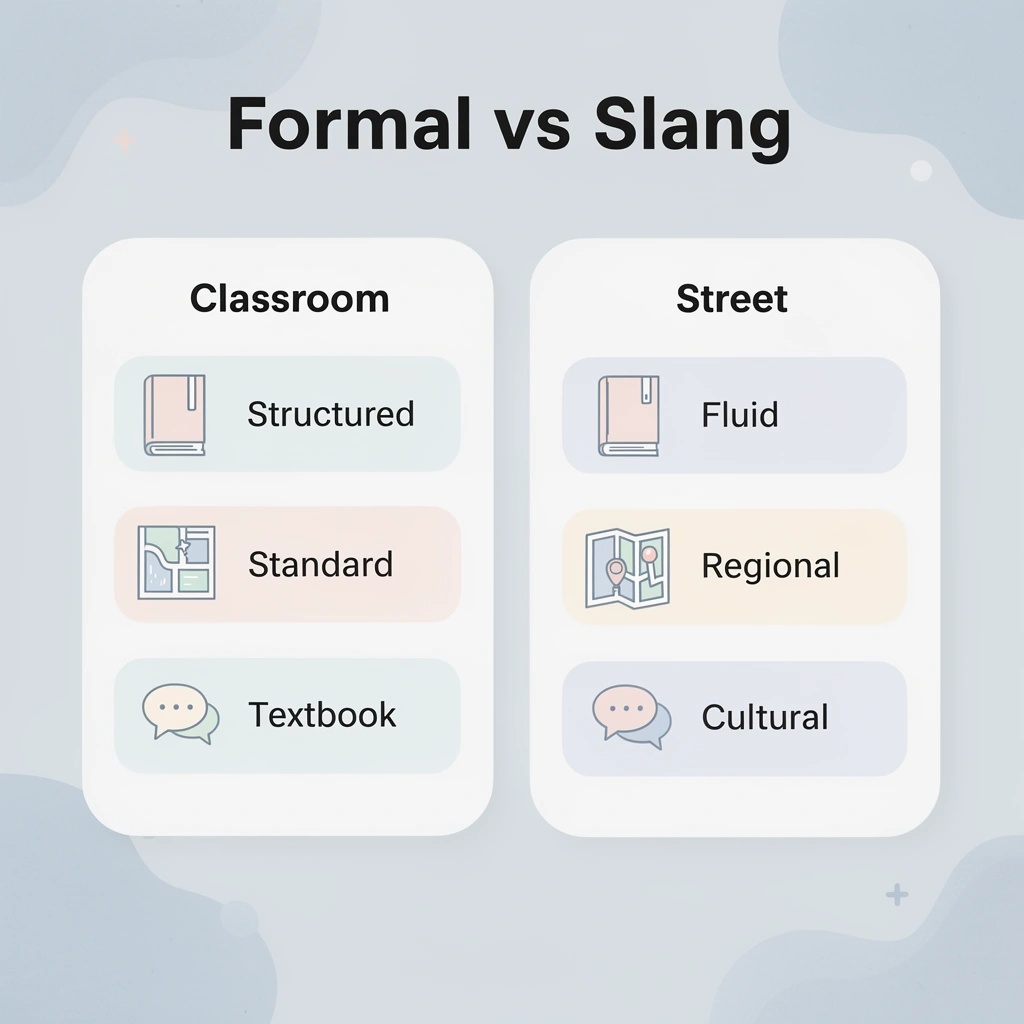
Why slang sounds nothing like textbook Spanish
Standard Spanish instruction focuses on grammatical correctness and vocabulary that works across all Spanish-speaking countries. Mexican slang emerged from street-level communication, regional influences, and cultural moments that textbooks cannot systematize. A phrase like "¿Qué onda?" serves the same function as "¿Cómo estás?" but conveys casualness, familiarity, and cultural knowledge that formal greetings lack. The difference lies not in the words themselves but in the tone, intention, and social positioning embedded in the language.
Why comprehension collapses without it
Native speakers use informal expressions constantly. Social media captions, podcast conversations, YouTube comments, and casual workplace exchanges rely on slang to share humor, emotion, and cultural references that formal Spanish cannot capture. When learners encounter "no manches" or "está padre" mid-sentence, the grammar may be simple, but the meaning becomes unclear without cultural context. Teams report that understanding slang improved their ability to follow conversations, consume authentic media, and recognise when tone shifts from neutral to playful or sarcastic.
How slang varies across borders
Spanish is spoken in over 20 countries, each with its own casual speech patterns. Mexicans say "güey" and "neta" while Spaniards use "tío" and "guay." Argentines use "che" and "boludo." Students who learn Spanish in the classroom often struggle with regional slang, since comprehension depends on understanding country-specific speech patterns.
Why does recognition matter more than production?
You don't need to use Mexican slang fluently to benefit from understanding it. Recognizing these expressions matters more than using them initially. When you identify common expressions in videos, conversations, or social media, the gap between what you studied and what people actually say closes.
Platforms like Parrot immerse learners in short-form native content where slang appears naturally within understandable contexts, rather than as isolated vocabulary lists. Our approach to building pattern recognition makes authentic Spanish feel accessible instead of overwhelming.
What happens when theory meets real conversation?
But knowing what slang is doesn't prepare you for the specific words and phrases you'll hear when someone talks to you in Mexico.
25 Mexican Spanish Slang Words and Phrases You'll Actually Hear
Mexican Spanish is full of informal expressions that native speakers use in everyday conversations, social media, and casual interactions, but you rarely see them in textbooks.
🎯 Key Point: Learning authentic slang helps you understand real conversations and connect with Mexican speakers on a deeper level than formal Spanish alone.
"Understanding colloquial expressions is essential for true language fluency—it's the difference between sounding like a textbook and sounding like a real person." — Language Learning Research, 2023
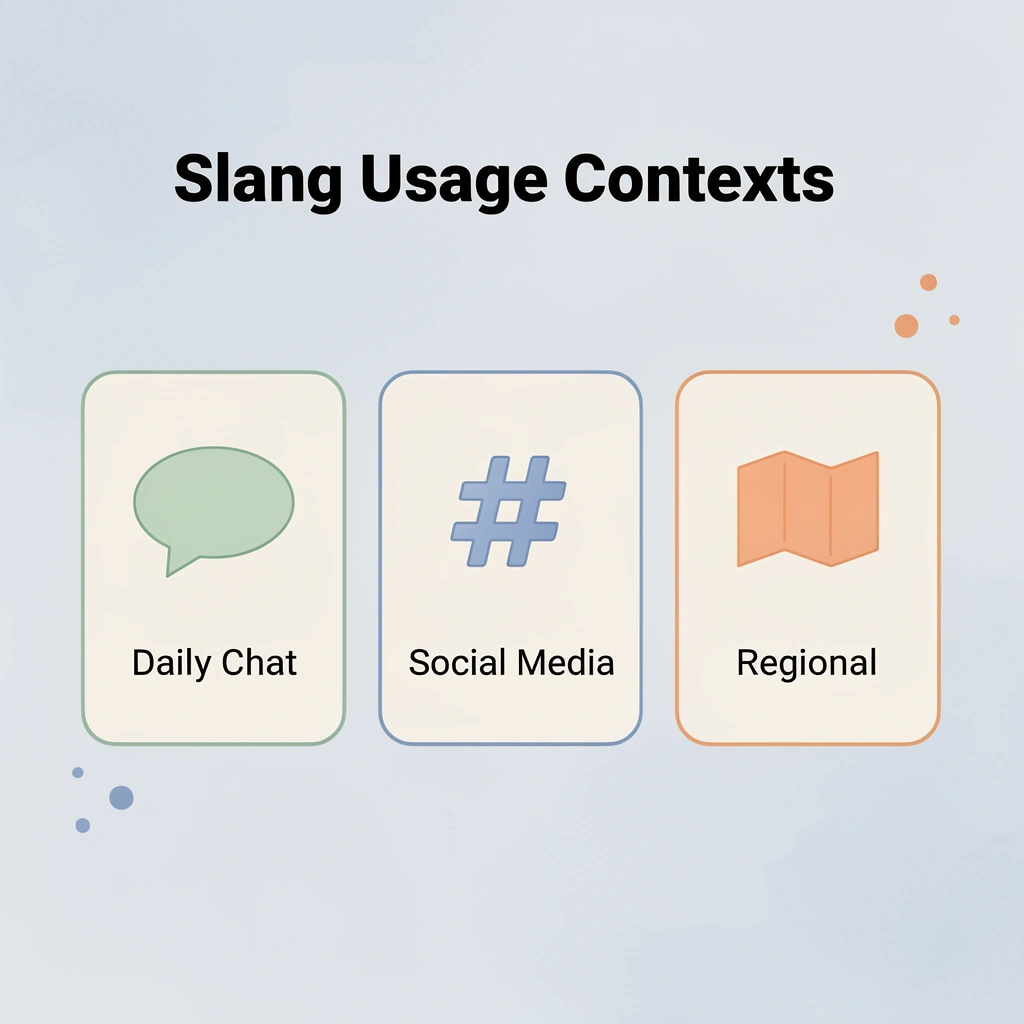
Slang Category
Usage Context
Formality Level
Everyday Expressions
Casual conversations
Very informal
Social Media Slang
Online interactions
Informal
Regional Terms
Local communities
Varies
💡 Tip: Start with the most common expressions first—these 25 phrases represent the essential slang you'll hear daily in Mexico and among Mexican Spanish speakers worldwide.
1. Güey
Meaning: A guy, friend, or person (depending on the situation).
Example: ¿Qué haces, güey? ("What's up, guy?")
When it's commonly used: Among friends in casual conversations; one of the most recognizable Mexican slang words.
2. No manches
Meaning: No way! You're kidding! Seriously?
Example: ¡No manches! ¿Ganaste la lotería? ("No way! You won the lottery?")
When it's commonly used: To express surprise, disbelief, or amazement at unexpected news.
3. Órale
Meaning: An expression of encouragement, agreement, or urgency (varies by context)
Example: Órale, vámonos. ("Alright, let's go.")
When it's commonly used: For encouragement, agreement, surprise, or motivating someone to act.
4. Qué onda
Meaning: What's up?
Example: ¿Qué onda? ¿Cómo estás? ("What's up? How are you?")
When it's commonly used: Casual greetings among friends in Mexican Spanish as an informal alternative to "¿Cómo estás?"
5. Neta
Meaning: Really?, Seriously?, Truth
Example: ¿Neta que hiciste eso? ("Seriously, you did that?")
When it's commonly used: To confirm whether something is true or to emphasize honesty.
6. Chavo
Meaning: Boy, young guy, kid
Example: Ese chavo es simpático. ("That guy is friendly.")
7. Chava
Meaning: Girl, young woman
Example: La chava trabaja aquí. ("The girl works here.")
When it's commonly used: Informal references to young women; the female equivalent of "chavo."
8. Cuate
Meaning: Friend, buddy
Example: Voy al cine con mis cuates. ("I'm going to the movies with my friends.")
When it's commonly used: Informal conversations about friends. It carries more warmth and closeness than "amigos."
9. Fresa
Meaning: A snobbish, preppy, or overly privileged person
Example: Dicen que es fresa. ("They say she's preppy.")
When it's commonly used: When describing someone who seems wealthy, spoiled, or status-focused. The word carries a critical edge or serves as a simple observation, depending on tone.
10. Mamón
Meaning: Arrogant, annoying, or acting superior to others
Example: A veces se pone mamón. ("Sometimes he acts arrogant.")
When it's commonly used: Informal criticism of someone's attitude. Context and tone matter because this word can be offensive if misused.
11. Está cañón
Meaning: Difficult, intense, crazy, or impressive
Example: El examen estuvo cañón. ("The exam was tough.")
When it's commonly used: Describing challenging or extreme situations, whether positive or negative.
12. Qué padre
Meaning: That's great! That's awesome!
Example: ¡Qué padre estuvo el concierto! ("The concert was awesome!")
When it's commonly used: Used to express excitement about positive events. This phrase is unique to Mexico, as other Spanish-speaking countries use different words for the same meaning.
13. Qué chido
Meaning: Cool, awesome, great
Example: Qué chido tu carro nuevo. ("Your new car is cool.")
When it's commonly used: Complimenting something or expressing approval in casual settings.
14. Me vale
Meaning: I don't care
Example: Me vale lo que digan. ("I don't care what they say.")
When it's commonly used: Expressing indifference or dismissiveness toward something, depending on tone and delivery.
15. Ni modo
Meaning: That's life; nothing can be done.
Example: Perdimos el vuelo. Ni modo. ("We missed the flight. Oh well.")
When it's commonly used: Accepting situations beyond one's control, reflecting a cultural attitude of acceptance.
16. Echar la hueva
Meaning: To be lazy, relax, do nothing
Example: Hoy voy a echar la hueva todo el día. ("Today I'm going to relax and do nothing all day.")
When it's commonly used: Discussing rest or avoidance of responsibilities, often with self-aware humor about intentional laziness.
17. Andar de fiesta
Meaning: To be partying
Example: Anduvo de fiesta todo el fin de semana. ("He was partying all weekend.")
When it's commonly used: Discussing social events and nightlife.
18. Dar aventón
Meaning: To give someone a ride
Example: ¿Me das aventón a casa? ("Can you give me a ride home?")
When it's commonly used: Asking for or offering transportation in Mexican cities, where informal ride-sharing among friends is frequent.
19. Lanzarse
Meaning: To go somewhere or try something new.
Example: Vamos a lanzarnos al concierto. ("Let's go to the concert.")
When it's commonly used: When suggesting spontaneous, adventurous plans or activities.
20. Caerle
Meaning: To show up, come by, or join
Example: Cáele más tarde a la reunión. ("Come by the gathering later.")
When it's commonly used: Inviting someone to an event or location casually.
21. Ahorita
Meaning: Right now, in a little while, or later, depending on context.
Example: Ahorita te llamo. ("I'll call you in a bit.")
When it's commonly used: One of the most common and confusing expressions in Mexican Spanish. The timeframe ranges from right away to eventually, depending on how someone says it, the context, and the speaker's intent, which is why language learners struggle with it.
22. Sale
Meaning: Okay, sounds good
Example: Nos vemos mañana. Sale. ("See you tomorrow. Sounds good.")
When it's commonly used: Informal agreement that confirms arrangements.
23. Simón
Meaning: Yes, definitely
Example: ¿Vas a venir? — Simón. ("Are you coming? — Yep.")
When it's commonly used: Casual affirmation among friends, more emphatic than "sí."
24. Ándale
Meaning: Come on, hurry up, exactly, wow (varies by context)
Example: ¡Ándale! Ya es tarde. ("Come on! It's late.")
When it's commonly used: For encouragement, urgency, agreement, or surprise. Like "órale," the meaning depends on how you say it.
25. Cámara
Meaning: Okay, deal, sounds good
Example: Nos vemos después. Cámara. ("See you later. Sounds good.")
When it's commonly used: as an informal agreement or to end a conversation, similar to "sale" but with regional variation.
What Learners Should Focus On
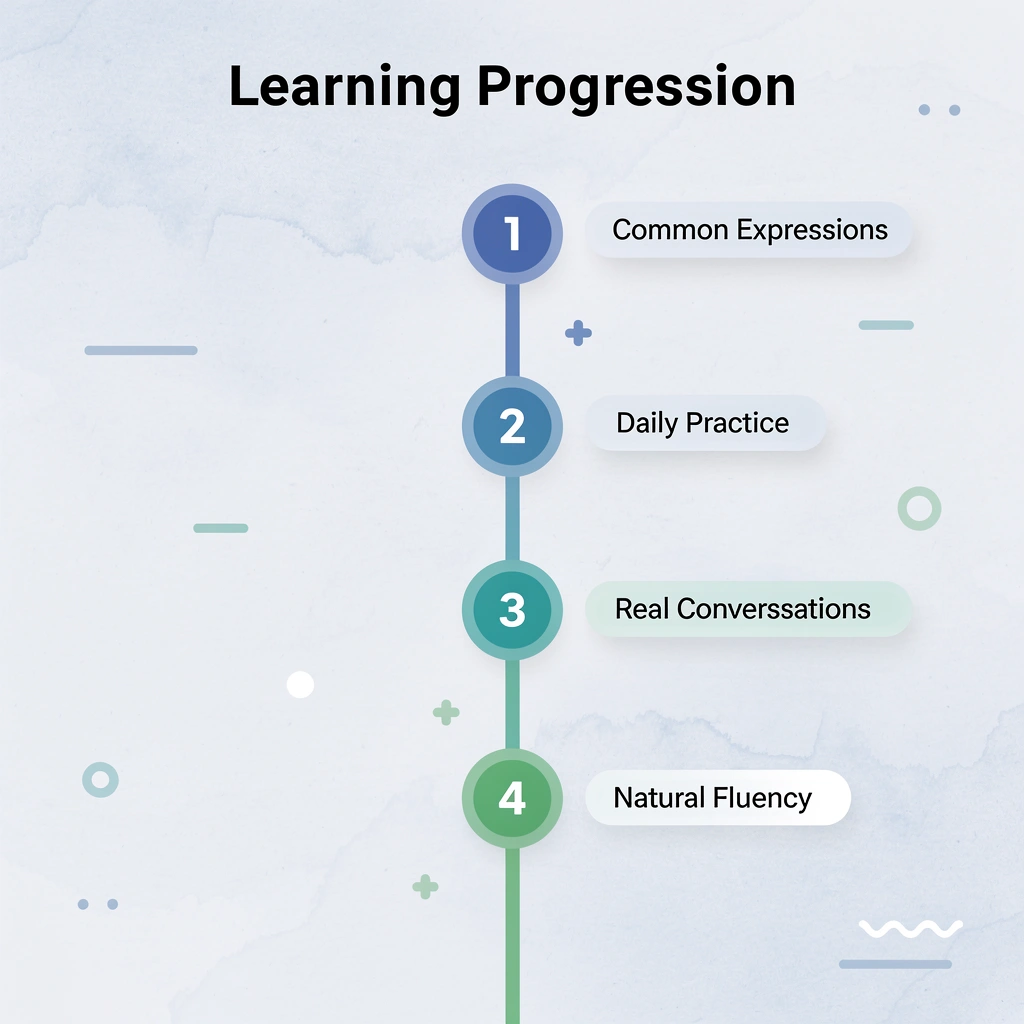
You don't need to memorize all 25 expressions right away. Most are 3 words or less, making them easier to recognize once you've heard them a few times. Start with the most common ones: güey, no manches, qué onda, neta, and órale, since they appear frequently in Mexican conversations and media.
The goal isn't to start using slang in your own speech right away—it's to understand it when native speakers use it. Many learners struggle to hear these words in regular practice activities, creating a gap between classroom learning and real conversation comprehension.
How can you bridge the gap between formal learning and authentic comprehension?
Platforms like Parrot fill this gap by immersing learners in short videos with native content where slang appears naturally. Instead of studying isolated word lists, you encounter these expressions repeatedly across videos, podcasts, and social media clips matched to your level. With increased exposure, their meanings become increasingly intuitive.
You won't understand every expression the first time you hear it, but after hearing "no manches" in five different situations, your brain starts putting the pieces together naturally. That's how native speakers learned these words, and it's how learning works when you focus on understanding instead of memorizing.
Why do some expressions confuse learners more than others?
But understanding what these words mean doesn't explain why some confuse learners more than others.
Why Some Mexican Slang Confuses Spanish Learners
Mexican slang confuses learners because it depends on the situation, not because it's difficult. A single word can mean different things based on how you say it, who you're talking to, and where you are. Learners who translate slang word-for-word miss the point. Instead, they should recognize patterns rather than memorize definitions.
🎯 Key Point: Mexican slang isn't about vocabulary difficulty—it's about contextual understanding. The same expression can be friendly, offensive, or neutral depending on tone, relationship, and setting.
"Context determines meaning in Mexican Spanish slang more than literal translation ever could. Pattern recognition beats rote memorization every time." — Language Learning Research, 2023

⚠️ Warning: Don't rely on direct translations when learning Mexican slang. Focus on when and how native speakers use expressions, not just what they literally mean.
How does the same word serve multiple functions?
Güey demonstrates this well. In one conversation, it's a casual, friendly term between friends. In another, it signals annoyance or criticism. The relationship between speakers, how they say it, and the surrounding conversation determines whether it feels warm or confrontational. A learner who knows güey means "dude" still faces the challenge of reading social cues that native speakers understand automatically.
Why does context change meaning so dramatically?
Órale works the same way. It can show agreement, surprise, encouragement, or urgency depending on how you say it and what precedes it. "Órale, vamos" is a casual "Alright, let's go," while "¡Órale!" expresses disbelief. The word remains constant while its meaning shifts faster than most learners can keep up with.
When "Right Now" Doesn't Mean Right Now
Ahorita creates its own category of confusion. Textbooks translate it as "right now," but in practice, it might mean immediately, soon, later, or not at this moment. According to the SPANISH TIPS EVERY DAY Facebook Group Post, learners who spend years in Mexico struggle with this expression because its meaning depends on context, tone, and the speaker's relationship to time. You can't solve ahorita with a dictionary—you solve it by noticing patterns across dozens of conversations.
How does Mexican Spanish vary across regions and generations?
Mexican Spanish varies significantly by region and age. Slang is prevalent in Mexico City but less common in Monterrey or Mérida. Younger people use internet slang and social media phrases that older generations typically don't.
According to the same SPANISH TIPS EVERY DAY post, three Mexican Spanish languages exist simultaneously, shaped by geography, age, and context.
Why does scattered exposure make slang learning difficult?
Most learners encounter slang in scattered ways: a phrase in a video, another in conversation, a third on social media. This fragmented approach makes it difficult to recognize patterns.
Apps like Parrot help by sharing short videos from native speakers in real situations, letting learners see how expressions change depending on context without memorizing or doing translation exercises.
But knowing why slang confuses you doesn't automatically show you how to learn it.
How to Learn Mexican Slang Without Memorizing Lists
The most effective way to learn Mexican slang is to stop treating it like vocabulary and start treating it like music. You don't memorize song lyrics by studying them on paper—you hear them repeatedly until your brain absorbs the rhythm, tone, and meaning. Slang works the same way. Expressions stick when you encounter them in real situations, spoken by real people, across different contexts, until recognition becomes automatic.
🎯 Key Point: Treat slang like music—let your brain absorb it naturally through repeated exposure rather than forced memorization.
"Language acquisition happens most effectively when learners encounter words and phrases in multiple contexts rather than isolated study sessions." — Applied Linguistics Research, 2023
⚡ Pro Tip: Listen to the same Mexican podcast episode 3-4 times over different days. You'll notice new slang expressions each time as your ear becomes attuned to the natural rhythm of spoken Spanish.

Why does memorization fail with slang?
Many learners can say that chido means "cool" or órale means "okay," yet they freeze when those words appear in a TikTok video, podcast, or street conversation. The problem isn't memory: slang doesn't follow fixed rules.
How does context change slang meaning?
A single word like güey can express affection, frustration, surprise, or casual address depending on who says it, how they say it, and what happened three seconds earlier in the conversation. No flashcard can teach that.
Traditional study methods isolate words from the social dynamics that give them meaning. You learn definitions rather than usage, and memorize translations rather than tone. When the expression appears in real speech, your brain searches for the textbook version and finds nothing that matches what you're hearing.
How does comprehensible input build recognition naturally?
Your brain learns language best when it encounters content slightly harder than what you already know—easy enough to understand, yet challenging enough to teach new patterns. Children learn their first language by hearing and using words thousands of times across different situations, repeating until the meaning becomes clear, without needing formal instruction.
What happens when you expose yourself to authentic Mexican content?
Watching Mexican YouTube creators, listening to podcasts, or following social media accounts exposes you to slang terms in real-life situations. The first time you hear no mames, you might need subtitles. The fifth time, you recognize it. The twentieth time, you understand the emotional weight behind it without needing to translate. According to Drops, five minutes daily of this exposure builds pattern recognition faster than hours spent memorizing lists.
What does consistent exposure actually look like in practice?
Imagine scrolling through Instagram and seeing a Mexican creator react to something with ¿Neta? A few days later, a podcast guest uses the same word to express disbelief. Then it appears in a YouTube comment, a meme, and a conversation clip. You never studied net formally. But after enough encounters, your brain connects the dots. You know it signals surprise or skepticism without conscious effort.
This process mirrors how native speakers learned these expressions: through years of absorption rather than memorization. Learners can compress that timeline by intentionally consuming content in which these expressions frequently appear and across varied, meaningful contexts.
How do you find the right content for building comprehension?
But knowing how exposure works doesn't tell you where to find the right content or how to structure it to build understanding.
Related Reading
How To Start Learning Spanish
Spanish Pronunciation Guide
Alternatives To Duolingo For Spanish
How To Practice Spanish Speaking
500 Most Common Spanish Words
How To Learn Mexican Spanish
Spanish Pronunciation Tips
Learn Spanish Through Music
Spanish Idioms
Easy Spanish Books
Babbel Alternatives
Spanish Short Stories For Beginners
How Parrot Helps You Learn Mexican Spanish as Native Speakers Actually Use It
Understanding slang definitions differs from recognizing them in real conversations. You can memorize "güey" or "no manches" and still feel lost when native speakers use them at full speed. The gap isn't knowledge; it's recognition under real conditions.

Parrot teaches language through authentic content rather than isolated vocabulary lists. Short-form videos expose you to Mexican Spanish as native speakers use it, letting you hear common slang, informal expressions, and conversational patterns repeatedly in realistic situations. Because language appears within meaningful content, you connect words and phrases to actual communication rather than abstract translations.
Clickable subtitles and instant support
You can click on subtitles to look up unfamiliar words without stopping the video. Quick translations let you check word meanings while continuing to watch in Spanish, reducing frustration and making it easier to understand real Spanish content, including unfamiliar slang.
Personalized vocabulary and adaptive recommendations
Save useful expressions for later review, building a personalized vocabulary collection from language you naturally encounter rather than relying on pre-made word lists. Parrot's AI-powered recommendations maintain an appropriate challenge level by surfacing content matched to your ability, helping you encounter familiar expressions alongside new ones.
Comprehensible input as the foundation
Parrot supports comprehensible input: learning through understanding meaningful messages. As you repeatedly hear common Mexican expressions across different videos and situations, those phrases become familiar without requiring extensive memorization. Instead of studying slang as a list of definitions, you acquire it through repeated exposure to authentic Mexican Spanish. Expressions that once seemed confusing feel natural because they've been encountered in dozens of real contexts.
But knowing how the process works differs from starting it.
Start Learning Spanish Today
You already know what works: repeated exposure to authentic Mexican Spanish, not memorization. Content that feels natural, not academic. The gap between knowing and doing closes when you stop preparing and start listening.
Most learners get stuck in researching methods, bookmarking videos, and downloading apps, then waiting for the perfect moment to begin. Fluency belongs to those who pressed play weeks ago and kept going.

🎯 Key Point: Stop waiting for the perfect moment—fluency comes from starting now, not from endless preparation.
Parrot removes friction between intention and action. You scroll through short-form videos featuring native Mexican speakers using the slang, speed, and tone you've been reading about. Clickable subtitles let you investigate unfamiliar expressions without pausing or switching apps. Every phrase you save builds a personalized vocabulary collection, and our algorithm surfaces content aligned with what you're trying to learn.

"Fluency belongs to those who pressed play weeks ago and kept going." — Language Learning Research, 2024
The expressions you encounter today will feel clearer next week. Conversations that confuse you now will make sense after sufficient exposure. That progression requires consistency and content that meets you where you are, then nudges you forward.
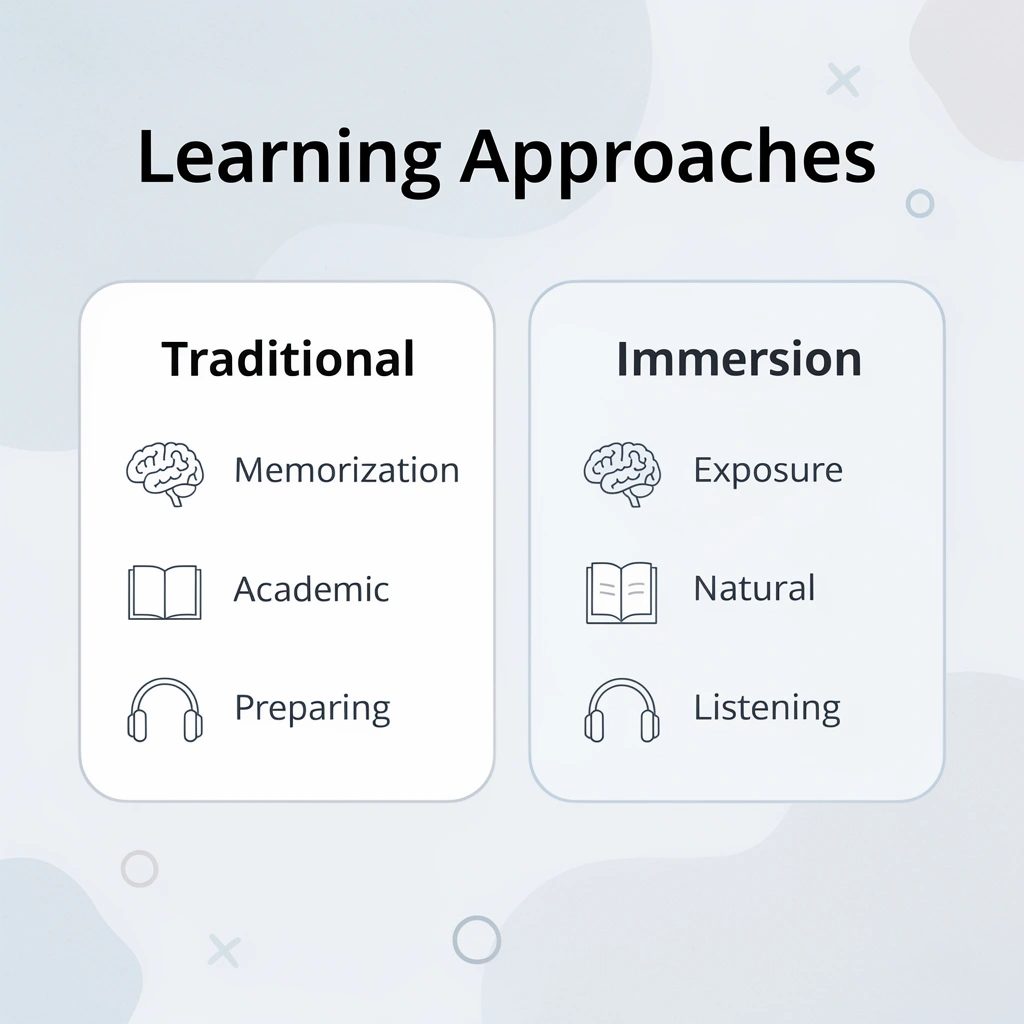
🔑 Takeaway: Fluency begins the moment you choose immersion over preparation. Start now, and let repetition do the work that memorization never could.
Related Reading
Duolingo Spanish Review
Babbel Spanish Review
Spanish Writing Practice
Pimsleur Spanish Review
Rosetta Stone Vs Pimsleur
Duolingo Alternatives
Best Spanish Shows On Netflix To Learn With
Apps Like Duolingo
Best Free App To Learn Spanish
Best App To Learn Spanish