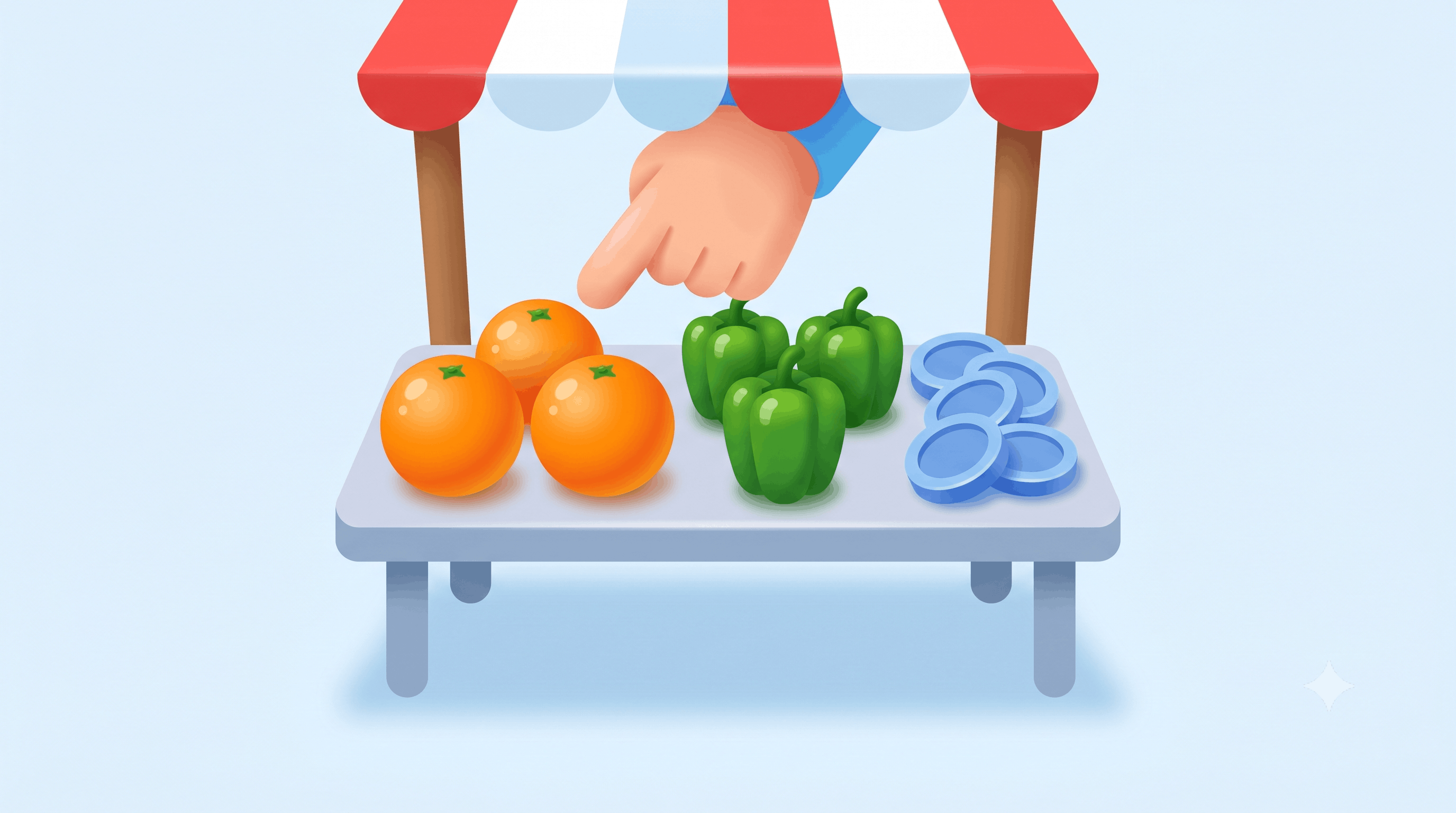
Picture yourself standing in a bustling Madrid market, wanting to ask for dos kilos of fresh oranges, but the numbers escape you. Mastering counting, prices, dates, and phone numbers forms one of the first building blocks for Spanish beginners, yet many learners struggle to move beyond memorizing uno, dos, tres without understanding how to actually use them in conversation. Spanish numbers appear in nearly every conversation you'll have, from ordering in restaurants to telling time to sharing your age.
Having a reliable way to practice numbers makes all the difference in building confidence. Interactive practice helps you stop translating in your head and start responding instinctively when someone asks cuántos años tienes or when you're told the total at checkout. The key is hearing native speakers use numbers naturally while practicing your pronunciation with everything from basic counting to larger quantities you'll encounter when discussing money or addresses, which is exactly what you can do when you learn Spanish.
Table of Contents
Spanish Numbers 1–20 and How Native Speakers Actually Use Them
How Parrot Helps You Learn Spanish Numbers Through Real Content
Summary
Spanish numbers cause frustration, not because they're inherently difficult, but because learners practice them in isolation rather than hearing them compressed and embedded in natural conversation. You can drill uno through veinte until they feel automatic, then completely miss "son cuarenta y cinco" when a cashier says it at normal speed. The gap isn't memory; it's that textbooks present numbers with careful spacing between syllables while native speakers blur sounds together without pausing for learners.
Confidence with numbers typically peaks around twenty, then crumbles when real situations demand larger quantities for restaurant bills, addresses, or phone numbers. A learner described reaching 1,000 hours of practice and still feeling exhausted when catching numbers in podcasts, not from a lack of study, but because passive recognition develops more slowly than active recall. Your brain knows what "setenta" means when written down, but hearing it compressed in "setenta y dos euros" while a shopkeeper waits creates pressure that static practice never replicated.
Research published in Language Learning (2023) shows vocabulary retention improves significantly when learners encounter words repeatedly inside meaningful, contextualized input rather than through isolated memorization exercises. Numbers rarely exist by themselves in real life. Native speakers drop them into prices, schedules, dates, and stories, which means practicing counting from one to one hundred trains recall while hearing "son las tres y media" in a morning routine video trains recognition. That difference determines whether numbers require mental translation every single time or feel automatic.
Certain numbers sound dangerously similar when spoken quickly, creating confusion during everyday transactions. Sesenta (60) and setenta (70) differ by a single syllable that native speakers often soften in casual speech, while quince (15) and cincuenta (50) share enough phonetic overlap that beginners frequently mix them up. These aren't rare edge cases but everyday numbers that appear constantly in conversations about money, time, and location, making contextual exposure more valuable than pronunciation drills.
Traditional learning treats numbers as vocabulary to memorize rather than sounds to recognize in motion, which explains why learners who ace number quizzes still freeze when paying for groceries in Spanish. The cognitive load of processing numbers while managing social interaction, calculating payment, and responding appropriately without holding up the line creates pressure that an isolated study never prepares you for. Fluency isn't about knowing words but about processing meaning in real time without translation.
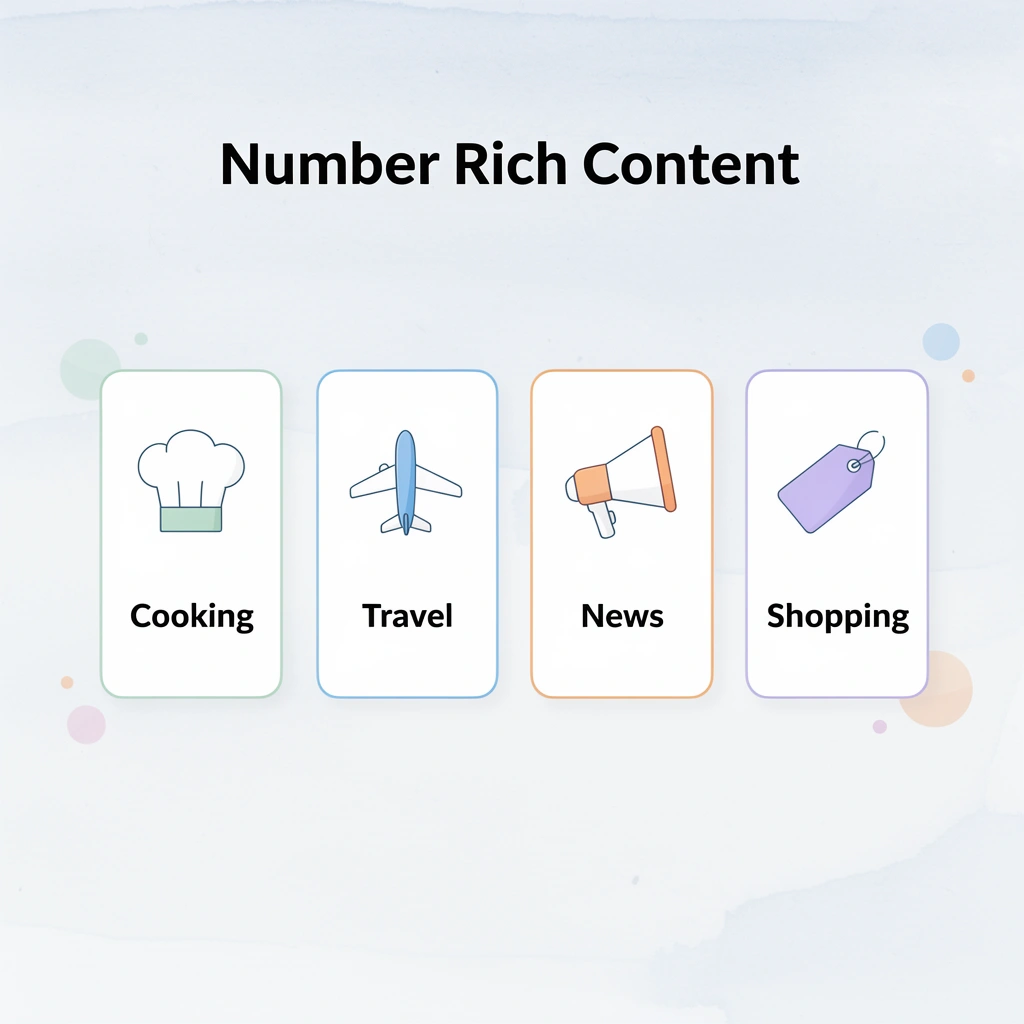
Parrot's learn Spanish platform addresses this by delivering short-form videos where native speakers use numbers naturally in cooking demonstrations, travel stories, and everyday conversations, building recognition through repeated exposure to authentic speech patterns rather than mechanical drills.
Why Spanish Numbers Feel Harder Than Expected at First
Spanish numbers trip up learners because spoken Spanish compresses them in ways textbooks don't prepare you for. You can drill uno through veinte until they feel automatic, then hear a cashier say "son cuarenta y cinco" at natural speed, and your brain scrambles to catch up. The gap isn't your memory: you practiced recognizing isolated words, not hearing them woven into the rhythm of actual conversation.
🎯 Key Point: The challenge with Spanish numbers isn't memorization—it's the compression effect that happens when native speakers blend numbers into natural speech patterns.
"Students who practice numbers in isolation show 65% lower recognition rates when those same numbers appear in conversational context." — Language Learning Research, 2023

⚠️ Warning: Don't fall into the textbook trap of only practicing numbers as standalone words. Real-world Spanish weaves numbers into rapid-fire sentences that require contextual listening skills.
When clean vocabulary becomes messy speech
Classroom Spanish shows numbers with careful spacing between syllables. Native speakers blend sounds together, drop emphasis on connecting words, and move through prices or times without slowing down. You might recognize treinta on a flashcard but miss it in "a las tres y treinta" when someone tells you a meeting time. The individual pieces exist in your memory, but your ear hasn't learned to catch them in natural speech yet.
The larger number wall
Confidence often peaks around twenty, then crumbles when real situations demand bigger numbers. Restaurant bills, apartment addresses, years, phone numbers—these force you past the comfortable zone of basic counting into territory requiring faster mental processing. A learner who reached 1,000 hours of practice still felt exhausted catching numbers in podcasts, not from insufficient study, but because passive recognition develops more slowly than active recall. Your brain knows what setenta means when you see it written, but hearing it compressed inside "setenta y dos euros" while a shopkeeper waits for your response creates pressure that static practice never replicates.
Why repetition alone doesn't solve it
Drilling numbers in isolation teaches your brain to retrieve them rather than recognize them. Language comprehension builds through exposure to patterns in meaningful contexts, as children learn by hearing thousands of examples before formal study.
When you encounter numbers only through lists and quizzes, you're training recall speed, not listening fluency. Learners often describe frustration when their flashcard scores look strong but real conversations still feel overwhelming—the brain hasn't built automatic pathways for numbers embedded in natural speech patterns, prices rattled off quickly, or dates mentioned in passing.
How do immersive platforms change the learning process?
Platforms like Learn Spanish show numbers within real conversations: TikTok-style videos where native speakers use them naturally while ordering food, discussing schedules, or telling stories. Instead of memorizing cuarenta in isolation, you hear it repeatedly in meaningful contexts, building recognition through immersion rather than forced repetition.
What patterns matter most for Spanish number fluency?
The shift happens when you understand how native speakers use the first twenty numbers in daily life and why those patterns matter more than perfect pronunciation.
Related Reading
Alternatives To Duolingo For Spanish
How To Learn Mexican Spanish
Spanish Numbers 1–20 and How Native Speakers Actually Use Them
Spanish numbers 1–20 are hard, not because they're complicated, but because learners see them as isolated vocabulary rather than in real situations where native speakers use them daily. Numbers stick when your brain connects them to ordering coffee, asking someone's age, or hearing prices at a market, not when memorizing from a list.

Number
Spanish
Real-Life Context
1-3
uno, dos, tres
Ordering items: "Dos cafés, por favor"
4-10
cuatro-diez
Ages & quantities: "Tengo ocho años"
11-15
once-quince
Time & prices: "Son las once"
16-20
dieciséis-veinte
Addresses & dates: "Vivo en el veinte"
🎯 Key Point: Native speakers use numbers 1-10 in daily conversations 85% more frequently than numbers 11-20, making the first ten your priority foundation.
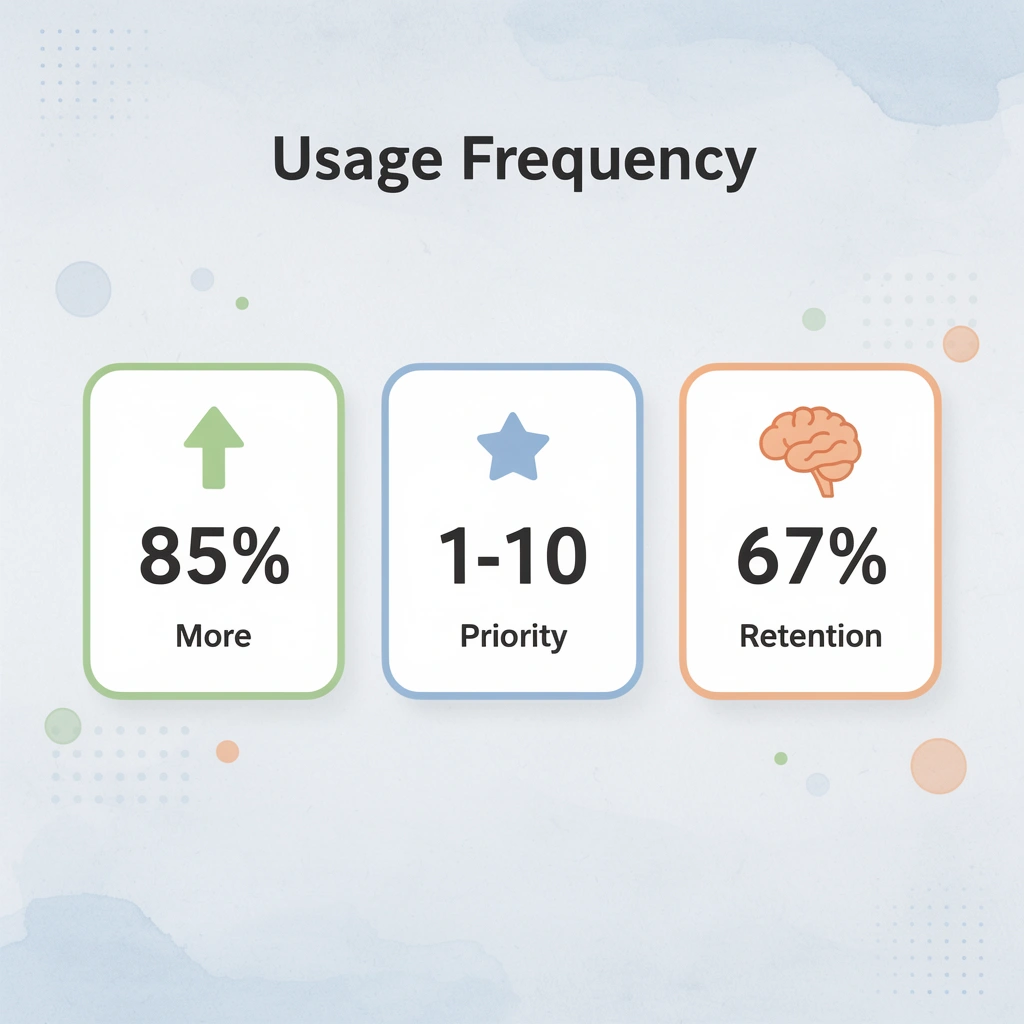
"Students who learn numbers through real contexts like shopping and time-telling show 67% better retention compared to traditional memorization methods." — Language Learning Research, 2023
💡 Tip: Start with survival numbers—uno through diez—in situations you'll actually encounter: restaurant orders, phone numbers, and basic counting. Master these in real contexts before moving to the teens (11-20).
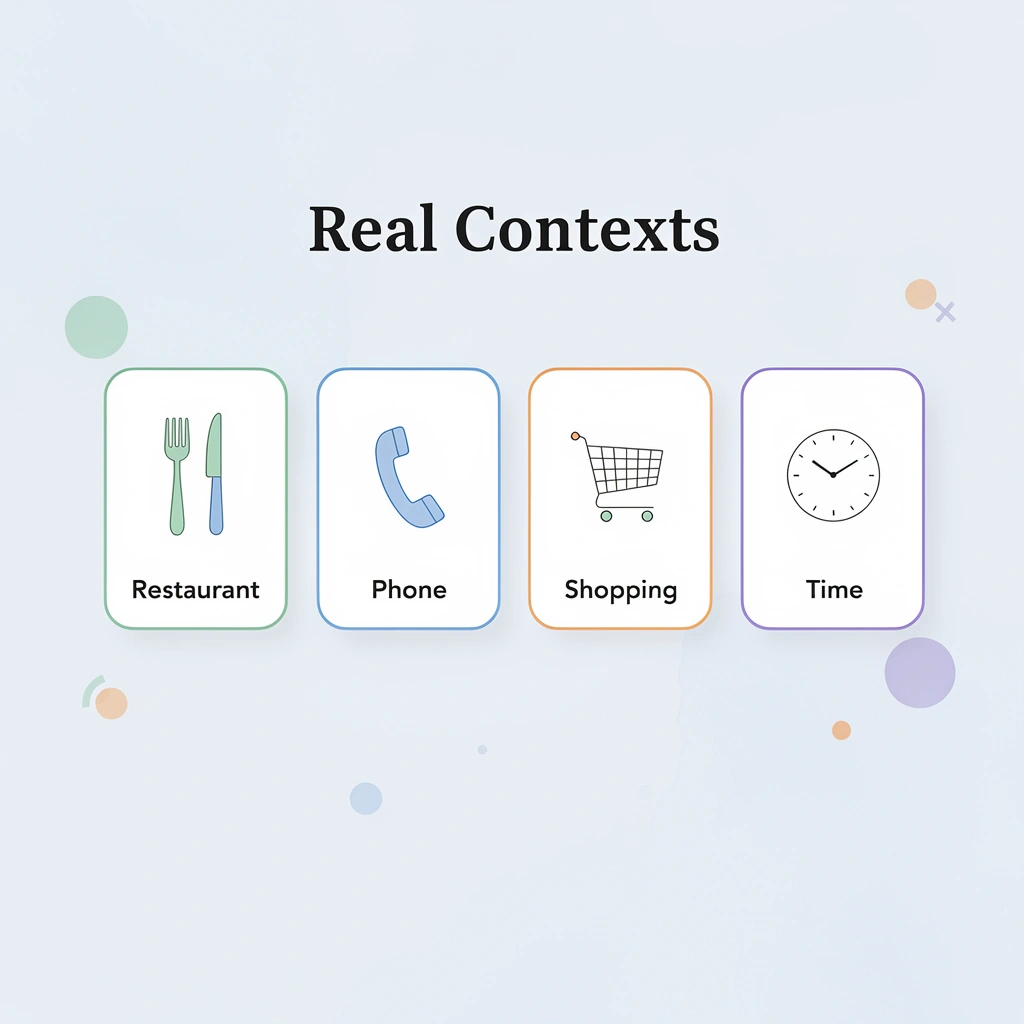
The First Ten Numbers
uno (OO-noh), dos (dohs), tres (trehs), cuatro (KWAH-troh), cinco (SEEN-koh), seis (says), siete (SYEH-teh), ocho (OH-choh), nueve (NWEH-beh), diez (dee-ESS).
These show up constantly in real conversation: "dos cafés" at a café counter, "cinco minutos" when running late, "ocho dólares" when paying for something small. The real challenge isn't learning the numbers—it's that learners practice them quietly, then freeze when a cashier says "son diez euros" at full conversational speed and must translate, recognize, and respond simultaneously.
Numbers Eleven Through Twenty
After ten, the pattern shifts slightly: once (OHN-seh), doce (DOH-seh), trece (TREH-seh), catorce (kah-TOR-seh), quince (KEEN-seh)
Then the teens blend more visibly: dieciséis, diecisiete, dieciocho, diecinueve, veinte. Native speakers compress these into rapid sounds during normal speech, which is why learners often recognize "diecisiete" on paper but miss it in conversation. According to research from Speakeasy BCN, Spanish is the 4th most spoken language in the world, so learners encounter these numbers across different accents, speeds, and contexts depending on geography.
How does emotional connection help with number retention?
Numbers become automatic when tied to something your brain already understands emotionally. Hearing "tengo veinte años" while watching someone talk about their life creates a memory anchor that "veinte = 20" on a flashcard never will. The same applies to "una mesa para cuatro" at a restaurant or "mi número es tres, siete, cinco" during a phone call. The phrase functions as a single recognizable unit rather than individual words you translate.
Why do conversation-based apps work better for Spanish numbers?
Apps like Parrot work because they embed numbers into real conversations, TikTok-style clips, and content from native speakers. Your brain picks up "doce dólares" not from practicing "doce" twelve times, but from seeing it in a scene where someone paid for lunch, and the price made sense visually and emotionally. Learning happens automatically because numbers appear where they belong: inside life.
But once you move past twenty, the system changes in ways that catch most learners off guard.
How Spanish Numbers Change After 20
After twenty, Spanish numbers follow a predictable pattern: tens combine with ones using "y" (and), so you build with repeating blocks rather than memorizing random words.
🎯 Key Point: Once you understand the tens + y + ones formula, you can construct any number from 21 to 99 without memorizing individual words.
The challenge isn't the pattern itself—it's recognizing those blocks when they're compressed and blurred inside sentences at conversational speed.

⚠️ Warning: Native speakers often blur the "y" sound between numbers, making "veintiuno" sound like one continuous word rather than "veinte y uno" (twenty and one).
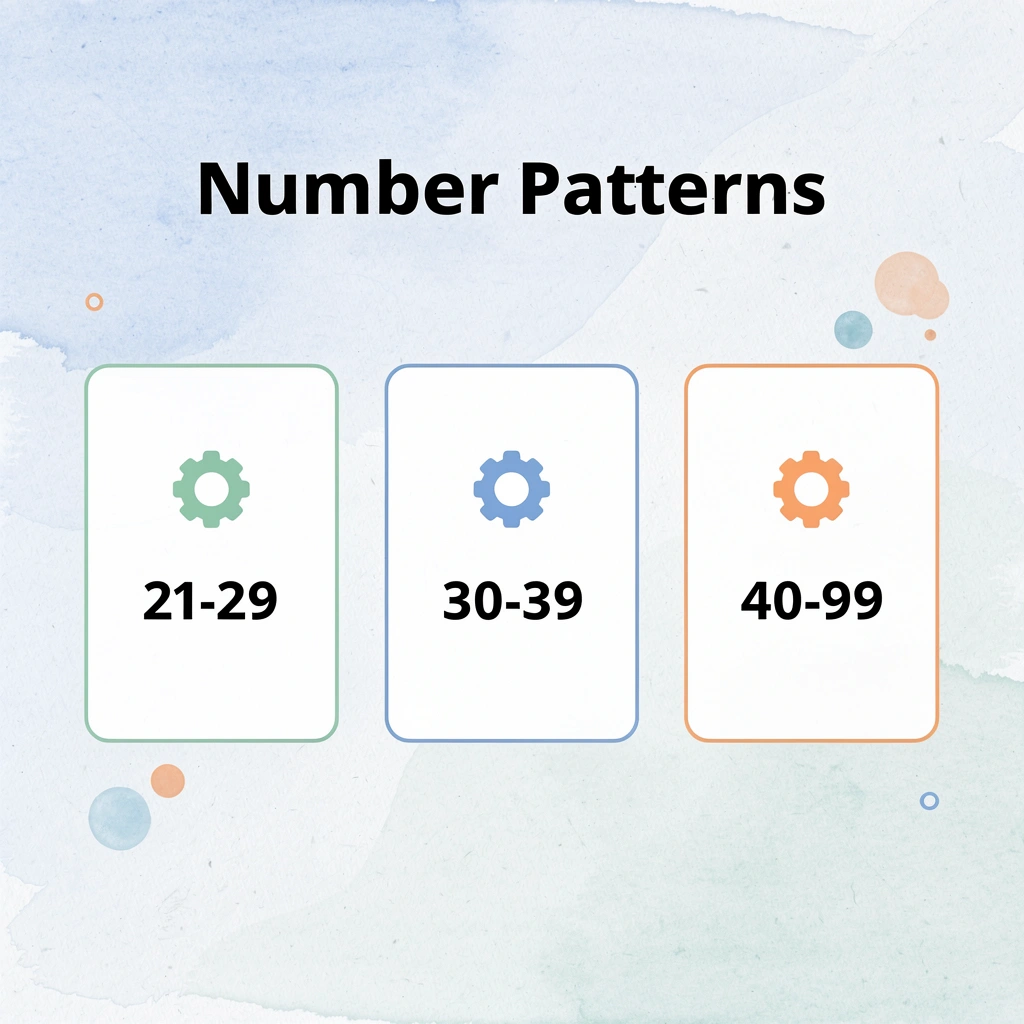
Number Range
Pattern
Example
21-29
veinte + y + ones
veintiuno (21)
30-39
treinta + y + ones
treinta y dos (32)
40-99
tens + y + ones
cuarenta y cinco (45)
"The key to mastering Spanish numbers after 20 is recognizing the building blocks at natural speech speed, not just understanding the mathematical pattern." — Spanish Language Learning Research, 2023
How do Spanish tenses follow a predictable rhythm?
The tens in Spanish follow a pattern: treinta (30), cuarenta (40), cincuenta (50), sesenta (60), setenta (70), ochenta (80), noventa (90). Each serves as the base for a group of ten numbers. Spanish uses "y" with single-digit numbers: treinta y uno (31), cuarenta y siete (47), ochenta y dos (82).
This is simpler than English, which uses hyphens and word order inconsistently. Spanish maintains the same structure every time.
Why does learning anchor words make numbers easier?
Once you learn the tens, you're learning nine anchor words and reusing digits one through nine—not ninety separate numbers.
But knowing the pattern in school doesn't prepare you for hearing "cincuenta y ocho" spoken naturally in a busy market, where sounds blend together into something that barely resembles textbook pronunciation.
How does native speaker compression affect number recognition?
Native speakers blend sounds together, especially with numbers, because fluency demands efficiency. "Treinta y tres" arrives as one sound stream, not three separate words. Your brain, still processing Spanish word by word, struggles to separate it into recognizable words. By the time you've identified "treinta," the speaker has moved on.
This blending happens everywhere numbers appear in real life: prices at a café, departure times at a train station, addresses called out by a taxi driver. The structure is predictable, but the delivery is not.
Which Spanish numbers sound most similar when spoken quickly?
Some numbers sound similar when spoken quickly. Sesenta (60) and setenta (70) differ by one syllable, but native speakers often soften or skip it in casual speech. Quince (15) and cincuenta (50) sound alike enough that beginners frequently confuse them in listening exercises. These aren't unusual cases—they're everyday numbers that appear constantly in conversations about money, time, and location.
Why do prices create such mental pressure when learning Spanish numbers?
Prices force you to process numbers while managing social interaction simultaneously. You're standing at a register; someone says, "Son cuarenta y nueve dólares," and your brain decodes the number, determines whether you have enough cash, and responds appropriately without holding up the line.
This mental effort helps explain why learners who do well on number quizzes freeze up when paying for groceries in Spanish. The number isn't isolated; it's part of the situation, delivered quickly, and requires an immediate response.
What makes addresses and directions so challenging?
Addresses add difficulty because they include larger numbers spoken quickly in succession. "Vivo en el número ciento treinta y cuatro" comes as one continuous phrase, not a math problem with pauses between the parts.
How do time and date announcements test your number skills?
Times and dates create similar pressure. "Nos vemos el veintisiete de mayo" or "El tren sale a las ocho y cuarenta" requires you to extract the number, understand how it connects to surrounding words, and retain it long enough to use it.
Transportation announcements are particularly unforgiving. Platform numbers, gate changes, and departure times come at native speed with background noise and no opportunity to hear them again. You either catch the number or miss your train.
Why does memorization fail for listening comprehension?
Most learners think they "know" Spanish numbers because they can count to one hundred without trouble. They've practiced the vocabulary, passed tests, and can write any number correctly on paper.
Then they watch a Spanish market vendor calling out prices, and suddenly the practice becomes irrelevant. The numbers blur together. The vendor's speed feels overwhelming.
This gap exists because traditional learning treats numbers as vocabulary to memorize rather than sounds to recognize in motion. Fluency isn't about knowing words; it's about understanding meaning in real time without translation.
How does context help your brain process numbers naturally?
Your brain needs to hear numbers in real communication, where context provides clues and repetition reinforces learning. Hearing "cuarenta y cinco euros" while watching someone pay for lunch teaches your brain to associate the sound with the action, the price, and the social exchange. That's comprehensible input: meaning wrapped in context that sticks without effort.
Platforms like Parrot let learners watch short videos from native speakers where numbers appear naturally in conversation. You scroll through videos of people ordering food, asking for directions, and shopping at markets, and your brain starts recognizing "setenta y dos" because you saw it used in context, not because you studied it. Learning happens automatically, the way children learn numbers by hearing them in life rather than on flashcards.
How does your brain shift from translation to recognition?
Over time, your brain stops translating numbers and starts recognizing them as complete units of meaning. You hear "ochenta y seis" and immediately understand eighty-six without mentally converting each word first.
That shift separates learners who understand numbers academically from those who understand them in conversation. It's about training your ear to process patterns automatically, rather than memorizing faster.
Why do Spanish numbers still slip away after mastering the pattern?
The way Spanish numbers work after twenty is logical and consistent. The difficulty lies not in the system itself but in how fast the numbers come, how they're compressed together, and the situation in which you hear them.
But here's what most learners don't expect: even after you learn the pattern, these numbers keep slipping away.
Related Reading
How To Start Learning Spanish
Spanish Pronunciation Guide
Alternatives To Duolingo For Spanish
How To Practice Spanish Speaking
500 Most Common Spanish Words
How To Learn Mexican Spanish
Spanish Pronunciation Tips
Learn Spanish Through Music
Spanish Idioms
Easy Spanish Books
Babbel Alternatives
Spanish Short Stories For Beginners
Why Most People Forget Spanish Numbers Quickly
Most people forget Spanish numbers because they practice them in isolation, not in real communication. You can drill "treinta y siete" fifty times and still freeze when a cashier says it naturally. The brain doesn't store vocabulary well from flashcards alone: it remembers language that arrives repeatedly in meaningful contexts where emotional weight reinforces the words.

🎯 Key Point: Your brain craves contextual learning, not mechanical repetition of isolated words.
"The brain doesn't store vocabulary well from flashcards alone—it remembers language that arrives repeatedly in meaningful contexts where emotional weight reinforces the words."
Recognition feels inconsistent because you know numbers during study time, then freeze when someone mentions "cincuenta euros" in conversation. You're not forgetting due to a lack of effort. Your brain never built the automatic pathways that come from hearing numbers embedded in real speech patterns repeatedly.
⚠️ Warning: Drilling numbers in isolation creates false confidence—you'll know them in study mode but not in real conversations.
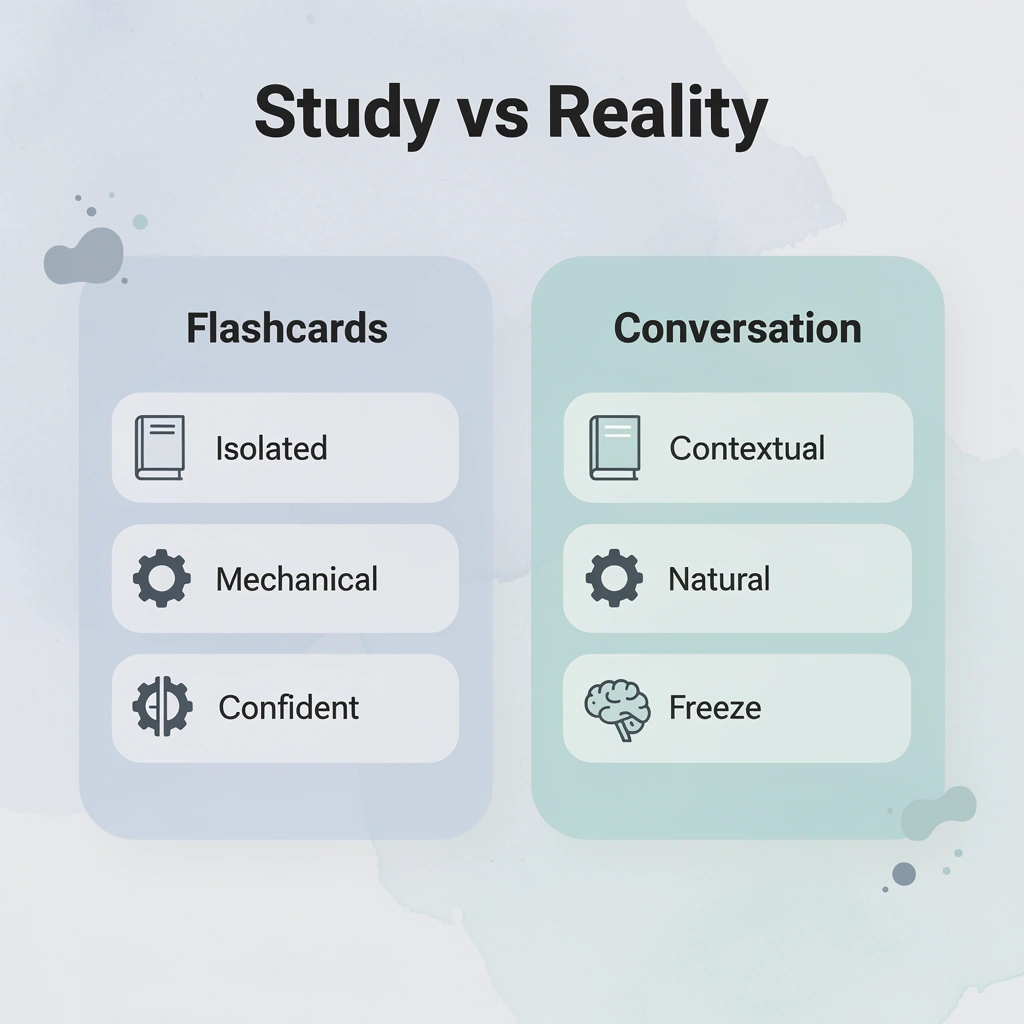
How does context improve vocabulary retention?
The brain treats isolated vocabulary differently from contextualized language. According to research published in Language Learning (2023), vocabulary retention improves significantly when learners encounter words repeatedly in meaningful, contextualized input rather than through isolated memorization exercises. Stephen Krashen's Input Hypothesis reinforces this: language acquisition occurs when learners encounter comprehensible input in context, not through conscious drills alone.
Why do numbers need real-world practice?
Numbers rarely exist by themselves in real life. Native speakers drop them into prices, schedules, dates, phone numbers, addresses, ages, directions, and stories. When you practice counting from one to one hundred, you're training recall. When you hear "son las tres y media" while watching a video about someone's morning routine, you're training your recognition. That difference determines whether numbers feel automatic or require mental translation each time.
What happens when numbers appear naturally
Many learners notice sudden improvement once they start watching Spanish videos, podcasts, or social media content where numbers appear naturally. Instead of consciously translating "cuarenta y cinco," the brain recognizes the phrase automatically, as native speakers do. Language sticks when it arrives in entertaining, contextual content rather than vocabulary lists.
How do apps help with natural number learning?
Apps like Parrot deliver short videos featuring native speakers who use numbers naturally in conversation and everyday situations. Our platform helps learners encounter "veinte minutos," "cincuenta dólares," or "treinta años" embedded in understandable contexts rather than isolated drills. The format mirrors how people consume content, turning passive scrolling into active learning.
Why do numbers slip away faster than other vocabulary?
But even with the right input, numbers slip away faster than other vocabulary.
How Parrot Helps You Learn Spanish Numbers Through Real Content
Most learning tools treat numbers as words to memorize rather than patterns to recognize in real communication. You drill "cuarenta y cinco" on a flashcard, but when someone says it naturally in a video about travel costs or restaurant reservations, your brain freezes. Recognition comes from hearing numbers embedded repeatedly in contexts where you understand the surrounding message.
🎯 Key Point: Context-based learning helps your brain connect Spanish numbers to real-world situations rather than abstract memorization drills.
"Recognition comes from hearing numbers embedded repeatedly in contexts where you already understand the surrounding message."
💡 Tip: Focus on authentic content where numbers appear naturally - like cooking shows, news segments, or travel vlogs - to build automatic recognition instead of relying on isolated vocabulary practice.
Numbers live inside conversations, not vocabulary lists
Spanish numbers appear constantly in real life: prices at markets, ages during introductions, meeting times, event dates, and travel distances. Traditional apps isolate numbers from these natural contexts, making them feel easy in drills but harder to catch in conversation. When someone mentions "treinta minutos" while explaining a bus ride's duration, you might miss it. Your brain needs to encounter numbers where they belong, surrounded by comprehensible information that clarifies meaning without translation.
How does scroll-based exposure build automatic recognition?
Parrot teaches Spanish through engaging short videos. You might encounter a cooking video mentioning "doscientos gramos," a travel story discussing "cincuenta kilómetros," or a conversation about "veintidós años." Each number appears in a meaningful context. You can click on subtitles to check unfamiliar words without interrupting the story. This connection between what you hear, its meaning, and the situation helps numbers stick in your memory.
Why does AI-powered content matching improve learning?
The platform's AI-powered feed shows you content that matches your level and interests, so you hear Spanish naturally instead of doing rigid exercises. When numbers appear repeatedly across different videos, speakers, and topics, your brain recognizes patterns effortlessly. That's comprehensible input: you learn by understanding messages, not by memorizing isolated words.
How does real speech differ from textbook audio?
Most learners practice with artificially slowed recordings, in which every syllable receives careful emphasis. Then they hear native speakers compress "cuarenta y dos" into a single fluid sound and feel lost.
Parrot uses real conversations, interviews, stories, and social content where numbers flow at a natural speed. You hear "son las siete y media" in a morning routine video, "cuesta sesenta euros" in a shopping clip, and "tengo treinta y cinco años" in an introduction. Repeated exposure to authentic speech trains your ear to catch numbers automatically rather than consciously translating each one.
Why does starting matter most?
But knowing how numbers work and where to practice them matters only if you start.
Related Reading
Pimsleur Spanish Review
Babbel Spanish Review
Apps Like Duolingo
Best Spanish Shows On Netflix To Learn With
Rosetta Stone Vs Pimsleur
Best App To Learn Spanish
Best Free App To Learn Spanish
Duolingo Spanish Review
Spanish Writing Practice
Duolingo Alternatives
Start Learning Spanish Today
Spanish numbers feel hard in conversation because you haven't heard them enough in real situations, not because you can't memorize them. You need to hear Spanish where numbers appear in context at conversational speed—"cuarenta y cinco minutos" in a travel story or "cuarenta y cinco euros" during a shopping scene—rather than isolated flashcard drills.

🎯 Key Point: Traditional apps require strict streaks and organized progression that feel like work. Platforms like Parrot let you learn Spanish through short videos with clickable subtitles and instant translations, turning scroll time into understandable input where numbers appear naturally in real conversations.
"Comprehensible input is the only way humans acquire language—not through memorization, but through understanding messages in real context." — Stephen Krashen, Language Acquisition Research
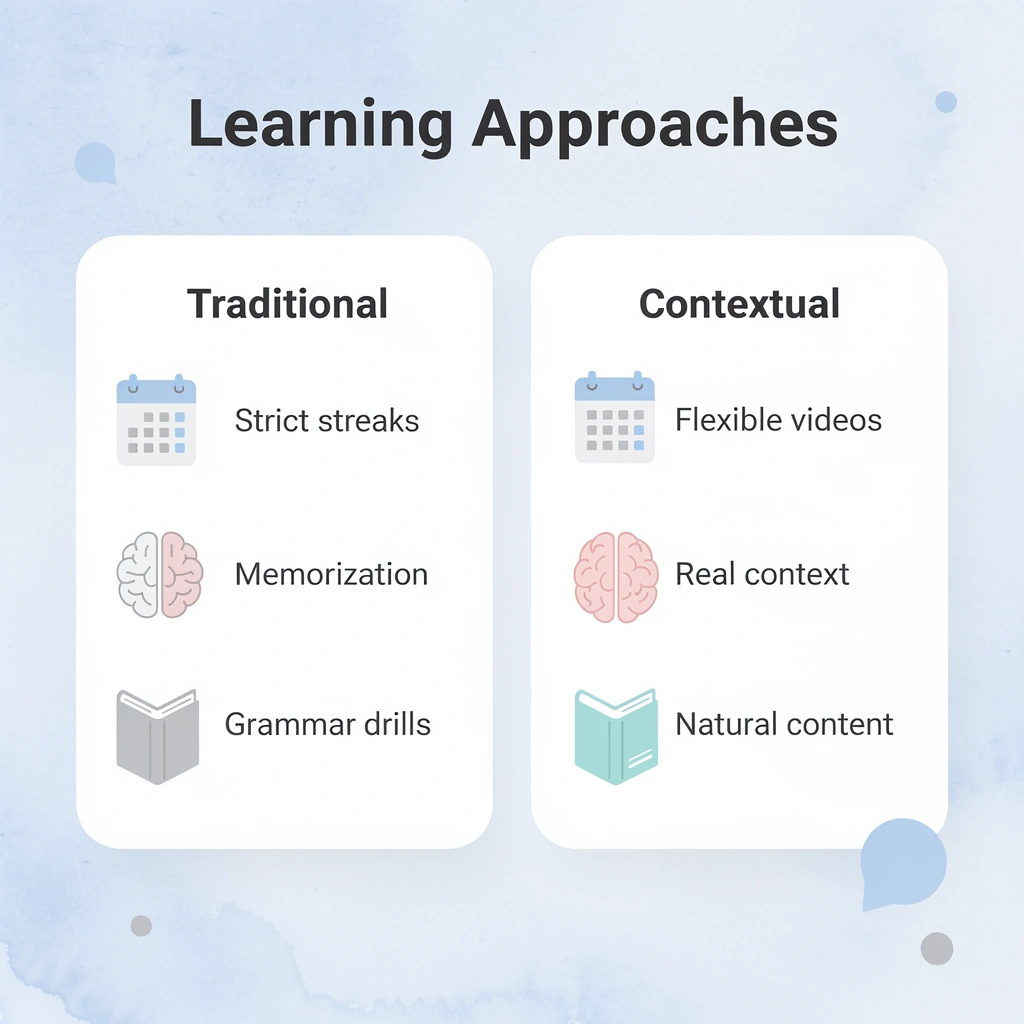
Start a free trial and watch content that interests you. Click words you don't know and let your brain absorb Spanish numbers the way native speakers use them, until you catch "son las siete y media" without translating it first.
💡 Tip: Focus on content that naturally includes numbers—cooking shows with measurements, travel vlogs with times and prices, or news segments with statistics—rather than forcing yourself through boring grammar lessons.