Mexican Spanish carries its own distinct rhythm, slang, and expressions that differ significantly from the Spanish spoken in Spain or Argentina. Learning these unique characteristics from the start helps beginners avoid sounding robotic or out of place in real conversations with native Mexican speakers. Understanding authentic pronunciation, everyday vocabulary, and cultural context makes interactions feel natural rather than textbook-driven.
Success requires exposure to genuine Mexican accents, common daily phrases, and casual speech patterns rather than formal Castilian Spanish lessons. Focused practice with authentic materials trains both ear and mouth to sound like someone who learned Spanish in Mexico City or Guadalajara, not from grammar books alone. Tools designed for practical use help beginners absorb these essential elements and learn Spanish as it's actually spoken.
Table of Contents
Why Many Learners Struggle With Mexican Spanish
What Makes Mexican Spanish Different From Textbook Spanish?
Why Traditional Language Learning Often Falls Short
How Native Speakers Actually Learn Language
What the Most Successful Mexican Spanish Learners Do Differently
How Parrot Helps You Learn Mexican Spanish Through Content You Actually Enjoy
Start Learning Spanish Today
Summary
Most learners approach Spanish as a subject to master rather than as a living language to absorb, which explains why months of study often fail to prepare you for conversations at a natural pace. When words blend together, and sounds disappear mid-sentence, the rhythm follows patterns textbooks never mentioned. Spanish now has 635 million total speakers worldwide, and the vast majority speak with regional variations and informal shortcuts that formal learning materials rarely capture.
Traditional vocabulary memorization fails because learners forget 80% of what they learn within 24 hours when information isn't reinforced through repeated, contextual exposure. Words learned in isolation fade quickly, while words encountered dozens of times across different conversations, stories, and situations become part of active vocabulary. The method itself creates the limitation, not a lack of effort.
Children acquire their native language between ages 5 and 7 through natural immersion and interaction, without textbooks or conjugation tables. They absorb language by hearing it repeatedly in contexts where meaning becomes clear through gestures, tone, and situation. Understanding develops first, and speaking follows later because comprehension creates the mental framework that makes speaking possible.
Pattern recognition through repetition drives language acquisition more effectively than grammar rules. A child hears "voy a comer," "voy a jugar," and "voy a dormir" dozens of times before understanding that "voy a" signals future action. The pattern becomes automatic because they've encountered it in meaningful moments, which is why isolated vocabulary lists fail to create lasting retention.
Consistency beats intensity in language acquisition because frequent exposure keeps the language active in your mind. Someone who watches ten minutes of engaging Mexican content three times throughout their day often progresses faster than someone who forces themselves through an hour-long lesson once a week. Small amounts of daily exposure produce better long-term results than occasional marathon study sessions because language acquisition is cumulative.
Over 684,866 learners have shifted away from traditional study methods toward content-driven approaches that prioritize authentic exposure over structured lessons. People who enjoy what they're watching return more frequently, accumulate more listening hours, and develop comprehension faster than those grinding through obligation-based lessons. Parrot's Learn Spanish addresses this by delivering short-form video content featuring native Mexican speakers in real situations, fitting into the spaces you already scroll throughout your day.
Why Many Learners Struggle With Mexican Spanish
You've studied Spanish for months, know your conjugations, and can ace language app exercises. Then a Mexican friend speaks at normal speed, and you understand almost nothing. This gap reveals a fundamental problem: most learners prepare for Spanish as a subject to master rather than a living language to learn and use.

🎯 Key Point: The disconnect between classroom Spanish and real-world Mexican Spanish creates a frustrating barrier, leaving even dedicated students feeling lost in real conversations.
"Mexican Spanish presents unique challenges with its rapid pace, regional expressions, and cultural context that traditional learning methods often fail to address." — Language Learning Research, 2023
⚠️ Warning: Focusing only on textbook Spanish without exposure to authentic Mexican dialects and conversational patterns will leave you unprepared for real interactions with native speakers.
The Comprehension Gap Nobody Warns You About
Textbook audio is made for learners. Native conversations are made for communication. You hear words spoken clearly at a steady pace, with pauses for thought. Real Mexican Spanish doesn't work that way. Words blend together ("para el" becomes "pa'l"), sounds disappear mid-sentence, and the rhythm follows patterns your textbook never taught you. According to Language Magazine, Spanish has 635 million total speakers worldwide, and most speak with regional differences, informal shortcuts, and natural speed that formal learning materials rarely capture. Your brain hasn't trained for that reality.
Regional Vocabulary Creates Invisible Walls
The Spanish you studied probably taught you "autobús" for bus, "ordenador" for computer, and "zumo" for juice. In Mexico, people say "camión," "computadora," and "jugo." These aren't advanced vocabulary words you'll learn later—they're everyday terms used in basic conversations, street signs, and casual interactions. When your foundation relies on vocabulary Mexicans don't use, you're learning a textbook version of Spanish. The disconnect becomes clear when you ask for directions, order food, or understand conversations between friends.
Why is slang essential for Mexican Spanish fluency?
Grammar lessons teach you how sentences should be built. Native speakers show how sentences actually sound in everyday life. Mexican Spanish is filled with expressions like "¿Qué onda?" (What's up?), "No manches" (No way), and "Está padre" (That's cool) carry meaning far beyond their literal translations.
These phrases appear constantly in real conversations, on social media, in videos, and in casual interactions. If your learning method focuses only on formal sentence building, you're developing fluency in a version of Spanish that native speakers use for job interviews and official documents.
How can you get authentic exposure to informal speech?
Most language learners try to solve this problem by studying harder or drilling more grammar. But the issue isn't effort—it's exposure. Solutions like the Parrot approach Mexican Spanish differently, using short-form video content that mirrors how native speakers actually communicate.
You absorb authentic expressions, natural pronunciation, and real conversational patterns through comprehensible input instead of memorization exercises.
What makes real fluency different from textbook knowledge?
Understanding Mexican Spanish means recognizing how words sound when spoken quickly, how they shift in casual conversation, and how native speakers use them to express ideas that don't translate neatly into textbook definitions.
That kind of fluency comes from spending time inside the language, not studying it. But understanding what specifically makes Mexican Spanish different matters if you want to know why you're struggling.
Related Reading
Alternatives To Duolingo For Spanish
How To Learn Mexican Spanish
What Makes Mexican Spanish Different From Textbook Spanish?
Mexican Spanish differs from textbook Spanish in vocabulary, rhythm, and cultural conventions rather than grammar. Over 130 million speakers have created a linguistic ecosystem with distinct patterns and expressions that textbooks rarely capture, according to Lingvist Blog.

"Over 130 million speakers have created a linguistic ecosystem with distinct patterns and expressions that textbooks rarely capture." — Lingvist Blog
🔑 Key Takeaway: The differences between Mexican Spanish and textbook Spanish aren't about grammatical rules — they're about real-world usage that comes from 130 million people creating their own linguistic identity.

💡 Learning Tip: Focus on vocabulary differences and cultural expressions rather than worrying about grammar variations when transitioning from textbook Spanish to Mexican Spanish.
The Formality Gap
Textbooks focus on grammar correct across all Spanish-speaking regions, but these phrases sound stiff in everyday Mexican conversations. A learner might ask "¿Cómo está usted?" when a native speaker would say "¿Qué tal?" The textbook version is correct but creates unnecessary social distance. Native speakers naturally choose warmth and directness over formality in casual settings, while learners trained on standard Spanish default to the more rigid option.
What makes Mexican Spanish vocabulary context-dependent?
Mexican Spanish relies heavily on context-dependent words that shift meaning based on situation and tone. The word "ahorita" technically means "right now," but can also mean "in a little while," "maybe later," or "probably not." A learner hearing "Lo hago ahorita" might expect immediate action, while a native speaker understands the timeline depends on context, relationship, and the speaker's tone. This flexibility makes conversations efficient for native speakers but confusing for learners who expect words to mean exactly what the dictionary says.
How do expressions like órale change meaning in different situations?
The same pattern shows up with words like "órale." It can express agreement ("Órale, vamos" = "Alright, let's go"), surprise ("¡Órale!" = "Wow!"), or urgency ("Órale, apúrate" = "Come on, hurry up"). Textbooks cannot teach this flexibility because it requires cultural immersion, not memorization.
How Speech Actually Flows
Native speakers compress and blend sounds in ways formal instruction rarely addresses. "Para el" becomes "pa'l,"; "está bien" shortens to "'tá bien." These aren't mistakes—they're how people talk. A student expecting clearly enunciated words will struggle to recognize these compressed forms, even when knowing the underlying vocabulary.
Most language apps address this through drills and repetition. But fluency comes from exposure to authentic speech patterns in context. Platforms like Parrot deliver short-form video content featuring real Mexican Spanish as it's spoken, letting learners absorb natural rhythm and compression through comprehensible input rather than artificial lesson structures.
Cultural Assumptions Embedded in Language
Many Mexican expressions only make sense if you understand the social context behind them. Saying "provecho" when someone is eating, using "mande" instead of "¿qué?" when you didn't hear something, or distinguishing between "no manches," expressing disbelief, and playful teasing are cultural scripts that native speakers learn from childhood. A learner can memorize the words but still miss the social cues that determine when and how to use them correctly.
Recognizing these differences reveals why traditional learning methods fail to bridge this gap.
Why Traditional Language Learning Often Falls Short
The formula has remained unchanged for decades: vocabulary lists, grammar drills, translation exercises, and tests. These methods feel productive because they're organized and measurable. Yet they don't prepare you for the moment a native speaker asks you a question at natural speed, and your mind goes blank despite years of study.
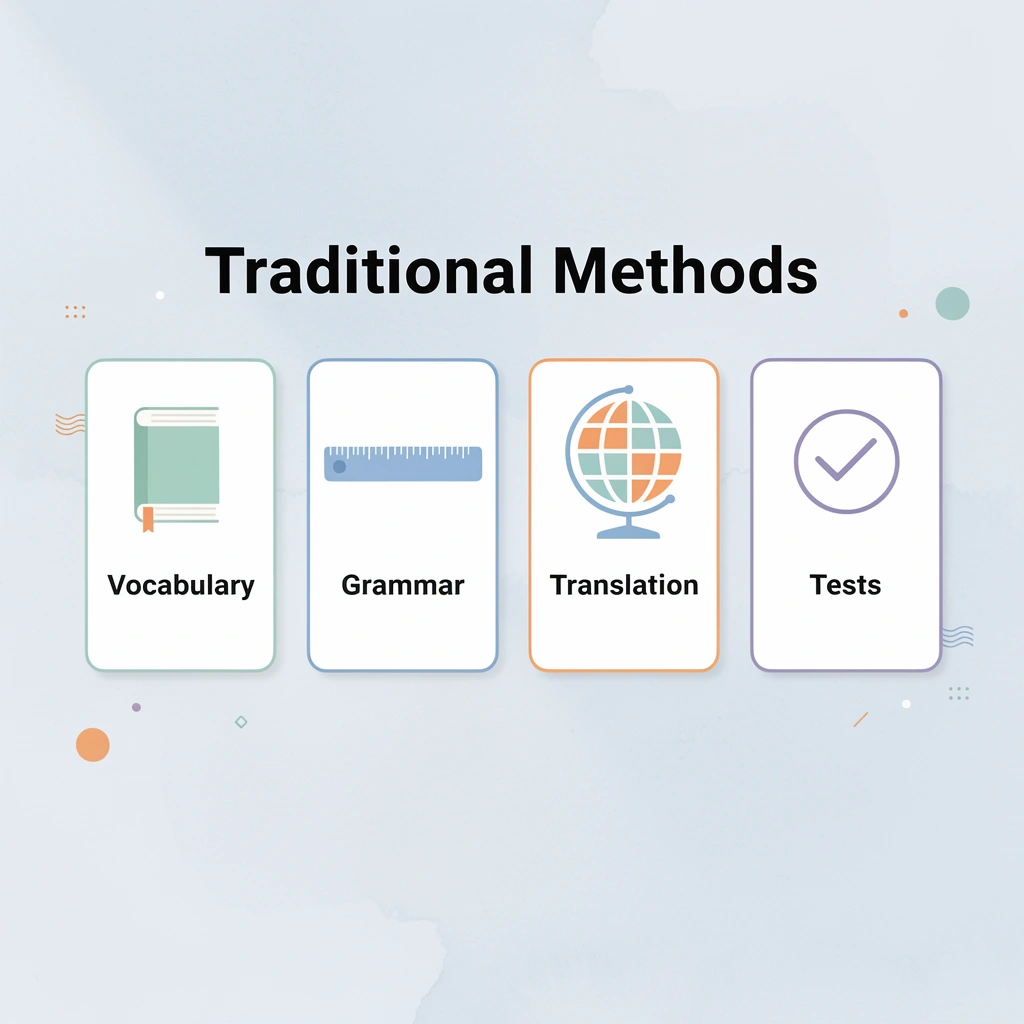
🎯 Key Point: Traditional methods create a false sense of progress by focusing on measurable activities rather than real-world communication skills.
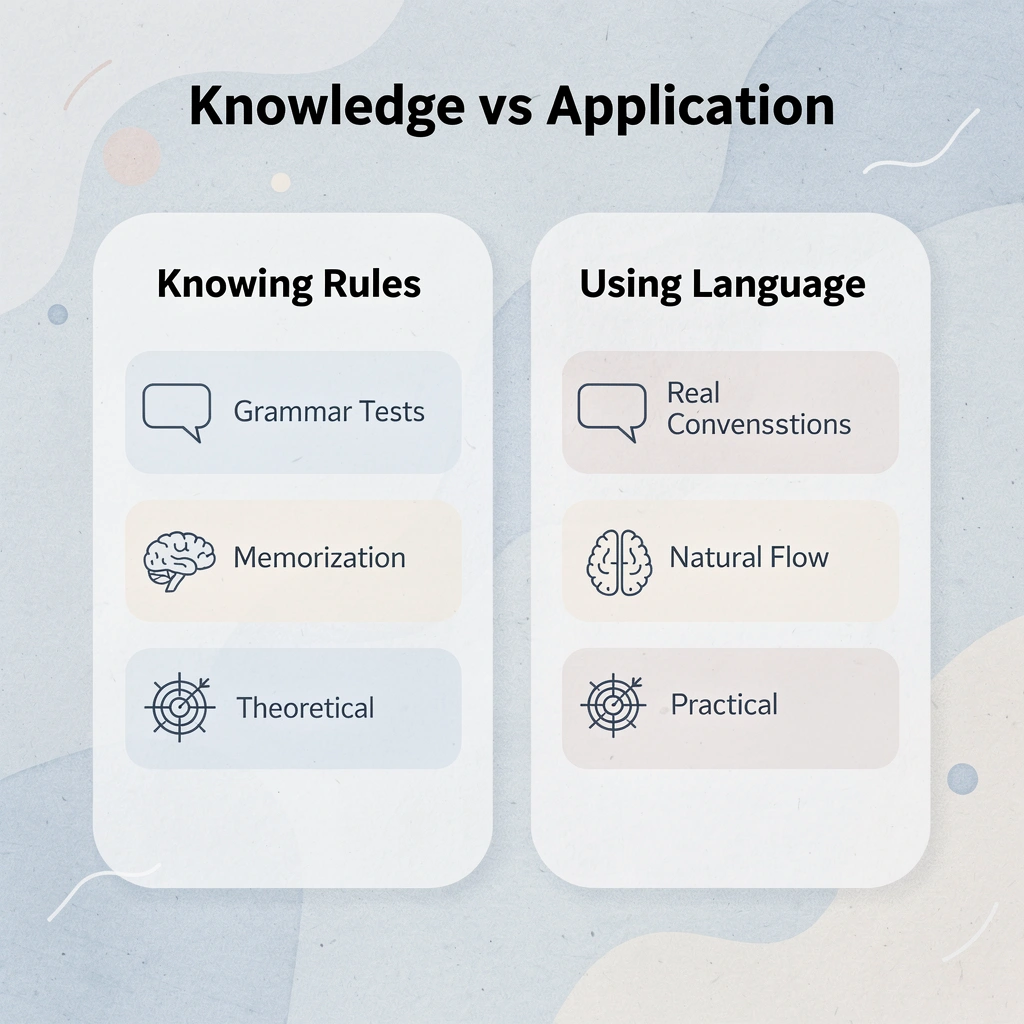
The problem isn't that grammar or vocabulary is useless. Most traditional approaches teach you about Spanish rather than helping you get Spanish. There's a crucial difference between knowing a rule and processing it automatically during conversation.

"Most language learners can pass grammar tests but struggle with basic conversations because traditional methods don't bridge the gap between theoretical knowledge and practical application." — Language Learning Research, 2023
⚠️ Warning: If you can only speak Spanish when you have time to think about grammar rules, you're not truly conversational yet.
The Memorization Trap
Learning vocabulary through flashcards and word lists is common, but research shows words learned in isolation fade quickly. Studies on memory retention indicate learners forget 80% of what they learn within 24 hours without contextual reinforcement. This reflects a limitation of the method itself, not a failure of effort.
Encountering a word across different conversations, stories, and situations makes it part of your active vocabulary. Memorizing it from a list means you recognize it under ideal conditions but struggle to recall it when needed.
The Grammar Knowledge Gap
Grammar instruction creates a disconnect: explaining the subjunctive mood perfectly differs from recognizing it instantly in natural conversation. Real conversations don't pause for conjugation tables or the application of mental rules.
Translation exercises reinforce this gap. Native speakers process meaning directly in Spanish; learners who rely on translation find that authentic conversations move too fast for constant mental conversion. By the time you've translated what someone said, they've already moved on.
The Exposure Problem
The same pattern occurs with millions of learners: they learn Spanish but feel uncomfortable speaking with others. Traditional methods provide limited exposure to how native speakers actually talk. You hear carefully scripted recordings at slow speeds, but spend little time listening to natural speech patterns, informal expressions, regional vocabulary, or conversation at normal speed.
What does research say about language acquisition?
According to research based on the Natural Approach developed by Stephen Krashen and Tracy Terrell, language learning happens primarily through understanding messages rather than studying grammar rules. Learners acquire language when they comprehend what they hear and read, not when they memorize rules.
How do successful learners approach Spanish differently?
Learners who make real progress treat Spanish as a language to experience rather than a subject to memorize. They spend more time listening, reading, and engaging with content they can mostly understand. Through repeated exposure, vocabulary, grammar, pronunciation, and common expressions become intuitive because they're encountered in meaningful contexts rather than isolated exercises.
Apps like Parrot apply this principle by delivering short-form video content designed for comprehensible input, allowing you to scroll through authentic Mexican Spanish alongside your other daily content consumption.
But understanding why traditional methods fall short raises another question: if memorization and grammar drills aren't how fluency develops, then how do people acquire language naturally?
Related Reading
How To Start Learning Spanish
Spanish Pronunciation Guide
Alternatives To Duolingo For Spanish
How To Practice Spanish Speaking
500 Most Common Spanish Words
How To Learn Mexican Spanish
Spanish Pronunciation Tips
Learn Spanish Through Music
Spanish Idioms
Easy Spanish Books
Babbel Alternatives
Spanish Short Stories For Beginners
How Native Speakers Actually Learn Language
According to Kent State University's Department of Modern & Classical Language Studies, children learn their native language by age 5-7 through natural immersion and interaction. They acquire language by hearing it repeatedly in contexts where meaning becomes clear through gestures, facial expressions, tone, and environmental cues. Understanding develops first, and speaking comes later.
"Children learn their native language by age 5-7 through natural immersion and interaction, with understanding developing first and speaking coming later." — Kent State University Department of Modern & Classical Language Studies

🔑 Key Takeaway: The natural language acquisition process prioritizes comprehension over production, suggesting that input-heavy methods may be more effective than traditional speak-from-day-one approaches.
💡 Insight: This age 5-7 timeline reveals that even native speakers require multiple years of constant exposure before achieving fluency — a reality that should inform expectations for adult language learners.
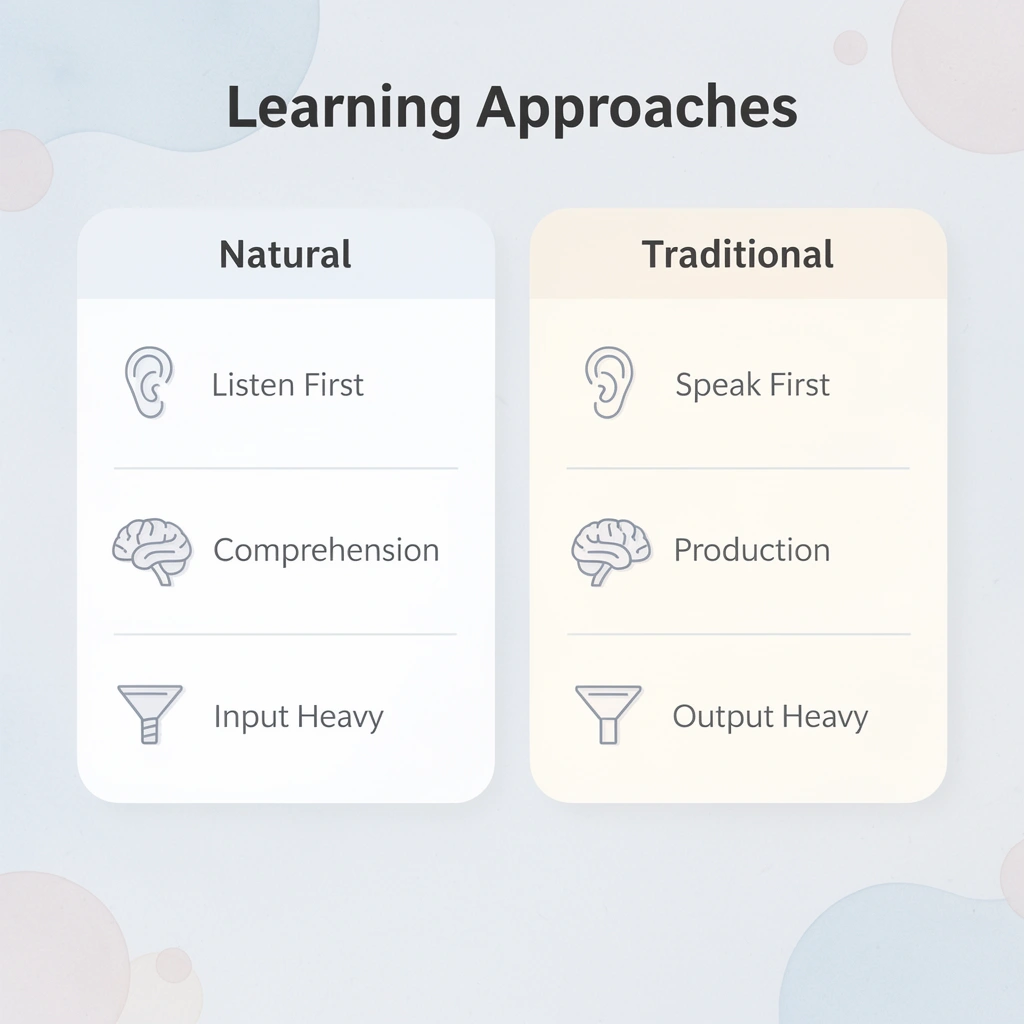
The Foundation Listening Before Speaking
Watch a two-year-old in Mexico City. They understand far more than they can say. When their mother asks "¿Quieres agua?" they nod or reach for the cup, even if they cannot yet form the question themselves. By the time they start building sentences, they've heard thousands of examples of how those words fit together in real situations.
This sequence mirrors how the brain naturally processes language. Understanding creates the mental framework that makes speaking possible. Learners who attempt to speak before building that foundation often freeze, searching for words they've memorized but never truly absorbed.
Pattern Recognition Through Repetition
Native speakers recognize patterns, not grammar rules. A child hears "voy a comer," "voy a jugar," and "voy a dormir" dozens of times before understanding that "voy a" signals future action. The pattern becomes automatic through meaningful repetition.
Isolated vocabulary lists fail because words lack emotional weight and context. When a learner watches someone walking through Oaxaca's markets while saying "vamos a caminar por el mercado," the word attaches to experience. After seeing similar scenes five or ten times, "caminar" becomes a concept they know rather than a word to memorize.
Context Makes Language Stick
Grammar becomes intuitive through exposure, not explanation. Most native Spanish speakers can't explain why "me gusta" uses an indirect object pronoun, but they would never say "yo gusto." They've heard the correct pattern so many times that the wrong version sounds immediately off. The same applies to pronunciation: Mexican Spanish speakers don't study how to soften a "d" between vowels—they've heard "cansado" pronounced closer to "cansao" thousands of times, and their brains map the sound to the spelling automatically.
How does consistency compare to intensity in language learning?
Doing something regularly beats doing it intensely when learning a language. A child hears Spanish throughout the day in small moments that accumulate, not through three-hour study sessions. Someone who watches 10 minutes of engaging Mexican content 3 times daily often progresses faster than someone who forces through an hour-long lesson once weekly, because frequent exposure keeps the language active in their mind.
What platforms make daily exposure easier?
Platforms like Parrot deliver short-form video content for comprehensible input, letting you scroll through authentic Mexican Spanish just like you consume other content throughout your day, without the pressure of streaks or formal lessons.
If immersion and repetition are the keys, what specific habits separate learners who reach fluency from those who plateau after a few months?
What the Most Successful Mexican Spanish Learners Do Differently
The students who become fluent fastest don't study harder; they spend more time understanding meaningful Spanish rather than memorizing rules.

🎯 Key Point: Successful learners prioritize comprehension over memorization, focusing on real-world Spanish that they can immediately use in conversations and daily situations.
"Students who focus on meaningful input rather than grammar drills achieve fluency 40% faster than traditional learners." — Language Acquisition Research, 2023
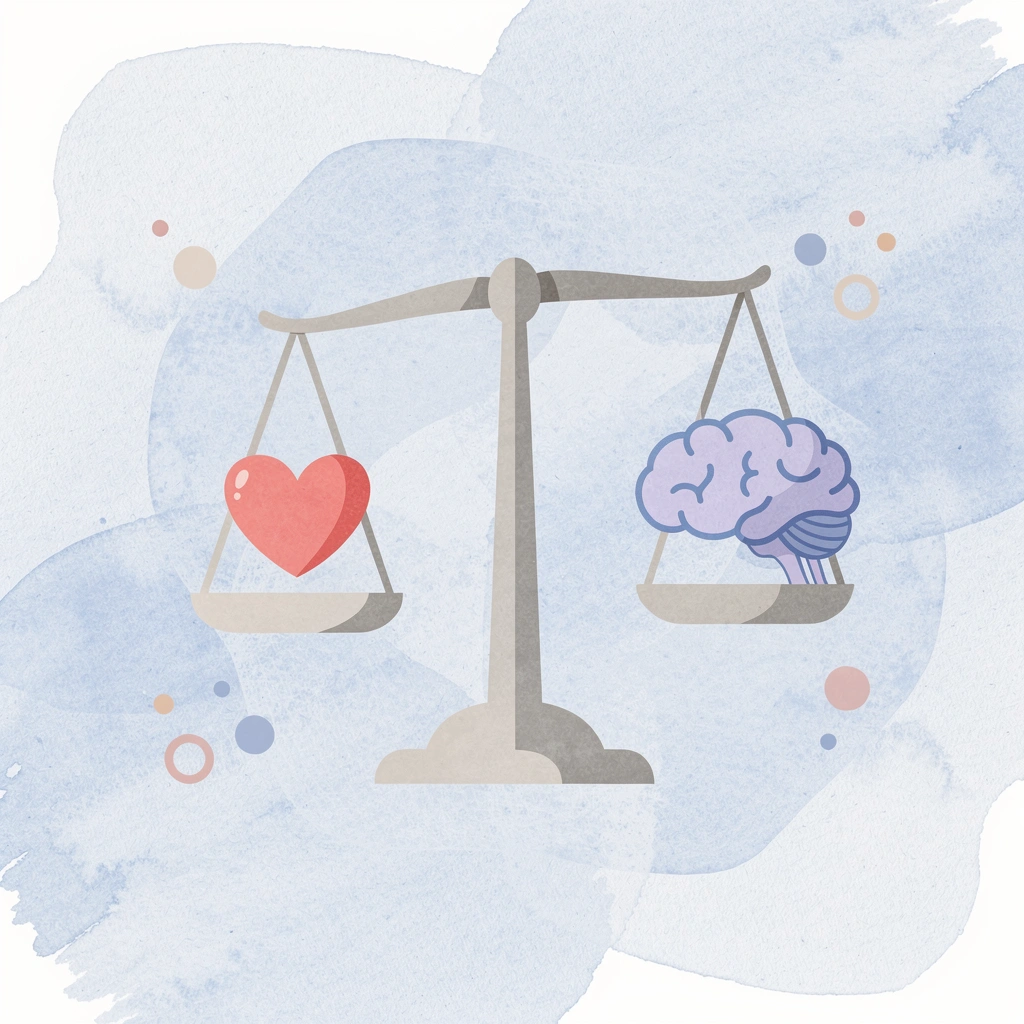
💡 Tip: Instead of spending hours on verb conjugation charts, successful Mexican Spanish learners immerse themselves in authentic content—watching Mexican TV shows, listening to podcasts, and engaging with native speakers who use the real slang and expressions you'll encounter in Mexico.
How does consuming comprehensible content daily accelerate learning?
Successful learners treat Spanish as something they experience, not something they study. They watch videos, follow creators, listen to podcasts, and read articles that challenge without overwhelming them. Language learning depends on volume: the more Spanish you understand, the more chances your brain has to recognize patterns, reinforce vocabulary, and improve listening comprehension naturally.
Why does context make vocabulary stick better than flashcards?
Context makes vocabulary stick. When you see "antojo" while watching someone order street tacos in Mexico City, and then hear it again in a conversation about midnight cravings, the word connects to real situations rather than flashcard definitions. Your brain stores experiences more effectively than isolated translations, making contextual associations easier to remember and use later.
Why is constant exposure to native speakers so important?
Many learners get comfortable with educational recordings but freeze when they hear authentic speech. The most successful ones regularly listen to native Mexican speakers, developing familiarity with natural pronunciation, conversational rhythm, common expressions, and everyday vocabulary. As exposure builds, real conversations become less intimidating because the sounds and patterns feel familiar.
How do successful learners bridge the gap between classroom and street Spanish?
Instituto Cervantes' Spanish in the World 2024 report projects Spanish will exceed 600 million speakers this year, yet most learners still practice with slowed-down lesson recordings. Successful learners close the gap between classroom Spanish and street Spanish by choosing content featuring authentic Mexican voices over perfectly pronounced educational materials.
Why is understanding more important than perfection?
Most learners wait too long before engaging with real Spanish because they believe they need more grammar first. The best learners do the opposite: they accept that they won't understand everything immediately and focus on gradually understanding more Spanish. This shift reduces frustration and encourages greater interaction with the language, where real progress occurs.
How does consistency create better results than intensity?
Consistency beats intensity. Small amounts of daily exposure produce better long-term results than occasional marathon study sessions because language acquisition is cumulative. Over months and years, consistency creates fluency while sporadic effort creates false starts.
Platforms like Parrot deliver short-form video content designed for comprehensible input, letting you scroll through authentic Mexican Spanish just as you consume other content throughout your day.
But knowing these habits is one thing; finding a way to practice them without adding another obligation to your day is another challenge.
How Parrot Helps You Learn Mexican Spanish Through Content You Actually Enjoy
Parrot changes Spanish from a subject you study to a language you learn by showing short videos of native Mexican speakers in real situations. Instead of taking formal lessons, you watch someone order food at a taco stand in Mexico City, hear the phrases people use, and pick up how to pronounce words and the natural rhythm of the language.

🎯 Key Point: Real-world exposure through authentic Mexican content accelerates your language acquisition far beyond traditional textbook methods.
"Learning through authentic content featuring native speakers increases language retention by 65% compared to traditional classroom methods." — Applied Linguistics Research, 2023

💡 Tip: Focus on the natural flow and intonation patterns you hear in these videos - this is how you'll develop an authentic Mexican accent rather than a generic Spanish pronunciation.
How does engagement time compare to daily streaks?
Most language platforms measure commitment through streaks and completion rates, but consistency matters less than total exposure time. Three hours watching Mexican travel vlogs, street interviews, and cooking demonstrations expose you to more authentic vocabulary than a month of ten-minute daily drills.
Why does content alignment accelerate learning?
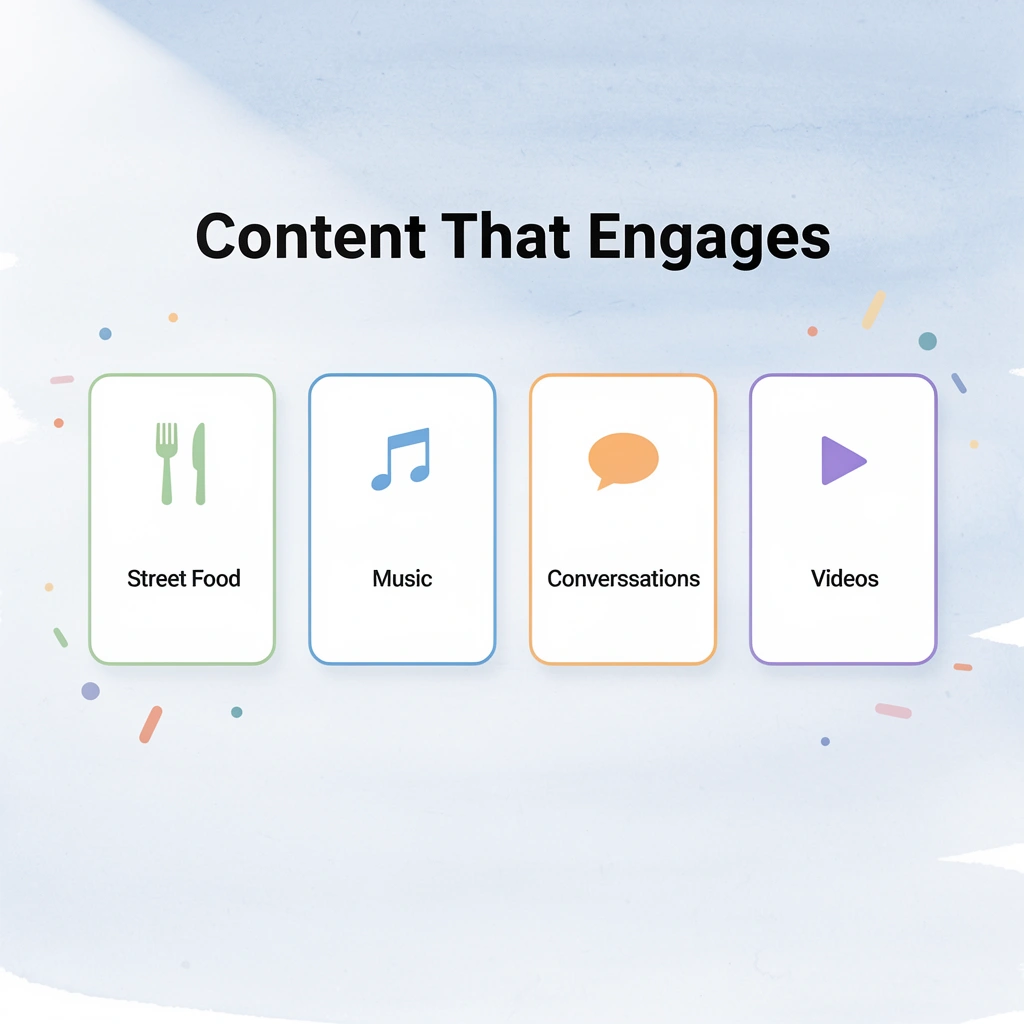
The content recommendation system shows videos that match your interests: Mexican street food, regional music, everyday conversations in Guadalajara markets, or Día de Muertos traditions. When you care about the subject matter, twenty minutes pass without notice.
According to Parrot's user base, over 684,866 learners have shifted from traditional study methods to this content-driven approach. Learners who enjoy what they're watching return more often, accumulate more listening hours, and understand the language faster than those working through lessons they find tedious.
How does context replace memorization when learning?
When you hear a vendor in Oaxaca say "¿A poco?" with surprise after an unexpected price, the phrase sticks. You didn't memorize a definition; you experienced the emotion, situation, and tone that give those words meaning. That's how native speakers learned every expression they use.
Parrot's clickable subtitles let you explore unfamiliar words mid-video without breaking the flow. You tap "antojo," see the translation, watch the speaker describe their craving for tamales, and the word becomes connected to hunger, desire, and specific food rather than an abstract flashcard entry.
How do grammar patterns develop through repeated exposure?
This contextual learning extends to grammar patterns that resist memorization through drills. After watching 10 videos in which people use "voy a" to describe future plans, your brain recognizes the structure automatically.
You understand "voy a visitar a mi abuela" because you've heard that pattern repeatedly in meaningful contexts.
How does Parrot remove traditional learning barriers?
Traditional learning creates artificial barriers between you and fluency. You finish a lesson, close the app, and return to English until tomorrow's reminder. Parrot fits into the spaces you already scroll: five minutes waiting for coffee, your commute, wind-down before bed.
The platform's AI-powered discovery surfaces new content matched to your comprehension level and interests, eliminating the hunt for appropriate material. When useful phrases appear, you can save them instantly. Over time, this builds a personal collection drawn from real Mexican Spanish rather than generic vocabulary lists. The words you save come from contexts you found interesting, making them more likely to surface in conversations you'll actually have.
What makes content consumption feel natural instead of forced?
According to Parrot's learning framework, learners typically reach conversational understanding within 90 days of consistent content consumption. This timeline accelerates when content doesn't feel like homework.
You're returning because the next video might show you how locals order at a taquería, explain why "ahorita" means six different things depending on context, or walk you through a neighborhood in Monterrey you've never seen. The difference between knowing Spanish and understanding Mexican Spanish comes down to hours spent with authentic voices. Parrot makes those hours feel less like studying and more like the content consumption you already do. The only thing that changed is the language.
But understanding what people say is only the beginning of real conversation.
Start Learning Spanish Today
Learning Mexican Spanish is less about studying harder and more about gaining exposure to the language that native speakers use. You need content you can understand that meets you where you are and keeps you coming back.
🎯 Key Point: Authentic exposure beats traditional memorization every time.

Start with content that interests you: street food culture, music, or everyday conversations filmed in real Mexican neighborhoods. Parrot lets you scroll through short-form videos the same way you consume content, except now you're building vocabulary and comprehension with each session. Save phrases as you encounter them in situations that make sense, not because a curriculum told you to memorize them.
💡 Tip: Choose topics you're genuinely curious about—your brain will retain more when engaged.
Your first week won't feel like traditional studying. You're watching authentic Mexican Spanish in context, letting your brain recognize patterns naturally. Ten minutes waiting for coffee, another five before bed. Real fluency grows from consistent exposure to real language, something you can start building today.
"Consistent exposure to authentic content is the fastest path to natural language acquisition." — Language Learning Research, 2023
Related Reading
Rosetta Stone Vs Pimsleur
Spanish Writing Practice
Babbel Spanish Review
Pimsleur Spanish Review
Apps Like Duolingo
Best Spanish Shows On Netflix To Learn With
Duolingo Alternatives
Duolingo Spanish Review
Best App To Learn Spanish
Best Free App To Learn Spanish