Learning Spanish feels manageable until a native speaker responds at full speed and textbook phrases fall flat. That gap between classroom knowledge and real conversation is where most learners get stuck, and picking the wrong program only makes it worse. The best way to learn conversational Spanish is to train with tools that reflect how the language is actually spoken, not just how it is written.
Parrot is built around exactly that principle, focusing on real dialogue practice rather than grammar exercises that rarely translate to live conversation. It is designed for learners who want functional fluency, not just test scores. For anyone serious about speaking with confidence, it is worth taking a closer look at how Parrot can help you learn Spanish.
Table of Contents
Why Finding the Best Program to Learn Spanish Is Hard
Why Many Spanish Programs Don't Deliver the Progress Learners Expect
What Makes a Spanish Learning Program Effective?
10 Best Programs to Learn Spanish
How to Choose the Best Spanish Program for Your Goals
How Parrot Helps You Learn Spanish Through Authentic Content
Start Learning Spanish Today
Summary
Choosing the wrong Spanish learning program does not mean you lack effort. It usually means the program was built for a different problem than the one you actually have. Someone preparing for travel needs fast, practical exposure and listening practice, not a 12-month grammar curriculum, and a general program applied to a specific goal tends to produce general, insufficient results.
Recognition and production are different cognitive skills, and most popular apps train only one. Completing multiple-choice exercises or matching vocabulary in a controlled format builds recognition, but it does not prepare learners to retrieve words quickly under social pressure or follow a native speaker mid-sentence at full speed. A 2018 study published in System found that learners who actively retrieved vocabulary outperformed those who repeatedly studied the same words on both immediate and delayed recall tests.
Comprehensible input, language that is mostly understandable but consistently introduces something new, is the condition most consistently linked to real acquisition in second-language research. Dr. Stephen Krashen's foundational work on this principle explains why learners who consume controlled, simplified dialogue for months can still struggle when exposed to natural spoken Spanish. The gap is not effort. It is the type of exposure.
Audiovisual content produces measurable learning gains when it is pitched at the right difficulty level. A 2026 meta-analysis of 56 experiments involving 1,954 participants found that educational video formats showed stronger second-language learning effects than pure entertainment content. The practical implication is that programs should build a deliberate bridge from accessible material toward more natural speech, rather than leaving learners to make that jump on their own.
Distributed practice outperforms intensive cramming for language retention, which means a program that fits into 15 to 20 minutes on a typical day is more valuable than one requiring an uninterrupted hour. Consistency across shorter sessions builds the retrieval habits that longer, irregular study sessions rarely do. This is where session length and daily fit matter more than most learners initially expect.
No single program covers every layer of language acquisition. Audio tools leave gaps in reading and comprehension. Structured courses leave speaking gaps. Gamified apps leave authentic listening gaps. Learners who break through plateaus usually identify the specific skill they cannot do yet and match their practice to that gap, rather than defaulting to whatever the program offers next.
Parrot Learn Spanish addresses the authentic listening gap directly by using short-form Spanish video content matched to a learner's proficiency level, so daily exposure builds real comprehension rather than recognition in controlled conditions.
Why Finding the Best Program to Learn Spanish Is Hard
Choosing a Spanish learning program feels simple until you realize you're not choosing between good and bad options. You're choosing between programs built for different problems, and most won't tell you that upfront.
"The hardest part of finding the best Spanish program isn't the learning — it's knowing which type of problem you're solving."
🚨 Warning: Most learners waste weeks or months on a program never designed for their specific goals: conversational fluency, travel basics, or professional proficiency.
🎯 Key Point: The best Spanish learning program for you depends on what kind of learner you are and what gap you're closing, not which app has the highest rating.

Why do so many programs leave learners unable to hold a real conversation?
The market offers apps, courses, audio programs, and live tutoring platforms, each solving a specific part of the language learning puzzle. Some build vocabulary efficiently, others teach grammar with clear structure, and a few focus on listening comprehension or conversation practice. The problem is that no single program acknowledges its limitations, so learners often choose one based on popularity or price, study consistently for months, and still cannot hold a real conversation.
Why your goal changes everything
Your reason for learning Spanish shapes which program will help you move forward. Someone preparing for a two-week trip to Mexico needs fast, practical phrases and listening practice, not a 12-month grammar curriculum. A healthcare professional who needs to communicate with Spanish-speaking patients needs field-specific vocabulary and the ability to understand responses under pressure, not a gamified streak system. When the goal is specific, a general program often delivers general results: not enough.
Does the most popular app actually match how the brain learns language?
The familiar approach is to pick the most popular app, open it daily, and trust that consistency will carry you. That works for building habits, but it doesn't guarantee the right kind of practice. Research grounded in Dr. Stephen Krashen's comprehensible input theory suggests language learning works best when learners encounter meaningful, understandable input in context, not through isolated drills or grammar exercises. Most popular apps rely on the latter. Platforms like Parrot use short-form video immersion to deliver comprehensible input in daily gaps—10 to 15 minutes at a time, aligned with how the brain absorbs language.
Why level matters more than effort
A program that works for someone starting out might slow down someone more advanced. Beginners need structure: how to say words, common vocabulary, basic sentence patterns. Intermediate learners need exposure to natural, spoken Spanish—the kind that helps you understand fast speech and respond without translating in your head. Sending an intermediate learner back through beginner lessons is like asking someone who can already ride a bike to read the instruction manual again.
Finding the best Spanish course or app means knowing what you need to improve, not what the program claims to teach. Once you identify that gap, the real question isn't which program is most popular.
But knowing what you need is only half the challenge. What happens next—when learners pick a well-designed program and still don't make progress—is where the story becomes harder to explain.
Related Reading
Why Many Spanish Programs Don't Deliver the Progress Learners Expect
Finishing a program feels like progress. You complete lessons, earn badges, hit streaks, and the app congratulates you. But the moment a native speaker responds faster than expected, in a different accent, with words your course never taught, the gap between "I finished the material" and "I can communicate" becomes impossible to ignore.
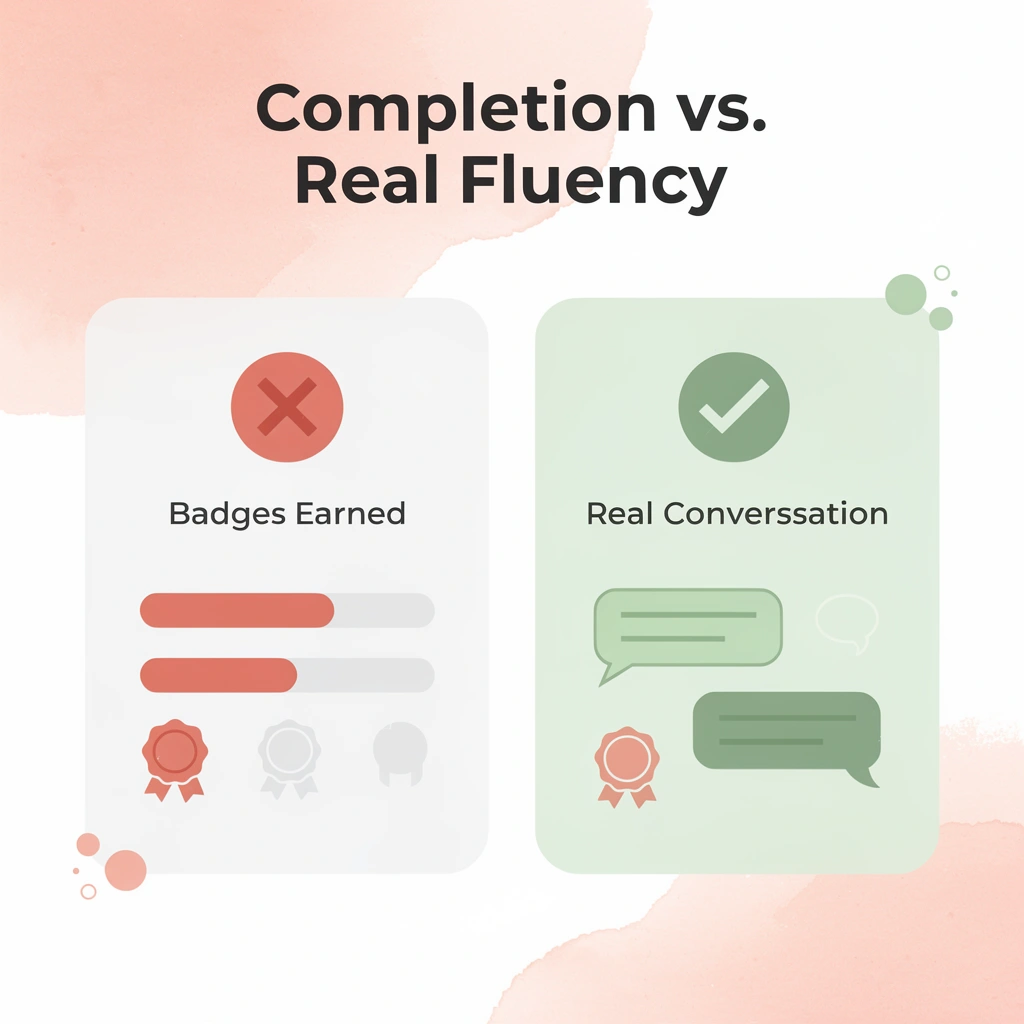
The core problem isn't effort. It's what the effort trains.
When recognition and production aren't the same skill
Recognizing ¿Qué hiciste ayer? in a multiple-choice exercise differs fundamentally from answering it in real time under social pressure while tracking what the other person said. Most programs practice the first skill almost exclusively. Speaking requires separate practice: retrieving language quickly, forming sentences under pressure, and adjusting when conversation takes an unexpected turn.
Why grammar drills and vocabulary lists fall short?
Programs that focus too much on grammar make this problem worse. A student can spend an hour practicing subjunctive verbs and gain almost no listening or speaking practice. The same applies to vocabulary lists. Knowing that aprovechar means "to take advantage of" won't help you understand it when a speaker says it quickly in the middle of a sentence, surrounded by connected speech and regional expressions you've never heard before.
Why do switching programs rarely close the gap?
Most learners assume the problem is volume, so they switch programs, restart from scratch, or add a second app—but each reset rarely addresses the real gap. Apps like Parrot use short-form video immersion built around comprehensible input, exposing learners to real spoken Spanish in context rather than controlled dialogues. Even 10 to 15 minutes of daily exposure builds the listening and retrieval skills that structured lessons rarely develop.
Why does mismatched difficulty stall your progress?
Material that's too easy or too hard stops progress. Beginners who jump into fast native-speaker content understand so little that the experience becomes discouraging. Intermediate learners who stay in beginner-level material reinforce what they already know without stretching into new territory. The sweet spot is content that's mostly understandable but consistently introduces something unfamiliar—what Krashen's comprehensible input research identifies as the condition for real learning.
Are you practicing the skill you actually can't do yet?
The failure point is usually that learners never ask what specific skill they're missing. They assume the program is wrong or they're not studying hard enough, when the real question is simpler: are you spending time doing the thing you can't do yet? If you can't understand fast speech, more grammar drills won't fix that. If you can't retrieve words quickly, more vocabulary lists won't either. Matching your practice to your actual gap separates learners who stop improving from those who keep moving forward.
Once you understand why programs fall short, a harder question surfaces: what does an effective Spanish learning program look like when built around how acquisition works?
What Makes a Spanish Learning Program Effective?
A program earns your time by moving you closer to real communication, not just finishing lessons. You can see this in how it's built, what it asks you to do, and whether those activities match how language is actually acquired.
"The best Spanish programs don't measure success by lessons completed — they measure it by real communication unlocked." — Language Acquisition Research
🎯 Key Point: The true measure of an effective Spanish program is whether it builds genuine communication ability, not just lesson streaks or completion badges.
💡 Tip: Before committing to any program, ask yourself: does this platform ask me to produce language or just consume it? Active output is the critical difference between programs that work and those that don't.
Program Quality Signal
What to Look For
Structure
Built around real communication goals
Activities
Matches proven acquisition methods
Output
Requires you to speak and produce language
Progress
Moves you toward fluency, not just completion

Structure that guides without trapping you
Beginners need a clear path to avoid wasting time on what to study. A good program introduces high-frequency vocabulary, sentence patterns, and pronunciation in a planned order, building a strong foundation before adding more difficult material. The Council of Europe's CEFR framework defines progress by what learners can do with the language at each level.
What kind of input actually builds real fluency?
The difference between studying Spanish and learning it comes down to whether you understand meaning as it happens. Comprehensible input—language you can mostly follow even when encountering something new—gives your brain what it needs for fluency. A worksheet tells you what a word means. Hearing it used naturally in conversation at normal speed, in context, makes it something you can use when you need it. Research on second language learning in school shows that input connected to real communication is key to L2 development.
Why does retrieval practice outperform repeated studying?
Most learners default to drilling vocabulary lists because it feels productive. Recognition and retrieval are different cognitive skills. A 2018 study in System found that learners who actively retrieved vocabulary outperformed those who repeatedly studied the same words on both immediate and delayed recall tests. Platforms like Parrot use short-form video immersion, where learners encounter Spanish in natural contexts and build retrieval habits through repeated exposure rather than passive review.
Authentic listening, introduced gradually
Real Spanish includes overlapping speech, regional accents, dropped syllables, and vocabulary choices that no beginner curriculum addresses. A 2026 meta-analysis of 56 experiments involving 1,954 participants found that audiovisual input produced measurable gains in second-language learning, with educational video formats showing stronger effects than pure entertainment content. An effective program should build a deliberate bridge, starting with accessible material and progressively exposing learners to more natural Spanish as their comprehension develops.
Does the program actually make you speak?
Results matter. A program that keeps learners in recognition mode forever—reading, selecting, matching—never produces speakers. Chances to produce language through shadowing, guided role-play, or structured conversation should appear early and often, not as a final reward.
How do spacing and personalization affect long-term results?
Spreading out your practice over time matters more than cramming: 20 minutes on a busy Tuesday helps you remember better than an hour at once. Making the program fit your needs separates useful programs from generic ones. A beginner preparing for travel needs a different experience than an intermediate learner following native conversations, and a program that cannot adapt to you will serve neither well.
Applying these criteria to actual programs reveals surprising gaps between reputation and results.
Related Reading
Mango Vs Rosetta Stone
Best App To Learn To Speak Spanish
Rosetta Stone Spanish Reviews
10 Best Programs to Learn Spanish
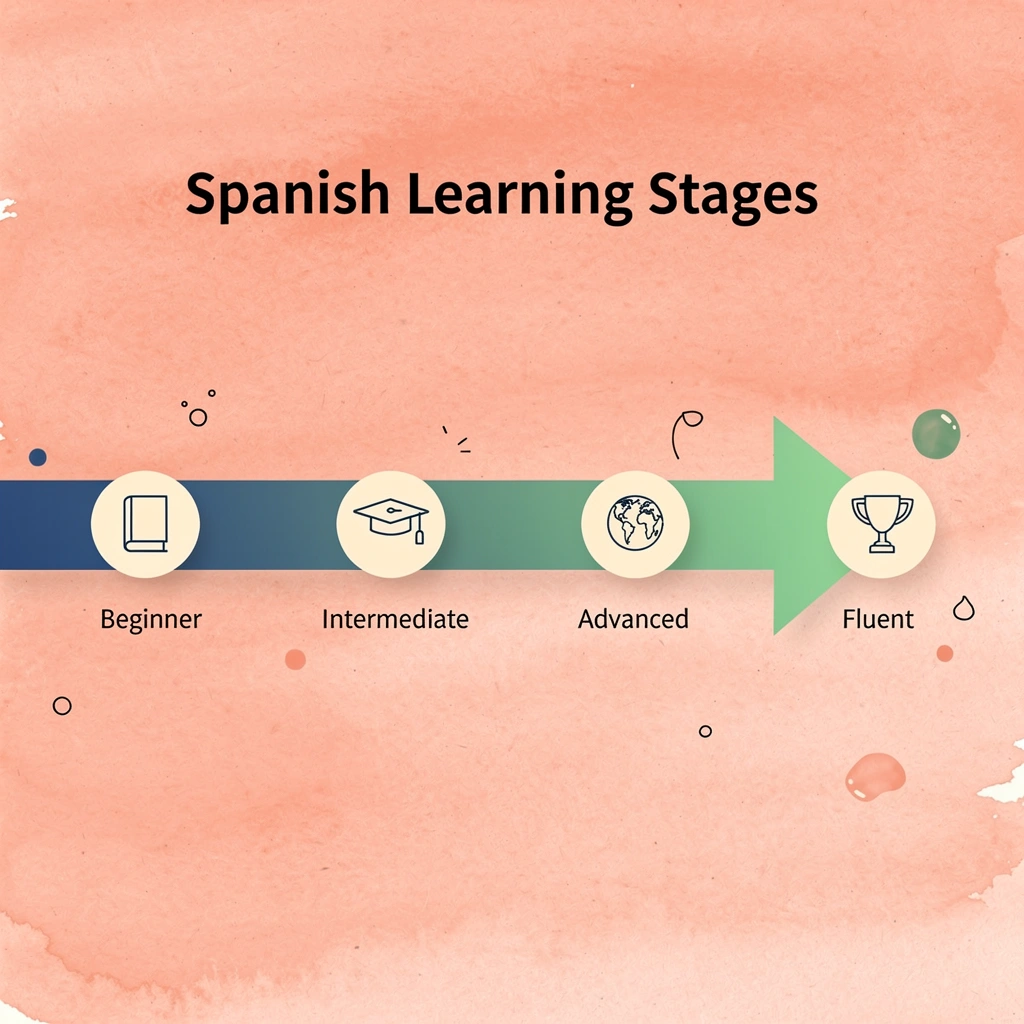
No single Spanish program does everything equally well. Matching each tool to your current learning stage is essential — the right program at the wrong stage can slow your progress just as much as using no program at all.
"The best Spanish program isn't the most popular one — it's the one that fits where you are right now in your learning journey." — Language Learning Principle
Learning Stage
Best Program Type
Primary Focus
Beginner
Gamified apps & structured courses
Vocabulary & basics
Intermediate
Immersion & conversation tools
Fluency & grammar
Advanced
Native content & tutoring platforms
Mastery & nuance
💡 Tip: Before choosing a program, honestly assess your current level — most learners overestimate their stage and pick tools that are too advanced too soon.
🎯 Key Point: The 10 best Spanish programs each excel in different areas — no single app replaces a well-rounded, stage-matched learning strategy.
1. Parrot
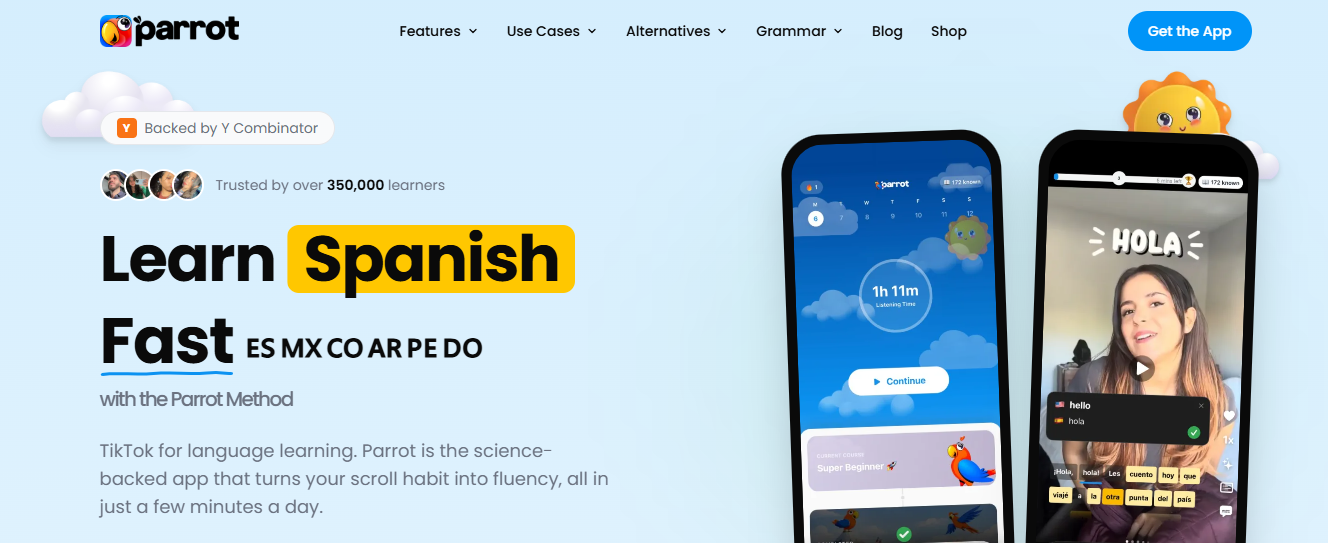
Parrot combines intuitive input with short Spanish videos, personalized recommendations, and context-based vocabulary support. The platform operates on the principle that 10 to 15 minutes of daily scrolling-style learning builds listening skills faster than longer study sessions. Unlike most apps that train recognition in controlled conditions, Parrot trains you to process Spanish the way native speakers use it.
Structured lessons work at first but hit a wall when real-world Spanish gets noticeably harder. Parrot bridges this gap by showing authentic content at the right difficulty level, keeping the language challenging enough to push learning forward without overwhelming you.
2. Pimsleur
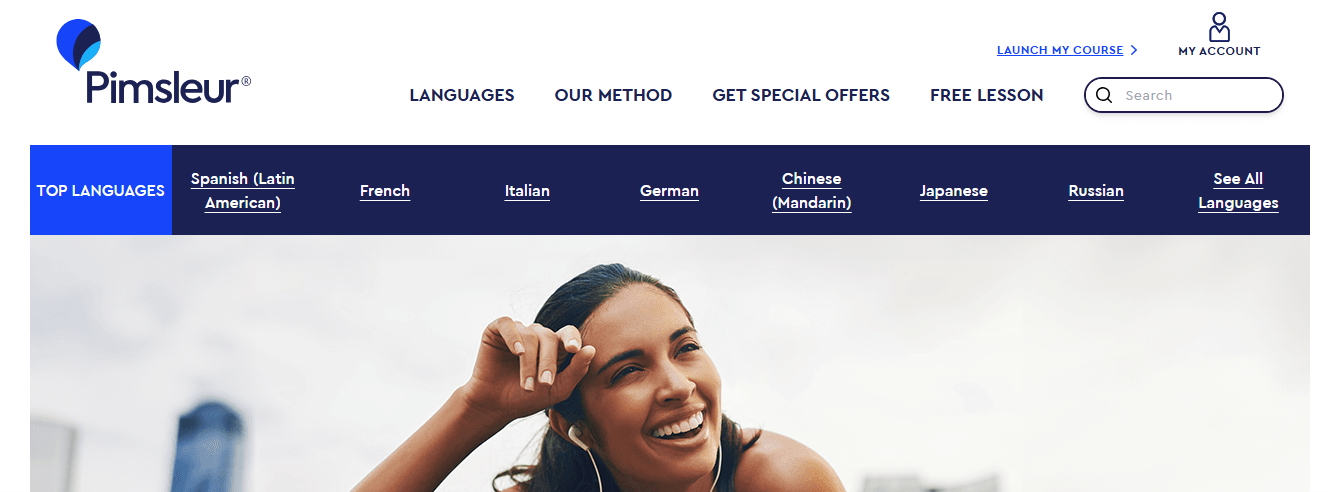
Pimsleur uses an audio-first approach with lessons built around listening and speaking in short, repeatable bursts, ideal for commutes, gym sessions, or screen-free time. However, learners relying on it exclusively will need additional exposure to reading and authentic spoken Spanish to reach conversational fluency.
3. Babbel
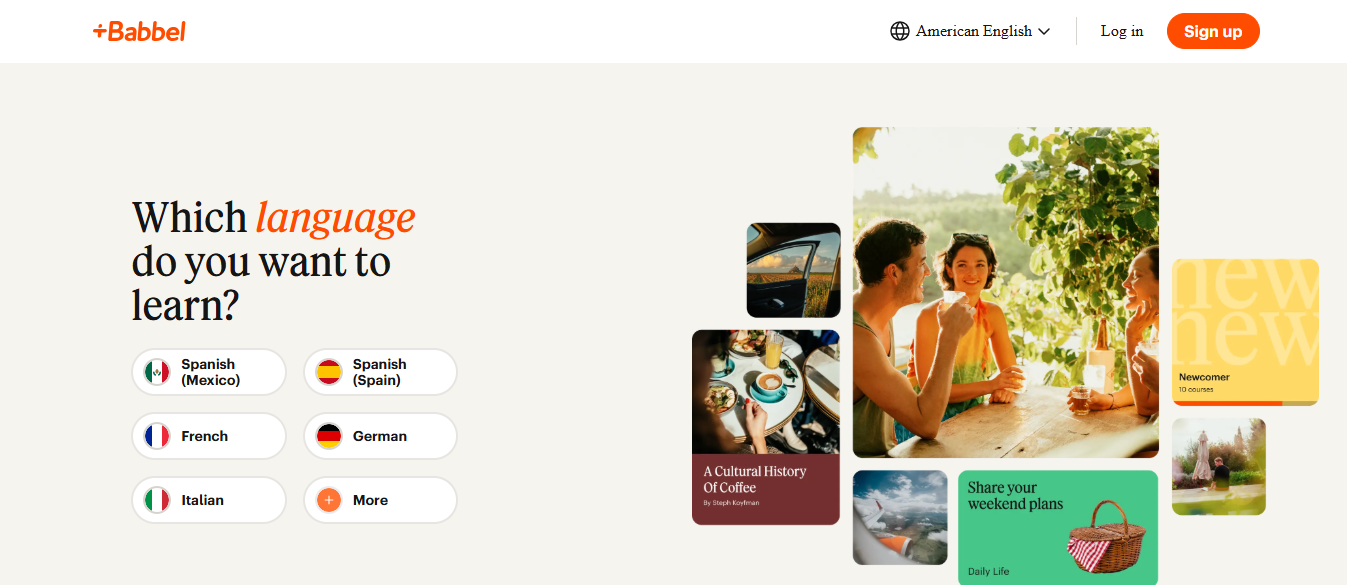
Babbel provides structured lessons that progress through vocabulary, grammar, pronunciation, and conversational phrases in a clear sequence. It suits learners who prefer a guided path and consistent daily routine without deciding what to study next.
4. Rosetta Stone
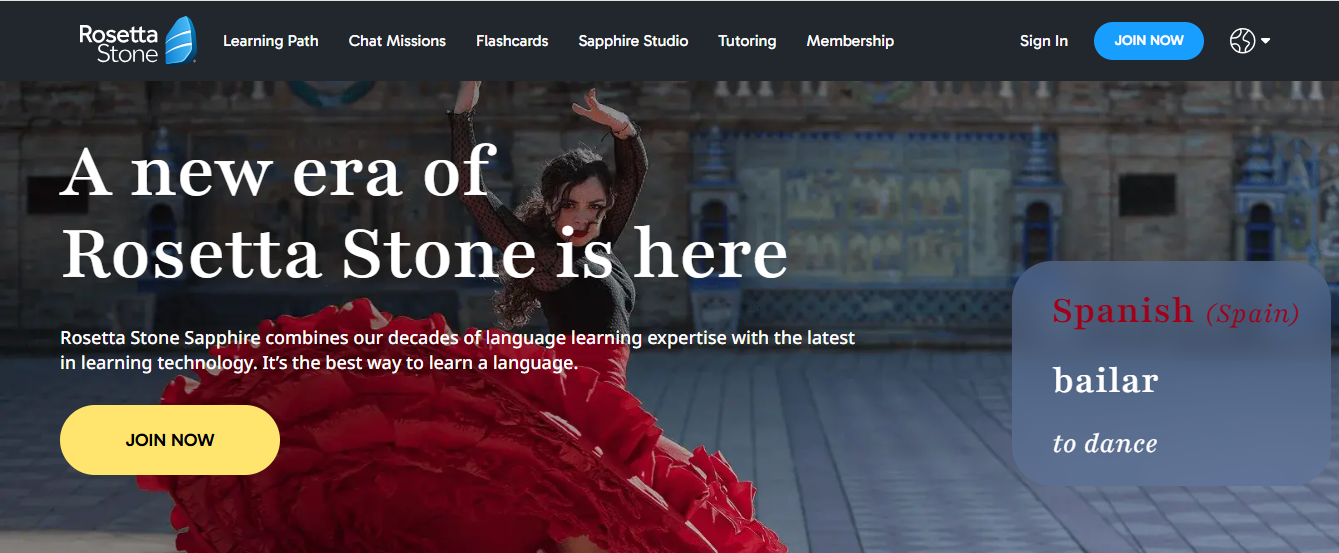
Rosetta Stone teaches through pictures, repetition, and contextual association instead of translation. This immersive approach works well for beginners, though learners seeking spontaneous conversation skills will need supplementary speaking practice outside the platform.
5. Rocket Languages
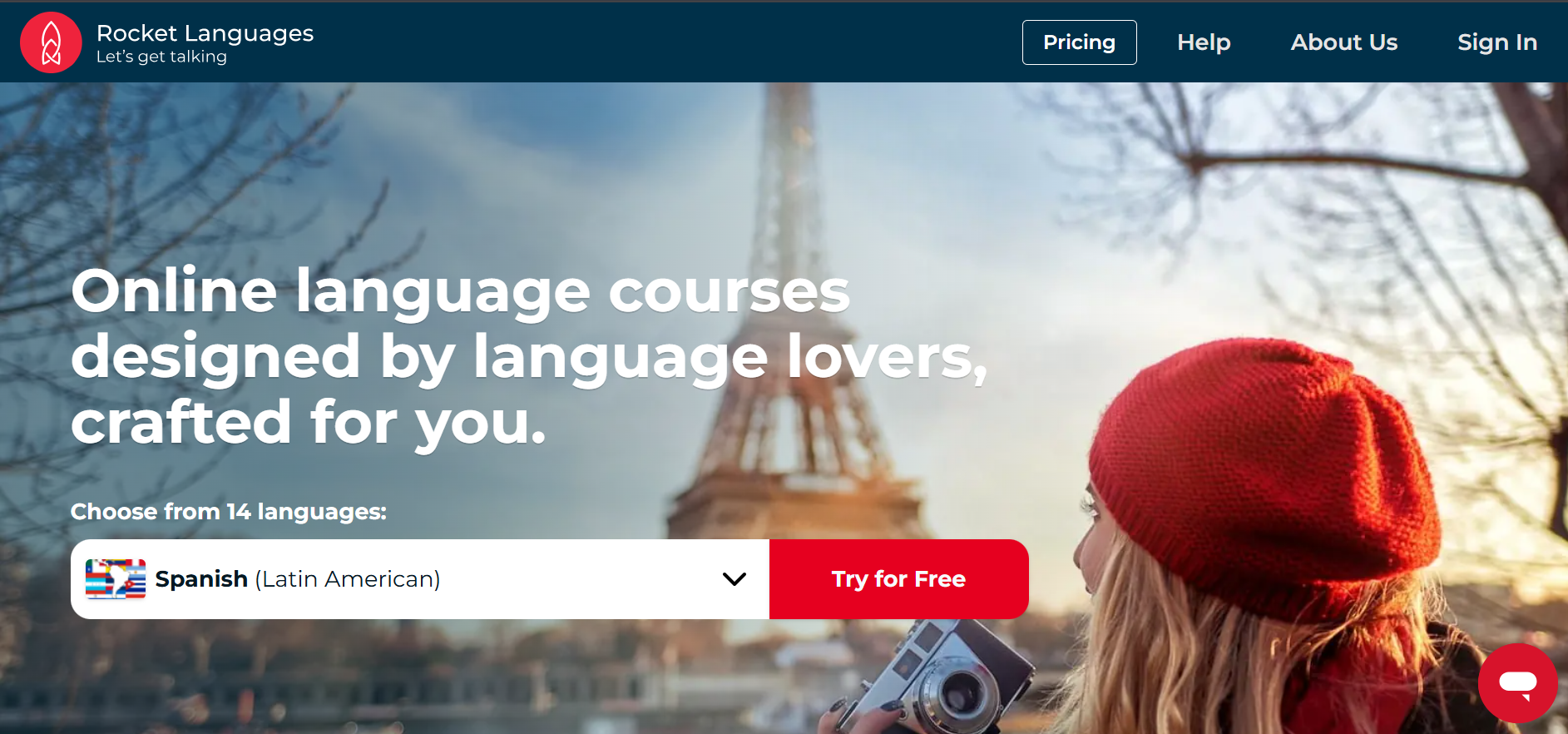
Rocket Languages combines structured lessons with pronunciation exercises, vocabulary work, and interactive audio in a course-style format. This organization suits learners who prefer a complete guided program rather than a modular, pick-and-choose experience.
6. Busuu
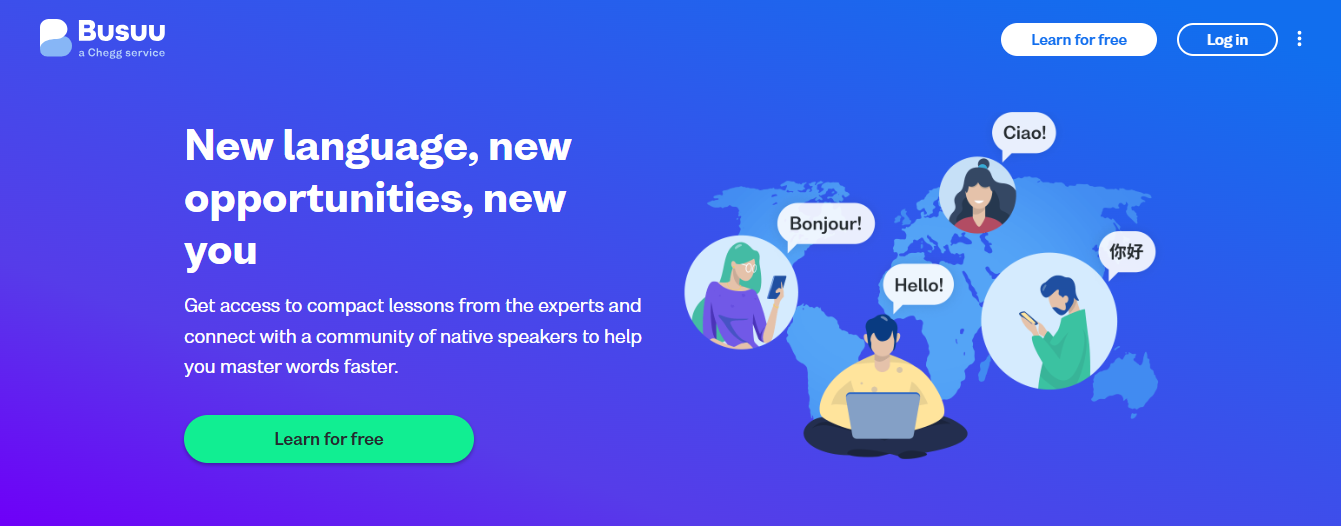
Busuu pairs structured Spanish lessons with feedback from other language users, offering both course direction and exposure to authentic communication: a middle ground for learners wanting structure with real-world language contact.
7. italki
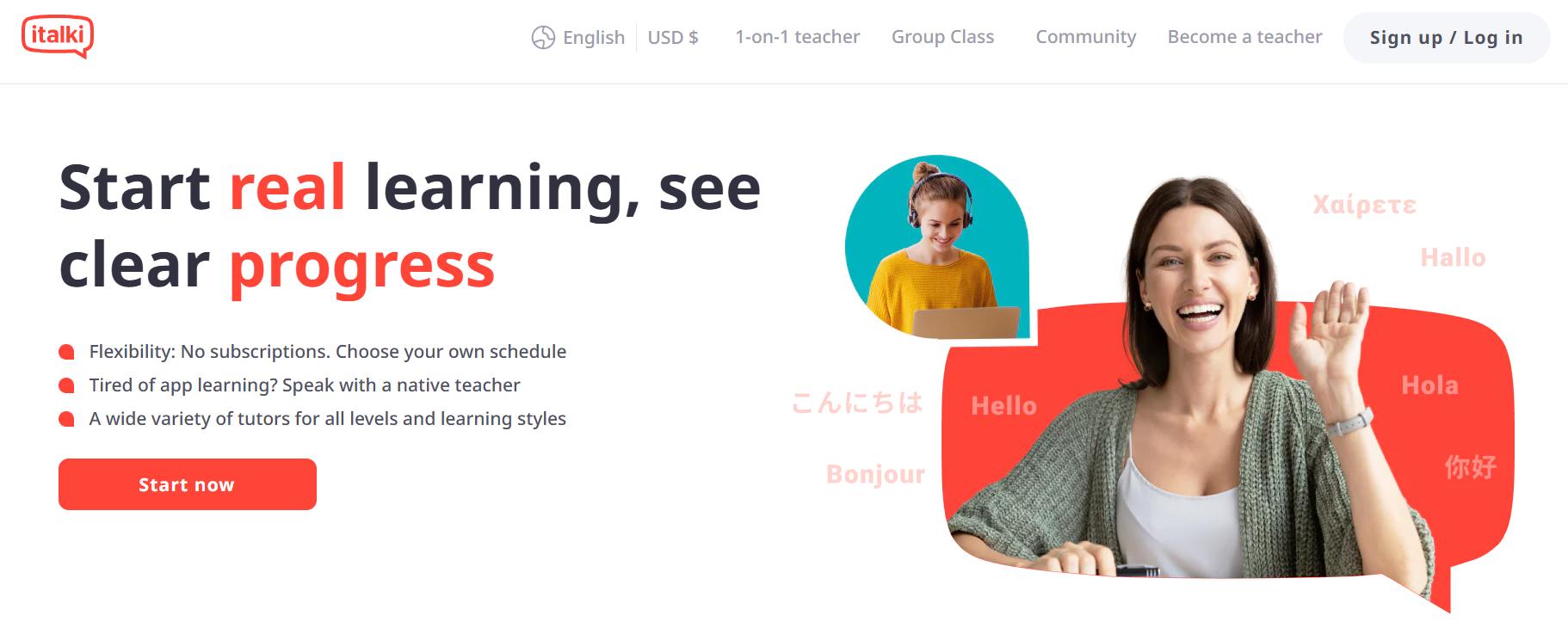
Many learners fail not because of vocabulary or grammar, but because they struggle to speak under pressure in real time. italki connects learners directly with tutors for one-on-one sessions tailored to their level, goals, and weak points. For anyone whose biggest gap is production rather than recognition, this offers the most targeted solution.
8. LingQ
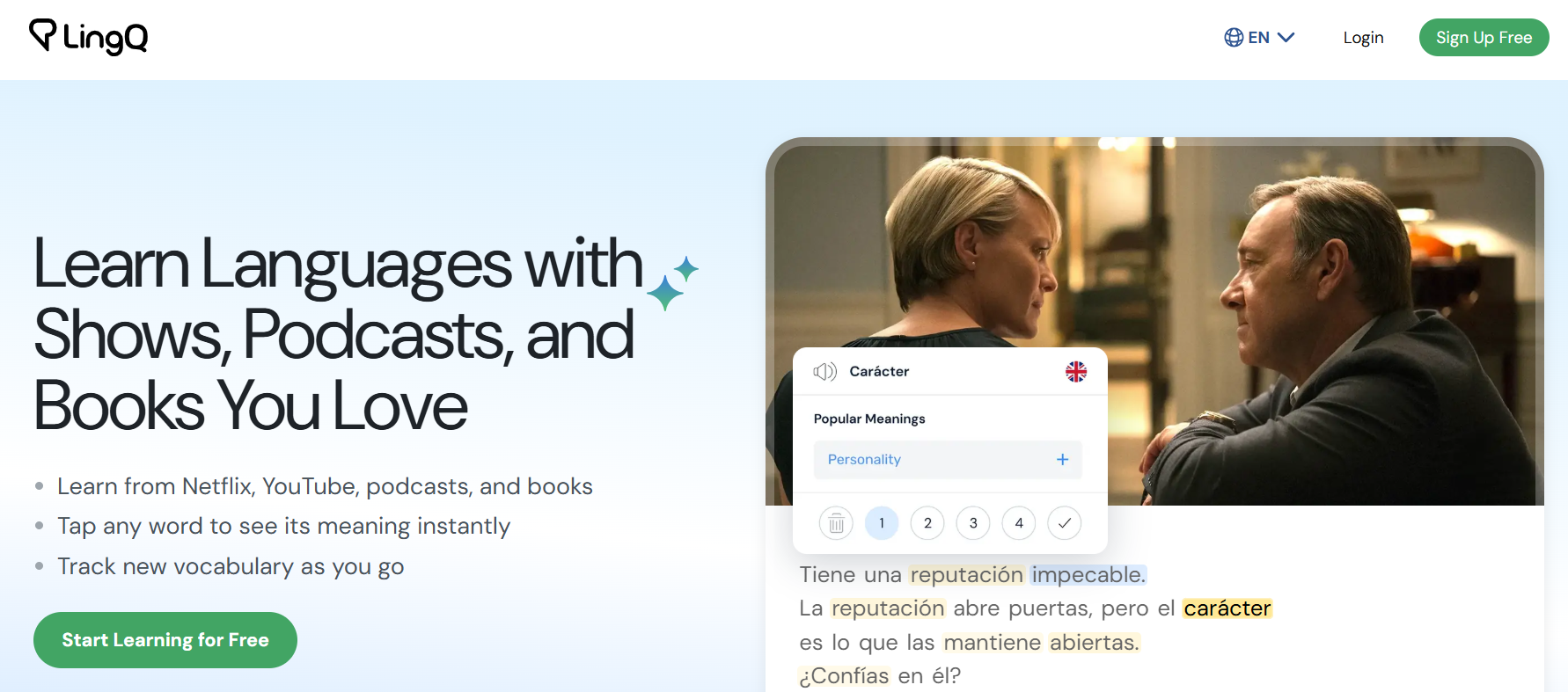
LingQ builds reading and listening around Spanish content, tracking unfamiliar words and reinforcing vocabulary through repeated contextual exposure. Success depends on choosing content that matches your ability level; learners who accurately assess their proficiency tend to see strong results.
9. Dreaming Spanish
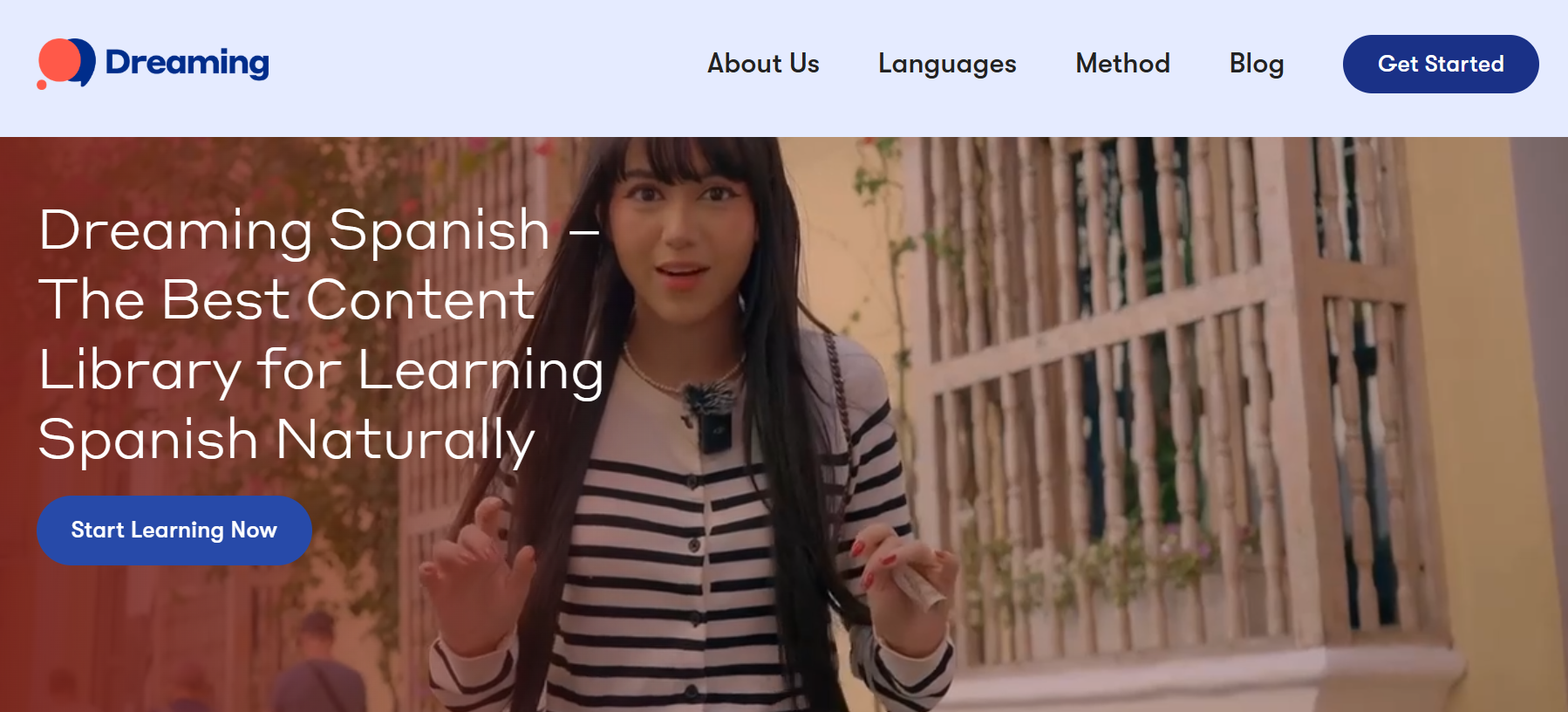
Dreaming Spanish organizes easy-to-understand Spanish videos by skill level, making it simpler to find content matched to your current abilities. It's particularly helpful for building listening skills before tackling videos made for native speakers. Many learners struggle by advancing to difficult content too quickly; Dreaming Spanish helps you avoid that pitfall.
10. Duolingo
Duolingo uses short, game-like lessons to build vocabulary and basic sentence structures, with a streak mechanic that encourages consistency. The risk is conflating lesson completion with progress: learners who finish the Spanish course often struggle to transfer skills to authentic listening and speaking situations.
What the gaps reveal
The same frustration shows up across learner communities: no single app covers everything. Audio tools leave reading gaps. Structured courses leave speaking gaps. Gamified apps leave comprehension gaps. This reflects that language acquisition is multi-layered, and most apps optimize for one layer at a time.
Why does effort alone fail to move learners forward?
What separates learners who break through from those who stall is not effort, but whether their daily practice builds the skill that moves the needle at their current stage. Spending 30 minutes on grammar drills when your real gap is listening comprehension is misdirection, not dedication.
What standard should every Spanish program meet?
Programs that work well and show steady progress share one thing in common: they expose learners to Spanish slightly above their current level while remaining comprehensible. This aligns with Dr. Krashen's research on language acquisition. Every program should meet this standard.
Knowing which program suits your learning stage is only half the battle. What you do in the first week matters more than most people realize.
How to Choose the Best Spanish Program for Your Goals
The most useful question isn't which program has the most lessons or features, but which one addresses what you actually need to improve. Your current level, reason for learning, available time, and biggest weakness should all influence your choice.
"The best language program is not the most popular one — it's the one precisely matched to your current level, goals, and available time." — Language Learning Research Consensus
🎯 Key Point: Before comparing programs, audit your own needs first — your current level, learning reason, and biggest weakness are the real filters that matter.
Your Situation
What to Prioritize in a Program
Beginner
Structured curriculum, pronunciation guidance, slow pacing
Intermediate learner
Conversation practice, grammar refinement, vocabulary depth
Busy professional
Short daily lessons, mobile access, flexible scheduling
Travel-focused learner
Practical phrases, cultural context, real-world scenarios
⚠️ Warning: Choosing a program based on popularity or price alone — without matching it to your specific weakness — is one of the most common mistakes learners make, and it leads to wasted time and frustration.

💡 Tip: Ask yourself four critical questions before committing to any Spanish program: What is my current level? Why am I learning? How much time can I realistically commit? And what is my single biggest weakness? Your answers should directly drive your decision.
What should a complete beginner look for in a Spanish program?
Focus on structure. A clear path through pronunciation, vocabulary, sentence patterns, and grammar prevents you from wasting limited study time deciding which topics to prioritize. A program that tells you what to learn next removes this friction.
What does an intermediate learner need from a Spanish program?
Look for opportunities to understand real Spanish, encounter vocabulary in context, read extensively, and practice spontaneous speaking. If you already know the basics, completing another set of introductory lessons may not address your plateau.
Which Spanish program features matter most if you're learning for travel?
Focus on practical communication rather than complete fluency. Prioritize phrases and vocabulary you'll actually use, listening comprehension, everyday situations, and enough speaking practice to handle basic interactions without translating every sentence.
How should you choose a Spanish program if you're learning for work?
Look for a program that supports general Spanish while letting you develop vocabulary related to your profession. You may need to practice meetings, customer conversations, presentations, emails, or other workplace-specific situations. General Spanish provides the foundation, but realistic professional communication requires additional practice in these contexts.
What should you prioritize in a Spanish program if you're moving abroad?
Choose a program that exposes you to many different types of Spanish: various speakers, accents, speaking speeds, and everyday vocabulary. You'll eventually need to understand conversations you couldn't have predicted in advance.
Which Spanish program works best when you have limited time?
Pick something that lets you start a useful session without extensive preparation. If you usually have only 20 or 30 minutes available, a program requiring half that time for planning won't work for you.
How do you improve your Spanish speaking with the right program?
Focus on opportunities to speak Spanish through one-on-one tutoring, guided conversation exercises, shadowing, role-play, or language exchanges. Practice retrieving language when you need it, not simply recognizing correct answers.
How do you improve your Spanish listening with the right program?
Look for Spanish input you can understand from different speakers. Gradually work toward more natural speech. If you read well but struggle with conversations, listening to Spanish will help you more than studying another vocabulary list.
What kind of Spanish program helps if you struggle with consistency?
Pick a system that is interesting, easy to use, and gives you a reason to return regularly. A simpler approach that fits naturally into your daily routine will help more over time than an ambitious program you abandon after three days.
Should you choose a Spanish program for its features or for your learning gap?
The best Spanish program fixes your biggest learning problem and remains easy to use consistently. Even after finding a program that provides the necessary structure, a challenge remains: getting enough real Spanish exposure. Our Parrot platform delivers personalized Spanish content that integrates with your learning system to provide the real-world exposure you need.
How Parrot Helps You Learn Spanish Through Authentic Content
Spanish programs are great at teaching basic vocabulary and grammar, but the language used in lessons often doesn't match the variety learners hear outside the course. Parrot complements structured learning by providing regular exposure to real Spanish from native speakers through research-backed comprehensible input in engaging short-form videos.
"The language used in lessons often doesn't match the variety learners hear outside the course — making authentic exposure an essential complement to structured study."
🎯 Key Point: Traditional Spanish programs build a solid foundation, but they rarely replicate the real-world language variety that fluency actually requires — that's exactly the gap Parrot is designed to close.
🔑 Takeaway: Comprehensible input from native speakers is one of the most research-backed methods for achieving genuine fluency — and Parrot delivers it through short-form video content that makes the process engaging and consistent.
Learning Method
Exposure to Authentic Spanish
Research-Backed
Traditional Programs
Limited — controlled, scripted language
Partially
Parrot (Short-Form Video)
High — real native speaker variety
Yes

How does Parrot match authentic Spanish content to your level?
Once learners need more authentic Spanish, they often turn to random YouTube videos or podcasts made for native speakers—material that can far exceed their current comprehension. Parrot's AI-powered recommendation feed personalizes Spanish videos based on skill level and interests, helping learners find content suited to their ability and gradually tackle harder listening challenges as comprehension improves.
Finding something real, interesting, and right for your level takes time. Personalized recommendations help you keep finding relevant Spanish content without restarting your search each time, leaving more of your study session for listening and comprehension.
How does Parrot support comprehension without breaking your listening flow?
Even straightforward content can be interrupted by unfamiliar words. Pausing to search for translations breaks your listening flow and can make you lose track of what's being said. Parrot's clickable subtitles and instant translations provide immediate support without disrupting your engagement.
Recognizing a word once doesn't guarantee you'll remember it the next time. Parrot lets learners save words directly from videos and revisit them in meaningful contexts, giving them extra exposure beyond the original encounter.
How does Parrot make returning to Spanish feel less like a chore?
Parrot's personalized recommendations introduce varied Spanish videos based on proficiency and interests, allowing you to explore different subjects while building Spanish exposure. When content connects with topics you already enjoy, returning to Spanish feels less like a chore.
The best Spanish program fits your goals and provides consistent, appropriate practice. For learners building a structured foundation who need authentic, understandable Spanish exposure, our Parrot platform complements that system by making real Spanish easier to discover and engage with.
Start Learning Spanish Today
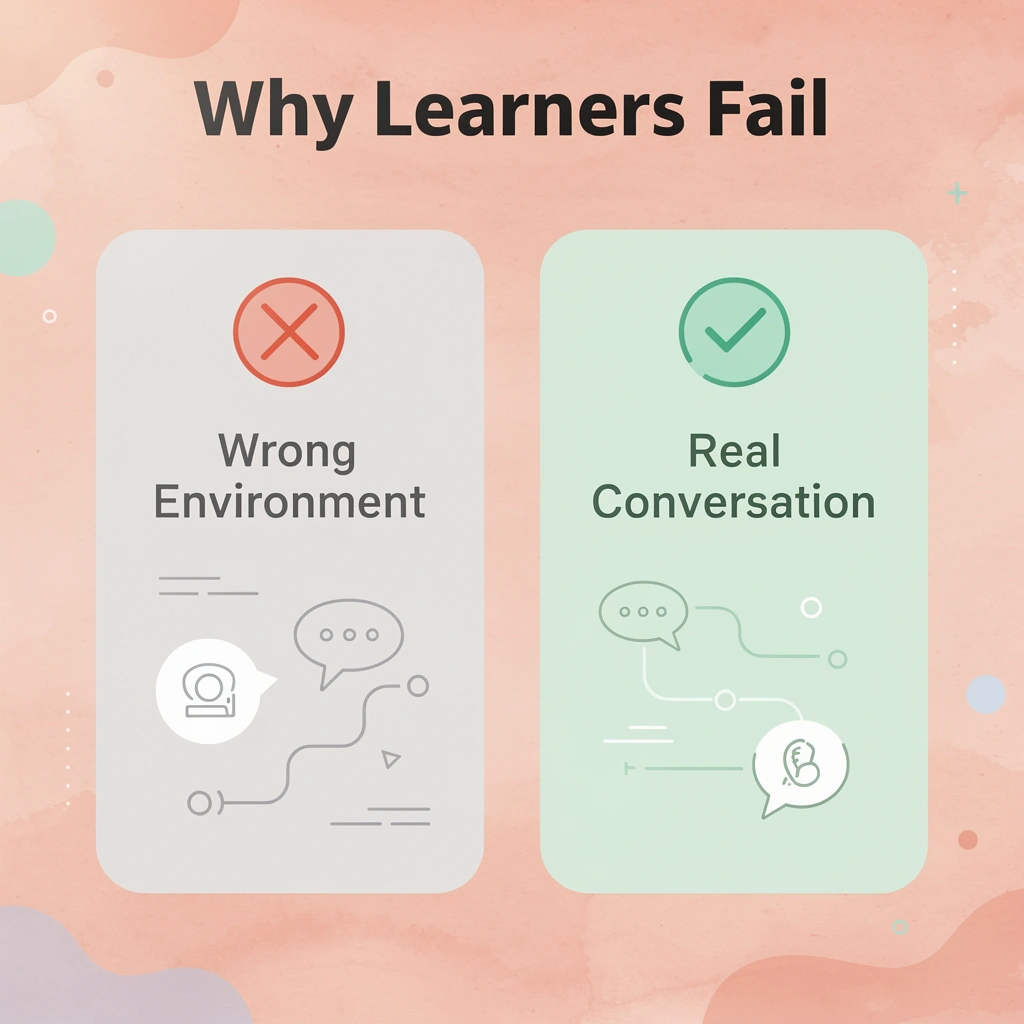
Most people don't fail at Spanish because they don't try hard enough; they fail because they spend their limited time in the wrong environment, practicing grammar patterns that never turn into real conversation. You already know what makes some programs work compared to programs that feel productive without producing results.
"The difference between programs that feel productive and programs that actually build fluency comes down to one thing: real input in the right environment."
💡 Tip: If your current method isn't producing real conversations, it's not an effort problem—it's an environment problem. Focus on meaningful input before adding more study hours.
⚠️ Warning: Drilling grammar patterns in isolation is one of the most common mistakes learners make. Pattern recognition without real-world context rarely transfers to actual speaking ability.
If you need real Spanish exposure, learn Spanish with Parrot and start your free 7-day trial. From your first session, explore short videos matched to your skill level and interests, use clickable subtitles and instant translations, and save vocabulary from content you genuinely enjoy.
Feature
What It Does
Short Videos
Matched to your skill level and interests
Clickable Subtitles
Instant access to translations in context
Vocabulary Saving
Build a personal word bank from content you enjoy
Free 7-Day Trial
Full access with zero commitment
🎯 Key Point: Ten minutes a day fit into the time you already have is enough to build real momentum through comprehensible input—the method proven to accelerate language acquisition.
✅ Best Practice: Start with content that genuinely interests you. When you're engaged with the material, vocabulary retention and comprehension improve dramatically—making every 10-minute session count.
Related Reading
Alternative To Pimsleur
Rocket Spanish Vs Babbel
Rocket Spanish Vs Rosetta Stone
Babbel Spanish Review
Duolingo Vs Rosetta Stone
Living Language Vs Rosetta Stone
Pimsleur Vs Babbel
Rocket Spanish Vs Pimsleur
Duolingo Alternatives
Best Duolingo Alternative For Spanish
Rocket Spanish Review
Best Free App To Learn Spanish
Pimsleur Spanish Review
Rosetta Stone Alternatives