Learning Spanish feels straightforward until a native speaker replies at full speed and the mind goes blank. Most learners spend months with apps and textbooks but never build the reflex to respond naturally in real conversations. The best way to learn conversational Spanish comes down to choosing tools that prioritize speaking practice over passive study, because hours logged mean little without consistent output.
Not all Spanish learning resources are built the same. Some focus heavily on grammar drills and vocabulary lists, which build knowledge but rarely translate to fluency under pressure. Speaking practice that mirrors real conversations, whether for travel, work, or everyday social situations, is what actually closes the gap between knowing Spanish and using it. For structured practice designed around real speaking skills, learn Spanish.
Table of Contents
Why So Many Learners Search for the Best Spanish Learning Tools
What Makes a Spanish Learning Tool Actually Effective?
The 13 Best Tools to Learn Spanish
How to Build a Spanish Learning System That Actually Works
Which Spanish Learning Tools Are Right for Your Goals?
How Parrot Brings the Best Spanish Learning Tools Together
Start Learning Spanish Today
Summary
Learners who struggle with conversational Spanish often have a method problem, not a time problem. Spending months with apps and textbooks can build familiarity with Spanish as a subject without building the ability to respond naturally when a native speaker talks at full speed. The gap between passing a quiz and following a real conversation is wider than most study routines account for.
The research on distributed practice is consistent: short, regular sessions outperform long, infrequent ones for language retention, and the difference compounds over months. A striking benchmark from UW-La Crosse Currents puts this in context, noting that 34 hours of engaged app use can equal a semester of university-level instruction, but only when the brain is actively processing meaning rather than clicking through exercises passively.
Most learners default to stacking tools without connecting them to a coherent method. One app handles vocabulary, another covers grammar, a podcast fills commute time, and flashcards round out the routine. Without a clear logic linking these activities, learners spend more time managing the system than acquiring the language, and conversational ability stays out of reach.
The tools that produce real fluency share a specific quality: they require the brain to process meaning in context rather than recognize isolated patterns. Activities like drilling conjugation tables or tapping correct translations before a timer runs out build familiarity with Spanish as a subject. Tools built around comprehensible input, authentic listening, and contextual vocabulary build the ability to understand and respond in actual conversation.
Choosing the right tool depends heavily on the skill being targeted. Vocabulary tools do not improve listening speed. Grammar courses do not build conversational confidence. Learners who stall often continue using beginner-level tools past the point where those tools can help, when what they actually need is exposure to authentic speech at natural pace and practice producing language without a script.
Cost is rarely the deciding factor in whether a tool produces results. Free resources like Language Transfer and YouTube channels designed for Spanish learners can carry someone from zero to intermediate with consistency alone. Paid platforms justify their price when they save time, personalize the learning path, or reduce the friction that causes learners to stop showing up, which is ultimately the variable that matters most.
Parrot's Learn Spanish addresses this directly by delivering short-form authentic video content grounded in comprehensible input research, fitting into the scrollable gaps already in a learner's day rather than requiring a dedicated study block to make progress.
Why So Many Learners Search for the Best Spanish Learning Tools
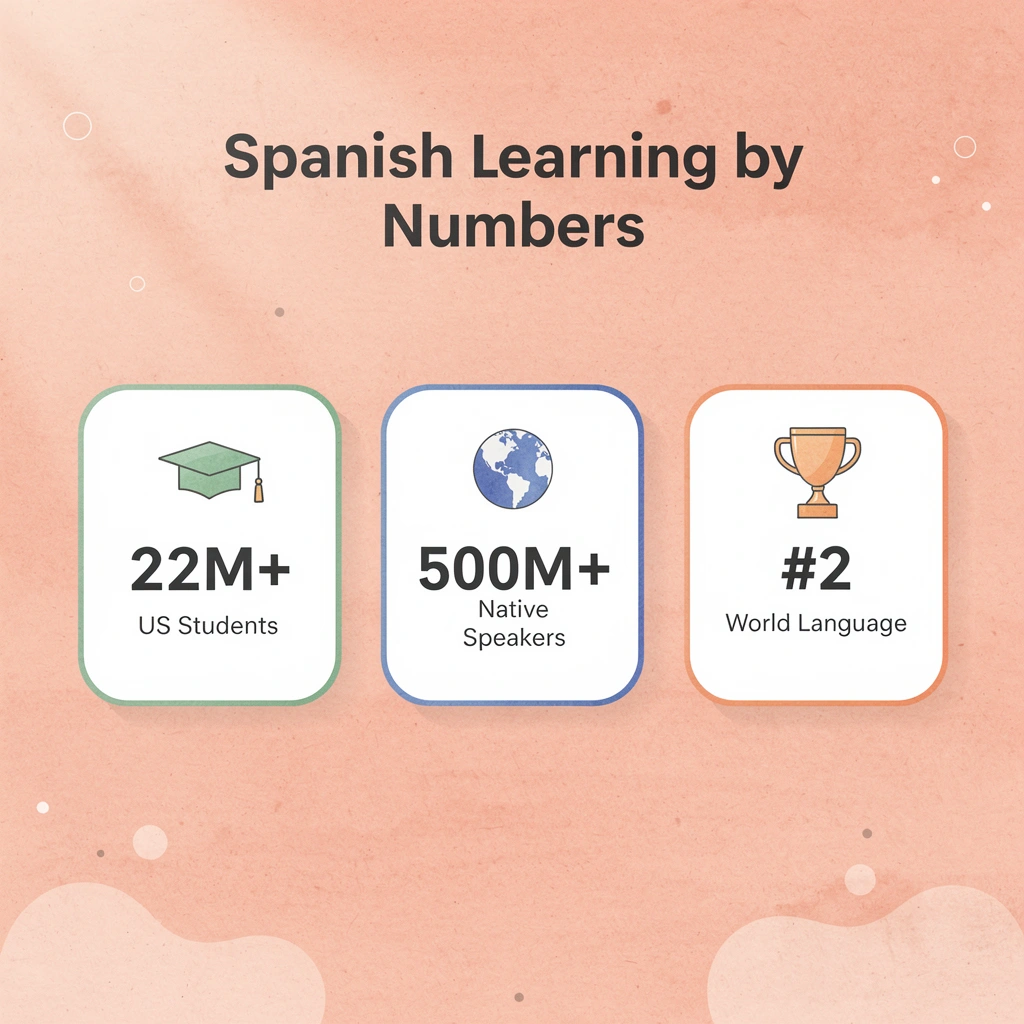
Searching for the best Spanish learning tools shows genuine urgency. According to PolyChat Blog, Spanish is studied by over 22 million students in the US alone, most with clear, personal goals: a job in a bilingual market, a relationship with a partner's family, or a move to a Spanish-speaking country. The stakes are personal.
"Spanish is studied by over 22 million students in the US alone: most with clear, high-stakes goals driving their search." — PolyChat Blog
🔑 Takeaway: With 22 million+ learners actively searching for the right tools, the demand is goal-driven urgency with real consequences.
Urgency plus abundance creates paralysis. When learners care deeply about a goal and face hundreds of competing options, they research exhaustively: comparing apps, reading reviews, and building detailed study systems before speaking a single sentence. The research feels productive. It rarely is.
💡 Tip: If you've spent more time comparing tools than actually using them, that's a sign of analysis paralysis — the real obstacle between you and fluency.
⚠️ Warning: Excessive pre-study research is one of the most common traps for motivated learners. The best Spanish learning tool is the one you actually open, not the one you spent weeks researching.
Are learners really searching for a tool or a method they can trust?
What learners search for is not a tool but a method they can trust. A tool delivers something; a method provides the underlying logic that determines whether you'll achieve fluency or mere familiarity with Spanish content. Confusing the two explains why someone can spend six months on a popular app and still freeze when a native speaker talks at full speed.
The familiar approach stacks tools: one app for vocabulary, another for grammar, a podcast for listening, flashcards for review. Without a coherent method connecting them, learners spend more time managing the system than acquiring language. Parrot's Learn Spanish takes a different path, using short-form video immersion grounded in comprehensible input research, so the method is built into the experience.
Why does Spanish's global scale make slow progress feel worse?
Spanish's scale amplifies the perceived cost of choosing wrong. Makesyoufluent.com reports that Spanish is spoken by over 500 million native speakers worldwide, making it visible in business, travel, and daily life. This visibility keeps the goal alive but amplifies anxiety about slow progress. When you hear Spanish everywhere and still cannot follow a conversation, the gap feels wider than it is.
The search for better tools signals that something in the current approach is not working, but the answer is rarely a new app. It is a clearer understanding of what produces conversational ability versus what produces the feeling of learning.
What Makes a Spanish Learning Tool Actually Effective?
Good Spanish learning tools give you chances to use the language over and over in ways that actually matter. Our Parrot app helps you move beyond passive test prep and into real conversation practice — the kind that builds genuine fluency. Everything else is just practice for a test, not getting ready to actually talk to people.
"The difference between a tool that builds real fluency and one that just drills vocab is simple: one prepares you for conversations, the other prepares you for tests." — Parrot App
💡 Tip: When evaluating any Spanish learning tool, ask yourself one question — does it prepare you to speak, or just to score? The best tools, like Parrot, do both.
🎯 Key Point: Effective Spanish learning isn't about memorizing words in isolation — it's about repeated, meaningful exposure to the language in contexts that mirror real-world conversation.
Different language-learning tools are designed for different outcomes, with varying levels of real-world applicability:
Test preparation apps – Focus on vocabulary recall and grammar rules, making them well suited for exams but less effective for everyday communication.
Flashcard tools – Strengthen word memorisation and vocabulary retention, though they provide only moderate preparation for real conversations.
Parrot – Emphasises real conversational practice through authentic language exposure, helping learners develop practical speaking and comprehension skills.
What separates acquisition from activity
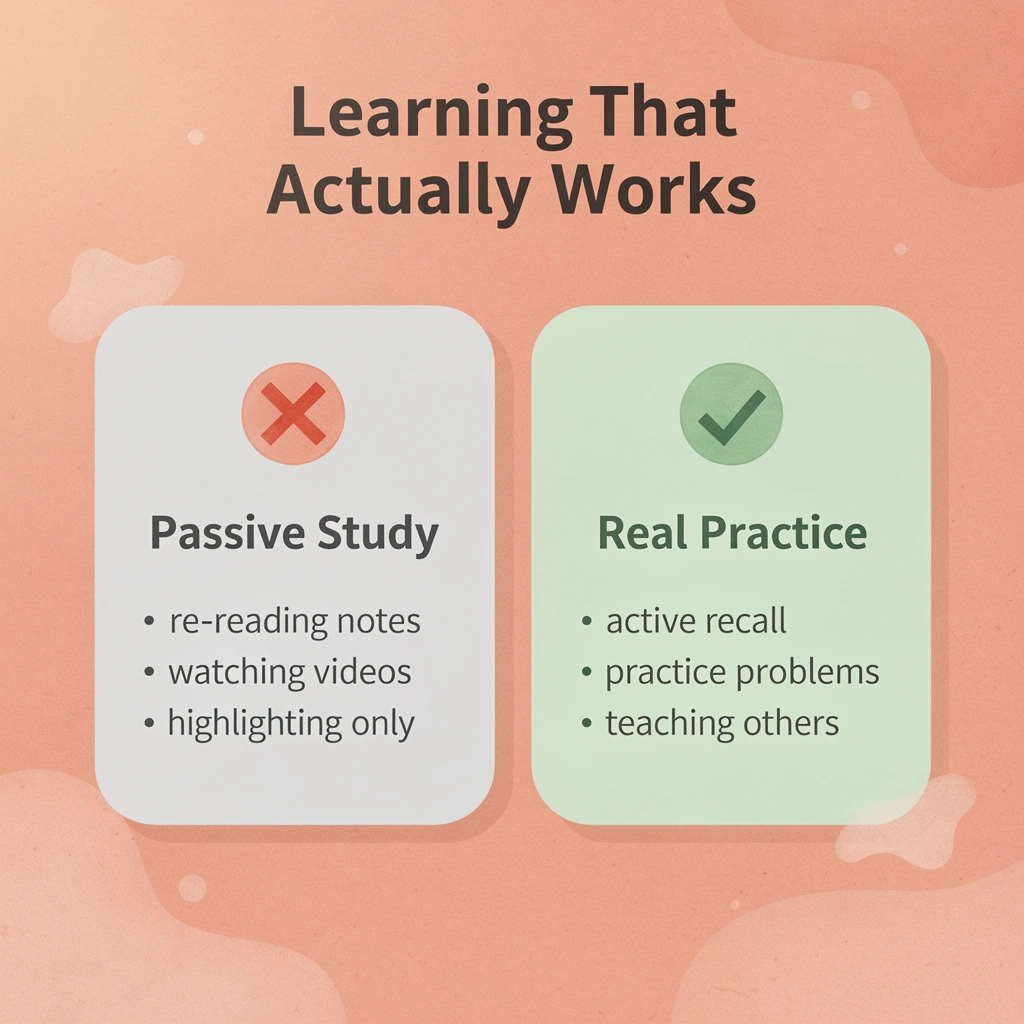
Most learners measure progress by time spent, lessons completed, or streaks maintained. A learner who spends forty minutes matching vocabulary tiles has done something, but the brain has not been asked to understand meaning in context, follow natural speech patterns, or produce language under real communicative pressure. Activity and acquisition can look identical from the outside while producing completely different results.
What do effective tools actually ask the brain to do?
Tools that help learners progress share one quality: they make your brain work to understand meaning, not notice patterns. Graded readers do this. Comprehensible audio does this. Conversation practice does this. Drilling conjugation tables or racing against the clock to tap correct translations builds familiarity with Spanish as a subject, not fluency as a language.
Why do most learners default to structured apps instead?
Most learners choose structured, gamified apps because they are easy to open, simple to measure, and satisfying to complete. According to The Spanish Experiment's review of the best ways to learn Spanish, Rocket Spanish has learners practicing real-world tasks like ordering coffee by lesson 3. Tools that close the gap between study and use help learners progress faster than those that delay practical application behind grammar prerequisites.
What happens when comprehensible input starts from day one?
Apps like Parrot use this idea through short-form video learning, exposing learners to real Spanish content from the start. Delaying "real Spanish" until advanced stages creates a barrier most learners never overcome. When comprehensible input is the method from day one, your brain connects meaning to sound immediately, which is how conversational ability develops.
Why consistency beats intensity
Short, regular study sessions work better than long, infrequent ones for learning languages, with differences becoming more pronounced over months. This underscores the importance of designing learning around how your brain stores information. UW-La Crosse Currents reports that 34 hours of Duolingo is equivalent to a semester of university-level language instruction, but only when you engage with full attention rather than clicking through mindlessly. The time spent in a tool matters far less than what your brain is doing during that time.
The tools worth keeping in your routine are the ones that make practicing regularly feel natural rather than obligatory.
Related Reading
Best App To Learn Spanish While Driving
How To Learn Spanish In A Week
Games To Learn Spanish
Best Tools To Learn Spanish
Reasons To Learn Spanish
The 13 Best Tools to Learn Spanish
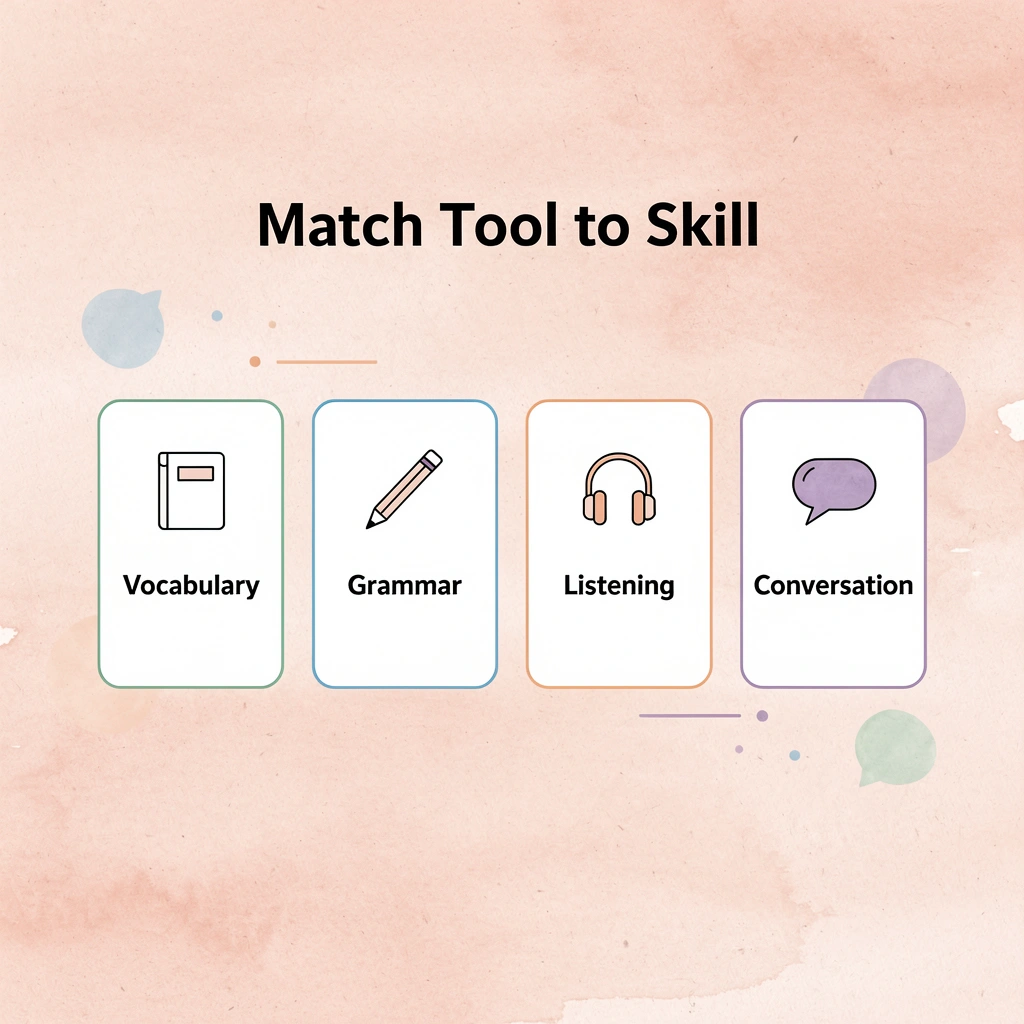
The 13 tools below each serve a different purpose. Vocabulary tools won't improve your listening. Grammar courses won't make you fluent in conversation. Match the tool to your target skill.
1. Parrot: Best for Building Conversational Listening Skills
Parrot is built around comprehensible input—the research-backed principle that acquisition happens when you understand language slightly above your current level. It personalizes short-form videos to your proficiency and interests, making content feel natural rather than constructed.
Most learners can pass quizzes but struggle to follow native speakers at normal speed. Parrot closes that gap by training your ear on authentic Spanish rather than slowed-down textbook dialogue. For conversational fluency, our app works well as a primary resource, fitting into scrollable gaps in your day rather than requiring dedicated study blocks.
2. Duolingo: Best for Building Daily Learning Habits
According to makesyoufluent.com's roundup of the best Spanish language apps, Duolingo has over 500 million downloads worldwide. The streak system, bite-sized lessons, and gamified structure encourage daily practice.
Duolingo focuses on keeping users engaged rather than helping them learn the language. It works best as a habit-building tool for beginners, not as a path to conversation on its own.
3. Pimsleur: Best for Pronunciation and Guided Speaking Practice
Pimsleur uses an audio-first approach, requiring you to listen and speak aloud from the first lesson. This immediate speaking requirement builds pronunciation muscle memory in ways reading-based tools cannot replicate. The structured dialogues build confidence with common phrases, though they don't prepare you for unpredictable real conversations.
It suits commuters or anyone who learns better without a screen.
4. Anki: Best for Vocabulary Review
Most vocabulary tools teach words in isolation. Anki solves a different problem: it keeps words you've already learned from being forgotten before you know them well.
Using spaced repetition, Anki schedules reviews at exactly the times your memory needs them. It works best when you fill it with vocabulary you've actually encountered in reading or listening, rather than going through a generic list of common words.
5. Dreaming Spanish: Best for Comprehensible Input
Dreaming Spanish offers thousands of videos organized by proficiency level, built on the principle that listening to understandable Spanish is more effective than studying Spanish about Spanish. Content starts easy to understand and gradually introduces harder material as comprehension grows.
For beginners and intermediate learners building listening skills without translation, it serves as a primary resource. The volume of content ensures you won't run out of material at any stage.
6. Language Transfer: Best Free Audio Grammar Course
Language Transfer walks you through the logic of how Spanish works, helping you construct sentences from first principles rather than memorize rules or recite drilled patterns.
It's an effective starting point for learners who want grammatical intuition without the burden of traditional grammar instruction. Once the foundation is established, use it as a reference rather than a daily tool.
7. italki: Best for One-to-One Tutoring
When you study on your own, pronunciation errors and fossilized mistakes can go uncorrected for weeks. italki breaks that pattern by connecting you with professional teachers and community tutors for live, personalized sessions.
For speaking confidence and real-time feedback, it's one of the best tools available. Pair it with independent listening and vocabulary work so session time advances rather than reviews basics.
8. HelloTalk: Best for Language Exchange
HelloTalk connects intermediate learners with native speakers for text, voice, and video exchange without tutoring costs. The reciprocal structure, where you help someone learn your language while they help you with Spanish, creates natural accountability that keeps both parties engaged.
It's not suitable for absolute beginners, who lack sufficient foundation for productive exchanges. But learners with basic conversational skills gain authentic interaction that structured courses cannot replicate.
9. SpanishDict: Best Dictionary and Grammar Reference
SpanishDict is a tool that provides quick answers for verb conjugations, word differences, and pronunciation without unnecessary complexity.
Learners at every level use it, from beginners looking up basic words to advanced learners checking how words are used in different regions. Keep it open in a browser tab rather than relying on it as your main study tool.
10. News in Slow Spanish: Best for Intermediate Listening Practice
The gap between learner materials and real native speech is one of the most discouraging parts of language learning. News in Slow Spanish bridges it by presenting real news content at a deliberately reduced pace before gradually increasing to natural speed. It's calibrated for intermediate learners who understand Spanish in controlled settings but struggle with native speed. Regular use builds the processing speed that transforms authentic listening from decoding to understanding.
11. LingQ: Best for Reading and Listening Together
LingQ combines written texts with audio, letting you highlight unfamiliar words, save them, and encounter them again across different content. The platform builds vocabulary through repeated, meaningful exposure rather than isolated drilling.
It works well for learners who enjoy reading and want to build vocabulary over time. Depending on your learning style, it can form the main part of your study routine or complement listening-focused practice.
12. YouTube: Best Free Source of Authentic Spanish Content
According to makesyoufluent.com, Spanish is spoken by over 500 million native speakers worldwide. YouTube offers enormous variety: travel vlogs from Mexico City, cooking channels from Buenos Aires, sports commentary from Madrid, and news from Miami. This regional and stylistic range surpasses any single learning platform.
YouTube is most valuable as immersion practice rather than passive entertainment. Choosing channels that match your interests keeps you consistently exposed to the language needed to build real comprehension.
13. Netflix (with Spanish Audio and Subtitles): Best for Immersive Listening Practice
Watching shows you already know in Spanish removes cognitive load, letting you focus on language rather than plot. This approach suits intermediate learners not yet ready for new content at native speed.
Netflix works best for extended listening practice in a low-pressure format. Pair Spanish audio with Spanish subtitles rather than English ones to keep your brain processing in the target language instead of translating.
The most effective learners build a small, intentional stack where each resource targets a different skill, used consistently enough that gaps between tools close naturally.
Related Reading
How To Learn Spanish On Your Own
Best App To Learn Mexican Spanish
How To Learn Medical Spanish
Fastest Way To Learn Spanish
Best App To Learn To Speak Spanish
Mango Vs Rosetta Stone
Best Way To Learn Spanish As An Adult
Rosetta Stone Spanish Reviews
How to Build a Spanish Learning System That Actually Works
A collection of apps is not a system—a system produces fluency. The difference is intentionality. Each activity has a specific job: structured lessons build grammar scaffolding, listening practice trains your ear to process natural speech at speed, speaking forces retrieval and production (where real retention happens), and vocabulary review reinforces words encountered in context. When these activities overlap and reinforce each other, progress compounds. When they don't, you stay busy without moving forward.
🎯 Key Point: Every activity in your learning routine should have a defined purpose. If you can't explain what a task is training, it probably doesn't belong in your system.
⚠️ Warning: Stacking more apps without a connecting strategy is one of the most common mistakes learners make. Busyness is not progress.
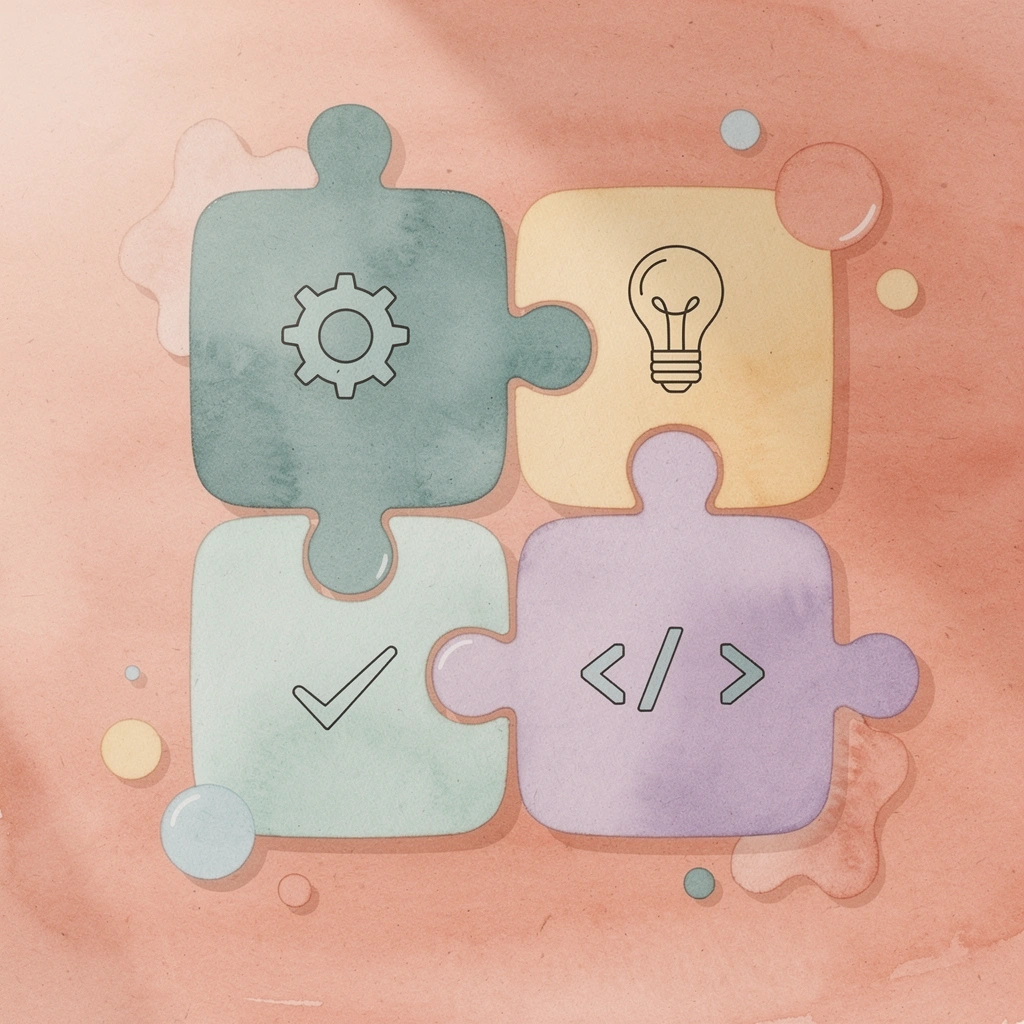
"Spanish is spoken by over 500 million native speakers worldwide across dozens of countries and registers." — Let's Speak Spanish
According to Let's Speak Spanish, you're not memorizing fixed rules—you're training your brain to process a living language that sounds different in Mexico City than in Buenos Aires or Madrid. A system built around authentic, varied input prepares you for that reality. A grammar workbook alone does not.
Each language-learning approach develops different skills and contributes differently to real-world communication:
Structured lessons – Build grammar foundations and language structure, providing a solid starting point for further learning.
Listening practice – Trains learners to process natural speech, making it highly valuable for real-world comprehension.
Speaking and retrieval practice – Strengthens active language production and long-term retention, offering very strong preparation for real conversations.
Vocabulary in context – Reinforces new words through meaningful usage, improving both understanding and recall.
Grammar workbooks alone – Focus primarily on memorising language rules, but provide limited preparation for real-world communication.
💡 Tip: Prioritize authentic, varied input—podcasts, native speakers, regional media—so your brain learns to handle the full spectrum of how Spanish is actually spoken across dozens of countries and registers.
Why do short, frequent sessions outperform long study blocks?
Most learners default to long, scheduled blocks and feel guilty when life interrupts. That guilt is a design flaw. The most consistent learners treat short, frequent exposure as the unit of progress: fifteen minutes of comprehensible listening during a commute, a five-minute vocabulary review between meetings, a quick shadowing exercise before bed. Parrot delivers short-form Spanish video immersion that fits into the scrollable gaps already in your day rather than demanding a dedicated time block.
Which activities actually build conversational fluency?
The failure point in most routines is not motivation but misalignment between effort and outcome. Learners spend 80 percent of their time on activities that feel productive (grammar charts, app exercises) yet produce minimal conversational ability. The activities that build fluency (listening to authentic Spanish, speaking without a script, reading real content) feel harder and less satisfying in the short term. That discomfort signals you're in the right territory. Rebalancing toward those activities changes the trajectory.
How does a circular system keep all your skills reinforcing each other?
A practical weekly system doesn't need to be complicated. Let's Speak Spanish explains the main idea: balance structured learning with real-world exposure and regular speaking practice, keep sessions short enough to sustain, and let each activity reinforce the others. Grammar helps you understand what you hear. Listening builds vocabulary. Speaking reveals gaps in knowledge. Reading reinforces patterns. The system works because it cycles rather than progresses linearly.
Building the right system is only half the challenge. The other half is knowing which specific tools fit your goals, schedule, and current situation.
Which Spanish Learning Tools Are Right for Your Goals?
Your current level is the first filter. Beginners need structure because real Spanish without a vocabulary base is just noise. Intermediate learners need real exposure, real conversations, and tools that show gaps they don't know they have.
"The tools that get you started are rarely the tools that get you fluent — matching your resources to your level is the single most important decision a language learner can make."
The most effective learning tools change as your language skills develop:
Beginner – Focus on building structure and a strong vocabulary foundation with structured apps and guided courses.
Intermediate – Prioritise real language exposure and conversation practice through native content and speaking-focused tools.
Advanced – Develop fluency under real-world conditions by using native media and immersive experiences that expose you to natural speed, idioms, and regional accents.
💡 Tip: If you're still unsure of your level, ask yourself one question — can you form basic sentences without hesitation? If yes, you've likely outgrown beginner tools and need real input at natural speed.
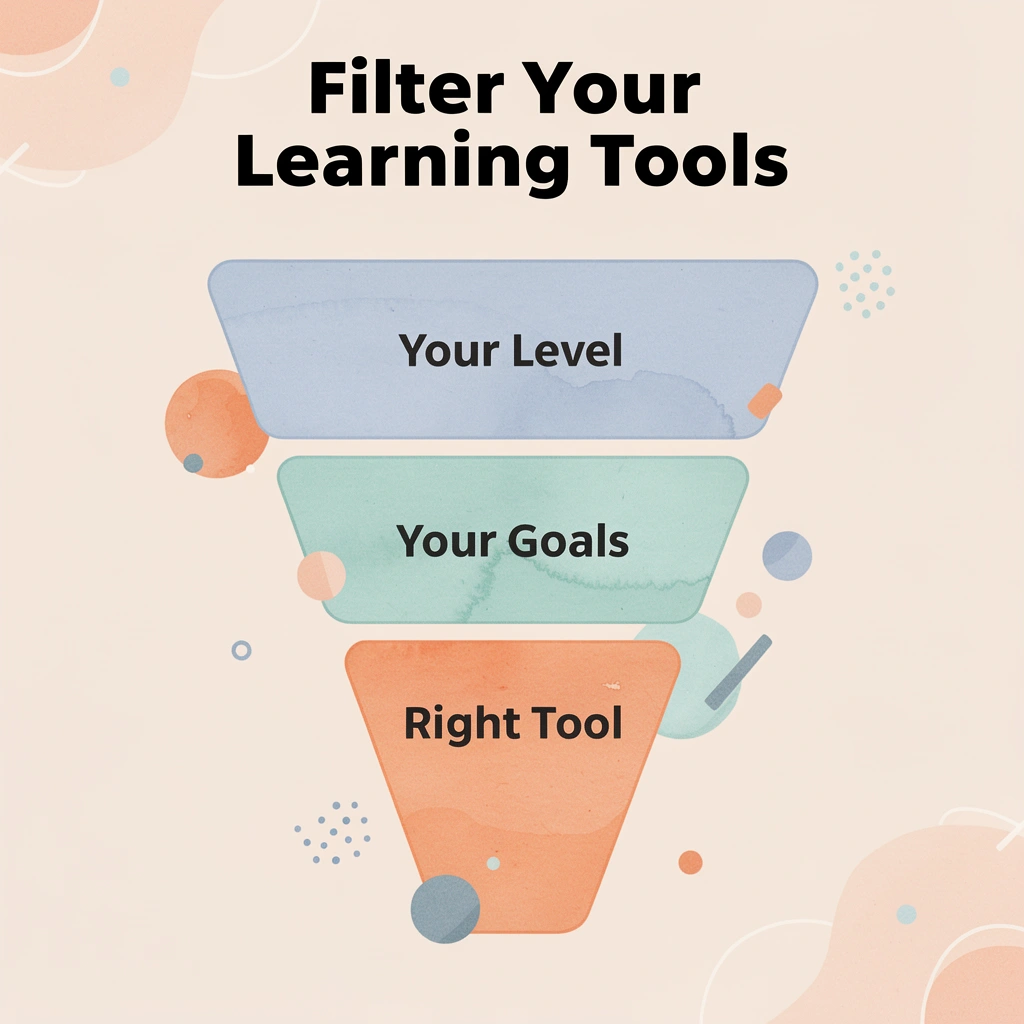
The pattern across learners who get stuck is clear: they use beginner tools past their usefulness. A structured app serves a purpose early on, but once you can form basic sentences, you need to understand native speakers at natural speed, including humor, idiom, and regional accent. No flashcard deck builds that.
⚠️ Warning: Staying in your comfort zone with beginner apps past the intermediate stage creates a false sense of progress — your streak grows, but your real-world comprehension stalls.
🔑 Takeaway: The real goal isn't completing lessons — it's performing under pressure with native speakers. If your tools don't expose you to natural speed, colloquial language, and regional accents, they're holding you back.
Does your goal change which tools you actually need?
Most learners who focus on travel Spanish need far less grammar than they think. Practical vocabulary, listening comprehension for fast-spoken directions or menu explanations, and confidence to attempt imperfect sentences will carry you through almost any trip. Long-term learners pursuing fluency need a broader system, but the tools that matter most shift as your language skills improve.
The familiar approach—picking one app and trusting it to handle everything—works until you realize the app was designed to keep you engaged, not make you fluent. Gamification and streaks measure activity, not learning. Learners seeking conversational ability find that tools built around comprehensible input, short-form authentic video, and contextual vocabulary close the gap between understanding Spanish in a lesson and understanding it in real situations. Parrot uses short video immersion grounded in Dr. Stephen Krashen's research, delivering exposure in a scrollable format that fits your day without requiring a dedicated study block.
How much does commitment level shape the tools that work for you?
How committed you are matters, but not in the way most people think. Casual learners need tools that are easy to open and use. Fifteen minutes of understandable language input daily works better than a two-hour session on Saturday because language learning builds cumulatively and spacing out practice matters. Highly committed learners thrive by mixing structured input with conversation practice and vocabulary review, since each skill reinforces the others in ways a single tool cannot.
Is cost actually the deciding factor when choosing a Spanish tool?
Cost is rarely the deciding factor. Free resources like Language Transfer and YouTube channels can help someone progress from beginner to intermediate level with consistent practice. Paid platforms earn their price by saving time, personalizing your learning path, or providing accountability. The real question isn't what a tool costs, but whether you'll use it in four months.
The hardest part isn't choosing the right tools. It's knowing when to stop preparing and start.
How Parrot Brings the Best Spanish Learning Tools Together
Most Spanish learners struggle not because they lack resources, but because their resources are spread across many different apps. One app teaches vocabulary, another explains grammar, a third provides speaking practice, and a fourth offers real videos. Constantly switching between tools fragments the learning experience, creating fragmented progress instead of real fluency.
"The biggest barrier to language learning isn't motivation — it's friction. Every extra app a learner must open is another opportunity to quit." — Language Learning Research
💡 Tip: If you're using 4 or more apps to learn Spanish, you're spending more time managing tools than learning. Consolidation is key.

Parrot makes this simpler by bringing together the parts that matter most for learning a language — all in one place. Instead of bouncing between platforms, learners get vocabulary, grammar, speaking practice, and authentic content under a single roof, creating a seamless, uninterrupted learning flow.
Parrot combines multiple language-learning components into a single, integrated experience:
Vocabulary – Instead of relying on a separate app, vocabulary learning is built directly into the platform.
Grammar – Grammar is taught within the learning experience, removing the need for additional resources.
Speaking practice – Learners can practise speaking without switching to a separate application.
Real video content – Authentic native-speaker videos are included as a core part of the learning process, rather than requiring a separate platform.
🎯 Key Point: Parrot eliminates the constant context-switching that kills momentum and retention — replacing fragmented tools with one unified learning experience.
🔑 Takeaway: The best Spanish learning tool isn't the one with the most features — it's the one that keeps all the right features together, so you can focus on what actually matters: making progress.
How does comprehensible input help you understand real Spanish?
Structured lessons often fail to prepare learners for understanding real Spanish. Parrot addresses this with research-backed comprehensible input through engaging short-form videos. Instead of practicing isolated sentences, you hear authentic Spanish from native speakers in level-matched content, developing listening comprehension naturally while expanding vocabulary through meaningful exposure.
How do clickable subtitles keep you focused while learning?
Another frustration is constantly stopping your learning to translate unfamiliar words. With clickable subtitles and instant translations, Parrot lets you understand new vocabulary without leaving the video or breaking your focus, keeping your attention on the overall message and making learning smoother.
How does saving words in context improve vocabulary retention?
Words you memorize using flashcards are often hard to recall when talking to someone. Parrot lets you save words and expressions from videos and review them in the real situations where you first encountered them. Seeing words across different contexts helps you remember them better and use them naturally.
How does a personalized recommendation feed save you time?
Finding good Spanish content takes considerable time—learners often spend nearly as much time searching for videos as learning from them. Parrot's AI-powered recommendation feed personalizes authentic Spanish videos based on your skill level and interests. As your understanding improves, the content adapts accordingly, ensuring you always have material that challenges you appropriately without switching between different apps.
The best Spanish learning tool helps you spend more time understanding real Spanish and less time managing different apps. By combining comprehensible input, contextual vocabulary learning, personalized recommendations, and authentic content in one place, Parrot transforms consistent daily practice into meaningful conversational progress.
Start Learning Spanish Today
You've done the research and mapped out a system. The only thing left is starting—not with a perfect setup, but with five minutes of real Spanish input today.
"The difference between learners who succeed and those who don't isn't talent—it's starting small and starting now." — Language Acquisition Research
🎯 Key Point: You don't need a perfect plan to begin. Five minutes of authentic Spanish input today outweighs a flawless system launched next week.

If you want a tool built around how learning actually works, Learn Spanish with Parrot delivers short-form authentic video content with contextual vocabulary support and AI-driven recommendations that adapt to your level. It fits into the gaps you already have, not the schedule you wish you had. That's the difference between a tool you open once and one you keep coming back to.
💡 Tip: The best language learning tool isn't the most feature-packed one—it's the one that fits your real life and keeps you consistently engaged.
🔑 Takeaway: Authentic input + AI-driven personalization + micro-session design = a system that works with your schedule, not against it.
Related Reading
Babbel Spanish Review
Pimsleur Spanish Review
Duolingo Alternatives
Rocket Spanish Vs Babbel
Alternative To Pimsleur
Living Language Vs Rosetta Stone
Duolingo Vs Rosetta Stone
Best Duolingo Alternative For Spanish
Pimsleur Vs Babbel
Best Free App To Learn Spanish
Rocket Spanish Vs Rosetta Stone
Rosetta Stone Vs Pimsleur
Rosetta Stone Alternatives
Rocket Spanish Review