Choosing between Rocket Spanish and Babbel is a common sticking point for anyone serious about picking up conversational Spanish. Both programs are popular, but they take different approaches to lesson structure, speaking practice, and pricing. Understanding those differences makes it easier to pick the one that fits how you actually learn.
Rocket Spanish leans into deeper grammar instruction and audio-heavy lessons, while Babbel focuses on short, practical conversations built around everyday situations. Neither is a perfect fit for every learner, and both fall short on real-time speaking practice. For those who want to go further and build genuine conversational confidence, learn Spanish with Parrot, a tool designed to turn passive study into active, real-world conversation.
Table of Contents
Why Comparing Rocket Spanish and Babbel Isn't as Simple as It Looks
Why Neither Rocket Spanish nor Babbel Automatically Makes You Conversational
Rocket Spanish vs. Babbel: What Each Program Does Best
What to Look for Beyond Rocket Spanish or Babbel
Is Rocket Spanish or Babbel Better for Your Spanish Goals?
How Parrot Complements Rocket Spanish and Babbel With Authentic Spanish
Start Learning Spanish Today
Summary
Structured language courses differ significantly in depth and time investment. Rocket Spanish offers three levels covering hundreds of hours of content, while Babbel's Spanish tracks are designed around shorter, repeatable sessions averaging 10 to 15 minutes per lesson. These are not equivalent approaches to the same goal. They reflect different assumptions about how learners build fluency and what kind of commitment they can sustain.
Regional variety is a practical consideration that most platform comparisons treat as a footnote. Babbel offers both European Spanish (up to C1) and Mexican Spanish (currently capped at B1), while Rocket Spanish focuses on Latin American Spanish. For learners with a specific region in mind, whether family in Mexico City or work in Madrid, this distinction shapes which platform is actually relevant to their goals.
The gap between completing lessons and holding a real conversation is where most learners quietly stall. Structured programs train recognition, identifying vocabulary and patterns in controlled, predictable contexts. Real conversation demands production, generating language in real time without a script, multiple-choice prompt, or a speaker slowing down for your benefit. Lesson volume does not close this gap on its own.
Comprehensible input research offers a practical reframe for this problem. A 2023 meta-analysis covering 24 studies and 2,771 participants found measurable vocabulary gains from reading, listening, and reading while listening. Dr. Stephen Krashen's foundational work on language acquisition argues that fluency develops through meaningful exposure pitched just above your current level, not through drilling repeated patterns until they feel automatic. Structured apps are not built around this principle.
Babbel claims users can hold a 15-minute conversation after just 5 hours of study, which may be accurate for basic travel phrases but is not the same as conversational fluency in unpredictable situations. ACTFL's proficiency framework measures real language ability by what a learner can do in unrehearsed situations, not by lessons completed or streaks maintained. That distinction changes how you evaluate progress and which tools you prioritize.
Personalization matters more than most learners account for when choosing a program. Someone preparing for professional communication in Mexican Spanish needs different vocabulary, rhythm, and exposure than someone building conversational skills for travel in Spain. Matching the tool to the specific regional variety and use case reduces wasted study time and keeps practice directly relevant to the conversations you will actually need to have.
Parrot's Learn Spanish addresses the comprehensible input gap directly by using short-form video content sequenced to each learner's level, exposing them to natural, unscripted Spanish at the pace real speakers actually use.
Why Comparing Rocket Spanish and Babbel Isn't as Simple as It Looks
Choosing between Rocket Spanish and Babbel means understanding how they fundamentally think about language learning in very different ways. These core differences change everything about how you study — and what you can actually do with Spanish six months from now.
"The platform you choose doesn't just affect your lessons — it shapes your entire learning trajectory, your habits, and your long-term fluency outcomes." — Language Learning Research
🎯 Key Point: This isn't a simple feature-by-feature comparison. Rocket Spanish and Babbel are built on different philosophies — and choosing the wrong one for your learning style can cost you months of progress.
⚠️ Warning: Don't pick a language app based on price or popularity alone. The real question is which learning approach matches how you absorb and retain new language skills.
Rocket Spanish and Babbel take different approaches, with Rocket focused on depth and Babbel designed for speed and convenience:
Learning philosophy → Rocket Spanish: Deep, structured mastery → Babbel: Bite-sized, conversational focus.
Lesson style → Rocket Spanish: Long-form, immersive audio → Babbel: Short, gamified modules.
Best for → Rocket Spanish: Serious, committed learners → Babbel: Casual, on-the-go learners.
Progress pace → Rocket Spanish: Slower but deeper → Babbel: Faster but lighter.
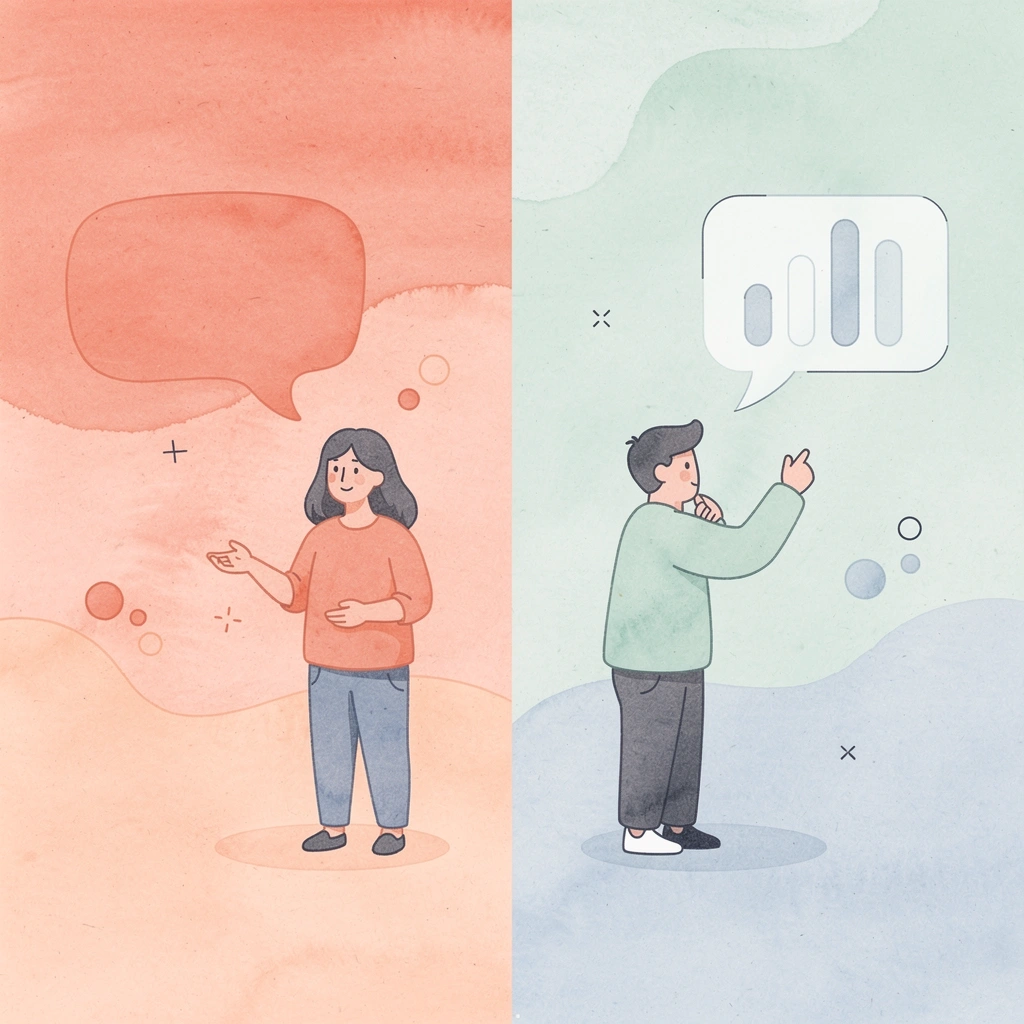
What do the numbers reveal about course depth?
According to Langoly's comparison of Rocket Spanish and Babbel, Rocket Spanish offers three levels covering hundreds of hours of content, while Babbel's Spanish tracks vary in depth by version. A learner who completes Rocket's full curriculum spends significantly more time learning than someone who finishes Babbel's shorter lesson sequences.
Is Babbel's speed promise enough for real conversation?
Babbel promises speed and accessibility. Cooljugator's 2023 analysis of Rocket Languages vs. Babbel notes that Babbel claims users can hold a 15-minute conversation after 5 hours of study. For a traveler needing basic phrases before a two-week trip, this may suffice. For someone who wants to follow native speakers in natural conversation, it's a starting point, not an end point.
The structure question nobody asks first
The critical difference isn't content volume; it's what each platform asks your brain to do. Rocket Spanish bundles audio lessons, grammar instruction, cultural context, and voice-recognition practice into a single curriculum. Babbel prioritizes compact, repeatable lesson cycles with speech recognition and AI-assisted conversation practice through Babbel Speak. One builds a broad foundation; the other builds a daily habit.
What happens when motivation fades around week six?
Most learners pick a platform based on week-one motivation, not strategy. Around week six or eight, the gap surfaces: you can answer multiple-choice questions about Spanish vocabulary but freeze when a native speaker responds at natural speed. That's where Parrot's learn Spanish tool comes in: short-form video immersion built on comprehensible input trains your ear for Spanish as it's spoken.
Does your Spanish variety preference change which platform fits?
Your Spanish variety preference adds another layer. Babbel lets you choose between Mexican Spanish and Spanish from Spain, with European Spanish available up to C1. Rocket's curriculum centers on Latin American Spanish. If you're learning Spanish to connect with family in Mexico City or planning to work in Madrid, this distinction matters—and neither platform makes it clear upfront.
But here's what the platform comparison doesn't settle, and what most reviews skip past.
Why Neither Rocket Spanish nor Babbel Automatically Makes You Conversational
Finishing a language course and having a real conversation are two very different things. Both Rocket Spanish and Babbel give you organized lessons, repeated vocabulary words, and practice saying words out loud — but neither one can give you the ability to think, listen, and respond right away without reading from a script.
"A language course can build your foundation, but true conversational fluency requires the ability to think, listen, and respond in real time — something no app can hand you automatically."
⚠️ Warning: Don't confuse course completion with conversational readiness. Finishing every lesson in Rocket Spanish or Babbel is a milestone — not a finish line.
💡 Tip: To bridge the gap between structured lessons and real fluency, supplement your app with live speaking practice, unscripted listening exercises, and immersive conversation sessions as early as possible.
Language apps provide structure and repetition, but they often cannot recreate the pressure and unpredictability of real-world conversation:
What apps can't provide → Organized lesson structure → Real-time thinking under pressure.
Vocabulary repetition → Spontaneous listening comprehension.
Scripted pronunciation practice → Unscripted conversation flow.
Progress tracking → Authentic cultural exchange.

What lessons actually train you to do
The failure point is usually invisible until you need Spanish in the real world. Lessons train recognition: you see or hear a word in context, and your brain confirms it. But conversation demands production, pulling the right word from memory while someone is mid-sentence, without a multiple-choice prompt to help you. That gap between recognizing Spanish and generating it under pressure is where most learners stall, not because they studied too little, but because the practice format never closed that gap.
Does more content actually build conversational flexibility?
According to Langoly, Rocket Spanish covers three levels of Spanish content totaling hundreds of hours of material. However, volume doesn't guarantee variety in learning methods. If most learning is scripted, linearly organized, and predictable, your brain adapts to one specific task type. Real conversations rarely follow that pattern.
Most learners address this by taking more lessons. The progress bar moves, creating a sense of advancement. But what improves is familiarity with the app's lessons, not the ability to use the language in different situations. Structured repetition can create a false ceiling: you feel advanced inside the app yet unprepared when a native speaker takes the conversation somewhere unexpected.
What does the research say about how language is actually acquired?
This is where Dr. Stephen Krashen's research on comprehensible input reshapes the comparison. Krashen argues that language is learned through meaningful, contextually rich exposure pitched above your current level, not through grammar drilling or activity completion. As TrusteDaily notes, both platforms describe pronunciation and speech-recognition tools in their official materials, yet neither guarantees conversational fluency on its own. Apps like Parrot address this gap by using short-form video immersion sequenced to your level, allowing your brain to absorb Spanish through real context rather than repeated drills.
Conversational fluency requires you to hear Spanish from unpredictable speakers at natural speed on topics you did not rehearse. A lesson dialogue, however well produced, is a controlled environment. Real speech is not. The sooner you treat structured coursework as the foundation rather than the destination, the faster you stop measuring progress by lessons completed and start measuring it by conversations you can hold.
Related Reading
Rocket Spanish vs. Babbel: What Each Program Does Best
The more precise question is: better at what, exactly, and for which stage of learning?
"The right tool depends entirely on where you are in your learning journey — beginner foundations and advanced fluency demand fundamentally different approaches."
🎯 Key Point: Neither Rocket Spanish nor Babbel is universally superior — each dominates in a specific stage of learning, and choosing the wrong one can slow your progress significantly.
Rocket Spanish and Babbel take different approaches to learning Spanish, with Rocket emphasizing depth and Babbel prioritizing convenience:
Best for → Rocket Spanish: Deep, structured learning → Babbel: Quick, conversational practice.
Learning stage → Rocket Spanish: Beginner to advanced → Babbel: Beginner to intermediate.
Lesson style → Rocket Spanish: Long-form, immersive → Babbel: Short, bite-sized.
Grammar depth → Rocket Spanish: ✅ Comprehensive → Babbel: ❌ Limited.
Conversational focus → Rocket Spanish: ✅ Strong → Babbel: ✅ Very strong.
Flexibility → Rocket Spanish: ❌ Time commitment required → Babbel: ✅ Learn in 5 minutes.
🔑 Takeaway: Matching your program choice to your current stage of learning is the single most important decision you can make for Spanish fluency.
💡 Tip: Ask yourself one question before choosing — are you building a foundation, or reinforcing conversational skills you already have? Your answer determines everything.

What does Rocket Spanish do best for learners who want depth?
Rocket Spanish is built for depth. Its three-level curriculum combines audio lessons, grammar instruction, cultural context, and voice-recognition practice into a single environment. According to The Spanish Experiment's Rocket Spanish Review, the program includes 31 interactive audio lessons averaging around 20 minutes each, alongside 33 dedicated Language and Culture lessons. This structure suits learners who prefer clear instruction and want to work through material in a planned sequence. Rocket's recent Level 1 update added modern vocabulary and new role-play conversations, bridging scripted practice and realistic dialogue.
What does Babbel do best for learners with a busy schedule?
Babbel is built for consistency. Its lessons fit inside a busy schedule without demanding large blocks of time, and Cooljugator's comparison of Rocket Languages vs. Babbel notes that individual lessons average 10 to 15 minutes each. This format makes daily practice sustainable. Babbel also offers Spanish podcasts from A1 through B2 with transcripts, extending its listening dimension beyond core lessons. For Spanish specifically, its Spain track reaches C1, while its Mexican Spanish course caps at B1: a meaningful difference if your target variety is Latin American Spanish.
How does each program fit differently?
The key difference is program structure. Rocket Spanish creates a complete learning environment, integrating grammar, audio, culture, and pronunciation in one place. Babbel structures lessons as focused, practical units, using repetition and review to build learning over time. Neither approach is wrong; they reflect different philosophies about learner engagement and motivation.
What happens when structured lessons hit their limit?
Most learners eventually hit the same wall: they complete lessons, score well on reviews, and freeze when a native speaker talks at natural speed. That gap isn't a product failure; it's a method gap that structured curricula cannot close. Apps like Parrot address this by using short-form video content sequenced through comprehensible input principles, exposing learners to real Spanish in authentic contexts—the kind of input that builds neural pathways structured lessons alone cannot reach.
Both Rocket Spanish and Babbel serve a purpose in early and intermediate stages. Rocket provides scaffolding; Babbel builds habit. Neither offers experience processing Spanish as it sounds naturally, without accommodation for learners.
Once you understand what structured programs can and cannot do, the next question becomes harder.
What to Look for Beyond Rocket Spanish or Babbel
Rocket Spanish and Babbel help you build a language foundation, but they don't get you to fluency. Most learners get stuck in the gap between finishing a course and having real conversations.
"The difference between a language app and true fluency is the ability to hold real, unscripted conversations — something most beginner platforms are never designed to deliver." — Language Learning Research
💡 Tip: If you've completed Rocket Spanish or Babbel and still feel stuck, you're not failing — you've simply hit the ceiling of what beginner apps can offer. It's time to look beyond them.
⚠️ Warning: Relying solely on app-based courses creates a false sense of progress. Finishing a course does not equal fluency — it means you're ready to start real learning.
Rocket Spanish and Babbel provide structured learning foundations, but both leave an important gap in real-world language use:
Rocket Spanish → Gives you structured vocabulary & grammar → Misses real conversation practice.
Babbel → Gives you beginner-friendly lessons → Misses advanced fluency & spontaneity.
Beyond both → Adds immersive, real-world practice → Fills the critical gap they leave behind.

Why does real conversation feel so different from lessons?
The problem isn't how much you're exposed to the language, but how good that exposure is. Structured programs provide controlled, predictable language. Real conversations don't. Native speakers compress syllables, use regional slang, and shift topics without warning. No lesson sequence prepares you for that variability because lesson sequences are designed to remove it. You need contact with Spanish that hasn't been cleaned up for your benefit.
How does input at the right level help vocabulary stick?
Find Spanish you can mostly follow while encountering unfamiliar words and structures. A 2023 meta-analysis of 24 studies and 2,771 participants, published in Language Teaching, found measurable vocabulary gains from reading, listening, and reading while listening. You don't need to understand every word; enough context to follow the message while absorbing new language suffices.
Random exposure without sequencing often lands either too far above or below your level, making it difficult to stay engaged or progress consistently. Apps like Parrot address this by using short-form video content sequenced to your level, keeping input in that productive zone where comprehension is high enough to follow but challenging enough to promote growth.
Why speaking practice can't wait
Understanding what you hear builds comprehension. Speaking practice builds your ability to respond. According to Cooljugator's comparison of Rocket Languages and Babbel, Babbel's subscription starts at $6.95 per month, but affordability doesn't solve the main problem: both platforms offer scripted responses, not spontaneous ones. Real skill, as ACTFL's framework defines it, is measured by what you can do in unrehearsed situations. Tutors, language exchanges, and conversation groups force you to produce Spanish without a safety net, and that discomfort is where learning accelerates.
Does personalization matter more than picking the right app?
Making learning personal matters more than most students realize. Someone preparing to travel to Mexico needs different vocabulary and speaking patterns than someone conversing with Spanish-speaking coworkers. Selecting content that matches your real goals and the specific Spanish you'll use keeps practice meaningful and makes studying feel like real life. The right question isn't which app is best: it's which mix of tools helps you progress from where you are to where you need to be.
Related Reading
Is Rocket Spanish or Babbel Better for Your Spanish Goals?
Rocket Spanish works well for learners who want organized, multi-level instruction with grammar, audio, and cultural context in one place. Babbel works well for learners who need short, repeatable lessons they can finish in fifteen minutes. According to Langoly's comparison of Rocket Spanish and Babbel, Rocket Spanish covers three levels from beginner to advanced, while Babbel offers two distinct Spanish tracks — European and Latin American — each targeting different regional varieties.
"Rocket Spanish covers three levels from beginner to advanced, while Babbel offers two distinct Spanish tracks targeting different regional varieties." — Langoly
Rocket Spanish and Babbel both offer structured Spanish learning, but they differ in level depth, regional coverage, lesson length, and teaching focus:
Levels available → Rocket Spanish: 3 levels from beginner to advanced → Babbel: 2 tracks.
Spanish varieties → Rocket Spanish: General Spanish → Babbel: European & Latin American Spanish.
Lesson length → Rocket Spanish: Longer, structured sessions → Babbel: ~15-minute lessons.
Focus → Rocket Spanish: Grammar, audio & cultural context → Babbel: Short, repeatable lessons.
🔑 Takeaway: If you need structured, long-form instruction across multiple proficiency levels, Rocket Spanish is the stronger fit. If you need bite-sized daily practice, Babbel wins on convenience.
💡 Tip: Check which regional variety of Spanish you need — European vs. Latin American — before choosing a platform. Babbel's two-track system makes this distinction explicit, which can save you a lot of time.
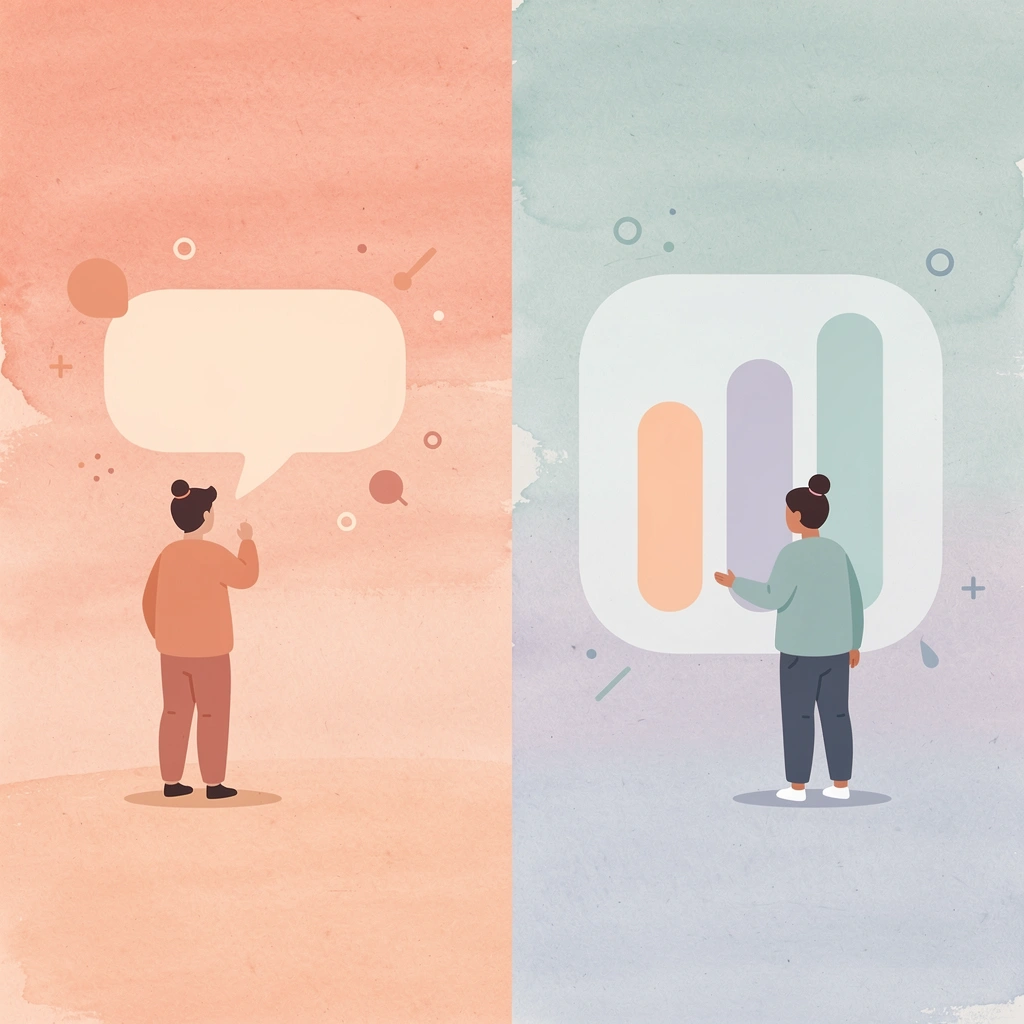
The critical difference isn't which app has more features; it's which one matches the specific gap you're trying to close. A learner preparing for a business trip to Madrid needs something fundamentally different from someone building toward professional fluency in Mexican Spanish.
⚠️ Warning: Choosing a language app based on feature count alone is one of the most common mistakes learners make. Mismatched tools waste time, cause frustration, and stall progress, no matter how polished the platform is.
🎯 Key Point: Define your specific Spanish goal first, then choose your platform. Regional target, time availability, and fluency level are the three deciding factors that should drive your decision.
What do structured apps actually build in you?
Structured apps like Rocket and Babbel help you recognize language by teaching you to identify patterns, remember vocabulary in controlled situations, and follow scripted conversations. However, they don't build the ability to understand unpredictable speech at native speed, which requires exposure to language as it actually sounds, not as it appears in a lesson.
Most learners address this gap by doing more lessons, assuming volume solves the problem. But Dr. Stephen Krashen's comprehensible input research shows acquisition happens when you understand messages slightly above your current level, not when you drill the same patterns until they feel automatic. Apps like Parrot are built around this principle, using short-form video content sequenced to stay ahead of what you already know.
Does daily consistency with an app close the real conversation gap?
According to TrusteDaily's comparison of Rocket Spanish and Babbel, Babbel's lessons average ten to fifteen minutes, making consistent daily practice feasible. However, consistency with the wrong type of input limits your progress. If every session is structured, scripted, and predictable, you're training for the test, not for real conversation.
The better question isn't which app wins a feature comparison, but whether your current mix of tools closes the gap between where you are and where you need to be in a real conversation with a real person.
How Parrot Complements Rocket Spanish and Babbel With Authentic Spanish
Rocket Spanish and Babbel build vocabulary, grammar, pronunciation, and listening skills through structured lessons. But no course can show you every speaker, topic, accent, expression, or conversation situation you'll run into. Parrot fills those gaps by making real Spanish easier to find, understand, and return to.
"No single course can expose you to the full range of Spanish you'll encounter in the real world — that's exactly the gap authentic input is designed to close."
🎯 Key Point: Structured courses like Rocket Spanish and Babbel are essential foundations — but authentic exposure is what bridges the gap between classroom Spanish and real-world fluency.
Courses provide the structure, while Parrot adds the real-world listening experience needed to connect lessons with everyday Spanish:
Vocabulary & grammar → Authentic native speech.
Structured pronunciation drills → Real accents & expressions.
Curated listening material → Everyday conversational Spanish.
Lesson-based progression → Comprehensible input via short-form video.
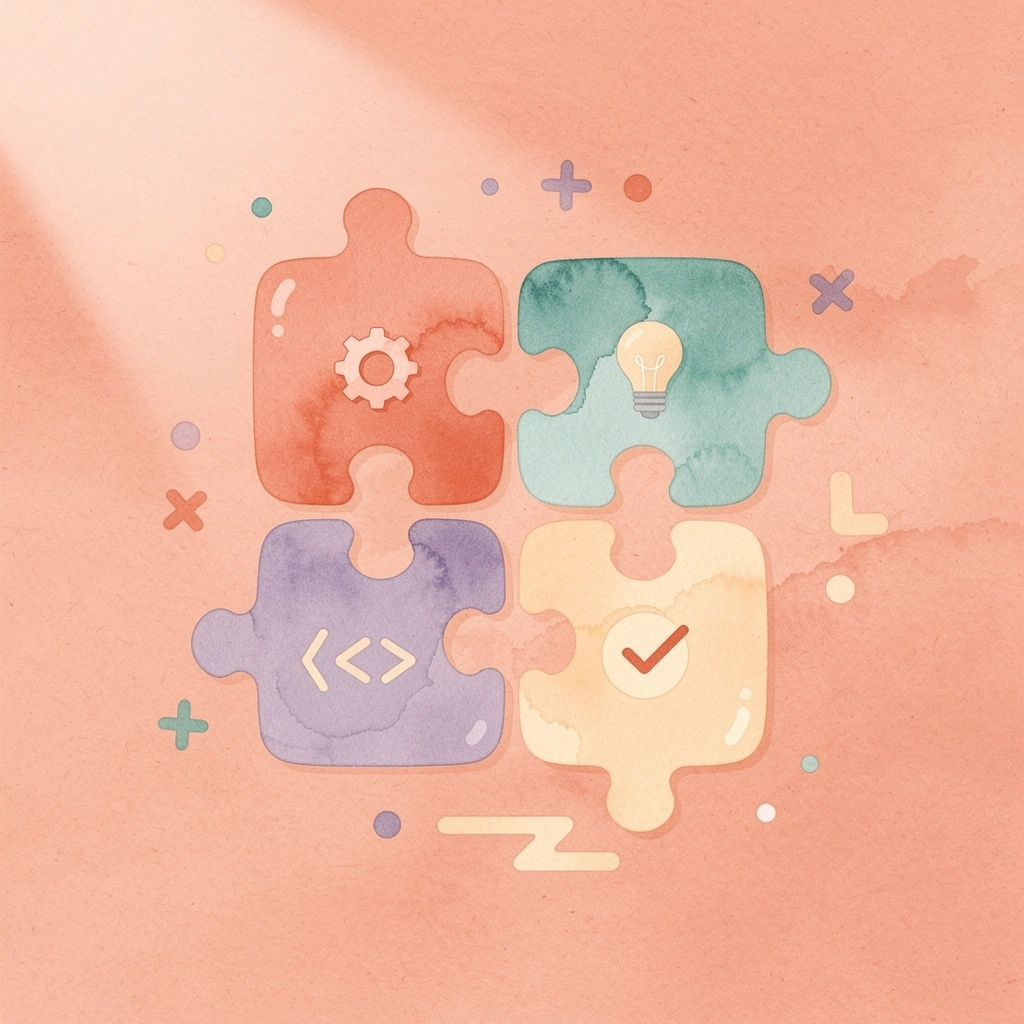
Rocket Spanish combines instruction, audio, culture, and conversation practice, while Babbel focuses on practical, everyday lessons. Both provide listening material, but neither captures the full range of Spanish you'll encounter outside the course. Parrot uses comprehensible input through engaging short-form videos, exposing learners to authentic Spanish from native speakers and connecting lesson content with everyday language.
💡 Tip: Use Parrot alongside your Rocket Spanish or Babbel sessions to reinforce learning with real-world context, turning passive vocabulary into active recognition.
⚠️ Warning: Relying solely on structured courses means missing the natural rhythms, slang, and regional accents that define authentic Spanish communication.
How does Parrot help you find authentic Spanish content you can actually understand?
Moving directly from structured lessons to random native videos can be overwhelming. You might understand a Rocket Spanish or Babbel lesson but struggle with a fast interview or unfamiliar topic. Parrot's AI-powered recommendation feed personalizes Spanish videos based on proficiency and interests, helping you find engaging content while gradually increasing difficulty.
Finding authentic, interesting, and appropriate Spanish content consumes study time. Parrot's personalized recommendations let you continuously discover relevant Spanish without restarting your search, leaving more time for actual listening and understanding.
How does Parrot support understanding and vocabulary retention in real Spanish?
Real Spanish includes unfamiliar words and expressions. Stopping to search definitions breaks your focus and makes it harder to follow the message. Parrot's clickable subtitles and instant translations provide immediate support without disrupting the listening experience.
Understanding a word once doesn't mean you'll remember it later. Parrot lets learners save words from videos and revisit them in meaningful contexts, giving vocabulary extra exposure beyond the initial encounter and keeping it connected to real Spanish.
How should you combine structured courses with authentic Spanish exposure?
Structured courses make learning manageable but repetitive. Parrot's personalized recommendations introduce varied Spanish content based on proficiency and interests, helping you build broader exposure around subjects you enjoy.
Use Rocket Spanish if its comprehensive structure fits your learning style, or Babbel if you prefer shorter, practical lessons. Then add authentic, understandable Spanish to bridge the gap between structured learning and naturally spoken language. Our Parrot supports that authentic-exposure side by making Spanish easier to discover, understand, and revisit, giving you more opportunities to hear and process Spanish outside the controlled lesson environment.
The goal is to create a learning environment with sufficient structure to build your foundation and authentic Spanish to make that foundation usable.
Start Learning Spanish Today
If Rocket Spanish or Babbel is building your grammar confidence and vocabulary, add to it with Learn Spanish, where Parrot's short videos matched to your level show you natural, unscripted speech that textbooks can't copy. Clickable subtitles and instant translations help you understand without losing focus, and you can save vocabulary directly from content you want to watch. This combination — structured foundation plus real-world input — moves you from recognizing Spanish to using it.
"The most effective language learners combine structured grammar study with real-world input — moving beyond textbooks into authentic, natural speech as quickly as possible." — Language Acquisition Research
💡 Tip: Use Rocket Spanish or Babbel to build your grammatical foundation, then immediately reinforce every new concept with Parrot's real-world video content — this dual approach accelerates fluency faster than either method alone.
🎯 Key Point: Clickable subtitles and instant translations are game-changers for learners — they let you stay fully immersed in authentic content without breaking your focus to look words up.
Different learning methods build different language skills, but combining structured instruction with real-world exposure creates the strongest overall approach:
Rocket Spanish / Babbel → Builds grammar rules and structured vocabulary → Lacks natural, unscripted speech exposure.
Parrot (real-world video) → Builds authentic listening and natural phrasing → Lacks formal grammar scaffolding.
Combined approach → Builds full fluency — recognition and usage → Nothing missing — this is the winning formula.
✅ Best Practice: Don't rely on just one tool. The combination of a structured foundation and real-world input moves you from passively recognizing Spanish to actively speaking it with confidence.

Related Reading
Rocket Spanish Vs Babbel
Alternative To Pimsleur
Pimsleur Vs Babbel
Rosetta Stone Alternatives
Rocket Spanish Vs Rosetta Stone