Choosing between Pimsleur and Babbel is a common dilemma for anyone looking for the best way to learn conversational Spanish. Both programs have strong reputations, but they work very differently, and the wrong fit can mean slow progress or lessons that never quite stick. Understanding how each one is structured, what it costs, and who it suits best makes the decision much easier.
Neither platform, however, fully closes the gap between finishing structured lessons and speaking Spanish with real confidence. That missing piece is consistent conversation practice, which is where a dedicated tool makes a meaningful difference. For learners ready to move from drills to actual dialogue, it helps to learn Spanish with Parrot, an app built specifically for low-pressure speaking practice.
Table of Contents
Why Comparing Pimsleur and Babbel Isn't as Simple as It Looks
Why Neither Pimsleur nor Babbel Automatically Makes You Conversational
Pimsleur vs. Babbel: What Each Program Does Best
What to Look for Beyond Pimsleur or Babbel
Is Pimsleur or Babbel Better for Your Spanish Goals?
How Parrot Complements Pimsleur and Babbel With Authentic Spanish
Start Learning Spanish Today
Summary
Pimsleur and Babbel are built around fundamentally different learning philosophies, and that distinction matters more than any feature comparison. Pimsleur centers on spoken recall through its Graduated Interval Recall system, training learners to produce language under pressure rather than simply recognize it. Babbel distributes attention across listening, grammar, writing, and speaking within sessions that average 10 to 15 minutes each, compared to Pimsleur's 30-minute audio lessons, giving learners a broader structural picture of how Spanish works as a system.
Completing a structured Spanish course and becoming conversational are two separate outcomes, and most learners only discover the gap when they try speaking with a real person. The core issue is retrieval under pressure: in a lesson, prompts are predictable, and vocabulary is already present in the exercise. In a real conversation, learners must understand unpredictable speech, retrieve the right words, and respond quickly enough to keep the exchange alive, which is a fundamentally different cognitive task than structured drilling.
Listening comprehension is where both programs show their clearest limits. Each platform relies on a narrow range of voices, accents, and speaking speeds, which means learners can struggle the moment a native speaker drops syllables, blends words, or shifts to a regional expression. Pronunciation practice and listening comprehension develop separately, and consistent exposure to a single controlled audio environment does not automatically prepare learners for the full range of natural speech.
The research on vocabulary retention points to a specific mechanism: repeated exposure across varied, meaningful contexts produces stronger retention than single encounters in isolated drills. A 2023 meta-analysis published in Language Teaching, covering 24 studies and 2,771 participants, found measurable vocabulary gains through meaning-focused reading, listening, and reading-while-listening, with gains varying significantly based on learning conditions. Words encountered in content a learner genuinely cares about carry more retention weight than the same words reviewed on a flashcard or in a scripted lesson.
ACTFL's 2024 Proficiency Guidelines define proficiency as the ability to communicate across real-world, spontaneous, and unrehearsed contexts, not the ability to complete a curriculum. That definition creates a useful diagnostic: the honest measure of Spanish progress is whether a learner can follow a native speaker who drops syllables, answer an unexpected question, or describe something unscripted. Most app progress dashboards don't measure any of those things, so consistent lesson completion can mask a plateau that only becomes visible in real conversation.
Discovery friction is a real cost for learners trying to move beyond structured apps. According to the Parrot Blog, 13 distinct tools were identified for building real conversational Spanish, which reflects how fragmented the process of finding appropriate authentic content has become for intermediate learners. Spending 20 minutes searching for a podcast or video pitched at the right level is time that could be spent inside the language itself.
Parrot's Learn Spanish addresses this with an AI-powered recommendation feed that surfaces short-form Spanish videos matched to a learner's proficiency and interests, replacing the content search process with immediate listening exposure grounded in comprehensible input.
Why Comparing Pimsleur and Babbel Isn't as Simple as It Looks
Pimsleur and Babbel solve fundamentally different problems — like comparing a surgeon's scalpel to a Swiss Army knife. Both are genuinely useful, but each is designed for different moments in the language learning process.
"Choosing the wrong language tool for your learning style isn't just inefficient — it can actively slow your progress." — Language Learning Research
🎯 Key Point: This isn't a simple better vs. worse comparison — it's about matching the right tool to the right learner at the right stage.
Primary focus → Pimsleur: Audio & speaking | Babbel: Reading & writing
Best for → Pimsleur: Commuters & listeners | Babbel: Visual learners
Learning style → Pimsleur: Passive listening | Babbel: Active interaction
⚠️ Warning: Picking a language app based on popularity alone — without considering your personal learning style — is one of the most common mistakes beginners make.
What each platform actually prioritizes
Pimsleur builds its experience around spoken recall: you hear Spanish, anticipate the response, speak it aloud, and receive immediate feedback. The Graduated Interval Recall system spreads retrieval practice over time, which cognitive science research consistently links to stronger long-term retention. Though the platform has expanded to include reading lessons, Voice Coach, and role-play features, the core remains unchanged: listen, anticipate, speak. For commuters, drivers, or anyone who learns better through listening than reading, this approach works well.
Babbel spreads attention across more skills in a single session. A typical 10- to 15-minute lesson covers listening, grammar explanation, writing, and spoken dialogue. This approach benefits learners who want to understand how Spanish works. Babbel's Spanish courses let you choose between Mexican Spanish and Spanish from Spain, with the European Spanish course reportedly reaching C1 depth. The newer Babbel Speak feature adds AI-driven scenario conversations with feedback, bringing the platform closer to authentic spoken practice.
Why does checking the feature list miss the real question?
The familiar approach is to check the feature list and choose the one with more checkmarks. The hidden cost is skipping the only question that matters: what kind of practice builds real conversation ability. Grammar explanations and audio repetition keep learners busy, but busy is not fluent. Most learners who stall after six months followed the method faithfully; the method ran out of road before they reached real conversation.
That gap is where Learn Spanish comes in. Parrot uses short-form video content built around comprehensible input, the approach Dr. Stephen Krashen's research identifies as the mechanism through which humans acquire language rather than memorize it. Learners encounter Spanish as native speakers use it: in natural, contextual bursts that fit a scrolling habit rather than a scheduled study block. The difference between acquisition and memorization becomes clear when you sit across from a native speaker and realize the sentences you rehearsed don't match the speed or rhythm of what you're hearing.
Which platform fits the kind of learner you actually are?
Pimsleur works well for learners who want deep audio immersion and spoken retrieval practice, especially in hands-free settings. Babbel works well for learners who want multi-skill lessons with grammar context and shorter daily sessions. But the comparison only makes sense once you know what you're trying to build, because the method you choose shapes not just what you learn, but whether that learning transfers when conversation gets real.
Completing either program is only the beginning; what comes next surprises most learners.
Related Reading
Why Neither Pimsleur nor Babbel Automatically Makes You Conversational
Finishing a Spanish program feels like progress, and it is. You've built vocabulary, trained your ear, and practiced making sounds that once felt foreign. But finishing lessons and having a real conversation are two completely different skills — and most learners don't discover that gap until they're standing in front of a real speaker and finding silence instead.
"Completing a language course and achieving conversational fluency are not the same milestone — one measures exposure, the other measures ability under pressure." — Language acquisition research consensus
⚠️ Warning: The completion illusion is one of the most common traps in language learning. Finishing 100% of a course can feel like fluency — but structured lessons and real-world conversation demand entirely different mental skills.
🎯 Key Point: Vocabulary drills and audio repetition build a foundation, but they don't train you for the unpredictability, speed, and pressure of a live conversation. That requires a separate, deliberate practice layer on top of any app or program.
Vocabulary recognition → App-based learning builds: Word familiarity | Real conversation requires: Spontaneous word retrieval
Scripted pronunciation → App-based learning builds: Pronunciation accuracy | Real conversation requires: Adapting to accents and speed
Lesson-paced listening → App-based learning builds: Controlled listening | Real conversation requires: Real-time comprehension
Structured response prompts → App-based learning builds: Guided responses | Real conversation requires: Open-ended, unpredictable replies
Comfortable repetition → App-based learning builds: Confidence through practice | Real conversation requires: Pressure and improvisation
💡 Tip: Don't wait until you finish a program to start speaking with real people. Introduce unscripted conversation practice early — even 5 minutes of live interaction per session can dramatically close the gap between lesson performance and real-world fluency.
Why does retrieval under pressure feel so different from lesson practice?
The core problem is retrieval under pressure. In a Pimsleur session, you anticipate the prompt. In a Babbel exercise, the vocabulary is already present in the lesson. Real conversation strips these supports away. You must understand what someone said, decide your response, retrieve the right words from memory, and assemble them quickly enough that the other person doesn't move on. That's a fundamentally different thinking task.
A pattern that emerges repeatedly is the gap between recognition and retrieval. A word feels completely familiar during a lesson but disappears when you need it without a cue. Familiarity is passive; retrieval is active. Conversation demands active recall at speed, without a list of options on screen.
Where do both programs show their listening limits?
Listening reveals both programs' limits most clearly. Pimsleur builds strong audio habits, and Babbel weaves listening throughout its curriculum, but both rely on a narrow range of voices, accents, and speaking speeds. When native speakers connect words, drop syllables, or use regional expressions, the gap between lesson audio and real speech becomes apparent. Pronunciation practice and listening comprehension are related but separate skills, and developing one doesn't automatically develop the other.
What does completing more lessons actually measure?
The familiar response is to keep working through more lessons and completing more levels. But completed lessons measure performance in structured exercises, not spontaneous communication ability. Can you follow a speaker you've never heard before? Can you explain something unexpected without reaching for a memorized phrase? Can you keep a conversation alive when you don't know the exact word you want? Those questions don't appear on any progress dashboard. Learners who want to close that gap often need more exposure to natural, unpredictable Spanish. Apps like Parrot are built around that principle, using short-form video content grounded in comprehensible input so learners encounter real speech patterns in brief, repeatable sessions that fit into daily life.
According to NBC News Select, Pimsleur offers courses in 51 languages with English as the source language. Yet breadth of catalog doesn't resolve the fundamental issue: structured audio practice cannot fully replicate the cognitive load of live, unpredictable conversation. Grammar knowledge must become automatic before it's useful in speech, and that automaticity comes from encountering patterns repeatedly in natural contexts until they require no conscious thought.
But knowing where both programs fall short is only half the picture; the more useful half might surprise you.
Pimsleur vs. Babbel: What Each Program Does Best
Pimsleur builds spoken recall through audio-first repetition, while Babbel builds structural understanding through short, multi-skill lessons. The bigger question is whether either one, used alone, gets you where you actually want to go.
"The best language program is not the one with the most features — it's the one that matches how you learn and what you need most." — Language Learning Research
🎯 Key Point: Pimsleur is your go-to for spoken fluency and listening comprehension, while Babbel excels at building grammar awareness and reading skills — they target fundamentally different outcomes.
💡 Tip: If your #1 goal is to speak confidently in real conversations, lean toward Pimsleur. If you want well-rounded structural knowledge, Babbel is the stronger foundation.
Primary method → Pimsleur: Audio-first repetition | Babbel: Multi-skill short lessons
Best for → Pimsleur: Spoken recall & listening | Babbel: Grammar & structural understanding
Lesson format → Pimsleur: Audio-only | Babbel: Visual + audio + text
Skill focus → Pimsleur: Speaking & comprehension | Babbel: Reading, writing & speaking
Used alone? → Pimsleur: ⚠️ Limited range | Babbel: ⚠️ Limited depth
Combined use → Pimsleur: ✅ Highly recommended | Babbel: ✅ Highly recommended
🔑 Takeaway: Neither program is a complete solution on its own—understanding their core strengths is key to using them strategically together.
Where Pimsleur earns its reputation
Pimsleur's main strength is making spoken response feel automatic. Its Graduated Interval Recall method brings vocabulary and phrases back at increasing intervals, training retrieval rather than recognition—a crucial difference, since producing words under pressure differs from recognizing them when heard. According to NBC News Select, Pimsleur offers courses for 51 languages with English as the source language, demonstrating a method designed to work across diverse phonetic systems. For learners prioritizing pronunciation and spoken fluency, this audio-first architecture delivers measurable value.
Where Babbel earns its reputation
Babbel's advantage is integration. A single session touches vocabulary, grammar, listening, speaking, and writing, building a complete picture of how Spanish works as a system. LanguaVibe reports that Babbel lessons average 10 to 15 minutes each, while Pimsleur's core lessons run 30 minutes. This gap matters because shorter lessons lower the activation cost of showing up consistently, where most programs fail. Babbel also offers clear grammar explanations, something Pimsleur largely leaves to inference, helping learners understand why a sentence works, not just that it does.
What gaps do learners discover after finishing a level?
Most learners assume that a single program's gaps will fill themselves in. They rarely do. Pimsleur users often complete a level feeling confident in spoken phrases, then hit real conversation and discover they left comprehension, grammar flexibility, and vocabulary range behind. Babbel learners face the opposite problem: solid structural knowledge but less automatic spoken recall under pressure. Apps like Parrot address this differently, using short-form video immersion built around comprehensible input—the mechanism Dr. Stephen Krashen's research identifies as how fluency develops. Rather than drilling rules or repeating scripted audio, learners absorb real Spanish in context through sessions short enough to fit daily scroll habits instead of requiring a dedicated 30-minute block.
What the comparison actually reveals
The key difference between Pimsleur and Babbel lies in their learning philosophy, not their quality. Pimsleur emphasizes spoken repetition for fluency; Babbel emphasizes structured, multi-skill practice. Both have merit, but both lack sufficient natural, contextual Spanish exposure to bridge practice and conversational ease. Reddit discussions consistently reflect this gap, with users appreciating each program's strengths while seeking supplementary resources to address their respective shortcomings.
This gap reveals a fundamental truth about language acquisition: asking which program is "better" becomes the wrong question.
What to Look for Beyond Pimsleur or Babbel
Being proficient isn't about what course level you're in. It's about what you can do when someone isn't telling you what to say next.
"Proficiency isn't measured by lessons completed: it's measured by real communication when the script runs out." — Language Learning Research
💡 Tip: Before choosing a language tool, ask yourself: "Does this prepare me for unscripted conversation?" If not, it's only half the solution.
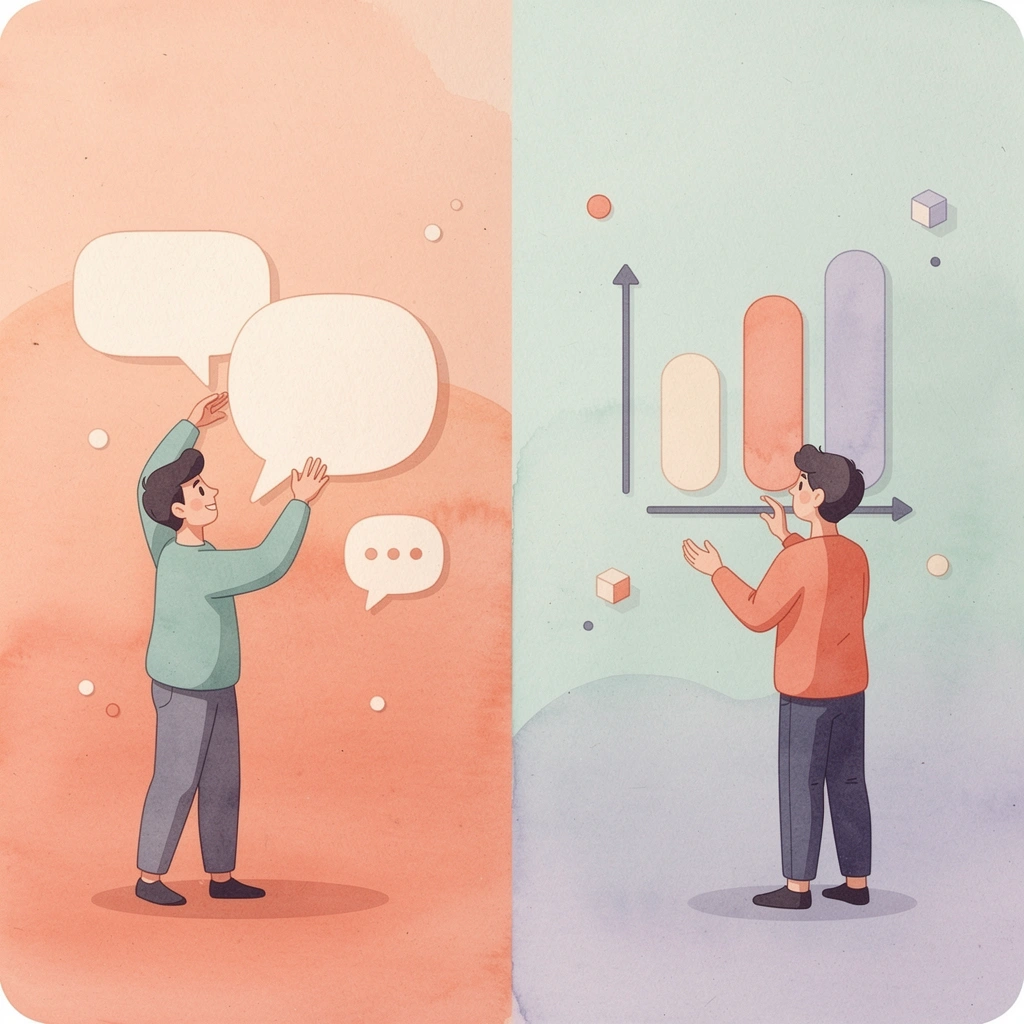
Pimsleur and Babbel give you structure, but structure alone doesn't close the gap between practiced responses and real conversation. The missing pieces are always the same: real listening practice, spontaneous speaking practice, contextual vocabulary, and unscripted Spanish.
Scripted dialogues → What they provide: Guided speaking practice | What they leave out: Spontaneous speaking practice
Pronunciation drills → What they provide: Controlled pronunciation practice | What they leave out: Real listening comprehension
Vocabulary lists → What they provide: Curated vocabulary | What they leave out: Contextual vocabulary in use
Guided responses → What they provide: Structured conversation | What they leave out: Unscripted Spanish conversation
⚠️ Warning: Relying exclusively on structured apps creates a false sense of fluency — you may ace every lesson and still freeze in a real conversation.
🔑 Takeaway: The path to true proficiency means going beyond guided courses and actively seeking unscripted, spontaneous practice that mirrors the real demands of Spanish conversation.
What actually builds comprehension
A 2023 study in Language Teaching examining 24 research projects with 2,771 participants found that students acquired vocabulary through reading, listening, and combined reading-listening. Learning outcomes varied by study method: encountering a word once rarely aids retention, while encountering it multiple times across different contexts strengthens learning. Similarly, a single structured lesson proves less effective than exposure to natural Spanish across varied situations, topics, and speakers over time.
How does comprehensible input move you toward real proficiency?
Start with content easy enough to understand the main message, even when unfamiliar words appear. Gradually progress to harder content as your comprehension improves. A podcast for language learners, a slow-news Spanish broadcast, or a YouTube channel you enjoy constitutes real learning, not supplementary practice. ACTFL's 2024 Proficiency Guidelines define proficiency as the ability to communicate in real-world, spontaneous, unrehearsed situations, not merely completing a curriculum.
Why does app-only exposure create a comprehension ceiling?
Most learners stay inside apps because it feels productive and measurable. The hidden cost: app-only exposure creates a ceiling. You get comfortable with one voice, one pace, one set of expected prompts, then a real Spanish speaker talks and comprehension collapses. Apps like Learn Spanish address this by delivering short-form video immersion built around comprehensible input, connecting learners to natural, contextually rich Spanish in daily-friendly sessions.
Speaking practice that actually tests you
Speaking practice means producing Spanish when you don't already know what's coming. A tutor session, a language exchange, a conversation group, or voice-based role-play with unpredictable turns require you to listen, interpret, retrieve language, formulate a response, and adjust mid-sentence. Research on instructed second-language acquisition, published in Language Teaching, identifies input, negotiation for meaning, and output as the core components of interaction that drive language development. Repeating a pre-loaded response in an app is a different cognitive task.
How do you know if your Spanish is actually improving?
The real way to measure progress is whether you can follow a native speaker who drops syllables, answer an unexpected question, or describe something that happened to you today. Those questions reveal your actual Spanish better than any course dashboard and point directly to what your current routine still lacks.
Which program fits the goals you're actually working toward?
The more important question is which program, Pimsleur or Babbel, works for the specific goals you're trying to reach.
Related Reading
Is Pimsleur or Babbel Better for Your Spanish Goals?
Choose Pimsleur if listening and speaking are your main focus. Choose Babbel if you want shorter, organized lessons that cover grammar, vocabulary, and practical conversation together. Your choice depends on which specific area of Spanish you're trying to improve.
"The best language learning app is the one that matches your goals — audio-first immersion or structured, multi-skill lessons — not the one with the most downloads." — Language Learning Experts
Listening & speaking fluency → Pimsleur — Audio-driven immersive method
Grammar + vocabulary together → Babbel — Structured lessons with a multi-skill approach
Short, flexible study sessions → Babbel — Bite-sized lessons for busy schedules
Conversational confidence fast → Pimsleur — Speak from day one methodology
🎯 Key Point: Pimsleur is purpose-built for audio learners who want to speak confidently — while Babbel is the stronger pick for learners who want well-rounded Spanish skills in less time per session.
💡 Tip: Not sure which to pick? Ask yourself one question — "Do I need to speak Spanish, or read and understand it?" Your answer makes the right choice obvious.
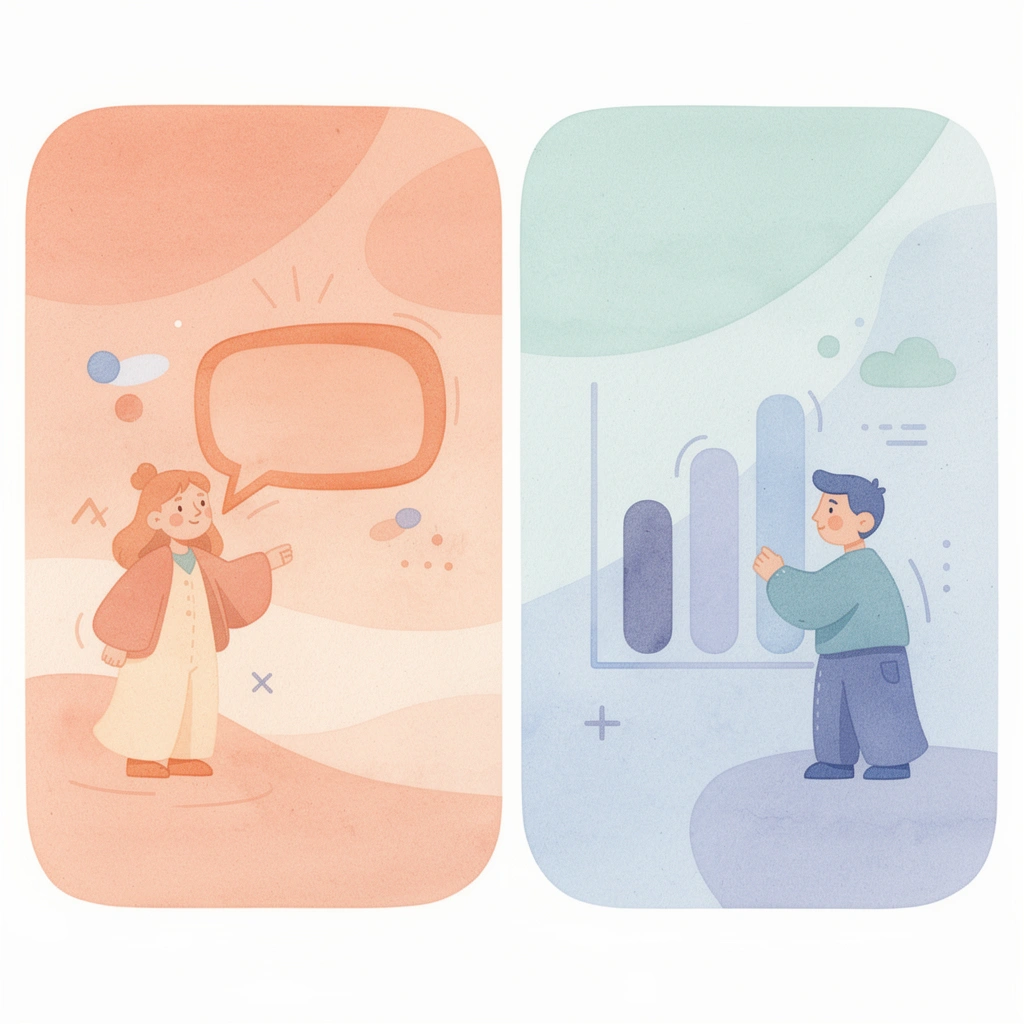
If speaking is your priority
Pimsleur's main method focuses on spoken production. Every lesson asks you to remember and say something aloud before hearing the answer, building a habit of retrieving information that works better in real conversation than picking from multiple choices. Babbel has added the AI-supported Babbel Speak tool, but its lessons still focus more on recognition and understanding than on unaided speaking. If you worry about freezing up during direct conversation, Pimsleur trains that specific moment more consistently.
If grammar and vocabulary structure matter to you
Babbel is the clearer choice if you need explicit grammar explanations. Its lessons weave grammar into practical examples rather than leaving you to absorb rules implicitly. Pimsleur's immersive approach works well for pronunciation and rhythm but leaves structural gaps that can slow your progress as your Spanish becomes more complex.
What happens when structured lessons stop matching real Spanish?
Both apps show the same pattern: learners stop making progress when structured lessons no longer match how Spanish actually sounds in real life. Most then search for podcasts or YouTube channels, spending time finding content at the right level. Tools like Parrot solve this problem by using short-form video built around comprehensible input—the method Dr. Stephen Krashen's research identified as central to natural language acquisition. This approach fits into existing scroll habits instead of demanding a separate study block.
If your time is genuinely limited
Babbel's 15-minute lessons suit busy schedules, while Pimsleur's 30-minute audio lessons enable hands-free learning via Apple CarPlay and Android Auto during your commute. What matters most is consistency: completing a 30-minute lesson during your drive beats postponing a 15-minute session.
If you're targeting a specific Spanish variety
Both platforms offer regional options. Babbel provides dedicated courses for Spanish from Spain and Spanish from Mexico, while Pimsleur offers Castilian Spanish alongside Latin American content. Choose based on your preferred learning format and the variety you'll use most.
Choosing the right app is only the first step.
How Parrot Complements Pimsleur and Babbel With Authentic Spanish
Structured courses like Pimsleur and Babbel provide essential scaffolding, but they cannot expose you to the full, unpredictable range of Spanish that exists outside the lesson. Real-world Spanish will always stretch beyond what any controlled learning environment can prepare you for.
"Structured courses create the foundation: authentic exposure is what transforms a learner into a speaker." — Language Acquisition Research
💡 Tip: Use Pimsleur and Babbel as your foundation, then actively seek out authentic Spanish content to fill the gaps they cannot cover.
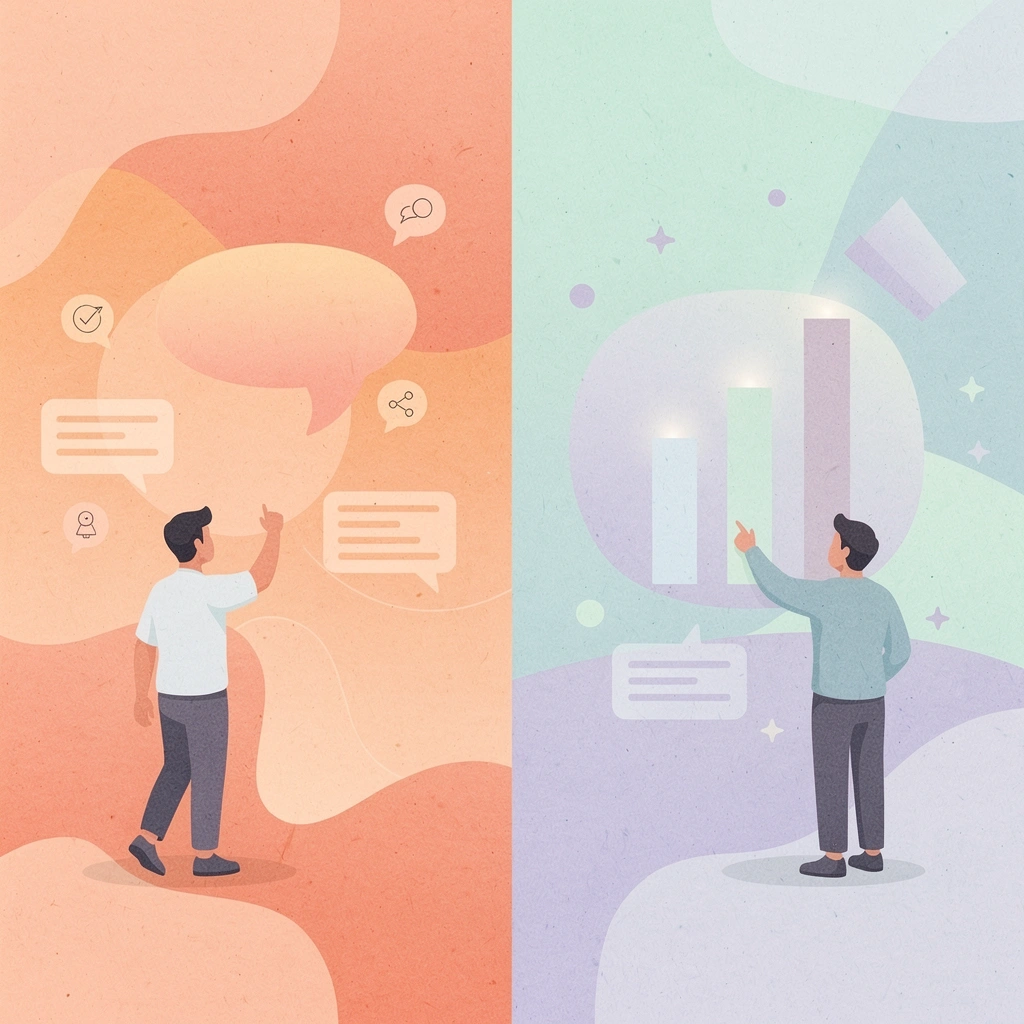
Pimsleur trains your ear through deliberate audio recall, while Babbel builds grammar awareness and vocabulary through short, structured sessions. Both operate within a defined curriculum, which creates a critical limit: the Spanish inside the course is always controlled, predictable, and spoken at a learner's pace. Real conversations are none of those things.
Learning style → Pimsleur: Audio recall | Babbel: Visual + grammar | Authentic Exposure: Immersive, unscripted
Pace → Pimsleur: Learner-controlled | Babbel: Learner-controlled | Authentic Exposure: Native speed
Vocabulary range → Pimsleur: Curated | Babbel: Curated | Authentic Exposure: Unpredictable, vast
Real-world readiness → Pimsleur: Moderate | Babbel: Moderate | Authentic Exposure: High
⚠️ Warning: Relying exclusively on structured courses creates a false sense of fluency — you may excel in lessons but struggle the moment a native speaker uses slang, speaks fast, or goes off-script.
🎯 Key Point: The real gap in language learning isn't grammar or vocabulary — it's the leap from controlled practice to authentic, unpredictable conversation.
Why do speed and spontaneity expose the limits of structured learning?
The failure point is usually speed. A native speaker drops syllables, blends words together, and switches topics without warning. Recognizing a word in a controlled exercise and catching it mid-sentence from a fast-talking speaker in Mexico City are different cognitive tasks. Structured lessons alone don't close that gap. It closes through repeated, meaningful exposure to authentic Spanish at a pace and variety that no single curriculum can manufacture.
How does fragmented tool discovery make authentic practice harder?
Most learners search for YouTube videos or podcasts, spend 20 minutes finding something appropriate, then give up when the content moves too fast. According to the Parrot Blog, 13 different tools exist for building real conversational Spanish, reflecting how fragmented the discovery process has become. Parrot addresses that fragmentation directly. Our AI-powered recommendation feed shows short-form videos matched to your skill level and interests, so your available time goes toward listening rather than searching. When an unfamiliar word appears, clickable subtitles let you check it instantly and continue following the content.
Why authentic exposure changes what you retain
The critical difference between hearing Spanish in a lesson and hearing it from a native speaker is context density. In a lesson, every word is chosen deliberately. In authentic content, words appear because a real person chose them to express something they care about. That emotional and situational context makes vocabulary stick.
Research based on Dr. Stephen Krashen's comprehensible input theory supports this: language learned through meaningful, understandable exposure transfers to real use in ways that drilled vocabulary rarely does. A word encountered in a genuinely interesting video carries more retention weight than the same word reviewed on a flashcard, because your brain encoded it alongside something that mattered. Layering authentic content on top of structured lessons is not optional enrichment; it is how the foundation becomes usable.
The goal was never to finish a course. It was always to speak Spanish with a real person and understand what comes back.
Start Learning Spanish Today
Your structured foundation—whether from Pimsleur's audio drills or Babbel's grammar lessons—only pays off when you hear Spanish as it actually sounds. Download Parrot and start a free 7-day trial. Short-form videos matched to your level, clickable subtitles, instant translations, and vocabulary-saving tools let you build real understanding from authentic speech, not rehearsed scripts.
"The gap between structured learning and real-world fluency closes fastest when learners engage with authentic, natural speech — not scripted dialogues." — Language Acquisition Research
💡 Tip: Use Parrot alongside your existing program — clickable subtitles and instant translations mean you never lose momentum when real Spanish moves faster than your textbook.
Pimsleur — Audio drills & pronunciation → Structured listening practice
Babbel — Grammar lessons & vocabulary → Foundational language skills
Parrot — Real videos, clickable subtitles & instant translation → Authentic speech & fluency
⚠️ Warning: Relying solely on structured programs means you may understand textbook Spanish but struggle with the speed, rhythm, and variety of real conversation.
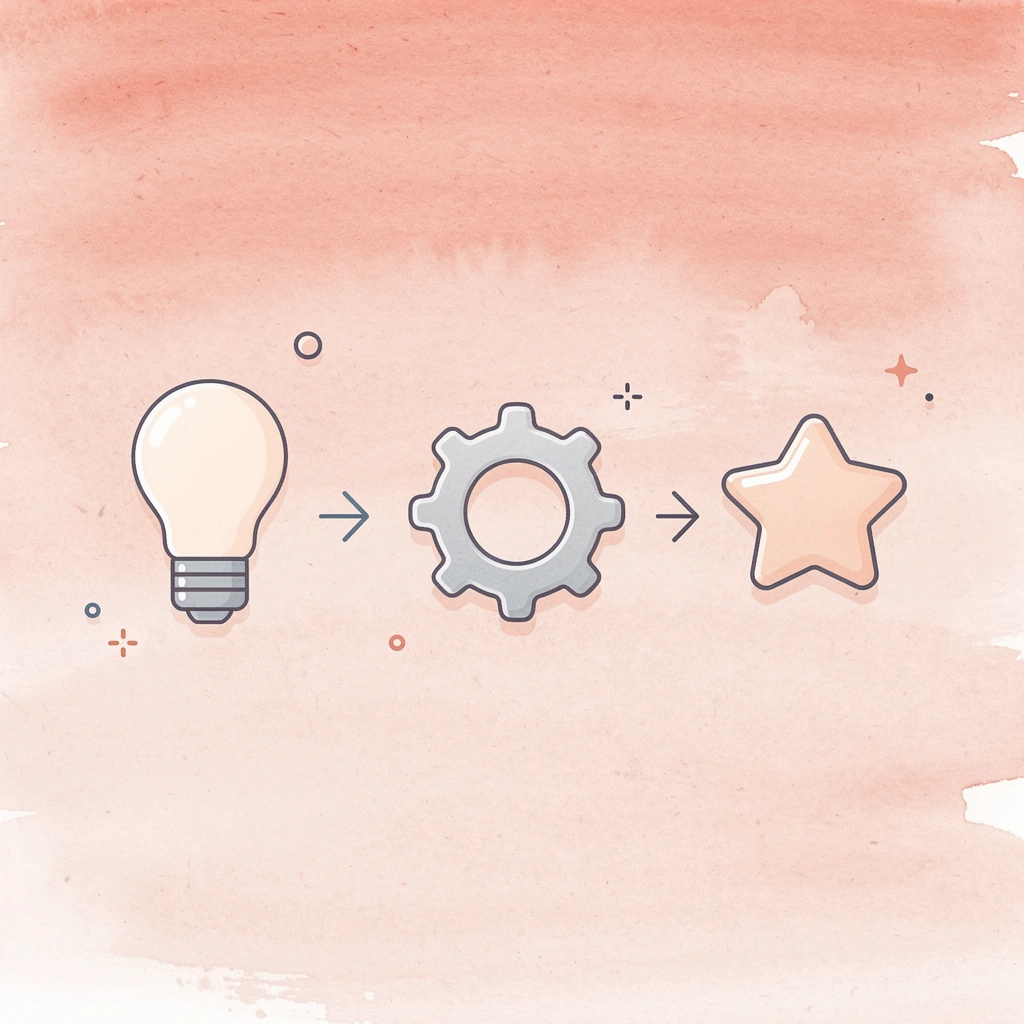
Keep your structured program: it builds the essential grammar and vocabulary base you need. But spend more study time with Spanish that moves, surprises, and sounds like actual conversation. The leap to fluency happens when your ears and brain adapt to natural, unpredictable speech patterns, not just the ones you've rehearsed.
🎯 Key Point: Structured lessons provide the framework; real Spanish content transforms that framework into genuine fluency.
✅ Best Practice: Dedicate at least half your weekly study time to authentic Spanish content through tools like Parrot, where every video is a chance to hear the language live and unscripted.
Related Reading
Rosetta Stone Alternatives
Rocket Spanish Vs Pimsleur
Rocket Spanish Vs. Babbel
Alternative To Pimsleur
Duolingo Vs Pimsleur
Duolingo Vs Pimsleur
Living Language Vs Rosetta Stone
Rocket Spanish Vs Rosetta Stone