Watching French TV and actually acquiring French are not the same thing. Here are 17 shows matched to your level, so the input your brain receives is the kind it can actually use.
French TV shows are genuinely one of the best tools available for absorbing the rhythm, cadence, and cultural texture of the language. The common assumption is that if you just watch enough French TV, the language will eventually click and you'll start speaking naturally. The instinct to turn on a French series and let the language wash over you is not wrong.
But there is a gap between watching French TV and actually acquiring French, and most learners fall straight into it. Watching French TV trains your ear for natural speech patterns, intonation, and the kind of casual phrasing no textbook bothers to include. As Arabic All The Time's 2024 review of comprehensible input research explains, listening to the target language builds the internal grammar that eventually enables speaking, provided the input is comprehensible.
That qualifier matters enormously. Input pitched at i+1 (just above your current level) drives real acquisition; native-speed content aimed at fluent speakers produces little to no language gain for beginners, regardless of hours logged. The brain acquires language by pattern-matching against what it already knows, filling in the gaps one step at a time.
Frontiers in Psychology (October 2025) notes that passive reception alone is insufficient for full language acquisition, particularly for productive skills. A learner who cannot find French subtitles and defaults to English ones is watching a foreign film. The learners who actually progress treat each episode like a training session, pausing, repeating, and forcing recall before moving on.
Short, intentional doses keep input consistent and give the brain the gaps it needs to consolidate what it heard. The 23 shows ahead are sorted by proficiency level so you can match the input to where your brain actually is right now. Start with the tier that fits your level, and the habit will feel far less like studying.
Key takeaways
French TV shows build rhythm, vocabulary, and cultural instinct, but only if you're comprehending at least 95-98% of what you hear, a threshold most beginners blow past by picking shows that are too hard too soon.
A beginner who sits through a 45-minute drama they barely follow isn't doing immersive practice, they're doing expensive confusion. Five minutes of dense, comprehensible input beats 45 minutes of passive exposure every time.
Comprehension and production are neurologically separate systems. Watching trains recognition memory. Speaking trains retrieval memory. Hours of French TV can leave you fluent at following a scene and completely frozen mid-sentence.
At C1–C2 level, passive input builds receptive fluency effectively but does almost nothing for productive fluency, the ability to generate French spontaneously under pressure.
Genre rotation solves the vocabulary ceiling problem for advanced learners, but it doesn't close the gap between understanding a show and speaking like its characters.
Parrot (parrotapp.com) closes that gap by delivering short, TikTok-style clips of comprehensible French input built for active recall, so the language your brain files under 'recognition' gets drilled into retrieval, where spoken fluency actually lives.
Best French TV Shows for Beginner Learners at A1-A2 Level
That ratio, five minutes over forty-five, is the single most useful thing a beginner French learner can know before choosing their first show, and almost every recommendation list gets it backwards. The instinct is to find the "easiest" French content and push through as much of it as possible. In practice, a beginner who sits down to a 45-minute drama they barely follow is not doing immersive practice.
They are training their brain to treat French as background noise, which is exactly the habit that produces zero conversational progress after months of faithful watching. Episode length and visual scaffolding matter far more than raw linguistic difficulty, and the shows below are ranked on those criteria first. One research-backed reason this matters: comprehensible input works best when a learner understands roughly 95% or more of what they hear, leaving only a thin layer of new vocabulary for the brain to acquire naturally.
Drop below that threshold and the brain shifts from acquisition mode into survival mode, working so hard to decode basic meaning that nothing sticks. A five-minute cartoon where you can infer 80% of meaning from the screen keeps you inside that acquisition window. A 45-minute drama where you are lost by scene three does not, regardless of how "authentic" the French sounds.
Beginners who gravitate toward short children's shows are not picking "easy" content out of laziness. They are unknowingly satisfying the brain's comprehensibility requirement that makes acquisition possible at all. The real variable is not the age-appropriateness of the show; it is whether the density of unknown words stays low enough for the brain to process language rather than just survive it.
Parrot App - Best Short-Form Video App for A1-A2 French Learners
"As a beginner, I struggle to watch French Netflix shows with French subtitles because my vocabulary and comprehension level aren't there yet."
— what we hear from beginner French language learners
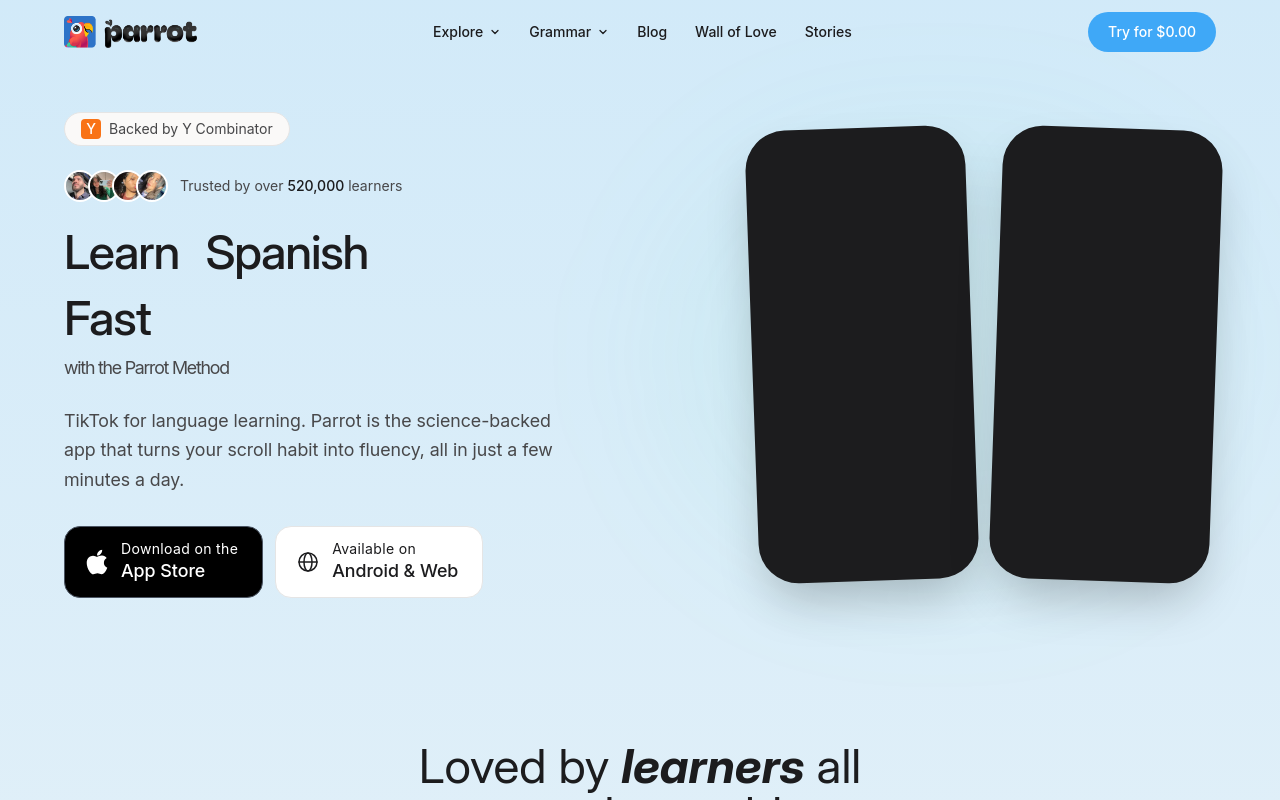
Early-to-mid level learners who struggle to make video content comprehensible without constant dictionary interruptions get the most from Parrot's reading support, which pairs short native-French video clips with inline transcripts and translation. This directly addresses one of the sharpest pain points A1–A2 learners face: tools like Language Reactor can become counterproductive when a learner is clicking on too many unknown words too frequently, breaking the viewing flow so often that comprehension, and motivation, collapses. The Parrot Method keeps the unknown-word density inside the acquisition window rather than leaving the learner to manage it manually.
The result is that learners absorb authentic vocabulary and natural speech patterns from native-level content without the stop-start exhaustion that derails most A1 beginners. It is most beneficial when a learner has struggled with traditional memorization-based methods and wants a research-backed alternative. The trade-off: it works best as a daily micro-habit, not a once-a-week binge session.
1. Peppa Pig French Dub - Ideal First Exposure for True A1 Beginners
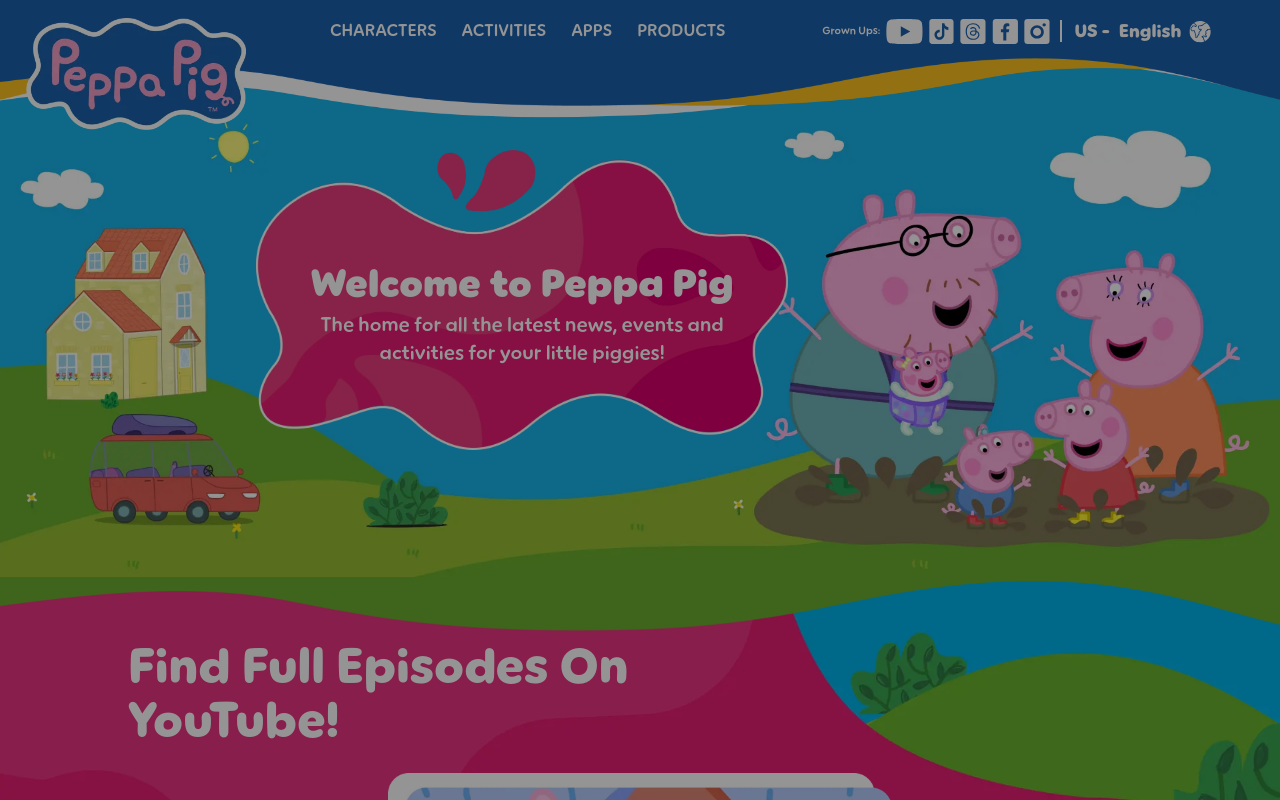
Peppa Pig en français is one of the most documented first exposures for A1 learners. According to industry data, episodes run approximately five minutes each and rely on household vocabulary with strong visual context. The format removes the working-memory exhaustion that kills motivation after episode two of a longer show. The honest trade-off: adult learners sometimes abandon it for social reasons before it has time to work.
2. C'est Pas Sorcier - Repeated Vocabulary in Context for Curious A2 Learners
C'est Pas Sorcier is a French science and culture show with over 600 episodes freely available on YouTube, covering topics from the human body to French history. The hosts repeat key vocabulary multiple times per episode in slightly different contexts, which is exactly the spaced repetition that A2 learners need to move words from recognition into memory. The pace is faster than Peppa Pig, so it rewards learners who already have a small working vocabulary under their belt.
Un gars, une fille follows a couple through everyday domestic situations, so the same conversational patterns, the same household vocabulary, and the same informal register repeat across hundreds of short episodes. For A2 learners, that repetition is the feature. The trade-off is cultural specificity: some references are dated and Quebec-flavored depending on the version, which can occasionally confuse learners targeting European French.
Homeschool Languages (2025) makes the point plainly: a show the learner genuinely enjoys produces more consistent engagement than a correctly leveled show the learner abandons. A motivated beginner who finishes many short episodes of something they actually like will acquire more French per minute than someone dutifully watching a 45-minute drama they zone out of by the third scene. Abandonment, not difficulty, is the primary enemy of A1-A2 progress.
A common struggle for A1–A2 learners is that French Netflix shows, even those marketed at beginners, move fast enough that French subtitles feel impossible to follow, and English subtitles become a crutch that trains the eyes rather than the ears. Homeschool Languages recommends French subtitles from the start to build the reading-listening connection and reinforce vocabulary recognition in context. The way around the vocabulary gap is to reduce the density of unknown words in the content itself, which is exactly why short-form, visually scaffolded video at the right level matters so much before a learner ever opens a streaming platform.
3. Un Gars, Une Fille - Repetitive Domestic Dialogue Perfect for A2 Listeners
This short sketch-comedy series follows a couple through everyday domestic situations, generating highly repetitive, predictable dialogue that A2 learners can anticipate and decode. Episodes run under 10 minutes, reducing overwhelm while maximizing exposure to conversational French. The tradeoff: the humor is culturally specific and the show is older, so some expressions feel dated, but the conversational patterns remain genuinely useful for beginners.
4. Motivation Over Level Matching - Watch What You'll Actually Finish
The most important variable for A1-A2 learners isn't finding the linguistically 'correct' show, it's finding one you'll actually keep watching. A show you enjoy at 60% comprehension beats the 'perfect' beginner show you abandon after two episodes. Lupin, Miraculous Ladybug, and Call My Agent all have passionate beginner fans who outpace learners grinding through content they hate. Personal interest is the real accelerator.
5. French Subtitle Strategy - Build Reading-Listening Connection from Day One
For A1-A2 learners, using French subtitles (not English) while watching creates a critical reading-listening connection that accelerates both skills simultaneously. Seeing the word as you hear it trains your ear to recognize sounds you'd otherwise miss. The tradeoff: it requires more active attention than passive viewing, and beginners may feel overwhelmed, starting with one episode per session and pausing freely is the recommended approach.
6. Trotro - Ultra-Simple Toddler-Level French for Absolute A1 Starters
Trotro features a young donkey navigating simple daily routines, with sentence structures that rarely exceed four or five words and near-constant visual reinforcement of every spoken line. For absolute beginners who find even Peppa Pig en français slightly fast, Trotro is the safer starting point. The limitation is real: the vocabulary ceiling is low, so learners should plan to move on within four to six weeks rather than treating it as a long-term resource.
Quick-Reference - Which French Show Fits Your Level?
Level
Show
Episode Length
Why It Works
A1 (absolute beginner)
Trotro
~5 min
≤5-word sentences, constant visual reinforcement
A1 (early beginner)
Peppa Pig (French dub)
~5 min
Household vocab, strong visual context
A2
C'est Pas Sorcier
~26 min
Repeated key vocab in science/culture context
A2
Un Gars, Une Fille
~7 min
Repetitive domestic dialogue, informal register
B1–B2
Lupin
~50 min
Clear pacing, French subs available, heist structure
B1–B2
Dix Pour Cent
~52 min
Workplace + casual register mix
B1–B2
Plan Cœur
~30 min
Colloquial/verlan-dense, modern Parisian French
B1–B2
Engrenages
~52 min
Legal/institutional vocabulary, fast native pace
C1–C2
Le Bureau des Légendes
~52 min
Diplomatic argot, near-zero visual scaffolding
C1–C2
Kaamelott
~3-7 min
Cultural compression, rapid-fire register clashes
C1–C2
Bref.
~2-3 min
Elided colloquial speech, drill-friendly micro-format
How to use this table: Find your current CEFR level, pick the show in that row, and apply the subtitle-switching method from Section 4. Move to the next row when the show stops feeling challenging.
Best French TV Shows for Intermediate Learners at B1-B2 Level
At B1-B2 level, the right show is not whichever one you can tolerate for the longest stretch. It is the one whose dialogue sits close enough to your current French that your brain can lock onto unfamiliar words through context rather than guessing blindly. Research puts the acquisition threshold at 95 to 98 percent comprehension: drop below that and exposure volume stops mattering.
There is a second problem that most show lists ignore. Intermediate learners who find one French series they love and binge it repeatedly are not accelerating their progress. They are hitting a quiet ceiling.
Because learners pick up fewer than 15 percent of unknown words from a single viewing, re-watching the same show recycles familiar vocabulary with diminishing returns. The learner who mixes drama, comedy, and short-form content forces repeated encounters with a wider lexical range, compounding incidental acquisition across exposures. Varying genre is not a preference at B1-B2.
Varying genre is not a preference at B1-B2. It is the primary lever for escaping the plateau.
Parrot App - Short-Form French Video That Builds Real Speaking Speed
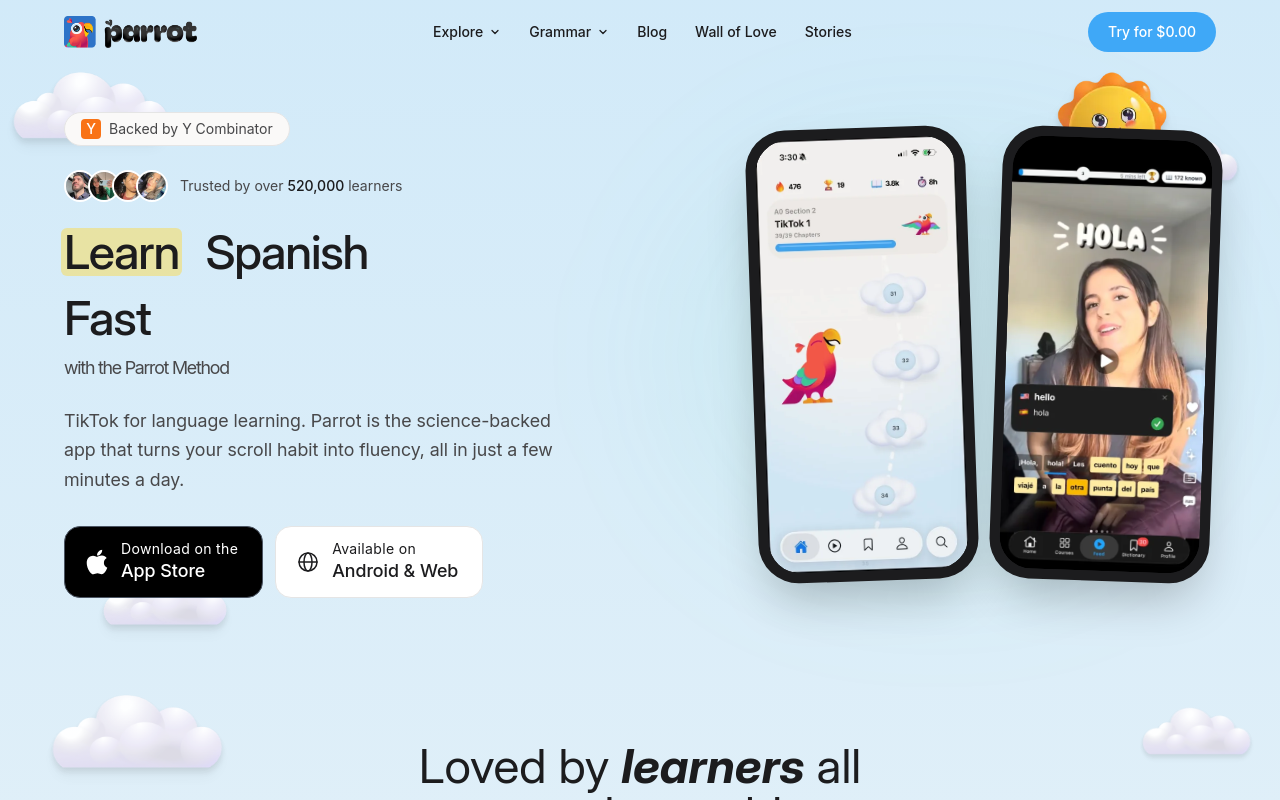
Parrot App (parrotapp.com) delivers comprehensible input in TikTok-style short clips, making it the ideal complement to longer French TV shows for B1-B2 learners who want to speak, not just watch. Its scroll-friendly format fits real daily habits, and the #1 researched input method underpins every clip. The tradeoff: short-form video won't replace the sustained listening stamina that full episodes build.
1. Lupin - Clear Dialogue and Thriller Pacing That Hooks B1 Learners Immediately
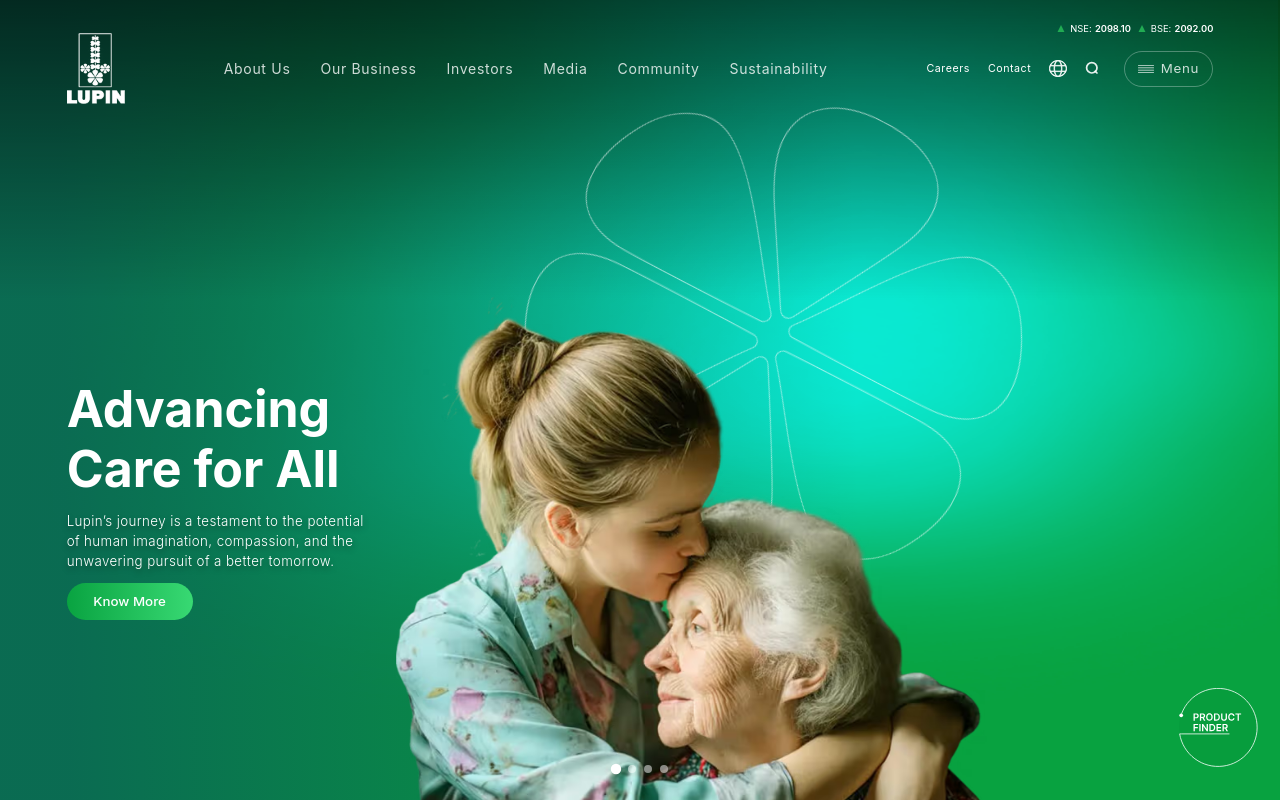
The most widely adopted gateway recommendation for B1–B2 French learners, and viewership data supports why: Lupin drew an enormous global audience in its first Netflix month, stress-testing its clarity with a massive non-native viewership. Omar Sy's delivery is deliberate without feeling slowed down, subtitles in French are available throughout, and the heist-thriller structure keeps you guessing enough to stay in the scene rather than zoning out.
2. Dix Pour Cent / Call My Agent! - Professional and Casual French Registers for B2 Vocabulary Depth
Set inside a Parisian talent agency, Dix Pour Cent blends boardroom French with rapid-fire casual banter, exposing B2 learners to the register-switching that textbooks rarely teach. Celebrity cameos add authentic, unscripted-feeling dialogue. The tradeoff is pace: Parisian speech here is noticeably faster than Lupin, making it better suited for upper-B1 learners ready to push toward B2 rather than those just entering the intermediate band.
3. Plan Cœur / The Hook-Up Plan - Modern Colloquialisms That Textbooks Never Teach
Plan Cœur is the most colloquially rich of the major Netflix French shows, packed with informal phrasing, verlan-adjacent slang, and the kind of spoken contractions, t'as, ch'ais pas, that real Parisians use constantly. For B1-B2 learners whose French sounds textbook-perfect but unnatural in conversation, this show is uniquely valuable. The tradeoff: the casual density can overwhelm learners who haven't yet consolidated core B1 grammar.
4. The Subtitle-Switching Method - Force Active Listening by Dropping Subtitles for Short Scenes
Watching any of these shows with French subtitles active, then re-watching one scene without them, is the most consistently recommended method for intermediate learners, and the research supports why it works. A Frontiers in Psychology study confirmed that passive exposure alone does not produce speaking ability; production requires conditions beyond receptive input. That gap is real and it widens quietly.
Most intermediate learners who have binged Lupin and Call My Agent still freeze when a native speaker fires back at conversational speed. The receptive comprehension built from hours of viewing is genuine, but it does not automatically transfer to production. The missing condition is low-stakes output practice calibrated to the same register as what you have been watching.
Parrot's TikTok-style scrollable feed of short videos created by native speakers is built on the Comprehensible Input Method, content is selected and sequenced for each learner, so every clip sits inside that 95-98 percent comprehension window rather than above or below it. Learners start consuming content immediately upon opening the app, and when a session surfaces a gap between what you understood and what you could say, Parrot Back provides speaking practice against the same material, turning a ten-minute commute gap into the output practice that full episodes alone cannot provide. That active, personalized layer is most beneficial when you want more than immersive video, when you want the receptive gains from watching to compound into production.
The shows above will carry a determined B1-B2 learner a long way, but there is a ceiling. Once Lupin's scripted clarity and Plan Coeur's colloquialisms start feeling comfortable, you are ready for the tier where French stops being manageable and starts being genuinely demanding: the C1-C2 shows that expose you to regional accents, historical registers, and the kind of rapid-fire cultural subtext that no subtitle track can fully translate.
5. Netflix French Show Availability - Lupin, Call My Agent, and Plan Cœur All in One Place
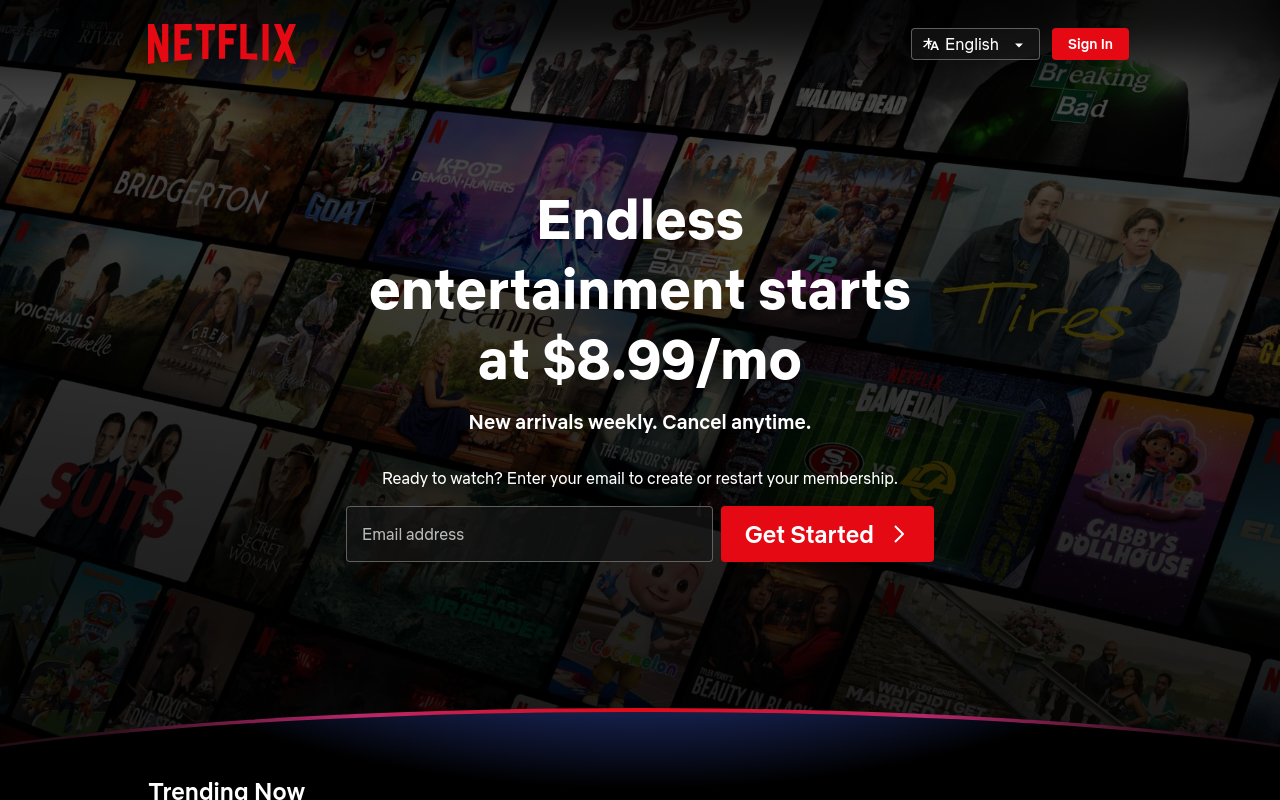
For intermediate learners, the single biggest access advantage is that Lupin, Dix Pour Cent, and Plan Cœur are all on Netflix with toggleable French and English subtitles. This removes the friction of hunting across platforms and lets learners build a consistent daily viewing habit. The limitation is regional availability, subtitle language options and show licensing vary by country, so some learners may find French-language subtitle tracks missing in their region.
6. Recommended French TV Shows List - Genre Variety Across Thriller, Comedy, and Romance
A curated B1-B2 watchlist should span multiple genres: thriller (Lupin), workplace comedy-drama (Dix Pour Cent), and romantic comedy (Plan Cœur). Genre variety matters because each exposes learners to different vocabulary domains and speech rhythms. Learners who restrict themselves to one genre plateau faster. The tradeoff is that genre-hopping requires more cognitive flexibility, each new show demands a re-calibration period before comprehension stabilises.
Why Genre Variety Accelerates Your French Learning at B1-B2
Lupin covers thriller, Call My Agent covers workplace comedy, and Plan Cœur covers romantic comedy, and that spread is deliberate rather than incidental. Each genre forces a different vocabulary set and a different speech register, which directly addresses the acquisition ceiling that binge-watching one series creates. Research notes that learners pick up fewer than 15 percent of unknown words from a single viewing, meaning format and genre rotation is the lever that compounds incidental acquisition rather than recycling familiar vocabulary with diminishing returns.
Parrot's TikTok-style scrollable feed of short videos created by native speakers applies this directly: content is sequenced across registers and topics so that each session broadens the vocabulary range rather than reinforcing what you already know, making it most beneficial alongside immersive viewing, not instead of it.
Related Reading
French Language Learning Resources
French Alphabet Pronunciation
How To Learn French Through Conversation
How To Conjugate Re Verbs In French
How To Learn French With Movies
Learning Resources For African French
How Long To Learn French
Best French TV Shows for Advanced Learners at C1-C2 Level
Genre rotation solves the vocabulary ceiling problem, but it does not close the gap between understanding Le Bureau des Légendes and actually speaking French like its characters. That gap is not a motivation problem. It is a structural one.
Fluent in 3 Months confirms that at C1-C2 level, passive input builds receptive fluency effectively, but productive fluency, the ability to generate French spontaneously under pressure, requires deliberate output practice that television alone cannot deliver. The shows below are genuinely challenging. Each one earns its place on this list for specific linguistic reasons.
But the honest caveat comes first: comprehension is not fluency. One tension advanced learners rarely name clearly: even at C1-C2, unknown vocabulary keeps surfacing in native French content, and the instinct is to reach for a lookup tool, pause, and resume, a rhythm that trains reading more than listening. A deeper tension is that most level-targeted recommendations for advanced French TV are generic rather than calibrated, leaving C1-C2 learners to self-diagnose whether a show is actually stretching them or simply entertaining them.
Parrot App - Best for Closing the Output Gap at C1-C2 Level
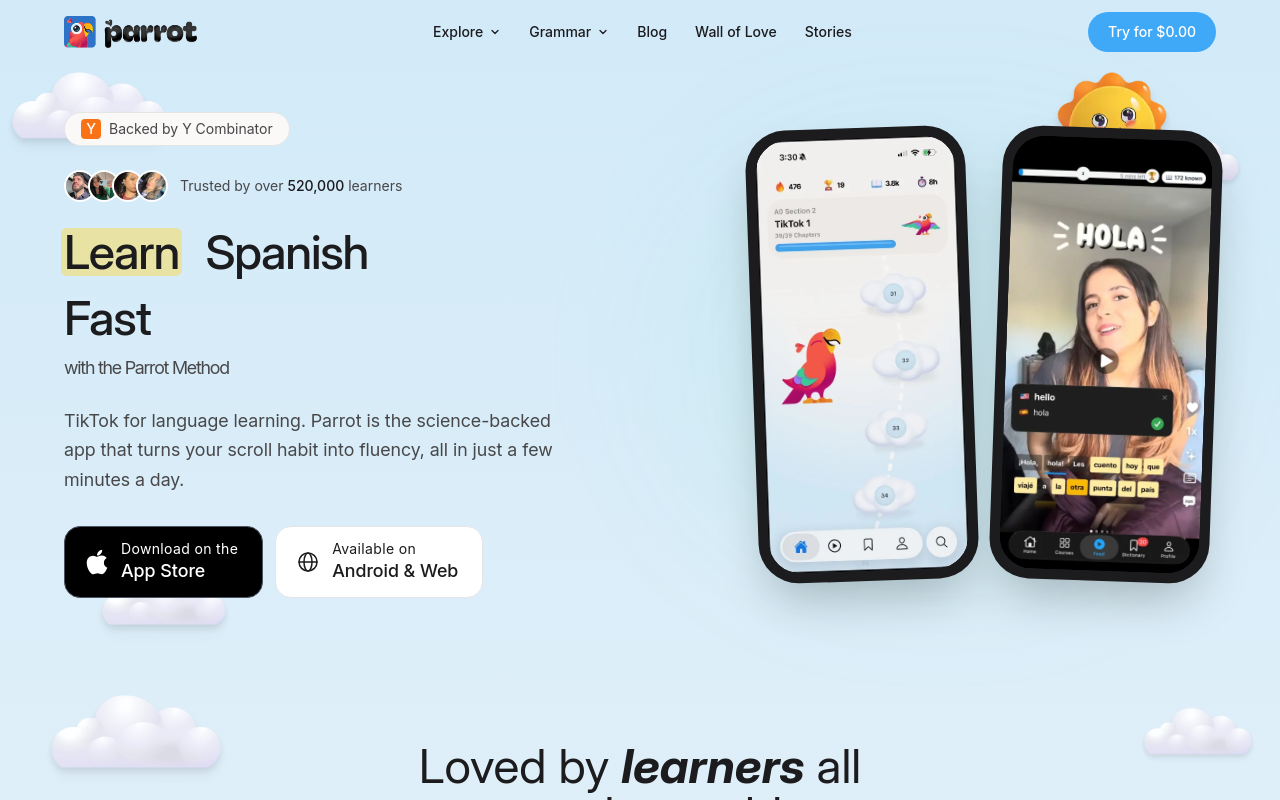
Even advanced learners who binge French TV fluently hit a wall: passive input doesn't build speaking ability. Parrot App fills that gap with short-form video clips, think TikTok for French, built on comprehensible input, the most research-backed acquisition method. It's the ideal complement to shows like Le Bureau for learners who understand everything but still struggle to produce French confidently. Tradeoff: content is short-form, not long-form drama.
1. Le Bureau des Légendes - The Gold Standard for C1-C2 Immersion
Le Bureau des Légendes is the benchmark C1-C2 French learners measure themselves against, and for good reason. Canal+'s espionage drama layers diplomatic register, intelligence-service argot, and emotionally compressed dialogue into scenes where a single missed word shifts the meaning of an entire exchange. The negotiation sequences are particularly valuable for advanced vocabulary shadowing because characters speak at native speed with almost no visual scaffolding.
The tradeoff: if you can follow every line effortlessly, you are being entertained, not stretched. Alexandre Astier's Arthurian comedy runs to over 450 episodes across six seasons, giving learners a substantial, structured archive to work through. The linguistic challenge is cultural compression, not vocabulary density: Kaamelott's humor depends on anachronistic register clashes and Breton-inflected cadence that confuse even heritage speakers who missed the cultural references.
The rapid-fire Arthur-Perceval exchanges function as a genuine C1 listening-speed benchmark. Learners who find themselves laughing without fully knowing why are exactly where they need to be.
2. Kaamelott - Rapid-Fire Cultural Wit in a Medieval Comedy Shell
Kaamelott is set in Arthurian legend but speaks in completely modern, cynical, colloquial French, a deliberate comic contrast that makes it uniquely challenging. Jokes rely on wordplay, cultural irony, and deadpan timing that are fundamentally untranslatable, meaning only learners with a solid C1 grasp will catch the humor. It's the best show for testing cultural fluency, not just linguistic accuracy. Tradeoff: humor lands poorly without cultural context.
3. Bref. - The Ultimate Listening-Speed and Register Challenge
Each Bref. episode runs two to three minutes, narrated in breathless, colloquial first-person French at a pace that strips out almost every pause a non-native speaker relies on. That micro-format is the feature, not a limitation. Drilling a single episode repeatedly, pausing after each sentence to reconstruct the narration aloud, trains the ear for the contracted, elided French that formal content never exposes you to. The tradeoff is narrow cultural range; Bref. is one voice, one register, and should be paired with broader drama for balance. It does, however, address a real pain point: advanced learners who find most French TV either too formal or too scripted will find Bref. one of the few formats that consistently delivers natural, everyday conversational French.
4. Genre Variety Strategy - Mixing Drama, Comedy, and Micro-Format to Prevent Plateau
A common pattern among advanced learners is locking onto one show and watching it for months, mistaking comfort for progress. Fluent in 3 Months notes that mixing drama, comedy, and short-form formats exposes C1-C2 learners to different registers and speech speeds, which is the primary mechanism for preventing a comprehension plateau. * covers formal register, cultural wit, and colloquial speed inside a single weekly habit without requiring more total viewing time.
The lingering problem is that even a well-rotated input diet trains recognition, not production. Here is the paradox advanced learners rarely see coming: the very fluency that makes native French TV enjoyable is the same fluency that makes binge-watching it nearly useless for closing the final gap to spontaneous speech. At C1-C2, comprehension is largely intact, so passive viewing no longer forces acquisition; it entertains.
Fluent in 3 Months is direct on this point: passive input does not automatically transfer into speaking ability. Recognition and production are different cognitive skills, and only one of them gets trained by watching television. My Linguistics reinforces the same structural point: comprehensible input builds the receptive foundation, but deliberate speaking practice is what converts that foundation into spontaneous output.
5. Can You Learn French from TV Alone? Why Output Practice Remains the C1-C2 Gap
At C1-C2, TV is genuinely high-value input, comprehension gains are real and measurable. But even learners who understand Le Bureau effortlessly often cannot hold a spontaneous conversation, because input alone never trains production. Speaking, writing, and responding in real time require a separate practice loop. Advanced learners who rely solely on TV risk becoming highly fluent listeners who freeze when asked to speak. Tradeoff: TV is necessary but not sufficient for full fluency.
How to Actively Learn from French TV Shows Instead of Just Watching
Research has found that passive viewing builds recognition, not production, so you'll understand the word on screen but still fumble for it in conversation. Then, before pressing play again, try to recall the next word or phrase from context. Research shows that even 18 passive encounters with a word left learners with only a 10-15% recall rate three months later. That gap between passive recognition and active production is exactly what most beginners who come to Parrot describe: they've watched hours of content, but the moment they try to speak, the words aren't there.
Why 15 Minutes of Active Viewing Beats a Three-Hour Binge
Cognitive science is unambiguous on massed versus spaced practice: shorter, deliberate sessions outperform longer passive ones for retention. The mental effort required by the pause-repeat-recall loop is the mechanism; it signals to your brain that this input is worth storing. Its short-form video feed is sequenced using the Comprehensible Input Method, so every clip is calibrated to sit just above your current level, comprehensible enough to follow, unfamiliar enough to stretch.
Every video watched contributes immediately to listening practice with real, conversational language rather than textbook phrases, and the active response layer is already built in: the pause-and-produce step this section describes isn't something you have to remember to add. Parrot Back, the app's speaking practice feature, closes the loop by asking you to produce French, so the gap between understanding and speaking starts to close session by session. Review Cards inside the app reinforce the same vocabulary across sessions, applying the spaced gaps that passive bingeing never creates.
Active techniques transform French TV from entertainment into a higher-retention training method: research shows that active retrieval after even a single exposure outperforms 18 passive re-exposures for three-month recall. Learner pausing a French TV show on laptop, pen and notebook ready to study.
Why Passive French TV Watching Alone Never Produces Spoken Fluency
Most learners who hit a plateau with French TV are not watching the wrong shows or putting in too little time. The real problem runs deeper: recognition and production are separate neurological systems, and passive viewing only trains one of them. Understanding that gap is what this section is about, and closing it is what separates learners who can follow Lupin from those who can actually speak French.
The Recognition-Production Gap - Why You Can Follow a Scene but Freeze Mid-Sentence
Consistent French TV watching produces no spoken fluency because recognition memory and production memory are neurologically separate systems, and passive viewing trains only one of them. That distinction is why a learner can follow every twist in Lupin and still freeze the moment a native speaker expects a reply. Watching French TV builds one pathway: recognition.
Speaking requires a different pathway, one built through active retrieval, not passive exposure. Research confirms that encoding, consolidating, and retrieving language for production are separable processes that do not transfer automatically from comprehension. A learner who understood every word of Lupin but froze the first time a native speaker asked them a question failed because no amount of input trains the output pathway on its own.
Spaced retrieval, not re-exposure, is what consolidates language into durable, usable memory. Watching three hours of French TV in one sitting does not triple your progress; it may actively crowd out the spaced gaps where consolidation happens. A learner who spent 20 minutes actively retrieving and producing French across three short, separate sessions may outperform a binge-watcher.
Across the broader learning science field, the principle holds plainly: passive consumption builds comprehension but does not automatically transfer to speaking ability. Volume of viewing is not the variable that predicts spoken fluency. Forced production is.
Learners who have passed formal French exams and still feel mute in real conversation are not outliers; they are the predictable result of a recognition-only training diet. The French TV you have already been watching is exactly the right raw material. You just need one more layer to convert that input into output.
Related Reading
Best French Audio Books
French Tv Shows To Learn French
Rocket French Reviews
Pimsleur French Review
Next steps
If your French comprehension keeps outpacing your ability to speak, the path forward starts with treating passive viewing as raw material rather than the method itself. Recognition memory and production memory are neurologically separate systems, and the gap between them does not close by watching more. Start with our learn Spanish.
The comprehensibility research is clear: your brain only acquires language when unknown word density stays low enough to process meaning rather than survive it, which is why a five-minute cartoon watched at the right level outperforms a 45-minute drama you barely follow. That covers the input side. But a second, equally important finding explains why even well-leveled input stalls at speaking: learners pick up fewer than 15 percent of unknown words from a single passive exposure, and spaced retrieval, not re-exposure, is what consolidates vocabulary into the production pathway. Together, those two constraints point to the same next step: comprehensible input, followed immediately by forced recall, repeated across short spaced sessions rather than compressed into weekend binges.
For a deeper look at how output practice closes the gap that comprehensible input alone leaves open, see learn Spanish as a worked example of the same method applied across languages. Your French TV list stays exactly as it is. What changes is the layer you add around it.
Frequently Asked Questions
Which French shows are best if I'm a complete beginner with no French at all?
Start with Trotro, which uses sentences of five words or fewer with constant visual reinforcement, making it the safest starting point for absolute A1 beginners. Once that feels comfortable, move to the Peppa Pig French dub, which layers in household vocabulary with strong visual context in episodes of around five minutes each.
Are there any good French shows for advanced C1–C2 learners?
The post recommends three for C1–C2: Le Bureau des Légendes for its diplomatic argot and near-zero visual scaffolding, Kaamelott for rapid-fire register clashes and cultural compression in very short episodes, and Bref. for elided colloquial speech in two-to-three-minute micro-episodes that work well as a drill format.
Should I use French subtitles or English subtitles when watching?
Use French subtitles from the start. A learner who defaults to English subtitles is not doing French immersion, they are training their eyes rather than their ears. The post recommends reducing the density of unknown words in the content itself rather than reaching for English subtitles as a workaround.
I keep watching French TV but feel like I'm not actually improving, what am I doing wrong?
Passive watching alone is not enough. The post explains that input only compounds when it is comprehensible, roughly 95% or more of what you hear should be understandable, and when your brain is forced to retrieve what it heard rather than just absorbing it passively. Learners who progress treat each episode like a training session, pausing, repeating, and actively recalling before moving on.
I'm at B1–B2 and I've been re-watching the same French show repeatedly. Is that actually helping?
Not as much as you might think. The post notes that learners pick up fewer than 15 percent of unknown words from a single viewing, so re-watching the same show recycles familiar vocabulary with diminishing returns. Mixing drama, comedy, and short-form content forces repeated encounters with a wider range of vocabulary, which is the primary lever for escaping a plateau at B1–B2.