
Your streak is not lying to you, but it is measuring the wrong thing. Here is why consistent learners still freeze in real conversations, and what actually builds French fluency faster.
The common assumption is that learning French fast requires long, dedicated study sessions, and if you can't commit that time, you simply won't make real progress. But months of daily lessons, hundreds of completed units, and a streak long enough to feel genuinely proud of can still leave you speechless when a French speaker says something simple at a café. That gap between feeling like you're learning and actually being able to speak is a measurement problem, and the tools most learners trust are measuring entirely the wrong thing.
Apps like Duolingo and Babbel genuinely excel at building the daily study habit and introducing learners to core vocabulary, and for many beginners, that on-ramp is valuable. Where they face structural limits is in the next stage: converting that habit into spontaneous conversation. See our learn Spanish for how this works in practice.
Understanding that distinction changes everything about how you approach the fastest way to learn French. Industry research on gamified app design consistently shows that mechanics like streaks, XP points, leaderboards, and badges can dramatically lift user retention, in some documented cases producing striking improvements in the share of users who return week after week. That number sounds like a success story, but retention measures how often someone opens the app, not whether their brain is acquiring language.
A learner can maintain a 180-day streak, complete hundreds of units, and still freeze the moment a native speaker says "bonjour" because the app never required them to produce or understand real French under real conditions. If you have been consistent, genuinely motivated, and still feel stuck, the variable worth examining is your method. StriveCloud's research makes the structural problem explicit: gamified apps are engineered to maximise retention through reward loops, creating a feeling of progress that is decoupled from actual communicative competence.
Learners who spend months on gamified vocabulary exercises are using a tool that was never designed to build the thing they actually want. Beyond the wasted time, there is the real-world French ability that time could have built by now.
The metric being optimised is your return visit, not your conversational ability.
Key takeaways
Grammar drills and gamified streaks feel productive but train you to pass exercises, not to hold a conversation with a real French speaker.
The Foreign Service Institute's 600-750 hour estimate for French fluency was built for diplomats in full-time classroom immersion, it has almost nothing to do with how most people actually learn.
Comprehensible input, hearing and reading French that's just slightly above your current level, is the most research-backed mechanism for real acquisition, and it works whether or not you ever open a textbook.
300 high-frequency words carry you through a surprising range of everyday French exchanges; the fastest learners front-load vocabulary by frequency, not by textbook chapter.
The average person already scrolls social media for over two hours a day, that time is either building French fluency or building nothing, depending entirely on what's on the screen.
Parrot (parrotapp.com) is a short-form video app built around comprehensible input, it replaces your regular scroll feed with French content calibrated to your level, so acquisition happens in the gaps you already have.
The Real Cost of Staying on the Grammar-Drill Treadmill
Most learners chasing the fastest way to learn French are already putting in the time. The problem isn't effort or commitment. This section breaks down why streak-heavy, grammar-drill methods can leave you fluent on paper but speechless in conversation, and what a different input-first approach actually looks like in practice.
The XP Illusion - Why Months of Streaks Can Leave You Speechless
The problem with gamified language learning is structural. Gamified grammar apps are effective at keeping learners engaged and building recognition of vocabulary, genuine advantages for beginners. What they don't build is the listening fluency and spontaneous recall that real conversation demands. The method is 80% input (listening, reading) and 20% output (speaking), underlying every video session, and it governs how content is selected and sequenced for each learner, ensuring exposure stays just ahead of current ability rather than looping back through grammar the learner already recognises but can't yet deploy in speech.
The 80/20 Inversion - How Grammar-First Study Buries the 20% That Actually Makes You Fluent
Corpus linguistics research consistently shows that a relatively small set of high-frequency words covers the vast majority of everyday spoken French, yet most self-study curricula allocate the lion's share of time to grammar rules and verb conjugations that deliver far less conversational return than that frequency core does. The top 1,000 most common French words cover a large majority of everyday spoken conversation. Prioritising that frequency core through listening and reading is where the real conversational return lies.
According to the Association Française de Lyon, English speakers need roughly 600 to 750 hours to reach professional French proficiency. Spending a significant portion of those hours on low-return grammar repetition means arriving at conversational ability later than necessary. That delay compounds: a learner who switches to comprehensible input after six months of streak-based study doesn't just lose those six months; they also start the input phase behind where they could have been.
Structuring those hours around high-frequency exposure from the outset changes the outcome. That combination, comprehensible input governing content sequencing, listening practice built into every session, speaking practice through Parrot Back, and on-demand AI feedback, is designed to make the available hours count toward actual conversational ability, not toward a streak counter.
600 to 750 hours
Hours English speakers need for French proficiency
How Comprehensible Input Turns Your Scroll Time Into French Fluency
Your brain doesn't memorize its way into a language. It absorbs one. That distinction determines whether months of effort produce real conversation ability or just a longer streak counter. Understanding the mechanism behind genuine French acquisition is what separates learners who plateau from those who start speaking.
What Comprehensible Input Actually Means and Why Krashen's Research Still Holds Up
Comprehensible input is language your brain can almost decode on its own, but not quite. Linguist Stephen Krashen formalized this as the i+1 principle: "i" is your current competence level, and "+1" is the small stretch just beyond it. According to Frontiers in Psychology's 2025 neurolinguistic review, the brain acquires language naturally by decoding meaning from context at this threshold, without explicit grammar instruction or translation. Neurolinguistic research cited in the same review shows that implicit, input-rich exposure activates overlapping neural networks for language processing, reinforcing that contextual meaning-making, not rule memorization, is the actual acquisition mechanism.
Acquisition vs. Learning and Why One Builds Automatic Speech
Krashen draws a hard line between two processes. Acquisition is subconscious and input-driven; it produces the automatic, fluent speech you use without consciously reaching for rules. Learning is conscious grammar study, and the 2025 review is direct: conscious rule knowledge does not convert into spontaneous language use.
This exposes a critical and underappreciated mismatch: grammar-app streaks are engineered to measure how often you open an app, not whether you're acquiring French, which means a learner can maintain a 300-day streak and still be unable to hold a conversation, because gamified drill loops are structurally incapable of delivering the contextual, meaning-rich exposure that acquisition actually requires. That's not a motivation failure. It's a mechanism mismatch.
Why Short-Form Video Is the Most Practical Delivery Format
Short-form video fits the acquisition structure precisely. A 60-second French cooking clip with subtitles delivers audio, visual context, and readable text simultaneously, activating the same acquisition pathway as full immersion. Parrot is expanding to French & English language learning in the upcoming quarter, converting the scroll habit already built into a structured comprehensible input feed, without requiring a classroom, tutor, or fixed schedule. Comprehensible input isn't a theory you study. It's a delivery mechanism you choose.
7 Tips That Are Actually the Fastest Way to Learn French
Reaching that threshold is more concrete than most learners expect. Three hundred high-frequency words will carry you through a surprising number of real French exchanges. Master the top 3,000 word families and, according to established corpus linguistics research, you approach the level of coverage where everyday conversation actually flows, enough to follow the large majority of what you hear and be understood in most practical exchanges.
That single number reframes everything. You are not trying to memorize a language; you are trying to reach a threshold. And the seven tips below are the shortest path to it.
The common assumption is that faster progress means harder study: longer sessions, more rules, more streaks. The reality is the opposite. Learners who accelerate fastest are the ones who swap low-return habits for high-frequency comprehensible exposure stacked into time they were already wasting.
Here is exactly how to do that.
1. Flood Your Commute, Lunch Break, and Pre-Sleep Window with Short French Video

The fastest way to learn French isn't carving out a dedicated hour, it's stacking micro-exposures into time you're already burning. A 12-minute commute, a lunch scroll, five minutes before sleep: these dead pockets add up to 30-plus minutes of daily French without rearranging your schedule. The real tradeoff is that passive exposure alone won't build output skills, so this tip works best paired with active practice.
2. Apply the 80/20 Rule - Master the 1,000 Most Common French Words Before Touching Grammar

Corpus linguistics research indicates that mastering high-frequency word families delivers substantial coverage of everyday French speech, enough to follow the gist of most conversations and handle real transactions. That coverage level is your first meaningful milestone, and you reach it far faster by consuming content that recycles common words constantly than by drilling conjugation tables. As frequency-based acquisition research confirms, prioritizing high-frequency vocabulary over exhaustive grammar study is the core principle for efficient acquisition. Spend your first 60 days almost entirely here, and grammar will absorb itself through repeated exposure.
3. Consume French Media Every Day - Short Clips First, Then Music, Then Full Shows

Comprehensible input works on a simple principle: content pitched just above your current level lets your brain decode meaning from context without stopping to translate every word. Short clips of two to four minutes are the right entry point because the vocabulary density stays manageable and you can replay them without losing 40 minutes. Music reinforces rhythm and high-frequency phrases passively.
Full shows come later, once 80% comprehension feels comfortable. The honest limitation here is that media consumption alone will not build speaking output. Without a production habit alongside it, your listening and speaking ability will diverge noticeably by month two.
4. Speak from Day One Using Shadowing - No Partner Required
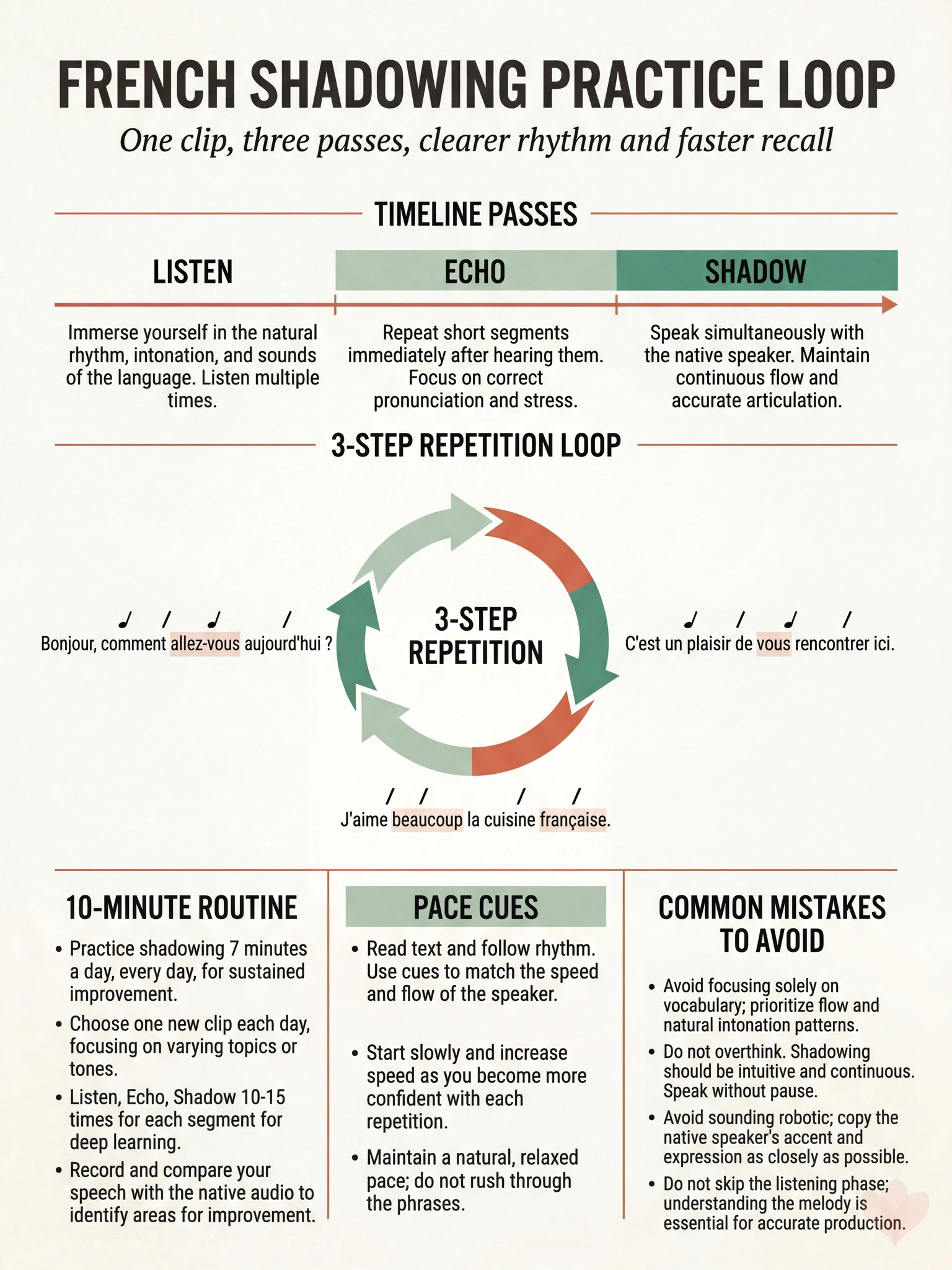
Shadowing means listening to a native French speaker and repeating what they say in real time, matching their rhythm, pace, and intonation exactly. Studies on the shadowing method show faster pronunciation improvement than reading-based study because your mouth builds muscle memory for sounds your ear is simultaneously processing. Ten minutes a day is enough to feel a shift within a matter of weeks. Start with slow, clearly articulated audio. Scripted dialogue or news bulletins work better than rapid casual conversation at this stage, where the speed alone will overwhelm the exercise before it helps.
5. Find a Language Exchange Partner for Low-Stakes Weekly Speaking Sessions
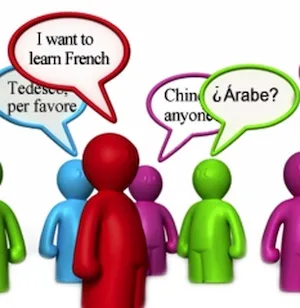
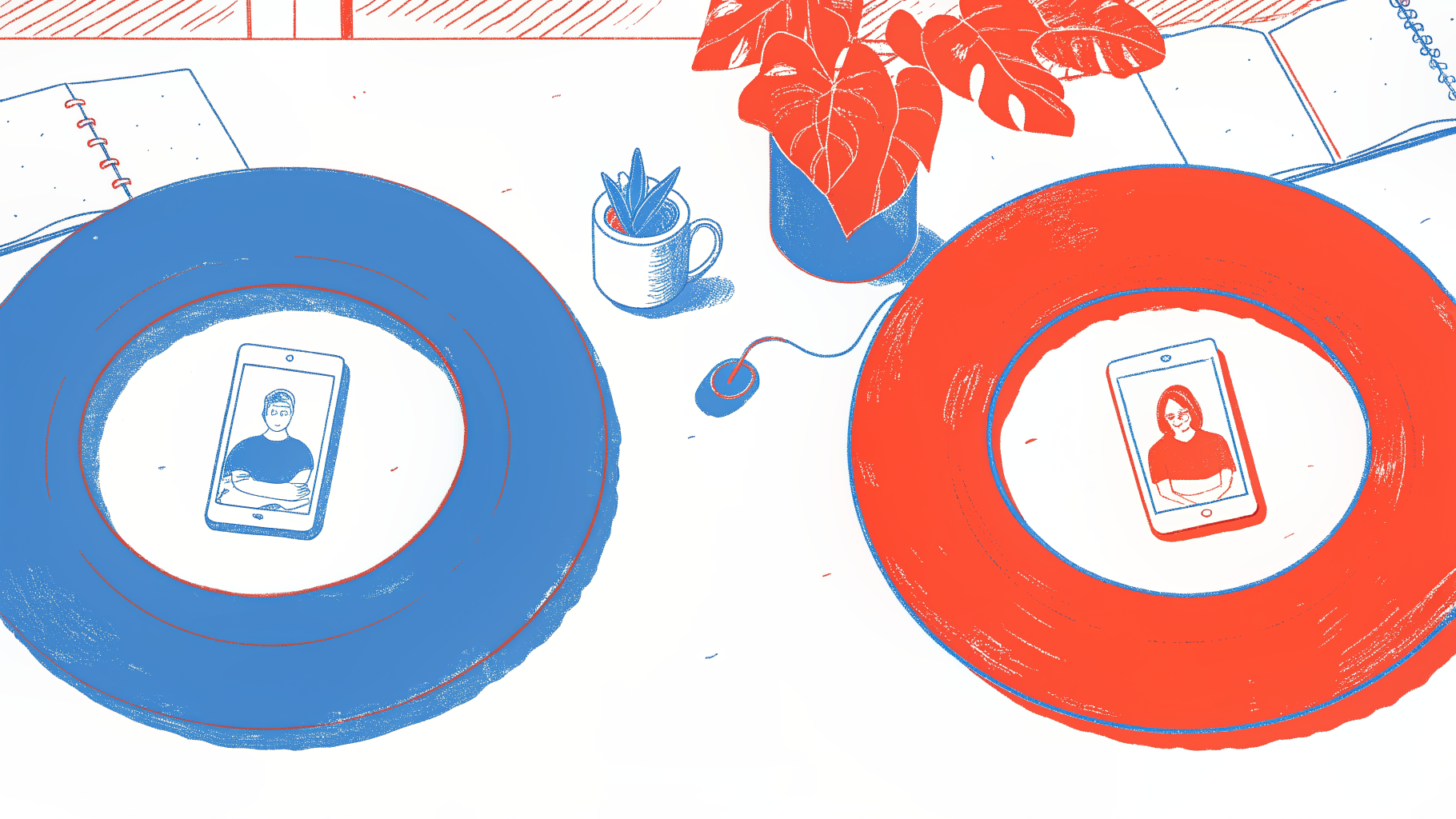
Waiting until your French feels ready before speaking to another person is the most reliable way to stay silent for months. Real fluency does not arrive before speaking; it arrives through speaking. A language exchange via a platform like Tandem or HelloTalk gives you 20 minutes of live conversation practice per week starting in week two, not week twelve. Your French will be imperfect and halting. That is the mechanism, not the problem. Errors made in real exchanges are the ones that get corrected in the moment and remembered the next day. Aim for consistency over comfort.
6. Follow an Intensive Micro-Routine of 10-15 Minutes Daily Instead of Sporadic Hour-Long Sessions

Spaced repetition research consistently shows that short, daily sessions outperform occasional long cramming blocks for long-term retention in language learning. The reason is biological: your brain needs sleep cycles between exposures to consolidate new vocabulary into long-term memory. A 15-minute daily comprehensible input session beats a 90-minute weekend marathon in terms of what actually sticks a week later. If your schedule is unpredictable, this structural shift matters more than any specific resource you choose. Consistency at low volume beats intensity at high volume every time, and the learners who plateau fastest are almost always the ones running sporadic long sessions rather than short daily ones.
7. Use Parrot - Short-Form French Video with Built-In Comprehensible Input That Tracks Conversation Progress
Tips one through six work. The problem most learners hit is coordination: stitching together a YouTube playlist, a vocabulary app, a shadowing audio file, and a media list into a fragile routine that collapses the moment life gets busy. Parrot's TikTok-style feed with native French speakers delivering comprehensible input removes that friction by delivering short clips calibrated to your current comprehension level inside a single scroll-native interface, so the listening exposure, vocabulary reinforcement, and conversation-progress tracking all live in one place.
It is the same scroll habit you already have, redirected toward fluency instead of distraction. Most beneficial when your biggest barrier is consistency rather than motivation: if the intention is there but the routine keeps collapsing, removing the coordination overhead is what keeps the habit alive.
Quick-Reference - Which Habit to Add First (Decision Framework)
Your Biggest Barrier
Start Here
Add Next
No time
Dead-time stacking (commute/lunch clips)
Short daily shadowing (10 min)
Poor listening comprehension
Comprehensible input videos at your level
Music & full shows once 80% comfortable
Can understand but can't speak
Shadowing from Day 1
Language exchange partner (Week 2)
Habit keeps collapsing
Parrot single-feed (removes coordination overhead)
Spaced micro-sessions (15 min daily)
Vocabulary feels thin
High-frequency that same figure-word input immersion
Grammar absorbs naturally after 60 days
Pick the row that matches your current sticking point and execute only that one habit for two weeks before adding the next.
Related Reading
French Language Learning Resources
Best App To Learn French For Travel
Best Books To Learn French
How Long To Learn French
How To Conjugate Re Verbs In French
French Alphabet Pronunciation
How To Learn French Through Conversation
How To Learn French With Movies
Learning Resources For African French
How Long It Actually Takes to Learn French When You Use These Methods
The U.S. Foreign Service Institute (FSI), the U.S.
The FSI classifies French as a Category I language, the easiest tier for native English speakers, reflecting how structurally close the two languages already are. But the proficiency target baked into that same figure is ILR Level 3, a formal professional benchmark that most casual learners will never need. The FSI hour count is not a minimum you must survive; it is a maximum built for the wrong goal, using the wrong method.
Why Method Quality Matters More Than Raw Hours
The FSI's own data confirms its estimate reflects intensive classroom instruction, not self-directed immersion. It is the approach most beneficial precisely for learners who have already tried traditional memorization and hit a wall. Adults already spend an average of 143 minutes per day scrolling social media in fragmented bursts. The FSI's own data confirms that same hour estimate reflects intensive classroom instruction; self-directed comprehensible input learners in immersion-adjacent conditions have reached functional conversational baselines in a fraction of that time, which is why method quality, not raw hours, is the variable worth optimising.
Next steps
If your days are already full and every attempt at French has stalled before it stuck, the path forward starts with redirecting the time you are already spending, not finding time you do not have. Start with our learn Spanish.
Grammar-app streaks are engineered to measure how often you open an app, not whether your brain is acquiring French, which means consistent daily effort can produce a 300-day streak and still leave you speechless in a real conversation. Separately, the FSI's 600-to-750-hour ceiling targets formal professional proficiency, not everyday conversation, and adults already spend more than two hours a day scrolling in the fragmented short bursts that would more than cover conversational French. Together, they point to one reframe: you do not have a time problem, and you do not have a discipline problem. You have a method mismatch, and fixing it is a tool swap, not a schedule overhaul.
If you want to go deeper on how comprehensible input works across another language before committing to a full French routine, see learn Spanish for a parallel look at the same method in practice.
Frequently Asked Questions
What does the 80/20 rule actually mean for learning French?
It means roughly 80% of your study time should be spent on input, listening and reading, and 20% on output like speaking. Corpus linguistics research shows that the top 1,000 most common French words cover a large majority of everyday spoken conversation, so focusing your early exposure on high-frequency words delivers far more conversational return than spending most of your time on grammar rules and verb conjugations.
How fast can you realistically learn French?
According to the Association Française de Lyon, English speakers need roughly 600 to 750 hours to reach professional French proficiency, so the timeline depends almost entirely on how those hours are allocated. Learners who spend that budget on comprehensible input and speaking practice progress significantly faster than those who spend it on grammar drills and streak-based apps.
Is it really okay to start speaking French before I feel ready?
Yes, waiting until your French feels good enough is described in the post as the single most reliable way to stay silent for months. Fluency arrives through speaking, not before it, and errors made in real exchanges are the ones that actually get corrected and remembered.
Should I learn French vocabulary or grammar first?
Prioritize high-frequency vocabulary first. Frequency-based research shows that learning the most commonly used words gives the best return on study time, and mastering around 3,000 word families gets you to the level where everyday conversation actually flows. Grammar consistently gets too much study time relative to the conversational return it delivers.
What's the fastest way to improve my French pronunciation as a beginner?
Shadowing native speakers is the most effective approach the post covers, listening to a native French speaker and repeating what they say in real time, matching rhythm, intonation, and pace. Research on the shadowing method shows faster pronunciation improvement than reading-based study because your mouth builds muscle memory for sounds your ear is simultaneously processing, and ten minutes a day is enough to feel a meaningful shift within weeks.