
African French is already the majority of the French-speaking world. Here is what actually exists to train for it, and where every option still falls short.
Over 396 million people now speak French worldwide, and the overwhelming majority of that growth is happening in sub-Saharan Africa, not Paris. More than half of all French speakers globally are under 30, concentrated almost entirely in francophone Africa. The living, breathing centre of the French language has already moved.
Yet most learners spend months building a mental model of French that mirrors a shrinking European minority, then wonder why real conversations in Dakar or Abidjan feel like a different language entirely. The problem is a wrong-model-from-day-one trap, and mainstream apps like Duolingo, Babbel, Pimsleur, and Rosetta Stone have not yet been built to prevent it. These platforms are genuinely excellent at what they were designed for: delivering Parisian-standard French to the broadest possible global audience.
The mismatch is a consequence of their scope. African French and European French share grammar, core vocabulary, and written conventions, but mutual intelligibility is not the same as conversational readiness, and conflating the two is exactly where learners get hurt. The lexical and phonological divergence is striking.
Speakers in Dakar routinely fold Wolof terms into everyday French conversation. In Kinshasa, Lingala borrowings are woven into speech the way slang is woven into any living urban dialect. In Abidjan, Nouchi, a street creole blending French with Dioula and other local languages, dominates casual registers entirely.
Vowel qualities shift, tonal influences from indigenous languages shape rhythm and stress, and the nasal sounds that anchor Parisian French are often pronounced with greater openness across West and Central African varieties. A learner trained only on metropolitan French has no frame of reference for any of this. The confusion is a model failure.
France Diplomatie's 2026 report frames the growth of French explicitly as a story about Africa and youth, not Europe. Mainstream apps have not caught up. Across 29 francophone African countries, le français d'Afrique is the majority.
The mismatch spans hundreds of millions of speakers and linguistic patterns that no mainstream app has yet built a dedicated curriculum around, an understandable gap given that African French varieties are a recent research priority, but a consequential one for learners who need them. See our learn Spanish for how this works in practice.
The confusion is not a comprehension failure; it is a model failure.

Key takeaways
Over 396 million people speak French worldwide, and the majority of that growth is concentrated in sub-Saharan Africa's 29 francophone countries, not Paris, not Quebec.
Mainstream French apps teach European French almost exclusively, which means learners arrive in Dakar or Abidjan functionally underprepared for accents, vocabulary, and street vernaculars they've never once heard.
Francophone Africa is not one accent, it's three distinct sub-regions and dozens of local languages that have been reshaping French from the inside out for generations, and no single course covers all of it.
The Peace Corps Essential French for French-Speaking Africa course is the most credible free structured starting point, but it's a foundation, not a finish line.
Country-specific vernaculars like Ivory Coast's Nouchi carry their own phonology, lexicon, and grammatical logic, a learner without region-specific exposure will miss roughly half of real street conversation.
Stacking RFI Afrique and TV5Monde builds recognition, not production, and those are two different neurological acts; hours of passive listening won't stop you from freezing mid-sentence.
Parrot's short-form video feed closes the loop by putting native-speaker African French clips in front of you in the gaps you already have, pairing comprehensible input with the speaking practice that passive media stacks never deliver.
The Francophone African Countries Overview That Shows How Vast the Gap Really Is
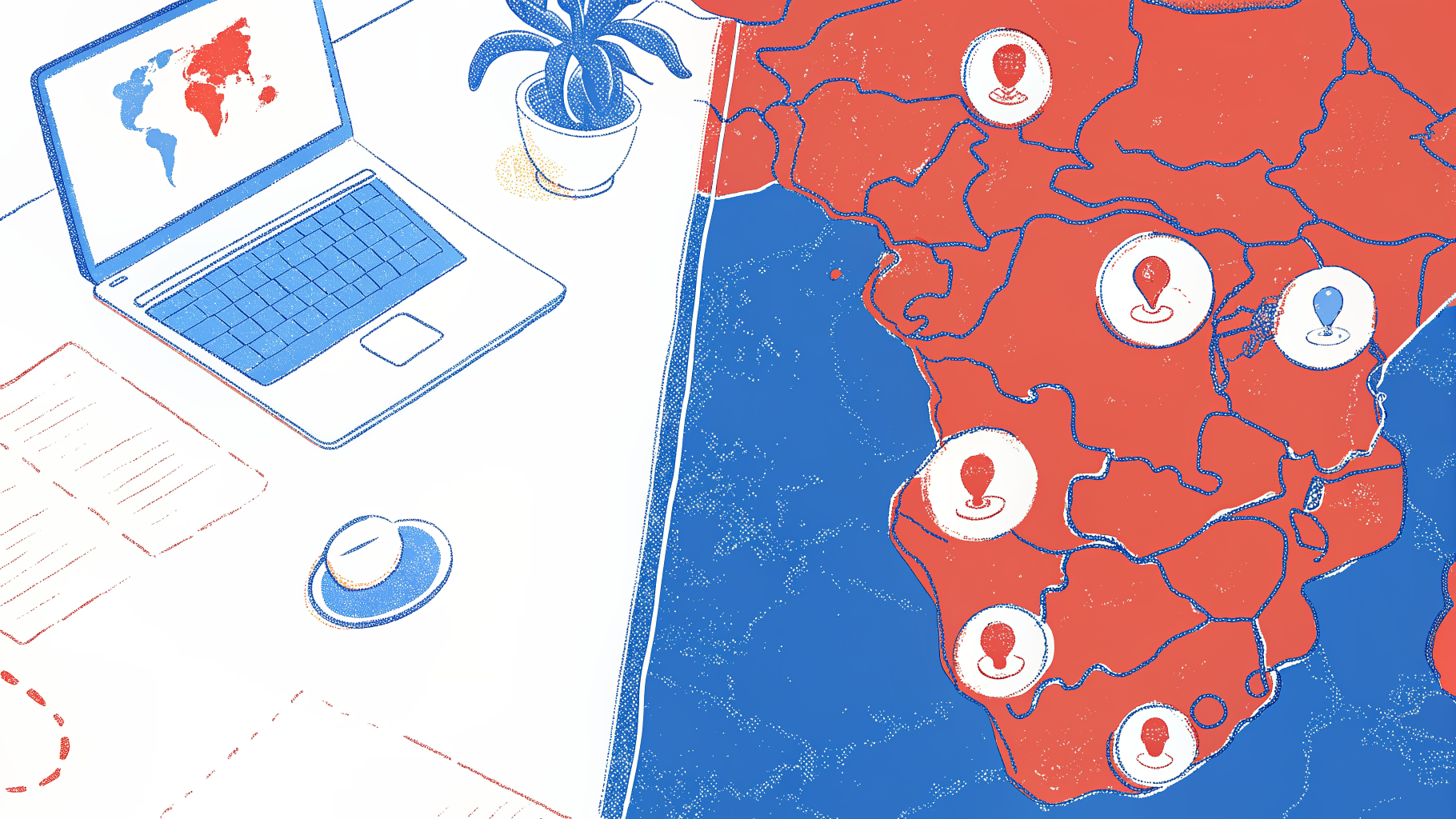
Francophone Africa isn't a single accent you can fake your way through. It's a continent-scale linguistic reality spread across 29 countries, three distinct sub-regions, and dozens of local languages that have been reshaping French from the inside out for generations. That's the largest concentration of francophone nations on earth, and each sub-region has developed its own phonological norms, vocabulary sets, and code-switching habits shaped by surrounding indigenous languages.
A learner who treats this as "French with a bit of flavor" will hit a wall fast, not because they lack ability, but because the resource they trained on was built for a different language target entirely. Regional variation in African French is structural, not cosmetic. Nouchi, the street vernacular of Abidjan, pulls vocabulary from Dioula, Baoulé, English, and Arabic.
It is a parallel system with its own grammar of informality, recognized by linguists as a distinct variety that constitutes a real comprehension barrier for outsiders trained on Parisian input. Learners who have spent time in francophone West or Central Africa consistently report the same shock: their training covered the words but not the rhythm, the register, or the vocabulary that fills daily conversation.
Primary Structured Courses for Learning African French That Actually Exist
Free, structured African French courses do exist, and the most credible starting point is the Peace Corps Essential French for French Speaking Africa course, hosted free through the Live Lingua Peace Corps language archive. Designed specifically for deployment across West African nations, it covers vocabulary, cultural context, and the kind of practical, situation-based French that a generic Parisian-French textbook never touches. That specificity is what separates it from everything else on the free tier.
The five primary structured courses worth knowing about are covered below. - Peace Corps Essential French for French Speaking Africa: Built for West African deployment contexts rather than a single classroom, this course covers market transactions, greeting rituals, and the cultural register shifts that actually come up in daily life. - The tradeoff is real: it is a PDF-and-audio curriculum, which means every session requires you to sit down, open a file, and work through it deliberately.
Busy learners who cannot carve out 30-minute blocks will stall here.
Peace Corps French for Mali: A country-specific companion to the broader West Africa course, this program goes deeper on Malian vocabulary and cultural context.
If Mali is your target country, the specificity is worth it; if you need pan-regional coverage, start with the Essential French course first and use this as a supplement.
Both are public domain and free through Live Lingua.
FSI French Basic Course: The Foreign Service Institute's foundational French program is thorough and free.
It is built for diplomatic deployment rather than West African street-level interaction, so the accent models and vocabulary skew European.
Use it to lock in grammar scaffolding, then layer African-specific vocabulary from the Peace Corps materials on top.
Treating it as a grammar foundation rather than a complete African French solution is the honest way to use it.
Alliance Française Online Programs: Alliance Française offers structured, tutor-led French courses with regional cultural modules in several African cities.
The quality is high and the instruction is live.
The cost is the limiting factor for many learners, and the sessions are scheduled, not on-demand, which cuts against the commute-and-lunch-break learning pattern that actually fits most people's days.
Université Virtuelle du Sénégal Open Courses: The UVS offers French-language academic content produced in and for francophone West Africa.
The register is formal, the accents are authentically Senegalese, and the content is free.
It is not designed as a language course, so learners need to self-direct, but for high-frequency West African vocabulary in real spoken context, it is an underused resource.
The critical limitation cuts across all five options.
As the Peace Corps and Live Lingua materials make clear, structured courses build passive recognition of vocabulary and grammar patterns, but they include no mechanism to force spoken output. Applying the 80/20 rule here matters: prioritising the high-frequency West African expressions these courses surface will maximise practical return, but those gains stay locked in recognition memory until you produce spoken French under real-time pressure. That is the hidden cost most learners discover too late.
You finish the Peace Corps units, you feel prepared, and then a Dakar taxi driver asks where you are going, and your brain, which has filed every word under "reading," goes quiet. Parrot's short-form video feed slots into the 10-minute gaps you already have, delivering comprehensible input from real francophone African speakers so the vocabulary these structured courses build gets activated through listening and prompted output, not just read and shelved. Structured courses give you the skeleton of African French, the vocabulary lists, the grammar scaffolding, the cultural context, but a skeleton does not speak.
The next layer is immersive media: the Dakar radio broadcasts, the Abidjan YouTube channels, and the francophone African streaming content that puts real accents, real rhythm, and real register into your ears before you ever open your mouth.
How to Prioritise High-Frequency West African Vocabulary So Busy Learners Progress Faster
Every structured African French course contains more material than any busy learner will finish. The practical fix is to front-load the high-frequency West African expressions that appear constantly in real interactions, greetings, market transactions, directions, and social register shifts, and deprioritise exhaustive grammar tables. As the Peace Corps / Live Lingua materials frame it, maximising practical communicative return means targeting vocabulary with the highest real-world frequency first. The tradeoff: this approach requires you to actively curate rather than work through units in sequence, which demands more self-direction than most learners expect from a structured course.
The Passive Knowledge Gap in Structured African French Courses (and How to Close It)
Completing every unit of a structured African French course does not mean you can speak African French. The Peace Corps materials are explicit on this point: structured courses build passive recognition of vocabulary and grammar patterns, but they contain no mechanism to force spoken output. The vocabulary gains stay filed under recognition memory, accessible when you read or listen, but unavailable the moment a native speaker expects a response.
This is a structural limitation of the format itself. Spoken fluency requires repeated, real-time production practice that no PDF-and-audio curriculum can replicate. Once the Peace Corps foundation is in place, two categories of supplementary material extend it meaningfully.
First, country-specific cultural glossaries and phrase guides produced by francophone African universities and NGOs fill the slang and code-switching gaps that formal courses strip out. Second, media produced for francophone African audiences, rather than about them, exposes learners to the actual phonology and register of daily speech. Finding and vetting these materials takes real time, and quality varies sharply.
A learner without a clear target country can waste weeks on content that reflects one city's register and misses everywhere else.
1. Peace Corps Essential French for French Speaking Africa - Free Regional Course via Live Lingua
Designed explicitly for West African deployment contexts, this free course covers greetings, market transactions, and social situations common across Francophone West Africa rather than Parisian norms. It is the right starting point for learners targeting multiple countries such as Senegal, Burkina Faso, or Côte d'Ivoire. The core tradeoff is limited audio variety, learners get structured text but minimal exposure to regional accent diversity.
2. Apply the 80/20 Rule - Prioritise High-Frequency West African Vocabulary Over Exhaustive Grammar Drills
Structured African French courses contain far more content than any learner needs immediately. Applying the 80/20 principle means identifying the roughly 20% of vocabulary, greetings, market terms, transport language, and social formulas common in Francophone Africa, that covers 80% of real interactions. This approach accelerates functional fluency for learners with time constraints. The tradeoff is that skipping grammar depth can create gaps when navigating formal written contexts or official institutions.
3. Acknowledge the Passive Knowledge Gap - Structured Courses Alone Cannot Build Spoken Output
Every structured course for African French, Peace Corps materials included, builds reading comprehension and vocabulary recognition but does not develop the spontaneous spoken output required for real conversations in Dakar, Abidjan, or Bamako. Learners who rely solely on course completion without pairing it with speaking practice, language exchange partners, or immersive audio will plateau at passive recognition. This is the single most common failure mode for self-directed learners using free structured resources.
4. Francophone Africa Language Materials - Supplementary Resources Beyond Core Courses
Beyond the flagship Peace Corps courses, a broader ecosystem of Francophone language materials exists, including RFI Afrique audio content, TV5 Monde Africa programming, and community-produced glossaries of African French slang and loanwords from local languages like Wolof and Bambara. These supplementary resources are essential for learners who have exhausted structured courses and need authentic input. The limitation is that quality and pedagogical structure vary enormously, requiring learners to curate carefully.
Immersive Media Resources That Build Real African French Listening Comprehension
Stacking up African French media feels like the right move. Queue RFI Afrique, bookmark TV5Monde, add a Congolese playlist, and you're covering your bases. The honest problem: a recognition layer is not the same as comprehension you can act on.
Learners who are comfortable with European French already find African French accents noticeably more difficult to understand, and bingeing news radio for weeks can let you follow a broadcast while still freezing the moment a native speaker in Dakar waits for a reply. Exposure trains your ear; it does not train your mouth or prepare you for the hybrid, code-switched French that dominates actual street conversation. The five resources below are genuinely worth your time, but each one builds a different layer of African French listening comprehension.
Knowing which layer you're building matters as much as the hours you put in.
1. RFI Afrique - Authentic News Radio and Podcasts in African-Accented French
RFI Afrique produces radio and podcast content in African-accented French covering current events across francophone nations, giving learners authentic exposure to the phonology, vocabulary, and journalistic register of African French as spoken by native speakers across the continent. It is the strongest single resource for training your ear to formal African French speech at a natural pace. Every session you spend with it contributes immediately to your listening comprehension, not textbook comprehension, but real-world comprehension of the kind that actually closes the gap between European and African French accents. The real trade-off: the register is journalistic, not conversational, so it prepares you for news comprehension far better than it prepares you for a market stall in Abidjan.
2. TV5Monde Afrique - African-Produced Television with Visual Cultural Context
TV5Monde Afrique broadcasts programming produced in and for francophone Africa, pairing authentic African French speech patterns with the visual cultural context that audio-only formats cannot deliver. Seeing facial expressions, settings, and body language alongside speech accelerates comprehension in ways pure listening cannot replicate. The limitation is access: full on-demand libraries require a subscription or regional availability, which makes consistent daily use harder for learners outside francophone Africa.
3. French Connect with Max Konaté - Creator-Led Bridging Content for Learners
Creator-led content like French Connect with Max Konaté bridges authentic African French speech with accessible explanation built specifically for learners, filling the gap that mainstream resources leave by training ears almost entirely on metropolitan European French norms. Konaté's format is among the more beginner-friendly entry points in this list, given that he contextualises pronunciation and vocabulary choices as he uses them, a scaffolding approach supported by comprehensible-input research. The trade-off is depth: once your comprehension reaches an intermediate level, you will outgrow the explanatory scaffolding and need rawer input.
4. Francophone African Cinema - Film Dialogue as a Window into Code-Switching and Street Slang
Francophone African cinema and music expose a layer that news media simply cannot reach: live code-switching between French and Wolof, Lingala, or Dioula mid-sentence, alongside slang that standard textbooks and mainstream apps never capture. A film like Atlantics (dir. Mati Diop) delivers Dakar street French in full cultural context, including the hybrid register that dominates real social conversation. Any listening diet built only on news media trains comprehension for formal African French while leaving learners unprepared for this spoken reality.
5. Francophone African Music - Lyrics That Teach Slang, Rhythm, and Regional Identity

Music is a frequently overlooked resource in African French learning, and also the hardest to use well. The core difficulty is a real one: French learners consistently struggle to find African French-language songs they genuinely enjoy, which makes music-based immersion difficult to sustain long enough to matter. The payoff when you find the right artist is real, lyrics expose regional slang, rhythmic speech patterns, and the emotional texture of a dialect in a format your brain retains far better than a grammar explanation.
Start with artists whose French is prominent in the mix rather than buried under production. Passive listening across all five of these resources builds a powerful recognition layer. The ceiling it hits is production: your ear improves, but your mouth stays silent.
That ceiling is also where a consistent daily habit becomes essential, and where the format of practice matters most. Parrot's TikTok-style scrollable feed of short videos created by native speakers, matched to the learner's level, delivers real, engaging content that contributes directly to real-world listening comprehension rather than textbook pattern-matching. The goal is a consistent daily habit in 15 minutes or less, enough to keep building without the friction that causes most immersion routines to stall.
These five resources give you a strong listening foundation across the full breadth of francophone Africa, but breadth is only half the equation. The next section narrows the lens to Côte d'Ivoire, Mali, and Senegal, showing you how to stack the right resources in the right order depending on exactly which variety of African French you are targeting.
Related Reading
How Long To Learn French
French Alphabet Pronunciation
How To Learn French Through Conversation
How To Learn French With Movies
Learning Resources For African French
Region-Specific African French Resources for Ivory Coast Mali and Senegal
A learner who arrives in Abidjan armed with a solid pan-African French course will still miss roughly half of what they hear on the street. That is not an exaggeration. As the Russian Journal of Linguistics documents in its 2024 annotation on Nouchi, country-specific vernaculars like Ivory Coast's Nouchi have their own phonology, lexicon, and grammatical logic that diverge from both standard French and any generic African French resource.
The uncomfortable implication: preparing with pan-African materials and then landing in Dakar or Bamako leaves you almost as underprepared as someone who only drilled Parisian French. Country-first resource selection is not a preference. It is a prerequisite.
1. Ivory Coast French - Nouchi Street Speech and Urban Abidjan Audio Resources
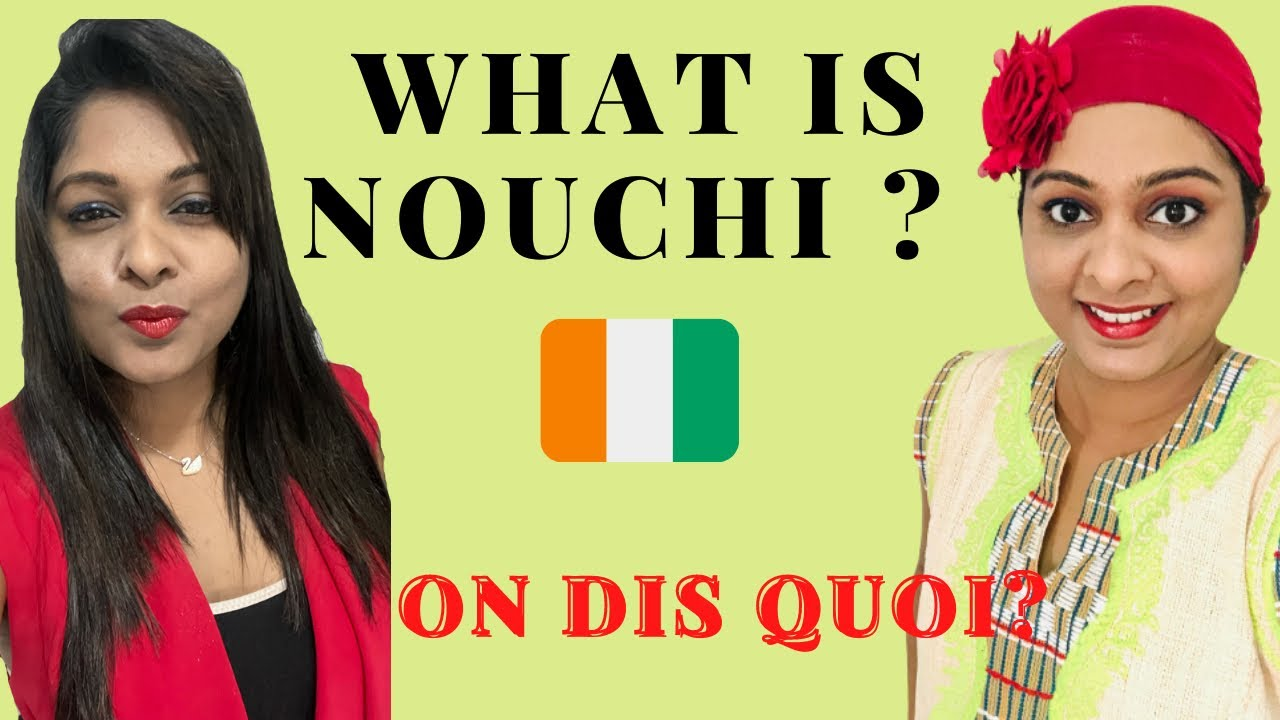
Nouchi is not French with a regional accent. According to research published in Anthropological Linguistics by Maarten Mous in 2004, Nouchi emerged in 1980s Abidjan among ethnically diverse urban youth as a distinct lingua franca, blending French with indigenous vocabulary and entirely new grammatical patterns. The Russian Journal of Linguistics reinforces this: Nouchi's phonological and grammatical divergence from standard French is systematic, not incidental, meaning a learner cannot simply "listen harder" to bridge the gap.
For a learner targeting Abidjan, YouTube channels featuring Ivorian comedy sketches and street interview formats are the most accessible entry point. The real limitation: almost no structured course explains Nouchi's code-switching rules explicitly, so learners must build pattern recognition through repeated exposure rather than guided instruction. This is precisely where the Comprehensible Input Method that underlies Parrot's video sessions earns its keep.
Content is selected and sequenced so that each clip sits just above a learner's current level, turning what would otherwise be bewildering Nouchi exposure into incremental, trackable comprehension gains.
2. Mali French - Peace Corps French for Mali Materials and Sahel Pronunciation Patterns
The Peace Corps French for Mali course via Live Lingua is the most structured country-specific resource available for free, covering Bamako-relevant vocabulary and Sahel cultural context that generic West African courses skip entirely. The honest trade-off is age: the materials predate the current urban slang landscape in Bamako, where Bambara-inflected phonology and contemporary street vocabulary have evolved considerably. Learners heading to Mali should treat the Peace Corps course as a structural foundation, then supplement with current Malian radio and social media audio to close the gap on spoken registers the course does not reach.
The persistent difficulty beginners face here is time: fitting meaningful listening practice into a fractured day, a commute, a lunch break, fifteen minutes between meetings, while also hunting down audio that is actually relevant to Bamako rather than generic francophone content. Parrot's short-form video feed is built around exactly that constraint, surfacing native-speaker clips in focused sessions designed to fit into the gaps in a day rather than demand a dedicated study block.
3. Senegal French - Wolof Code-Switching Norms, Dakar Media, and Greeting Rituals
Wolof is the true lingua franca of Dakar, and a French-only resource will actively mislead a learner targeting Senegal. Mid-sentence Wolof insertions are a standard feature of everyday Dakar speech, not an exception. RFI Afrique, which draws a large monthly audience across francophone West Africa, is the most credible free audio resource for authentic Senegalese French pronunciation and current register.
The limitation is passivity: listening to RFI Dakar bureau clips builds recognition without building the spoken output a learner actually needs when a Dakar contact switches registers mid-greeting. This is a gap that passive listening alone cannot close, and it is one of the most common frustrations beginners experience when they have invested weeks in audio immersion and still freeze the moment a real conversation demands a response. Parrot's Parrot Back feature addresses this directly: after a video session, learners move from watching and listening into active speaking practice, producing output based on the authentic input they just absorbed rather than drilling decontextualised textbook phrases.
For a learner targeting Dakar, that sequence, a native-speaker Senegalese clip followed by prompted speaking practice on the same vocabulary and register, is a materially different preparation than RFI playback alone. Most learners targeting a specific country accept that they will spend 20 minutes hunting across YouTube, radio streams, and scattered PDFs before finding one usable clip. That curation cost eats the exact lunch-break or commute window they had for actual practice.
Parrot's short-form video feed is designed to reduce that search cost: a TikTok-style scrollable feed of short videos created by native African French speakers, delivering real, engaging content matched to the learner's level. This is the core delivery mechanism of the entire app. The resources above give you the raw material: country-specific audio, field dialogues, and authentic media streams.
But stacking the right inputs is only half the equation. The uncomfortable truth most learners discover too late is that hours of passive listening to Abidjan comedy skits or Dakar radio, without structured output practice, can leave your speaking ability exactly where it started. The Russian Journal of Linguistics annotation on Nouchi makes the structural complexity of these vernaculars plain: comprehension of a system this distinct from standard French requires both repeated exposure and active engagement with its patterns, not passive consumption alone.
Why Passive African French Consumption Without Speaking Practice Keeps You Stuck
Passive listening alone will not close the gap, and the reason is structural rather than motivational. Understanding why passive consumption creates a recognition ceiling, and what speaking practice actually does that listening cannot, is what this section breaks down.
The Recognition-Production Gap in African French
Recognizing African French and actually speaking it are two completely different neurological acts. Hundreds of learners build impressive media stacks, bookmarking RFI Afrique, queuing TV5Monde documentaries, downloading Senegalese podcasts, and still freeze the moment a real conversation starts. The brain is extraordinarily good at pattern recognition, and that capacity means listening hours do accumulate real progress.
The problem is what that progress does not build. Merrill Swain's Output Hypothesis, developed from her research into Canadian French immersion programs and published in 1985, found that students who received years of rich, comprehensible French input still scored significantly below native-speaker norms on oral production measures, a finding that has been replicated across multiple immersion contexts since. Receptive competence had developed fully.
Production had not. The brain learned to decode patterns it had never been forced to generate, creating a ceiling that more listening could not break. As the University of Chicago's Triple Helix review notes, passive input builds receptive competence, not productive competence.
A learner who has absorbed 100 hours of RFI Afrique can follow a conversation in Dakar but will freeze when the taxi driver asks "Comment ça va?" and actually waits for a reply. Swain's research identified three things that only speaking forces the brain to do: notice gaps in what you cannot yet say, test hypotheses about how the language actually works, and build the automaticity that fluent conversation requires.
None of those three functions are triggered by listening. The mechanism that closes the gap is pushed output, specifically, being forced to produce spoken African French immediately after receiving comprehensible input. The challenge for most learners is not motivation but time.
The average busy adult has roughly 10 to 15 minutes of genuine discretionary time scattered across commutes and lunch breaks, and the instinct in those gaps is to add another podcast episode. An app like Lingopie addresses this directly. Instead of another clip to watch passively, it offers a TikTok-style scrollable feed of short videos created by native African French speakers, delivering real, engaging content matched to the learner's level, and then prompts spoken responses rather than passive replay.
The passive consumption habit gets replaced. For busy learners without time for dedicated study sessions, embedding spoken responses into existing scroll habits is one of the most practical ways research on micro-session learning supports closing the recognition-production gap.

Next steps
If you have spent weeks with RFI Afrique and TV5Monde only to freeze the moment a real conversation starts, the path forward starts with accepting that passive listening and spoken production are neurologically separate skills that require separate practice. Start with our learn Spanish.
Swain's output research makes the first implication plain: even rich, authentic African French input leaves a measurable production gap, because the brain builds recognition of patterns it has never been forced to generate. The country-specificity finding sharpens the second: a learner who prepares with pan-African resources and then arrives in Abidjan faces almost the same gap as one who only drilled Parisian French, because Nouchi's phonology and code-switching patterns diverge from both. Together, they point to one corrective action: pairing region-targeted listening with immediate spoken output practice, not more passive consumption.
For a deeper look at how output practice closes the gap that immersion alone cannot, parrotapp.com is a working example of how comprehensible input paired with prompted speaking is structured for daily micro-sessions. The sequencing principle transfers directly to African French: native-speaker clip, then spoken response, then next clip. Start with the Peace Corps Essential French foundation for vocabulary scaffolding, layer RFI Afrique for authentic phonology, and replace one passive scroll session with a parrot-back speaking prompt. The shift from recognizing Dakar French to producing it happens in the gaps you already have, not in the dedicated study blocks you do not.
Frequently Asked Questions
What are the main African French varieties actually called?
The post names several distinct varieties by their local terms: Nouchi is the street creole of Abidjan blending French with Dioula, Baoulé, English, and Arabic; Kinois French refers to the tonal, Lingala-influenced variety spoken in Kinshasa; and Senegalese French describes the Wolof-dominant code-switching register of Dakar. Collectively, the post uses the term le français d'Afrique to refer to the full range of African French varieties spoken across 29 francophone countries.
Can a standard French speaker actually understand African French?
Not reliably in casual conversation. The post is explicit that mutual intelligibility is not the same as conversational readiness, African and European French share grammar, core vocabulary, and written conventions, but lexical borrowings from Wolof, Lingala, and Dioula, plus phonological shifts driven by indigenous languages, create real comprehension barriers. Learners trained only on metropolitan French consistently report that they knew the words but not the rhythm, register, or vocabulary that fills daily conversation.
Will a mainstream app like Duolingo or Babbel get me close enough to African French?
Not for conversational readiness in places like Dakar or Abidjan. The post explains that platforms like Duolingo, Babbel, Pimsleur, and Rosetta Stone are built to deliver Parisian-standard French to the broadest possible audience, and none has yet built a dedicated curriculum around African French varieties. The mismatch isn't a flaw in those products, it's a consequence of their scope, but it means learners trained exclusively on them hit a structural wall, not just an accent gap.
What's the French like specifically in Côte d'Ivoire and Senegal?
In Abidjan, Côte d'Ivoire, the dominant casual register is Nouchi, a street creole with its own grammar of informality, drawing on Dioula, Baoulé, English, and Arabic, which linguists recognize as a distinct variety that creates a real comprehension barrier for outsiders trained on Parisian French. In Senegal, Wolof is so dominant in Dakar that French-Wolof code-switching is the default register for millions of speakers, bending the phonology and vocabulary of French significantly away from any European standard.
If I finish a structured African French course, am I ready to hold a real conversation?
No, and the post is direct about why. Structured courses like the Peace Corps materials build passive recognition of vocabulary and grammar, but they contain no mechanism to force spoken output, so those gains stay locked in recognition memory. The post uses the example of finishing Peace Corps units feeling prepared, then going quiet the moment a Dakar taxi driver asks where you're going, because every word was filed under reading, not speaking.