
The methods most French learners trust are quietly built to fail them. Here is why the problem is structural, not personal, and what actually moves the needle.
Most language learners quit within the first few months. Not because they stop caring. Not because French is uniquely brutal.
But because the methods they trust most are quietly set up to fail them from day one. The common assumption is that learning French requires carving out 30-minute study blocks every day, and if you can't do that, you won't improve. The pattern is almost universal.
See our learn Spanish for how this works in practice. Someone decides this is the year they finally get serious about French. They download an app, build a streak, feel the early momentum.
Then life intervenes, the streak breaks, and the whole effort collapses. A few months later, they try again. Same arc.
Same exit. The problem is structural, and understanding that changes everything about how you approach the language. The early weeks of French feel productive because novelty creates its own momentum.
Then the novelty fades, the sessions start feeling like homework, and the first busy week becomes the last week of practice. According to industry research, a quarter of people did not keep any of their New Year's resolutions, including language-learning goals, abandoning them entirely within weeks of setting them. The methods demand scheduled, effortful attention, and that demand loses to ordinary life every single time.
When a method feels like studying, the brain treats it like a test. Attention tightens, cognitive load rises, and the relaxed, receptive state where language actually takes root gets crowded out. Research by Hartshorne, Tenenbaum, and Pinker, published in Cognition in 2018, drew on data from over 670,000 English speakers and found that the timing and nature of exposure, not the volume of formal study, determines whether a learner progresses or stalls.
Drills and grammar tables feel rigorous. That feeling is the problem.
Key takeaways
Most French learners quit within the first few months, not from lack of discipline, but because every method they trusted was quietly designed to feel like homework.
Hitting a daily streak while staying stuck at the same conversation level is one of the most demoralizing traps in language learning, the numbers go up, the fluency doesn't.
Short, distributed practice across your commute, lunch queue, and pre-sleep minutes beats a single long Saturday session, spaced repetition outperforms massed practice for long-term retention.
Traditional study blocks fail because they demand fresh willpower every day; habit-stacking French onto routines you already keep removes the decision entirely.
Comprehensible input, content that's slightly above your current level but still followable, is the most research-backed driver of fluency, and it works best when it doesn't feel like studying.
Parrot (parrotapp.com) is built around exactly that: short-form French video content, structured like TikTok, that delivers comprehensible input during the scrolling time you'd burn anyway.
The Real Reason Traditional French Study Methods Keep Failing You
Hitting a daily streak while staying stuck at the same conversation level is one of the most demoralizing experiences in language learning. The frustration is compounded when the problem isn't effort but method.
The 80/20 principle applied to French vocabulary is straightforward: a small core of high-frequency words accounts for the vast majority of everyday speech. Structured study paths that front-load grammar rules, conjugation tables, and exception lists can build a strong analytical foundation, and for learners who enjoy that framework, the investment has genuine value. Even so, the most common pattern we see is this: learners consume content in no particular order, a grammar app here, a YouTube video there, a Duolingo streak in between, and feel like they are progressing, until they hit the A2/B1 wall and discover the accumulated knowledge never connected into usable speech.
Completing five Duolingo course units produced reading and listening outcomes comparable to four university semesters, a genuine result for receptive skills. That finding, however, points to the limits of the metric itself: gamification measures how often you open the app, not whether a single new sentence has left your mouth.
Active Practice, Speaking, Listening, Reading in Context, Is What Actually Builds Fluency
The metric is the problem, not the effort. Gamification measures how often you open the app, not whether a single new sentence has left your mouth.
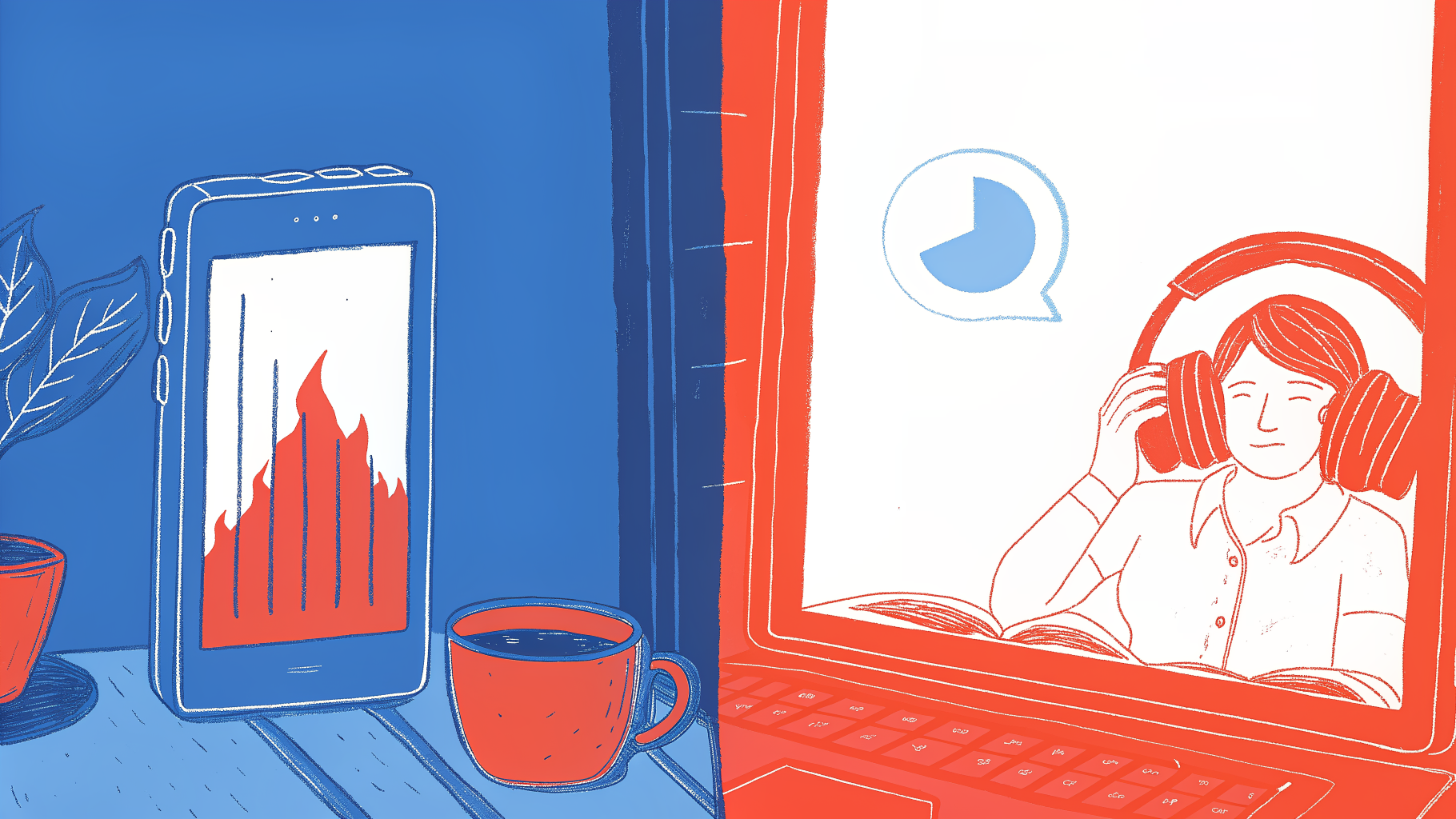
Active, context-rich input outperforms passive grammar study for building real conversational ability. This is the core finding behind Stephen Krashen's comprehensible input research: language acquisition happens when you understand messages slightly above your current level, not when you memorize rules in isolation. Learners who hit the A2/B1 plateau despite months of structured study almost always share the same pattern: accumulated knowledge that never connected into usable speech because consistent exposure to French as it is spoken was missing.
The next section maps out 13 concrete ways to replace the methods that are quietly stalling you, each one designed to fit inside the time you already have.
Related Reading
Is French A Hard Language To Learn
French Pronunciation Rules
French Grammar Rules
How To Practice Speaking French
French Phrases For Beginners
How To Start Learning French
How To Learn French On Your Own
How To Become Fluent In French
French Pronunciation Practice
13 Ways to Improve Your French Fast Without Adding Another Study Block to Your Day
Short, distributed French practice scattered across your morning commute, your lunch queue, and the few minutes before you fall asleep will do more for your fluency than a single long Saturday session that keeps getting pushed to Sunday. According to industry research, spaced repetition beats massed practice for long-term retention in every studied condition except same-day exams, meaning the timing of your exposure matters far more than its total volume. The implication is direct: you do not need new time.
You need to swap what fills the time you already have. One honest thing worth naming before the tactics: most learners who feel stuck after gamified apps like Duolingo aren't failing because they lack discipline, they're failing because those apps optimise for streaks, not for real retention or spoken output. The gap between tapping the right answer on a screen and actually producing French in a conversation is enormous, and closing it requires a different kind of contact with the language.
The thirteen tactics below are built around that distinction. Each one removes a low-value habit and replaces it with French contact. None requires a calendar entry.
On your next commute, describe what you see: "Il y a beaucoup de monde dans le métro ce matin." Start with simple present tense. The friction drops fast, and the speaking habit compounds daily.
This works best when you already spend commute time with headphones in and nothing particular playing.
1. Stack Three 15-Minute Micro-Sessions Into Your Existing Day Instead of One Long Study Block
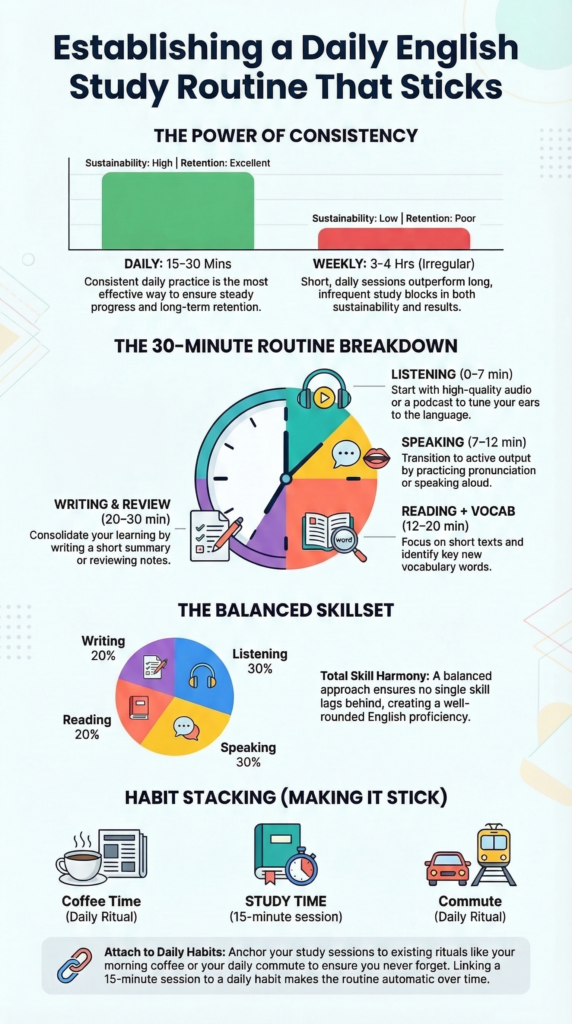
Daily contact frequency outperforms session length for long-term language retention. Industry research covering four meta-analyses of more than 3,000 students found that distributing practice across shorter intervals consistently beats concentrating it in a single block, because each session catches the memory trace before it fades rather than reviewing material you still remember. The practical map: a few minutes of Anki over morning coffee, a short French podcast during your commute, and a brief reading session before bed.
No new calendar entry. The two-hour weekend session that keeps sliding to Monday is a format problem. Learners who feel they need long uninterrupted blocks to make real progress are working against the grain of how language memory consolidates; consistent daily contact across short gaps is the mechanism, not total volume.
Learners who make this swap consistently report about a week of friction, then near-invisibility. That friction is the point: your brain is forced to process French to complete tasks it already wants to do, which is immersion without a study block. One honest caveat applies here: if your French is below A2, the friction tips from productive to paralyzing. At A2 and above, it accelerates reading speed and builds passive vocabulary without adding a single scheduled minute to your day.
2. Switch Your Phone and Apps to French to Turn Every Scroll Into Low-Stakes Immersion
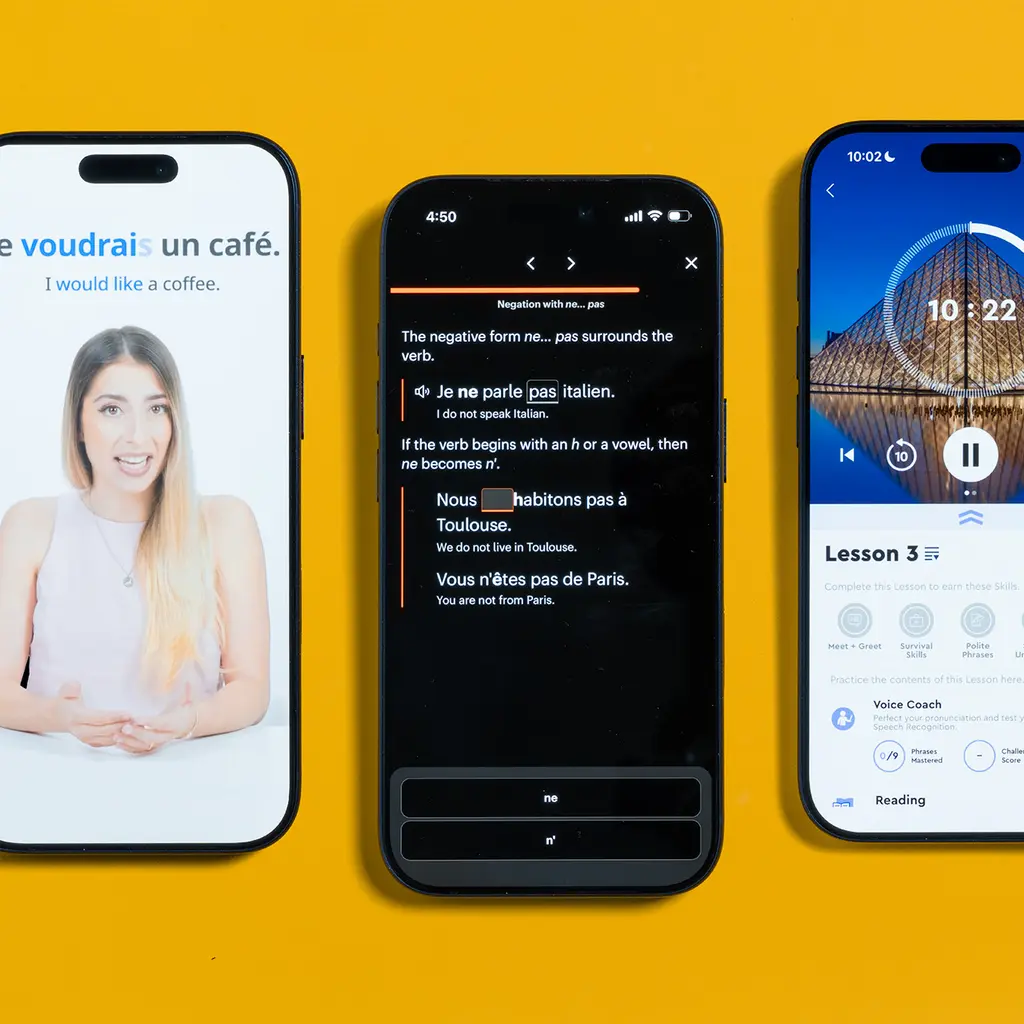
Changing your device language to French forces repeated exposure to interface vocabulary, redirects search results, and replaces passive English scrolling with ambient French contact, all without adding a single scheduled study block. It works best at B1 or above; below that threshold the friction of misreading warnings or settings outweighs the immersion benefit and can cause genuine inconvenience.
3. Talk to Yourself in French Out Loud - Narrate Your Day to Build Spoken Fluency Without a Partner
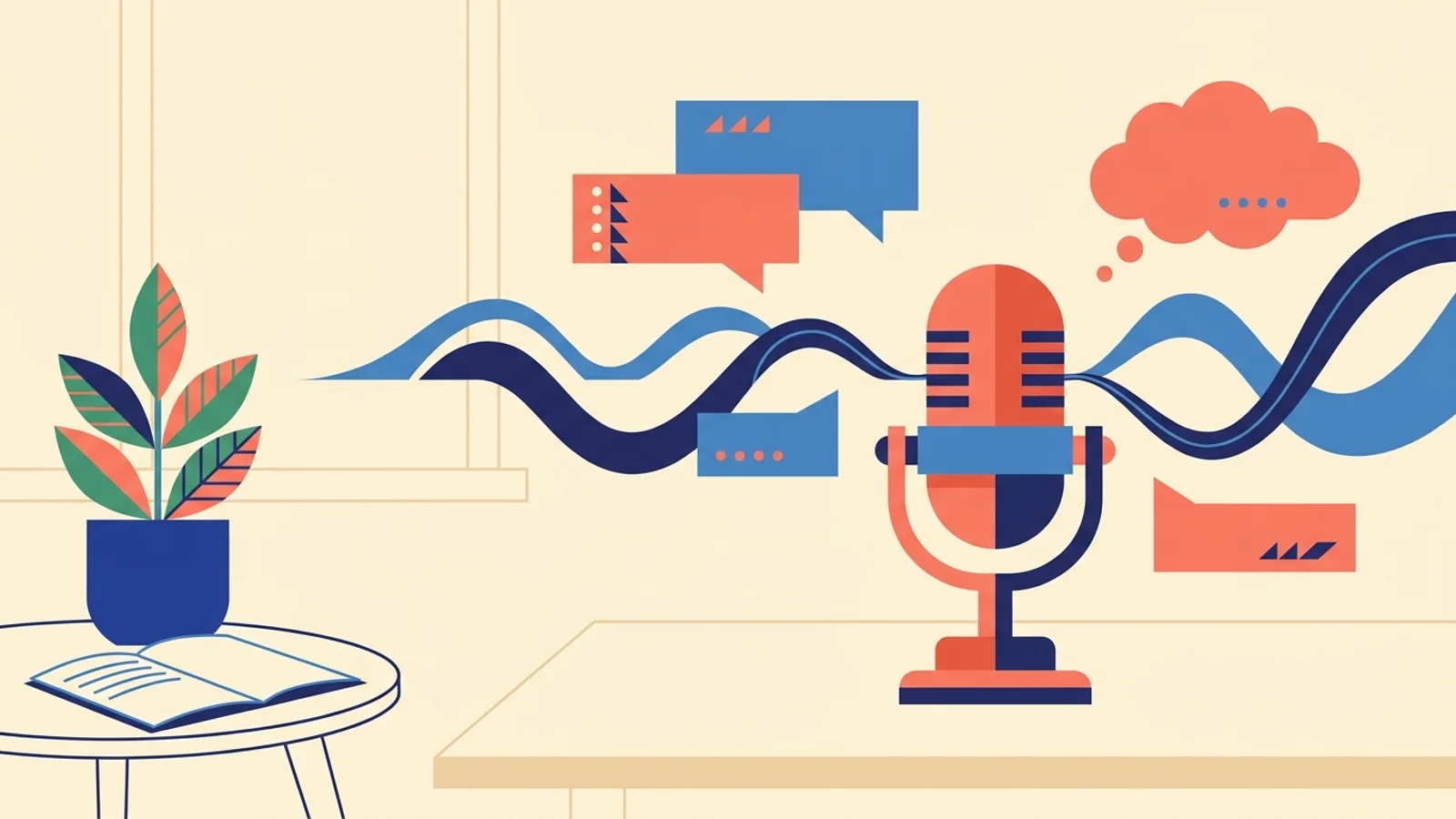
Narrating your commute, cooking, or errands in French forces real-time sentence construction, surfaces vocabulary gaps you can look up immediately, and builds the muscle memory of speaking aloud, the step most learners skip entirely. Reading aloud from any French text adds pronunciation practice on top. The limitation: you stay bounded by what you already know, so gaps widen without external correction.
4. Match Your French Podcast to Your CEFR Level - Beginner Learner Podcasts vs. Native-Speaker Radio

Beginners gain most from podcasts designed for learners, slow delivery, controlled vocabulary, and explicit explanations, while intermediate learners should push toward native content like France Inter or France Culture to encounter real speech rhythm and register. Mismatching level to content is the most common podcast mistake: too easy produces no growth, too hard produces tuned-out background noise rather than acquisition.
5. Read French Comics and Graded Readers at Your Current Level - Visual Context Does the Scaffolding

Bande dessinée and graded readers let you infer unknown vocabulary from images and panel context, making reading sustainable at lower levels where a novel would stall you on every page. Starting with the easiest graded readers and progressing to authentic comics like Astérix builds reading stamina gradually. The tradeoff: comic dialogue is often colloquial and fragmented, so it supplements but does not replace exposure to full prose.
6. Use Spaced Repetition Instead of Vocabulary Lists to Make New French Words Actually Stick

Spaced repetition systems schedule each word for review at the exact moment you are about to forget it, producing retention rates that list memorisation cannot match. Even ten minutes a day with a well-built French deck compounds into thousands of retained words over months. The real limitation: the system only works if you review daily, skipping sessions breaks the spacing intervals and forces costly catch-up reviews.
7. Write in French Every Day and Run It Through a Grammar Checker to Close the Production Gap
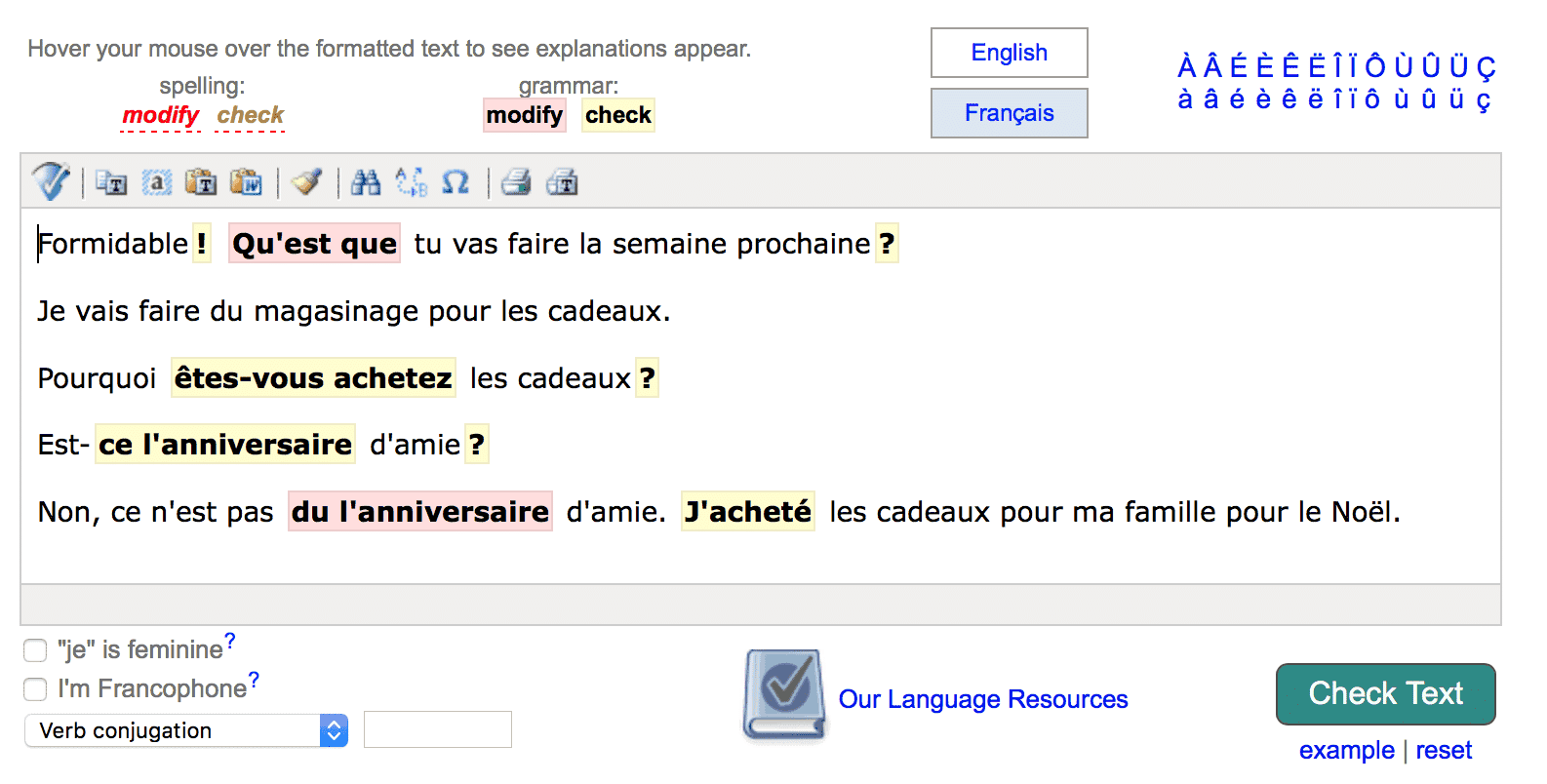
Daily written output, a journal entry, a text message draft, a short opinion, forces you to produce French rather than just consume it, and grammar-checking tools surface the specific errors your current level generates most. This feedback loop accelerates accuracy faster than passive exposure alone. The tradeoff: grammar checkers miss register errors and unnatural phrasing, so human correction remains necessary for fluency-level writing.
8. Watch French Films and Series With French Subtitles - Not English - to Train Real Comprehension
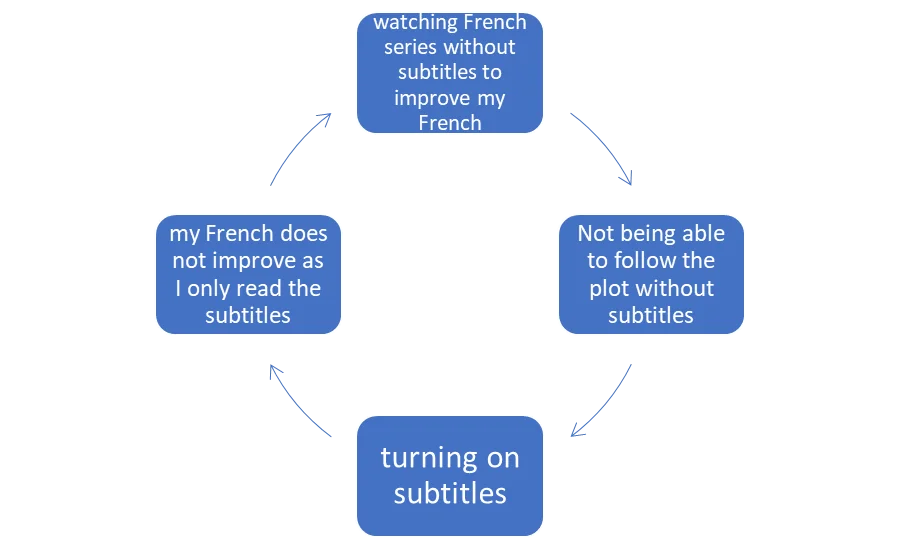
Watching with French subtitles forces your brain to process spoken and written French simultaneously, reinforcing spelling, pronunciation, and vocabulary in context. English subtitles short-circuit this by letting you disengage from the audio entirely. The method works best from A2 upward; complete beginners often find the dual-channel load overwhelming and retain little from either stream.
9. Find a French Conversation Partner Through a Language Exchange Platform for Real Speaking Practice

Platforms like Tandem, HelloTalk, and italki connect you with native French speakers who want to learn your language, making regular conversation practice accessible regardless of where you live. The reciprocal format keeps sessions free and motivation high. The honest limitation: scheduling across time zones requires consistency, and partners vary widely in teaching patience, structured italki lessons with a paid tutor solve this but add cost.
10. Listen to French Music and Translate Lyrics to Build Vocabulary Through a Low-Resistance Habit

Music is the easiest immersion habit to sustain because it slots into commutes, exercise, and household tasks with zero additional time cost. Actively translating lyrics and singing along adds a production layer that pure listening lacks. The tradeoff: song French is often poetic, contracted, or slangy in ways that diverge from conversational or written registers, so it builds vocabulary and ear but should not be your only listening source.
11. Read Authentic French Text Daily - News Articles, Novels, or Blogs - to Build Reading Fluency at Pace

Moving from graded material to authentic French text, news sites, simple novels, or topic blogs you would read in English anyway, exposes you to natural sentence structure, collocations, and register that no learner resource fully replicates. The key is choosing topics you already care about so curiosity overrides the friction of unknown words. The tradeoff: authentic text at lower levels requires a dictionary nearby, which slows reading flow significantly.
12. Listen to Spoken French Every Single Day - Even as Background - to Tune Your Ear to Natural Rhythm
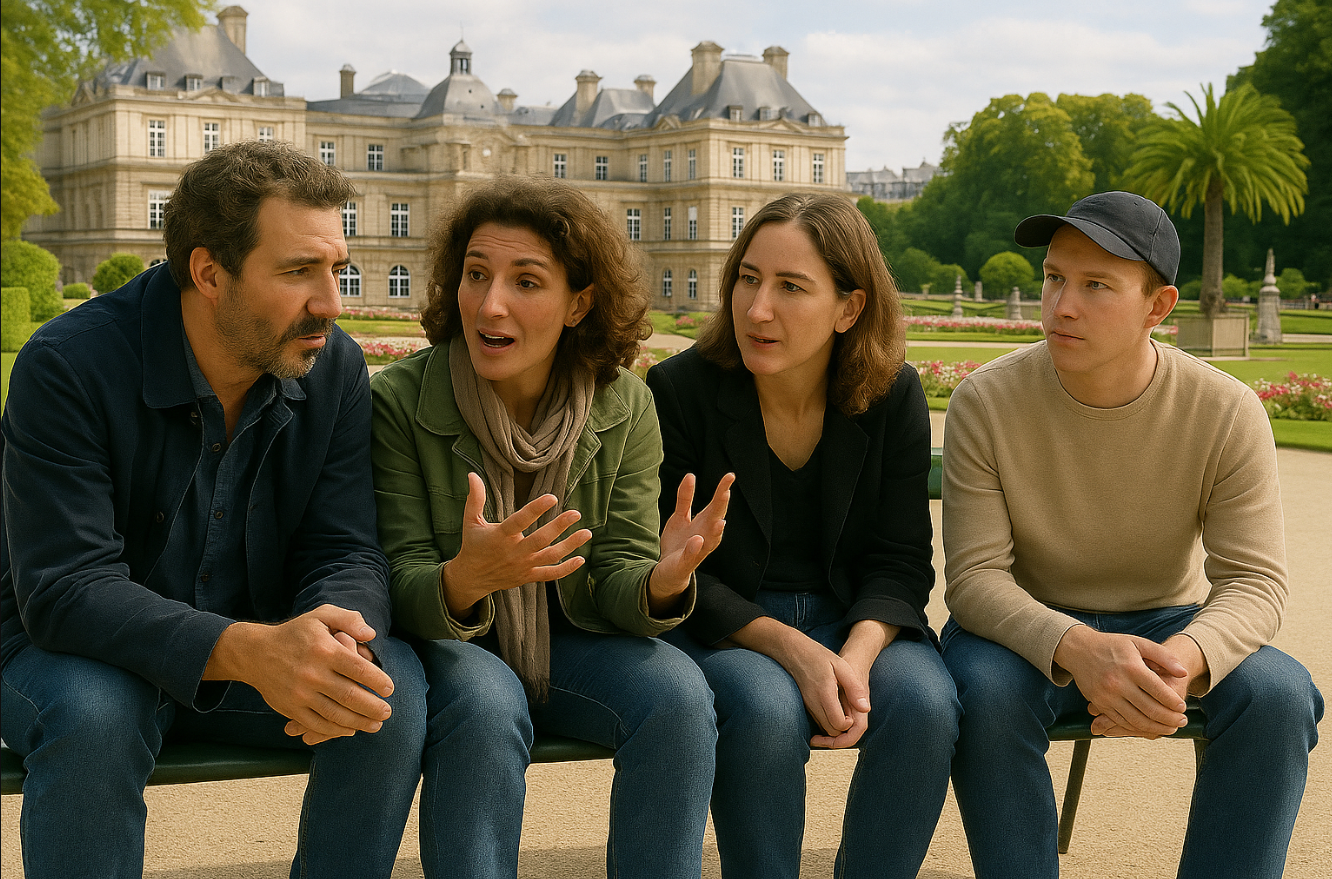
Daily listening exposure, whether active podcast sessions or background French radio, trains your auditory system to parse connected speech, elision, and liaison that classroom French rarely prepares you for. Even fifteen minutes of focused listening before you get out of bed builds the habit without requiring extra time. The limitation: purely passive background listening without attention produces minimal acquisition; some active engagement is required for real gains.
Related Reading
How Long To Learn French
French Alphabet Pronunciation
How To Learn French Through Conversation
How To Learn French With Movies
Learning Resources For African French
How to Make These French Habits Actually Stick Beyond Week Two
Consistency in language learning isn't a character flaw. It's an architecture problem. Most learners try to carve out fresh time for French, fail when life fills that slot, and quietly blame themselves.
The real fix is simpler: attach French to habits you already keep, and let existing routines do the heavy lifting. Your morning coffee, your commute, the two minutes before you open a work app, these are already locked in. Slip a French audio clip or short video into the gap and the anchor does the triggering for you.
What most learners report about tiny-habit formation confirms that shrinking the target behaviour until motivation and willpower are no longer needed is what makes the habit survive contact with a busy week. A 90-second French clip during your commute clears that bar easily.
Adults average over two hours of daily social media use, already habitual, already low-resistance, already happening on the device in your hand. Swapping some of that time for French content costs nothing in scheduling. A short-form French video feed built around comprehensible input fits the scroll format your brain already expects, so the replacement costs almost no extra willpower.
Track Conversation Ability, Not Streaks
Gamified streak apps offer real benefits for building the opening habit of daily contact with a language. The limitation surfaces when the streak becomes the goal: learners can sustain long engagement records while remaining unable to hold a real conversation, and when a busy day breaks the streak, the interruption tends to demotivate rather than redirect. What the broader evidence on habit formation suggests is that immediate, low-stakes positive reinforcement tied to the actual behaviour, not a binary streak counter, is what sustains the habit through disrupted weeks.
The antidote is not a better streak system but immediate, low-stakes celebration of each tiny exposure moment, which is precisely what wires the behaviour into the brain.
Key takeaway: Immediate celebration of each small exposure moment, not point-tracking, is what produces durable change. Ask yourself one honest question after each session: could you respond to what you just heard?
That single signal tells you more about your progress than any streak counter will. The architecture is simple: find the habit you already keep, swap in French content that pulls you in, and measure whether you can say something back.
Next steps
If your French keeps stalling despite genuine effort, the path forward starts with recognizing that the structure itself is the problem, not your discipline. Distributed micro-sessions outperform single study blocks in every measured condition, and the learners who make real progress are the ones who stopped waiting for a free hour and started using the minutes already in their day.
The two-week motivation collapse is an architecture failure, not a character flaw. Building French into anchors you already keep, such as a commute or a morning coffee, removes the willpower requirement entirely. And measuring progress by streak length while spoken fluency stays flat means the metric is actively misleading you: what predicts real conversational gains is consistent contact with comprehensible, contextually grounded input, not exercises completed. Together, those two realities point to one next step: replace a low-value scroll habit with French content that demands a response, not just recognition.
If you want to go deeper on how habit-stacking and comprehensible input work together across another language, the same approach applied to learn Spanish offers a closer look at that same framework in a different context.
Frequently Asked Questions
How do I find someone to practice speaking French with?
ITalki connects you with community tutors and professional teachers for on-demand video sessions, many available for under ten dollars per hour, while HelloTalk matches you with native French speakers who want to practice your language for free. The honest trade-off is scheduling: iTalki suits learners who can protect one fixed weekly slot, while HelloTalk works better for more opportunistic practice gaps.
Which French podcasts are actually worth listening to?
Coffee Break French suits beginners and lower-intermediate learners because each episode is built around a clear grammar or vocabulary theme with explicit explanation. InnerFrench, hosted by Hugo Cotton, is the stronger pick for intermediate learners hitting a plateau, since the entire show is conducted in French at a deliberate pace, learners who have tried both consistently report it moved their listening comprehension faster once they crossed the B1 threshold.
How do I build French vocabulary that I'll actually remember and use?
Anki's image-cloze format pairs a word with a visual rather than a translation, which builds the direct French-to-concept link that actually transfers to conversation, and a review of four meta-analyses covering more than 3,000 students found spaced repetition consistently produced superior retention outcomes compared to massed practice. For words in context, Reverso Context shows dozens of real sentences from subtitled films, legal documents, and journalism, so you see exactly how native speakers use a word rather than just reading a definition.
I keep breaking my study streak and losing motivation, is daily consistency really that important?
The post argues that the structure of the method matters far more than maintaining a perfect daily streak. Short, distributed practice scattered across your commute, lunch queue, and the minutes before sleep does more for fluency than a single long session, because spaced repetition beats massed practice for long-term retention in every studied condition except same-day exams, meaning the timing of your exposure matters far more than its total volume.
What's the best way to start reading in French without getting overwhelmed?
Start with 1jour1actu, which publishes daily news articles written for a French-speaking young audience and is genuinely comprehensible for A2 to B1 learners without being condescending. Once those articles feel easy, Le Monde's standard reporting is the natural next step, the gap between the two is large enough that jumping straight to Le Monde at the wrong level produces frustration rather than progress.