Finishing every lesson but freezing the moment a native speaker responds is not a motivation problem. It is a method problem, and the fix starts with how your brain actually builds spoken fluency.
Completing hundreds of French lessons while your conversation ability stays frozen is one of the most demoralizing experiences in language learning. Most adult beginner learners think that if they just learn enough phrases and grammar rules, they'll eventually be able to hold a real conversation. So they hit the streaks, finish the modules, and feel the momentum. See our learn Spanish for how this works in practice.
Then a native speaker opens their mouth at natural speed, and everything they "know" evaporates. That gap is a method problem, and understanding it is the first step toward actually closing it.
Research from The Conversation makes the mechanism clear: structured study builds declarative knowledge, the kind where you consciously recall a rule or phrase, but spoken fluency demands something neurologically different. Real conversation runs on implicit, automatized processing, where your brain produces French without stopping to think. Completion metrics measure the first kind.
They never touch the second.
Gamified apps are engineered to reward engagement, and engagement is easy to measure: lessons completed, days in a row, points earned. Conversational fluency is hard to measure, so the metric gets quietly dropped. According to The Conversation's 2018 analysis, fluency requires implicit language processing, the ability to produce and understand French without conscious effort.
Studied recall is too slow for real-time speech. When a native speaker responds at full speed, your brain reaches for the explicit rulebook it was trained on, and the conversation is already three sentences ahead. That is the freeze.
It is structural, not personal. This is exactly where parrot-back speaking practice closes the gap: by forcing you to say out loud what a native French speaker just said, it converts passive exposure into the kind of spoken output that completion metrics never measure.
Key takeaways
Phrases don't produce fluency, real conversation ability comes from retrieving and assembling language under live pressure, not reciting rehearsed lines.
A tiny cluster of high-frequency pronouns, verbs, and everyday nouns dominates real French speech; mastering those words gets you further than any phrase list.
Passive listening, French audio playing while you cook or commute, is ambient noise your brain filters out, not comprehension training.
The performance gap between what you know and what you can say only closes through unscripted output, repeated until French stops feeling like translation.
Access to a conversation partner is not the hard part; building the structure around that partner that forces you to actually speak is.
Waiting until you feel ready is itself the barrier, conversational ability compounds only when speaking starts before confidence does.
Parrot Back by Parrot closes the loop: say out loud and repeat what you hear from native French audio, so passive watching becomes active speaking practice that builds both confidence and comprehension.
The Real Cost of Practicing French With Scripts Instead of Speech
That confidence gap is exactly what drives most adult beginners toward phrase memorization. It feels like a safe bet. Learn enough expressions, absorb enough grammar rules, and surely the real conversations will follow. So they build up a mental library, rehearse the exchanges, and wait until they know enough to finally start speaking. They never do.
Why Scripted Phrase Practice Trains the Freeze Response Instead of Curing It
The problem is what scripted practice trains your brain to expect. Every time you rehearse a fixed exchange, you reinforce the assumption that French conversations follow a predictable sequence: prompt, pause, your line. When a native speaker skips your cue, speeds up, or replies with something completely off-script, that expectation collapses. The freeze is a pattern-mismatch problem, and scripted practice makes it worse with every session.
The freeze isn't a confidence problem. It's a pattern-mismatch problem, and scripted practice makes it worse with every session.
A learner who aces textbook dialogues but panics when a French shopkeeper goes off-script is mis-prepared. As the European Journal of Education and Pedagogy's 2023 systematic review of Communicative Language Teaching documents, a clear gap exists between grammar competence and communicative performance: rule-based knowledge does not transfer automatically to spontaneous, unpredictable spoken interaction.
The Communicative Approach, What the Research Actually Says About Fluency
The communicative approach treats French conversation practice as the method, not the reward at the end of studying. That real-time processing is where fluency forms. The 2023 CLT review found that communicative language teaching builds learner autonomy and genuine communicative competence precisely because it prioritizes meaningful interaction over pre-planned language use. Phrase memorization produces the opposite: a fragile, script-dependent competence that breaks down the moment conversations deviate from anticipated patterns.
Busy adult learners don't need more material. They need a format that fits inside the day they actually have. Rather than preparing a script before you speak, hearing a real native-speaker clip and repeating it immediately trains your ear and your output at the same time, replacing the setup cost of scripted sessions with a single, repeatable action.
The antidote to script dependency is a different kind of foundation entirely.
How to Build the Core Foundation Your French Conversations Actually Need
Across a wide sample of world languages, a tiny cluster of high-frequency words accounts for the overwhelming majority of everyday speech. According to Calude and Pagel's 2011 research in Philosophical Transactions of the Royal Society B, this pattern holds universally: pronouns, common verbs, and everyday nouns dominate real conversation far more than any grammar rule ever could. That finding reframes the entire question of beginner readiness.
You do not need a large vocabulary to start having basic French conversation. You need the right vocabulary, stored with correct sound, recalled without effort. The real problem is not word count.
Most beginners measure progress by rules learned and chapters completed, while the actual threshold for functional conversation is far lower than they assume. As industry research has found, a relatively small working vocabulary can be sufficient for basic communication in another language. The freeze moment that hits when a native speaker responds at natural speed is not a vocabulary gap.
It is a perceptual gap: the ear has never been trained on real speech, so the brain stalls.
1. Start With 200-500 High-Frequency French Words Before Your First Real Conversation
A surprisingly small core of high-frequency French words is the realistic threshold for beginner French conversation. According to Calude and Pagel's 2011 research in Philosophical Transactions of the Royal Society B, a tiny proportion of words appears with overwhelming frequency in everyday speech across every human language studied. That means your first 500 words carry disproportionate conversational weight. The honest trade-off: this core only works if the words are the right words, drawn from frequency data rather than a textbook's arbitrary chapter order.
2. The 80/20 Vocabulary Rule - The Top 20% of French Words Cover 80% of Everyday Talk

French has over 80,000 words, but a focused learner only needs the top 20% to handle roughly 80% of real conversational situations. Prioritizing frequency lists over comprehensive dictionaries lets beginners reach functional fluency faster. The real limitation is context: high-frequency words alone won't carry you through specialized topics, so pair this approach with domain-specific vocabulary as conversations deepen.
3. Master French Pronouns First - Je, Tu, Il, Elle, Nous, Vous, Ils, Elles
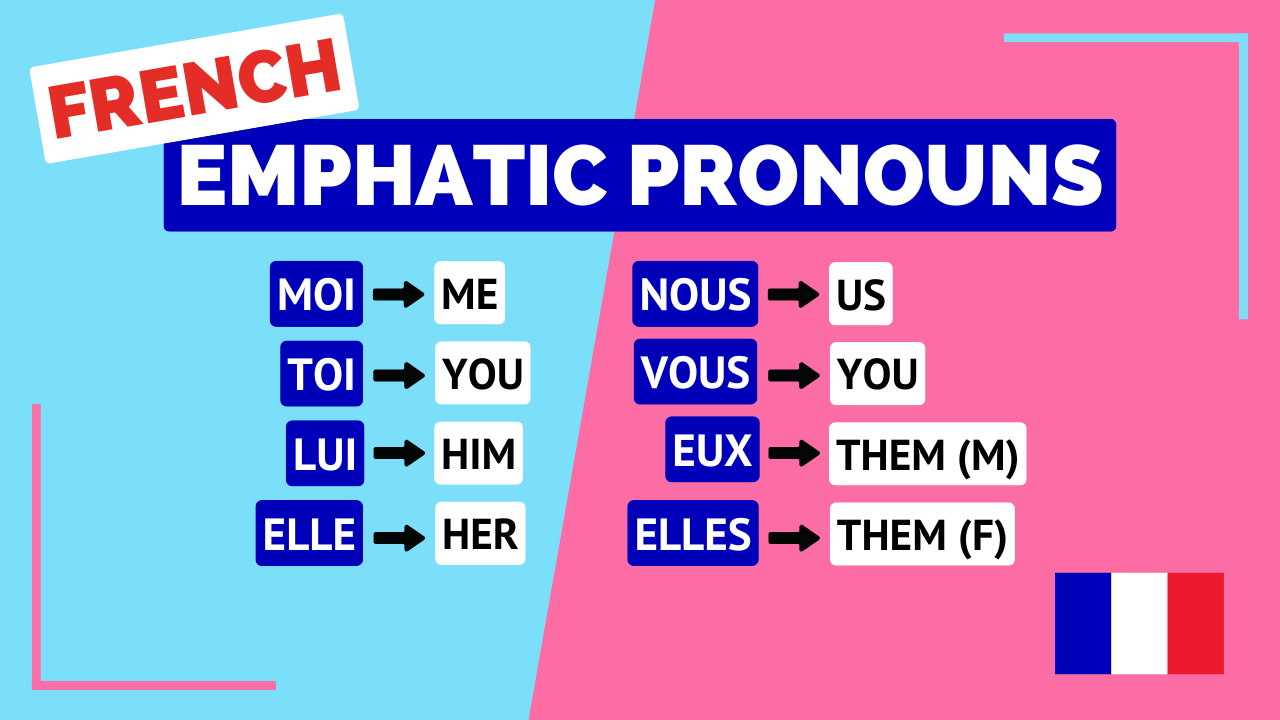
Pronouns are the skeleton of French sentences, and they appear more often than almost any other word class. Calude and Pagel's findings identify pronouns as among the most frequently used words across all languages, reinforcing that beginners should prioritize these high-frequency functional words before broader grammar study. Practically, this means drilling "je," "tu," "il," and "elle" until retrieval is automatic. A beginner who pauses to recall the correct pronoun mid-sentence loses the thread of the exchange. Fluency at this level means not needing to think about it.
4. Learn Present-Tense Verb Conjugations Before Any Other Tense
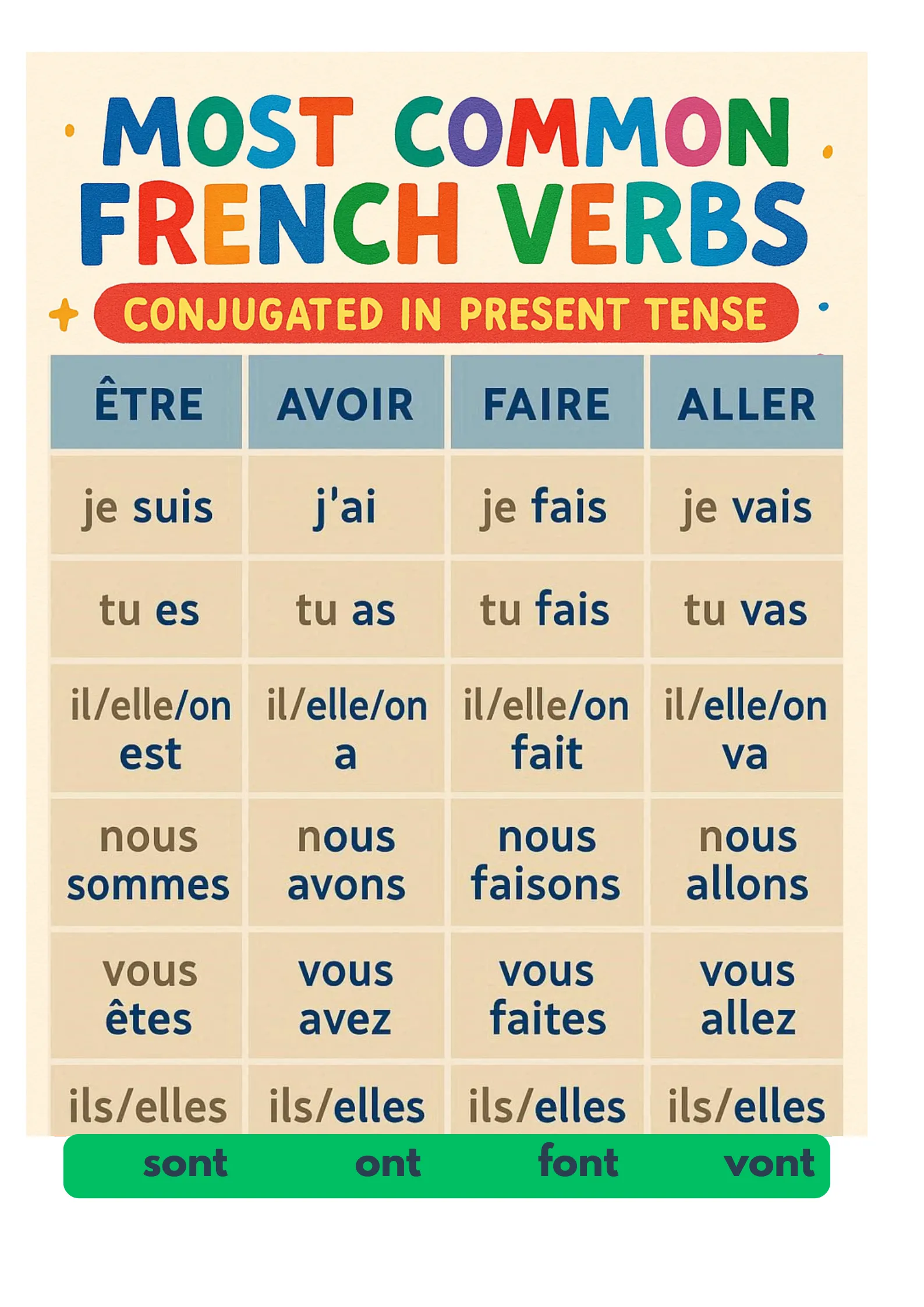
Present-tense conjugations are the highest-return grammar investment available to a French beginner. The present tense covers current action, near-future intent (with a time marker like "demain"), and habitual behavior, which means it handles the majority of what a beginner actually needs to say. Starting here before tackling past or subjunctive tenses applies the same frequency logic that governs vocabulary selection. The limitation: relying exclusively on the present tense with time markers sounds simplified to native ears, but it keeps conversations moving rather than collapsing into silence.
5. Prioritize French Pronunciation Rules Over Grammar Theory From Day One
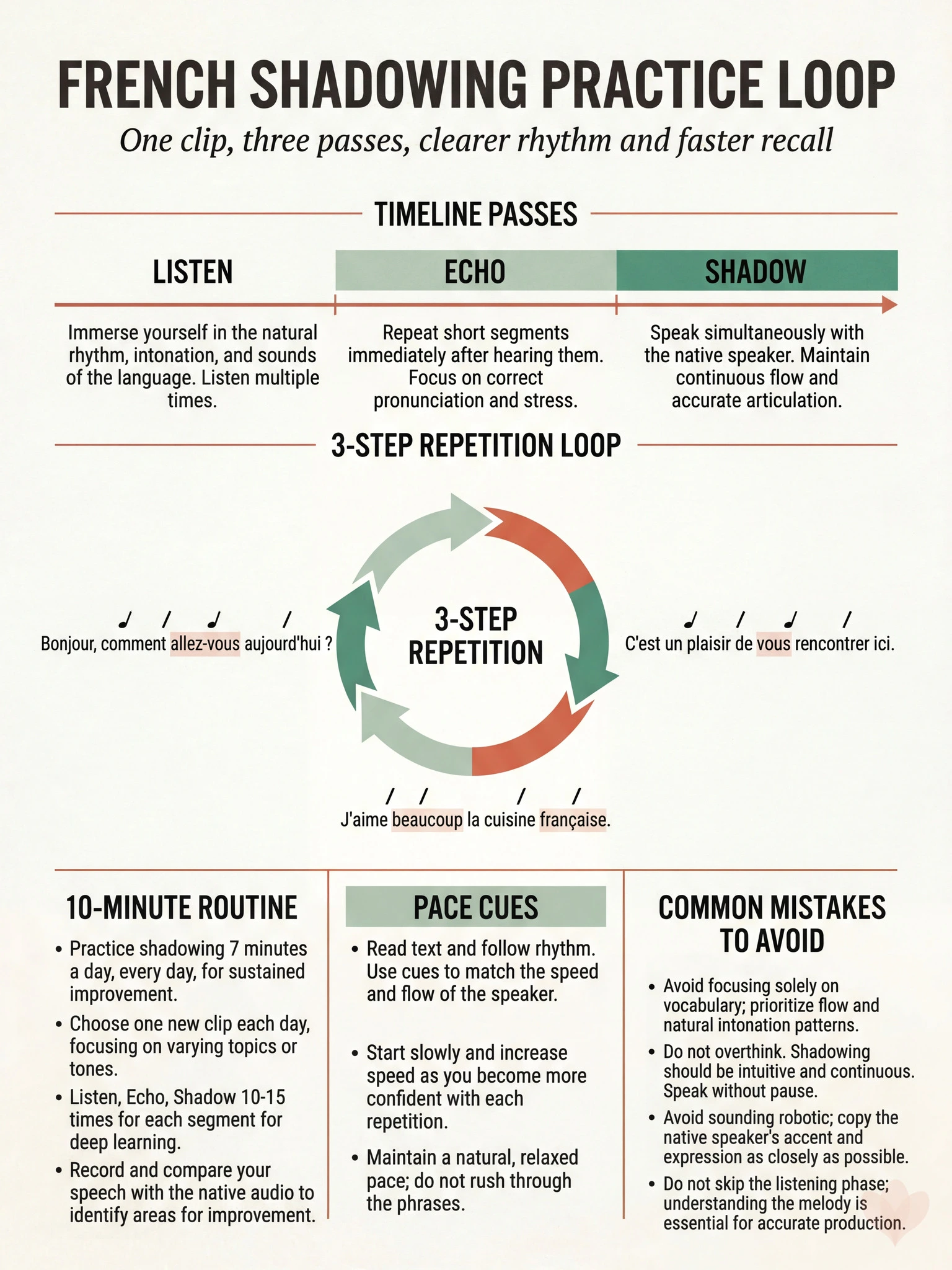
Pronunciation errors that form early tend to stay. Adult learners who skip French pronunciation rules in favor of grammar theory often build a mental model of French that sounds nothing like the language a native speaker produces, and correcting that model later is significantly harder than building it correctly from the start. Silent letters, nasal vowels, and the rules governing liaison between words are not advanced topics; they are the minimum required for a native speaker to follow your speech at natural pace. Getting these right from first exposure is the difference between a foundation and a liability.
6. Apply the Frequency List Strategy - Build Your Core Deck From the Top 500 Most-Used French Words
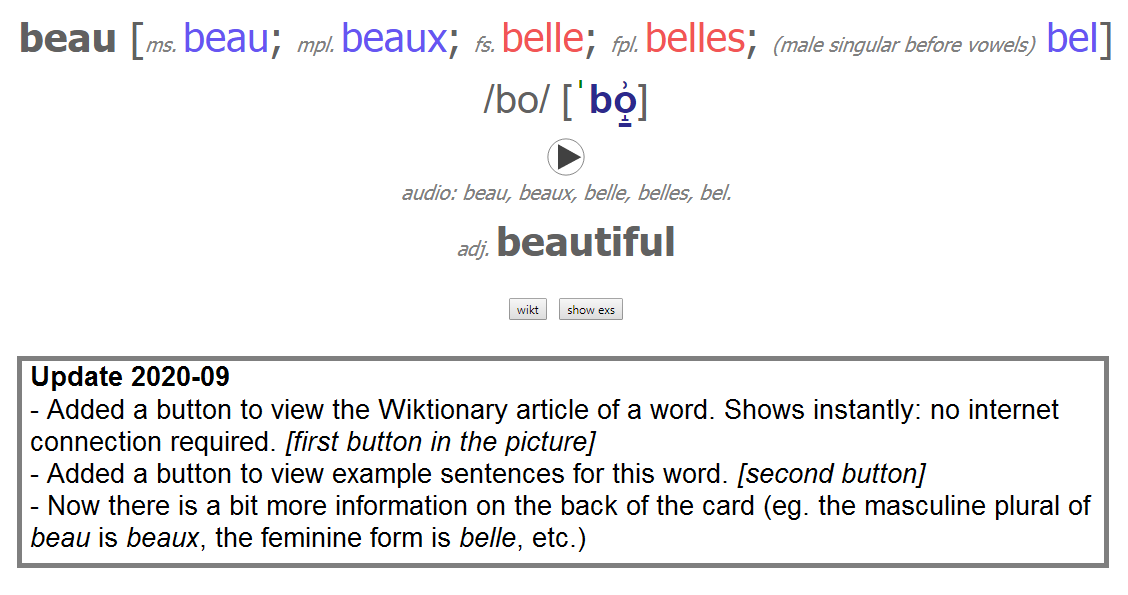
Frequency-ranked word lists remove guesswork from vocabulary selection by showing exactly which words appear most often in real French speech and text. Building a spaced-repetition deck from the top 500 gives beginners a measurable, completable goal that directly feeds conversational ability. The tradeoff: frequency lists drawn from written corpora may underrepresent informal spoken vocabulary, so supplement with audio-based sources for authentic conversation prep.
7. Skip Grammar Theory - Focus on Patterns You Can Use in Sentences Immediately
Grammar theory explains why French works the way it does. Sentence patterns let you produce French right now. For a beginner targeting basic French conversation, the second matters far more than the first. Learning that "je veux + infinitive" expresses desire gives you an immediately usable construction; learning the theoretical rules governing the subjunctive does not. Industry research has found that a relatively small working vocabulary can be sufficient for basic communication in another language. The same logic applies to grammar: a small set of high-use patterns covers most of what early conversations actually require.
8. Basic French Conversation Starters and Greetings as Your First Active Output Milestone
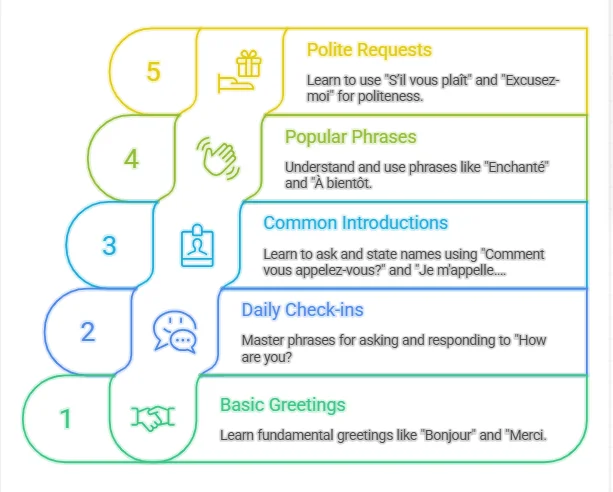
Greetings and basic conversation starters are the first checkpoint where vocabulary and pronunciation collide with real output. "Bonjour," "comment ça va," "je m'appelle," and "enchanté" are not throwaway phrases; they are the opening moves of every French interaction you will ever have, and getting their pronunciation right from the start sets the register for everything that follows. Treat this set as your first active output milestone. The risk of rushing past it is that mispronounced greetings signal low competence immediately, before you have had a chance to demonstrate the vocabulary you have actually built.
9. 25 High-Priority French Verbs in the Present Tense as Your Conversational Engine
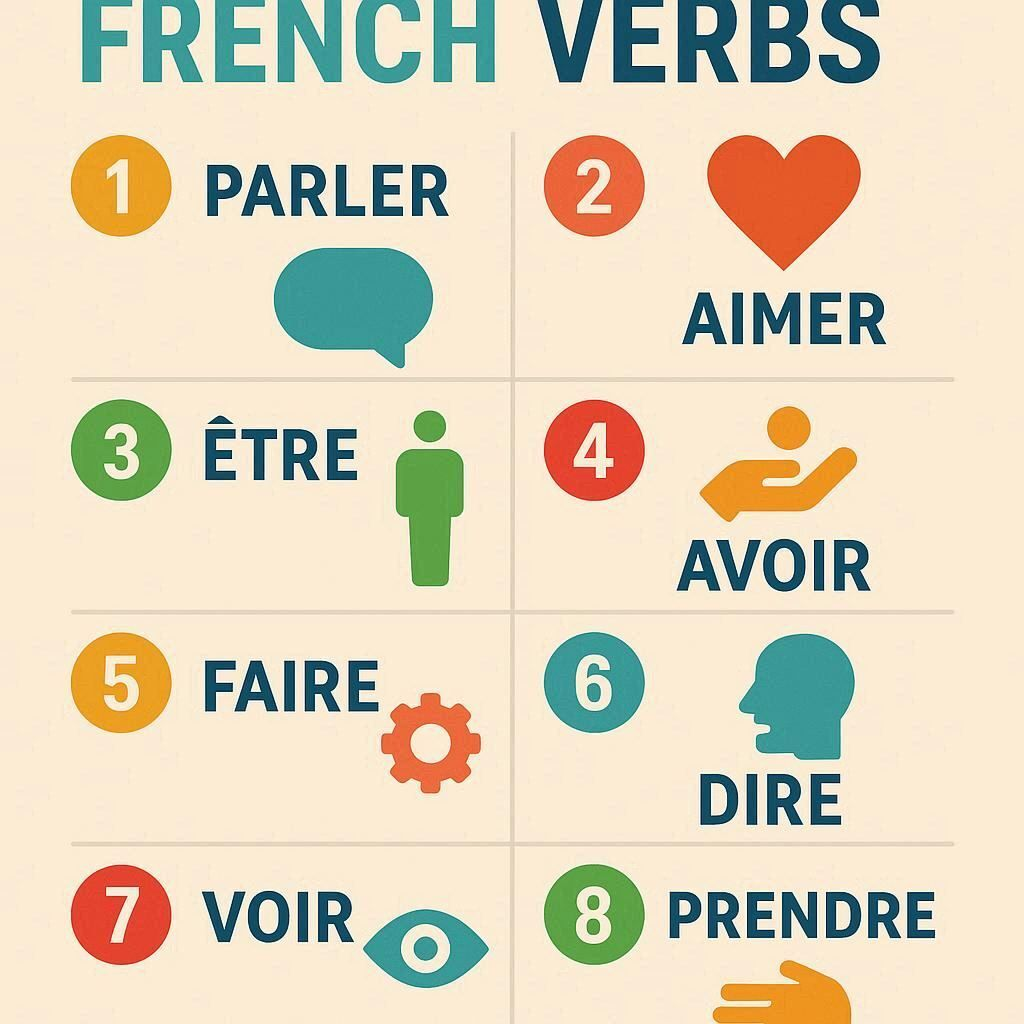
A targeted set of 25 high-frequency verbs in the present tense functions as the conversational engine for a beginner. Verbs like "avoir," "être," "faire," "aller," "vouloir," "pouvoir," "savoir," "venir," "prendre," and "dire" appear in nearly every real exchange. Controlling these in the present tense, with correct pronunciation, gives you the ability to construct original sentences rather than recite memorized phrases. The honest constraint: this set covers everyday conversation but will feel limiting in topic-specific discussions, which is the natural signal that your foundation is ready for the speaking practice techniques covered next.
10. Beginner French Dialogue Examples - Short Scripts That Show Vocabulary and Pronouns Working Together
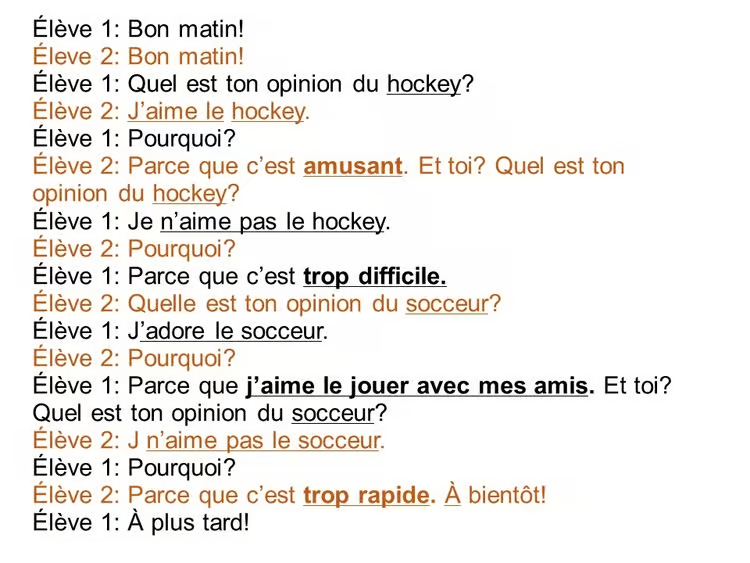
Short dialogue examples show a learner exactly how high-frequency words, pronouns, and present-tense verbs combine in a real exchange. A two-line script, "Tu veux du café? Oui, je veux bien, merci," demonstrates subject pronouns, a high-frequency verb, and polite register simultaneously.
Resources like FluentU's French conversation scripts provide structured dialogue examples that let beginners see this vocabulary working together before they attempt live output. The limitation worth noting: scripted dialogues build pattern recognition, not spontaneous response ability. They are a bridge into speaking practice, not a substitute for it.
Speaking Practice Techniques That Actually Build Real French Conversation Ability
Rehearsed scripts train you to perform French, not produce it. The distance between what you know and what you can actually say under live pressure, what researchers call the performance gap, only closes when you practice retrieving and assembling language in real time. Every technique below is built around that single principle: force unscripted output, repeatedly, until French stops feeling like translation and starts feeling like thought.
One reality worth naming before the list: many beginners we work with feel uncertain whether they have enough French to engage in real conversation at all. That confidence barrier is the performance gap in its earliest form, not a vocabulary problem, but a retrieval-under-pressure problem. The techniques below are designed to dissolve it, one session at a time.
1. Shadowing Native French Audio to Internalize Rhythm and Connected Speech
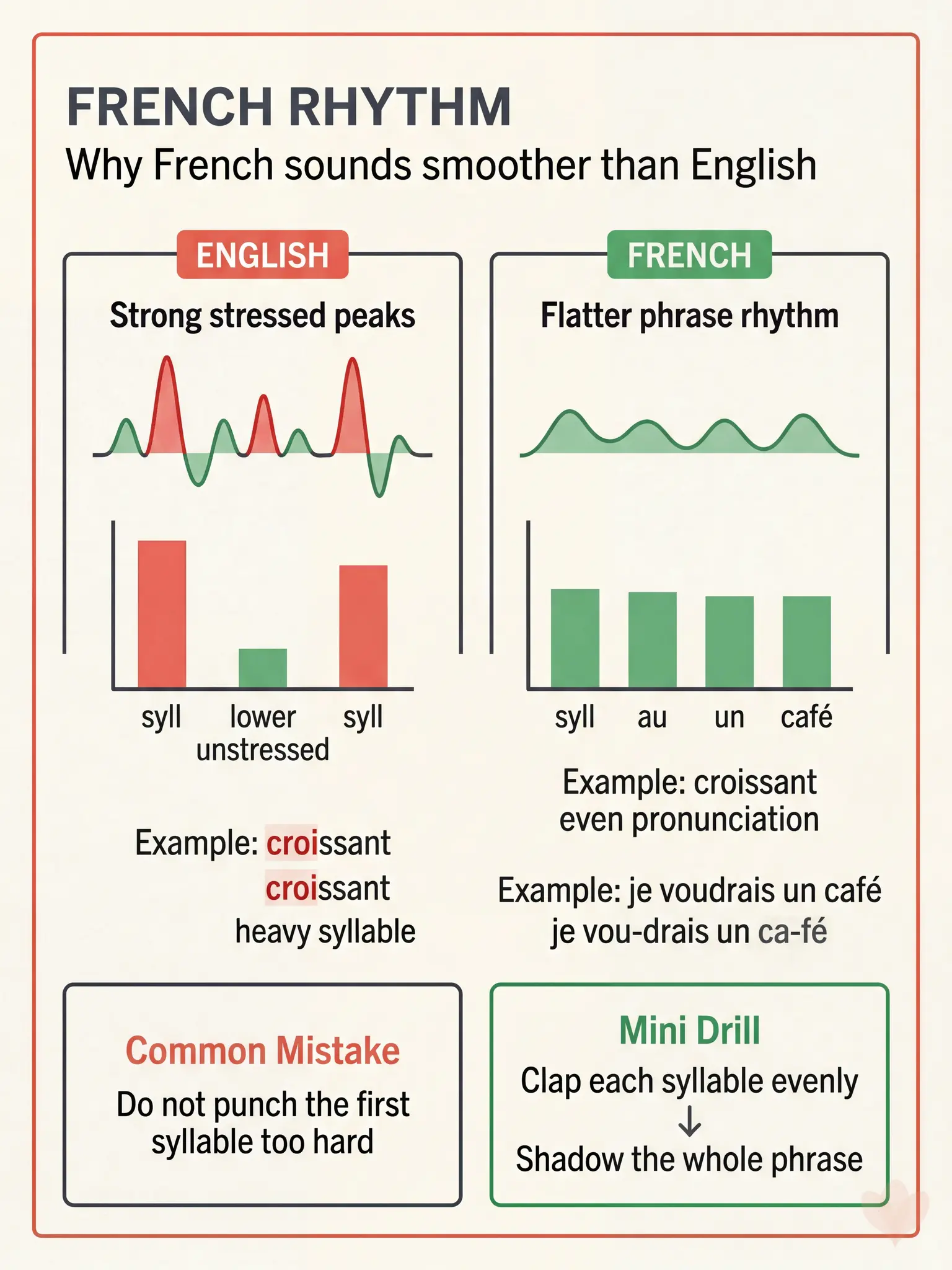
Shadowing, listening to native French audio and repeating immediately while mimicking rhythm, intonation, and liaison, trains your mouth and ear simultaneously. It's the right technique for learners stuck in a pronunciation plateau who understand written French but sound robotic when speaking. The real tradeoff: it demands high-quality native audio and feels awkward at first, especially for English speakers unused to French's even syllable stress.
2. Shadowing French Podcasts at Reduced Speed Before Full-Speed Repetition
Start at 75% playback speed to catch every syllable of connected speech, then shadow the same sentence at full speed before moving on. The two-pass approach lets your mouth learn the physical shape of the phrase before your brain has to keep up with native pace. Industry research found that tailored materials and feedback mechanisms are critical for optimizing shadowing benefits. Reducing speed is a scaffold, not a crutch, but only if you always follow it with a full-speed repetition in the same session.
3. Shadowing French TV Dialogue to Capture Informal Intonation Patterns
Scripted podcasts teach you formal French. TV dialogue teaches you how French actually sounds when people are annoyed, excited, or distracted. Shadow short exchanges from French series with French subtitles on, pausing after each line and repeating the emotional delivery, not just the words. Informal contractions like "t'as" for "tu as" and dropped syllables in "j'sais pas" appear constantly in real conversation and almost never in textbook audio. Shadowing them builds the intonation patterns that make your French sound lived-in rather than rehearsed.
4. Narrating Your Daily Routine Aloud in French to Activate Passive Vocabulary
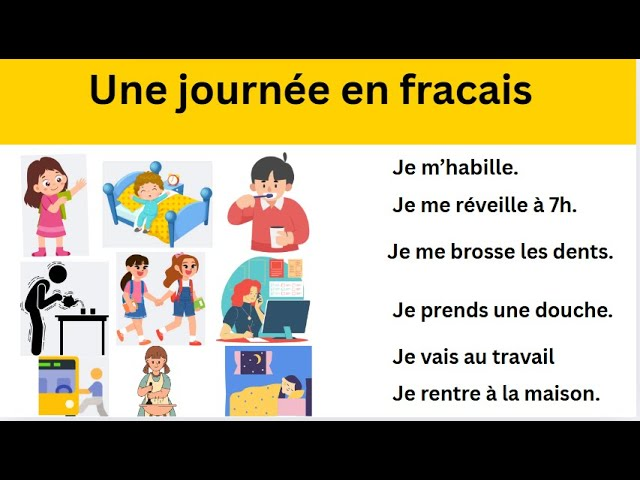
Talking to yourself in French is one of the most sustainable daily speaking habits available because it requires no partner, no schedule, and no preparation. The goal is not grammatical perfection. That pressure is exactly what live conversation demands.
Running a French Inner Monologue Throughout Your Day to Build Fluency Stamina. Extend narration beyond the morning. Start with present tense only. Complexity can come later; retrieval speed cannot wait.
5. Running a French Inner Monologue Throughout Your Day to Build Fluency Stamina
Shifting your internal thought stream into French, even partially, builds the mental stamina needed for sustained conversation. Rather than translating from English, you train your brain to think directly in French, which dramatically reduces response lag. This suits intermediate learners who have vocabulary but struggle with real-time retrieval. The tradeoff: it requires deliberate mental effort and can be exhausting early on, making consistency the biggest challenge.
6. Recording Yourself Speaking French and Reviewing for Self-Correction
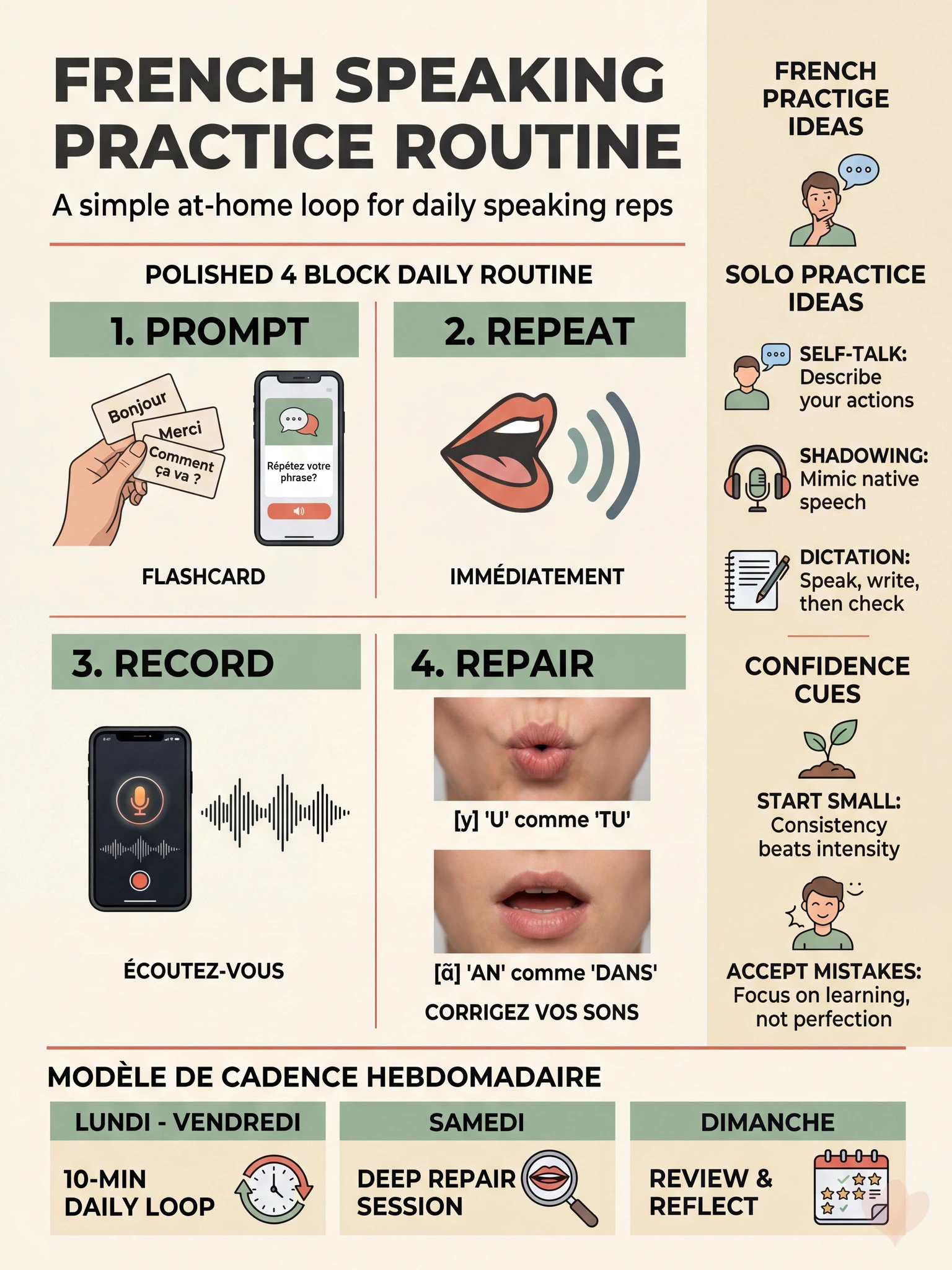
Recording your own spoken French and listening back once gives you data that self-narration alone cannot: actual evidence of your rhythm, your filler habits, and the words where your retrieval slows. Push through it. The recording is not a performance; it is a diagnostic. One listen per session is enough to surface one concrete thing to fix, which makes the next session more targeted than any generic speaking drill.
7. Dropping Grammar Paralysis by Speaking in Present Tense with Time Markers
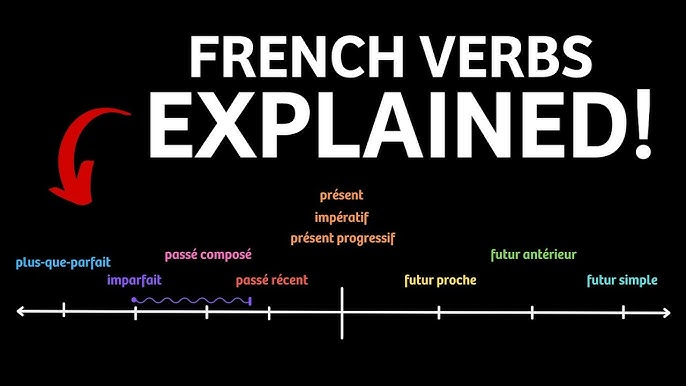
You do not need subjunctive to be understood. Errors made in conversation are correctable; silence produces nothing to correct. The practical trade-off is real: your French will sound simplified at first, and native speakers will notice. But simplified French that keeps moving beats grammatically perfect silence every time.
Using Circumlocution to Keep Conversations Moving When Vocabulary Fails. The conversation continues. The limitation worth naming: overusing circumlocution can slow your vocabulary acquisition if you never go back and learn the actual word afterward.
8. Using Circumlocution to Keep Conversations Moving When Vocabulary Fails
Circumlocution, describing what you mean when you don't know the exact word, is a core real-world conversation skill. Saying 'c'est comme une voiture mais plus grand' instead of freezing on the word 'camion' keeps the exchange alive. This technique is essential for learners at A2–B1 who have gaps in vocabulary but want to hold real conversations. The limitation: over-reliance can slow conversations noticeably, so learners should still fill vocabulary gaps after each session.
9. Prioritizing Communication Over Grammatical Perfection in Every Exchange
The expectation of correctness before speaking is the single most common reason learners with solid passive French knowledge stay silent in real conversations. Learners who know enough French to hold a basic exchange routinely go quiet because they are not sure the sentence is right before they say it. That standard is incompatible with fluency. Spoken French that contains errors still builds retrieval pathways, still accumulates output repetitions, and still closes the performance gap. Silence does none of those things. Communicate first; refine later.
10. Themed Conversation Sessions Focused on Cooking Vocabulary and Food Culture
Restricting a practice session to a single topic, French cuisine, recipes, restaurant ordering, reduces the cognitive load of open-ended conversation and lets learners build genuine depth in one domain. Food is an ideal starter theme because it's universally relatable and culturally rich in French. Best for beginners who feel overwhelmed by open chat. The limitation: topic-specific fluency doesn't automatically transfer to other domains, so rotating themes regularly is essential.
11. Themed Discussions Around Travel and Directions to Build Practical French
Practicing French conversation exclusively around travel scenarios, asking for directions, booking accommodation, navigating transport, gives learners immediately usable language tied to high-stakes real-world situations. This is ideal for learners planning a trip to France or francophone countries. The tradeoff: travel vocabulary is situationally narrow, and learners who only practice this theme may struggle in non-travel social conversations with native speakers.
12. Current Events Discussions in French to Build Depth and Opinion Vocabulary
Using a French news article or podcast as the basis for a structured conversation session forces learners to express opinions, agree, disagree, and nuance their views, the exact skills needed for B2-level fluency. This is best suited for intermediate-to-advanced learners who have basic conversation but want to move beyond small talk. The limitation: current events require strong reading comprehension and topic-specific vocabulary, making this a poor fit for beginners.
13. A Real Beginner French Exchange vs. a Scripted Textbook Dialogue - Side by Side
Showing learners what a real beginner conversation actually sounds like, hesitations, repairs, simple vocabulary, misunderstandings, versus a polished textbook script demystifies the speaking process. Real exchanges include 'euh,' incomplete sentences, and clarification requests; textbook dialogues don't. This comparison is most valuable for anxious beginners who hold themselves to an unrealistic standard. The tradeoff: real dialogue examples can feel discouraging if learners focus on what they can't yet do.
14. Real French Dialogue Example - Ordering at a Café Without a Script
A concrete example of what a real café ordering exchange sounds like, including the server's fast, elided speech, the learner's hesitation and repair ('euh… je voudrais… un café, s'il vous plaît'), and the natural back-and-forth, shows beginners that imperfect French works in practice. This is the right model for A1–A2 learners preparing for their first real-world interactions. The limitation: café scenarios are narrow, and learners need exposure to many different real dialogue types.
15. Real French Dialogue Example - Asking for Clarification When You Don't Understand
Modeling a real exchange where the learner says 'Pouvez-vous répéter, s'il vous plaît?' or 'Je n'ai pas compris, plus lentement?' shows that asking for clarification is a normal, accepted part of French conversation, not a failure. This example is critical for beginners who shut down when they miss something. The tradeoff: learners who rely too heavily on clarification requests may not push themselves to improve their listening comprehension over time.
16. Real French Dialogue Example - A Natural Introduction Exchange Between Two Strangers
Showing what a genuine first-meeting exchange sounds like in French, including the bisou question, overlapping speech, filler words like 'ben' and 'donc,' and topic pivots, gives learners a realistic template to internalize. This is most useful for learners who have studied greetings in textbooks but have never heard how they actually unfold. The limitation: real introductions vary enormously by region and social context, so one example can't cover every scenario.
17. Setting a Non-Negotiable Daily French Speaking Habit of at Least Ten Minutes
Committing to ten minutes of spoken French every single day, no exceptions, builds the neural pathways and muscle memory that sporadic two-hour sessions cannot. Daily speaking practice, even alone, compounds faster than weekly intensive sessions. This is the right structure for busy learners who struggle with consistency. The honest tradeoff: ten minutes feels insufficient on motivated days, but the non-negotiable floor is what matters, skipping 'just one day' is where most learners derail.
18. Anchoring Your French Speaking Practice to an Existing Daily Habit
Habit-stacking, attaching French speaking practice to something you already do daily, like your morning coffee or commute, removes the activation energy barrier that kills consistency. Narrating your coffee routine in French or shadowing a podcast during your walk requires no extra time. This suits learners who genuinely want to practice but keep forgetting or deprioritizing it. The tradeoff: habit-stacked sessions tend to be short and may not push learners into uncomfortable, growth-producing territory.
19. Weekly Speaking Accountability Check-Ins to Sustain the Daily Practice Habit
Committing publicly, to a language partner, online community, or tutor, to a weekly speaking goal creates external accountability that sustains the daily habit when internal motivation dips. Learners who track and report their speaking minutes are significantly more consistent than those who practice in isolation. Best for learners who have tried and abandoned solo practice before. The tradeoff: accountability partners require coordination, and mismatched schedules can make this harder to maintain long-term.
20. Using a Speaking Journal to Track Daily French Output and Identify Patterns
Keeping a brief daily log of what you spoke about in French, which words you struggled to retrieve, and which phrases felt natural creates a feedback loop that solo practice otherwise lacks. Over weeks, patterns emerge, recurring vocabulary gaps, topics you avoid, sounds you consistently mispronounce. This is ideal for analytical learners who want to direct their own progress. The limitation: journaling adds friction to the habit and may feel like extra homework for learners already stretched thin.
21. Talking to Yourself in French While Cooking to Practice Food and Action Vocabulary
Narrating the cooking process aloud in French, 'Je coupe les oignons,' 'Je mets l'eau à bouillir,' 'Ça sent bon', combines the self-talk technique with a themed vocabulary domain, making both approaches reinforce each other. This is perfect for beginners who want a low-stakes, private speaking environment with built-in topic structure. The tradeoff: kitchen narration covers a narrow vocabulary range, and learners must deliberately expand to other contexts to avoid plateauing.
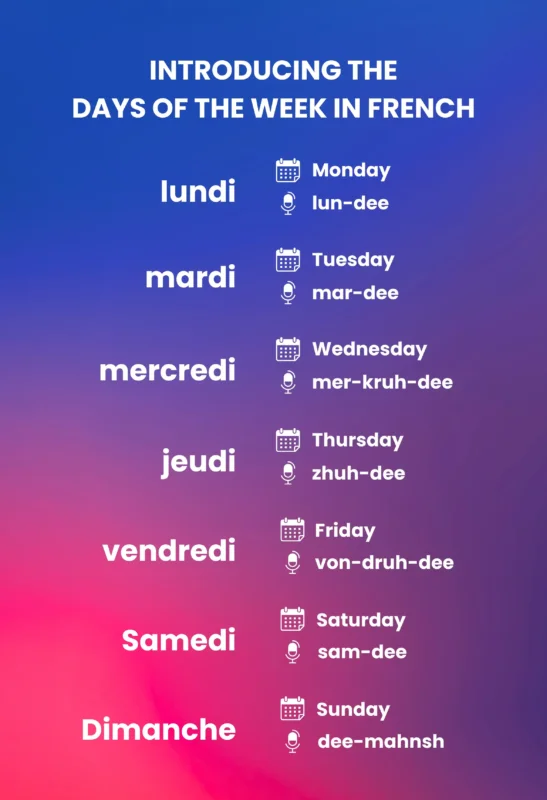
22. Practicing French Speaking Aloud with a Seven-Day Structured Routine
A structured seven-day speaking plan, assigning specific techniques to each day, such as shadowing on Monday, self-narration on Tuesday, themed discussion on Wednesday, prevents the aimlessness that derails solo practice. Variety across the week ensures all speaking sub-skills get trained. This is the right framework for learners who are motivated but unsure how to organize their practice. The tradeoff: rigid day-by-day plans can feel demotivating when life disrupts the schedule, requiring flexible rescheduling rather than abandonment.
Listening to Native French Speakers the Way That Actually Rewires Your Ear
That seven-day cycle keeps speaking output consistent, but output alone is not enough if the rest of your French hours are spent with audio running in the background while you cook, commute, or scroll. Passive exposure to French audio is ambient noise that your brain learns to filter out.
Industry research is direct on the mechanism: input must be nearly fully comprehensible for the brain to extract new language from it. Content pitched above that threshold functions as noise, not acquisition. Content engaged with passively, even at the right level, produces the same outcome: the cognitive engagement required to convert heard sound into acquired language is simply absent.
A learner who plays French radio while cooking is training their auditory system to ignore French. That distinction matters more than most learners realize.
A²-level learners routinely feel stuck and unable to keep up with native-speed audio even after months of study because the hours they are accumulating are passive rather than acquisitional. It is not unusual to spend months building up French podcast exposure and still struggle to follow a native speaker in real conversation. The hours feel productive.
The progress does not show up where it counts. The fix is a different relationship with the audio you already have.
Why Passive French Consumption Feels Like Learning But Isn't
Passive exposure to language content creates an illusion of progress because the learner accumulates contact hours without the active cognitive engagement required to convert input into acquired language. The hours feel like immersive French practice. The brain disagrees.
Completing a structured app course and still struggling to follow native speech is the same illusion at a different scale: contact time is not the same as acquisition time. This is also why the search for authentic native-speaker audio content matters. Learners who turn to music for ear-training often find that search algorithms surface generic or AI-generated songs rather than real native-speaker material, which quietly undermines the exercise, because the ear cannot calibrate to natural French prosody if the source material does not actually reflect it.
1. Comprehensible-Input Podcasts - Choosing the Right Challenge Level Before You Press Play
Selecting a podcast pitched at i+1, just above your current level, is the single most important decision before any listening session. Shows like InnerFrench sit at a deliberate intermediate register, while France Inter targets natives. Learners who skip this calibration step spend sessions decoding noise rather than acquiring language. The tradeoff: finding your exact level requires honest self-assessment most beginners resist.
2. Active Engagement Protocols - Turning a French Podcast Into a Conversation With Yourself
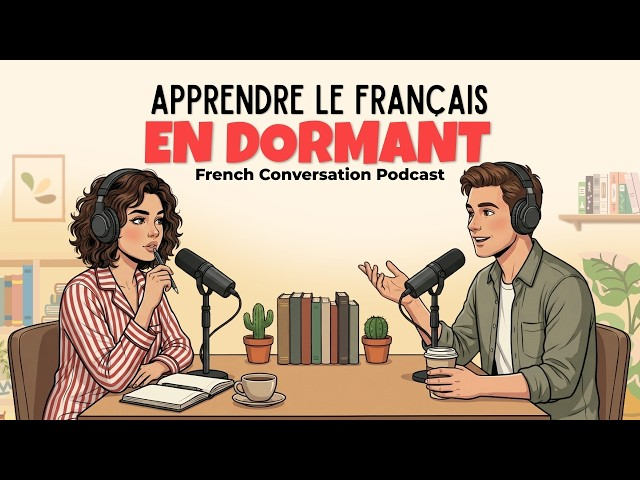
Active listening means pausing after each segment, summarizing aloud in French, and noting unfamiliar phrases rather than letting audio wash over you. This transforms a passive podcast into a speaking drill. It is the right approach for intermediate learners who have plateaued on comprehension but still cannot produce spontaneous speech. The real tradeoff is fatigue, active sessions are cognitively demanding and should be capped at 20-30 minutes.
3. The Subtitle Ladder - Starting With L1 Subtitles and Climbing to No Subtitles on French TV
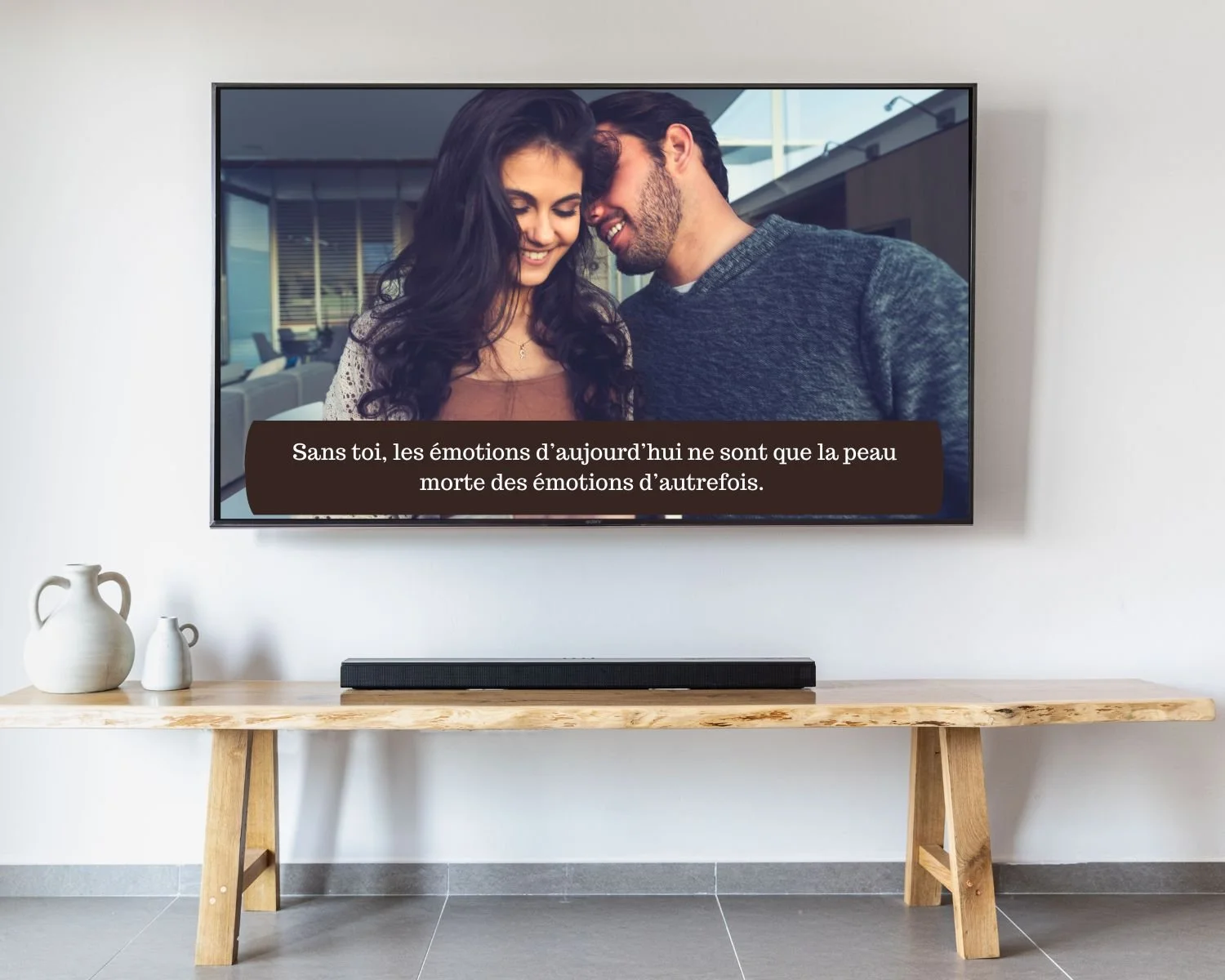
Watch French TV shows for learning by starting with your native-language subtitles. At this rung, the goal is to anchor the audio stream to comprehensible meaning so your ear begins associating French sounds with real-world context. "Lupin" on Netflix works well here: the dialogue is clear, the pacing is deliberate, and the plot gives you enough visual context to follow even when words slip past.
4. French Subtitles on French Shows - The L2-Subtitle Rung That Rewires Sound-to-Word Mapping
Watching French television with French subtitles, not translations, forces your brain to connect the spoken phoneme stream to its written form simultaneously. This is the critical middle rung of the subtitle ladder and the one most learners skip. It is especially powerful for learners who can read French reasonably well but cannot parse fast native speech. The tradeoff: it is easy to read instead of listen, defeating the ear-training purpose.
5. No-Subtitle Native French Viewing - The Final Immersion Stage That Proves Real Comprehension
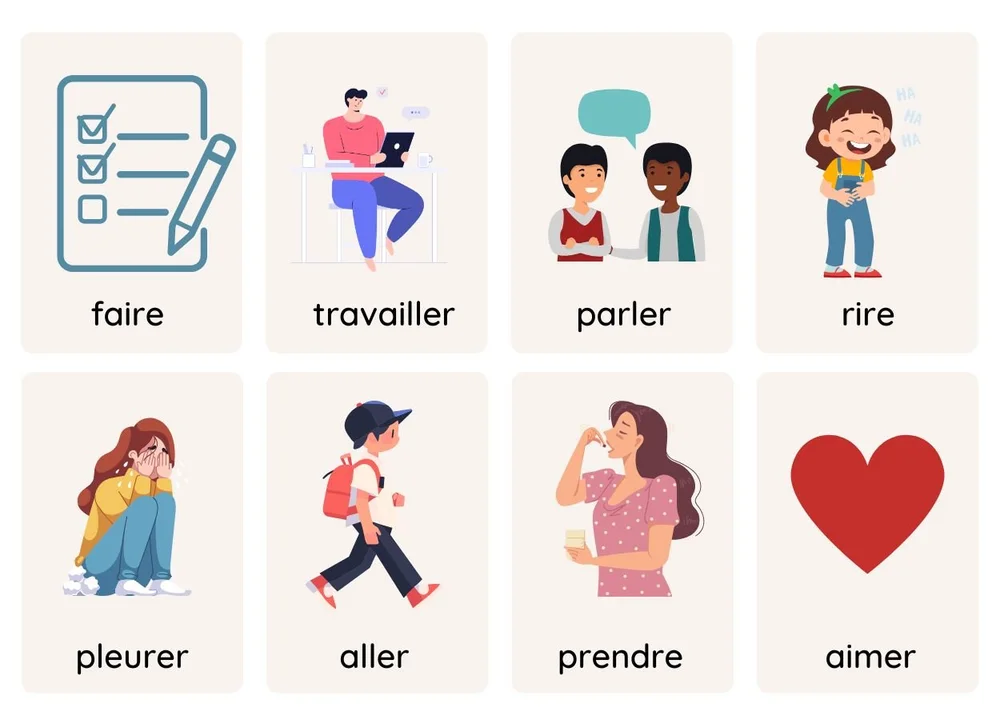
Learn French Through Conversation - no subtitle native viewing
No-subtitle viewing is a diagnostic, not a practice method. Use it to measure how far your comprehension has traveled, not as your primary input source. Tracking how much more of a "Lupin" episode you catch week over week gives you a concrete progress signal that hours-logged cannot provide. Most learners reach this stage later than they expect, and that is fine. Rushing it produces the passive-noise problem all over again.
6. The Illusion of Progress - Why Passive French Consumption Feels Like Learning But Isn't
Listening to French radio while cooking or commuting creates a subjective sense of exposure that learners mistake for acquisition. Research and community consensus both confirm that if you understand less than roughly 70% of the input, the signal becomes background noise your brain learns to filter out. This behavioral gap, feeling productive while producing zero spoken output, is the core problem Parrot-style conversation methods are designed to close.
7. Background French Radio - The Passive Habit That Trains Your Brain to Ignore French
Background French radio is the most common passive habit and the least productive one. When comprehension drops below the acquisitional threshold, the brain does not work harder to decode the signal; it suppresses it. Repeated suppression is the opposite of ear-training. The only condition under which background French audio is useful is when you already understand nearly all of it, at which point it reinforces rather than builds comprehension.
8. Listening FOR Comprehension - The Active Input Mode That Actually Builds Neural Pathways
Returning to the same thirty-second clip five or six times across a week builds phoneme recognition in a way that breadth-first listening cannot. On the first pass, you catch the meaning. On the third, you start hearing sounds you missed. On the fifth, connected speech patterns that felt like a blur resolve into distinct words. This is the mechanism behind ear-rewiring, and it requires the same clip, not a new one each session.
9. Passive Background Listening vs. Active Input - Understanding the Neurological Difference
The distinction between these two modes is not a matter of preference, it is neurological. Active input engages working memory, phonological loop processing, and semantic mapping. Passive background listening bypasses all three. For learners trying to learn French through conversation, conflating the two modes is the single most common reason progress stalls after the beginner stage. Knowing which mode you are in at any moment is a prerequisite for designing an effective listening practice.
10. InnerFrench Podcast - Native-Speed Input Calibrated for Upper-Beginner to Intermediate Ears
InnerFrench is one of the most widely recommended comprehensible-input resources in French learner communities, and the recommendation holds up. Host Hugo Cotton speaks at near-native speed but chooses vocabulary and topics calibrated for upper-beginner to intermediate ears, which keeps the input inside the acquisitional window. It is most effective when treated as active listening material, with pausing and reconstruction, rather than commute audio.
11. French TV Dramas and Sitcoms - Contextual Immersion That Anchors Vocabulary to Emotion and Scene
Image: How to Learn French Through Conversation - tv dramas sitcoms contextual
French television series provide something podcasts cannot: visual context, emotional stakes, and recurring characters whose speech patterns become familiar over episodes. Shows like Dix Pour Cent or Engrenages expose learners to colloquial registers, slang, and regional variation in a narratively engaging format. This is ideal for learners who struggle to sustain attention with audio-only content. The tradeoff is the subtitle dependency trap, learners must actively manage which subtitle rung they are on.
12. Shadowing Native French Speakers - Mimicking Prosody in Real Time to Rewire Pronunciation and Perception
Shadowing is the most direct bridge between listening and speaking. Play a short native-speaker clip, then immediately repeat it aloud, matching rhythm, intonation, and connected speech as closely as possible. Using Coffee Break French podcast episodes as shadowing source material works particularly well: the audio is clean, the pacing is deliberate, and the host's articulation is consistent enough to mimic accurately. Shadowing is demanding and should be done in short, focused bursts, not extended sessions.
13. Repeated Listening to the Same French Clip - Depth Over Breadth for Phoneme Acquisition
Listening to the same 60-90 second native French clip three to five times in a single session, first for gist, then for detail, then for phonological features, produces deeper neural encoding than consuming five different clips once each. This depth-over-breadth approach is especially valuable for learners struggling with liaison, elision, and vowel reduction in fast speech. The tradeoff: it requires discipline to resist the novelty bias that pushes learners toward new content before mastering current material.
14. Transcription Dictation Exercises - Writing What You Hear to Expose Gaps in French Phoneme Recognition
Dictation, listening to native French audio and writing exactly what you hear, is one of the most diagnostic active listening tools available. Every blank or error on the page maps directly to a phoneme, liaison, or elision your ear has not yet acquired. This method is right for intermediate learners who feel their listening has plateaued despite regular exposure. The tradeoff is that it is slow and humbling, and many learners abandon it precisely because it makes their gaps visible.
15. Varying Native Speaker Accents - Exposing Your Ear to Québécois, Belgian, and African French Registers
Training exclusively on Parisian French produces an ear calibrated for one register. Québécois vowel shifts, Belgian rhythm, and West African intonation patterns are different enough to cause comprehension failures even at an advanced level. Introducing accent variety early, through short clips rather than full immersion, prevents the ear from over-fitting to a single speaker profile. Most learners discover this gap the hard way, on a first trip or a first video call with a non-European French speaker.
Related Reading
How To Learn French Through Conversation
How To Learn French With Movies
Learning Resources For African French
How to Find French Conversation Partners, Tutors and Groups That Make You Actually Speak
Finding a French conversation partner takes about ten minutes on any exchange app. The harder problem, the one most guides skip, is building the structure around that partner that makes you actually speak when the moment arrives. Access is not accountability.
Research on communicative language acquisition is consistent on this point: fluency is built through meaningful real-time interaction, not through access to a native speaker sitting on the other end of an app. The learners who make the fastest progress are not the ones with the most potential conversation partners; they are the ones with the fewest exit ramps. A scheduled commitment, a financial stake, or a group where staying silent is socially costly forces the spoken output that self-study cannot replicate. One of the most consistent struggles early-to-mid level learners face is the gap between passive understanding and active production. They can follow a conversation, parse written French, even work through subtitled video, and then freeze the moment they are expected to speak.
That transition from comprehension to real-time output is where most learners stall, and no amount of additional listening alone closes it. Parrot's short-form video feed and Parrot Back speaking practice are built for this gap: learners watch short native-speaker clips, then parrot back what they hear, training the mouth to reproduce what the ear has already absorbed. Because the Comprehensible Input Method governs how content is selected and sequenced, every clip is pitched at the right level to be challenging without being opaque, so it works for early-to-mid level learners who need reading and listening support to make video content comprehensible before they ever face a live tutor. Every platform below is listed as an accountability mechanism, not a directory entry.
The question to ask about each one is whether the structure makes it costly to stay quiet or switch back to English.
1. HelloTalk - Use the Moments Feed to Find Serious French Exchange Partners
HelloTalk's social feed (Moments) lets you post short voice clips or text in French and receive corrections from native speakers publicly, which raises the social stakes of every post you make. The built-in correction tool lets partners annotate your messages directly, turning casual chat into feedback-driven practice. The real limitation: without a scheduled call, most exchanges stay text-based and stall within days, making it a warm-up tool rather than a primary accountability structure. Industry sources confirm that HelloTalk leans toward a social-feed model rather than a conversation-first one, which means the built-in friction toward live voice is lower here than on platforms designed around calls.
2. Tandem - Filter for Quality French Conversations Over Raw Volume
Tandem is built around speaking first, with video calls, voice notes, and a tutor marketplace built into the same interface. Industry sources note that Tandem functions as a conversation-first app while HelloTalk leans toward a social-feed model, which means Tandem's partner-matching tends to attract learners who want live voice sessions rather than text exchanges. Filter by French as their native language and set a recurring weekly call time in your first message; partners who agree to a schedule convert at a far higher rate than open-ended matches.
3. iTalki Community Tutors - Affordable Conversational French Sessions Without a Lesson Plan
Community tutors on iTalki are not certified teachers, which is exactly the point for conversational practice. Sessions run significantly cheaper than professional tutors, making daily or every-other-day booking financially realistic for most adult learners. The tradeoff: without a lesson plan, sessions drift toward the tutor speaking and you nodding.
Counter this by structuring the session yourself: ten minutes on a topic you prepped, ten minutes of free conversation, ten minutes reviewing corrections. That structure is your accountability, not the platform's. Learners who arrive having already practiced Parrot Back against native-speaker clips will find they have real sentences ready, rather than discovering in front of a tutor that they have never produced spoken French under real-time pressure.
4. Preply French Tutors - Using the Trial Session to Set Correction Expectations Upfront
The trial session on Preply is a filtering interview. Use the first fifteen minutes to tell the tutor explicitly when you want to be corrected (mid-sentence or after), whether you want them to push back when you switch to English, and what topics you plan to cover each week. Tutors who agree to those terms upfront create a correction contract that makes silence or avoidance visible. Learners who skip this conversation often find themselves in comfortable sessions that produce no spoken growth.
5. Working With Multiple French Tutors to Expose Yourself to Different Accents
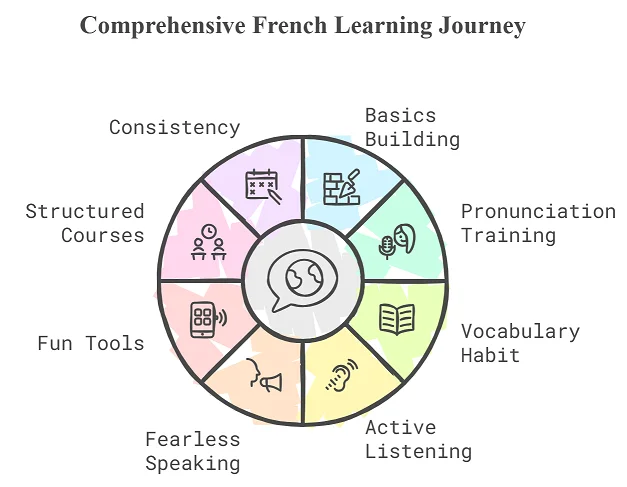
A single tutor's accent, rhythm, and vocabulary become a comfort zone within four to six weeks. Rotating between two tutors, one from France and one from Quebec or West Africa, forces your ear and your mouth to adapt to phonological variation that a single-accent relationship never produces. Parrot's short-form video feed supports this directly: because the Comprehensible Input Method sequences content from native speakers, learners build listening comprehension across natural speech patterns before they encounter accent variation in a live session. The tradeoff with dual-tutor scheduling is coordination overhead and slightly higher cost. Schedule each tutor on a fixed day so the rotation becomes a system rather than an ad-hoc experiment.
6. Meetup.com French Conversation Events - Finding Local Groups That Force You to Speak

Search "French language exchange" on Meetup in any mid-size city and you will find at least one monthly group. The accountability mechanism here is social: showing up to the same group repeatedly creates a mild public commitment to speaking, because the regulars notice when you spend the whole session listening. The limitation is consistency; many Meetup groups run monthly or bi-monthly, which is too infrequent to build a speaking habit on its own. Use it as a supplement to weekly tutor sessions, not a replacement.
7. Alliance Française Chapters - Structured Conversation Circles With Cultural Context
Alliance Française operates more than 1,000 chapters across 130 countries, making it one of the most accessible institutional options for structured French conversation outside France. Conversation circles at Alliance Française chapters are typically facilitated, meaning a moderator keeps the group in French and redirects English drift, which removes the social awkwardness of correcting a stranger yourself. The cultural programming (film nights, lectures) adds context that pure conversation practice lacks. The tradeoff: sessions are group-format, so your individual speaking time per session is limited.
8. Virtual French Conversation Groups on Discord and Facebook - Async Commitment Without Travel
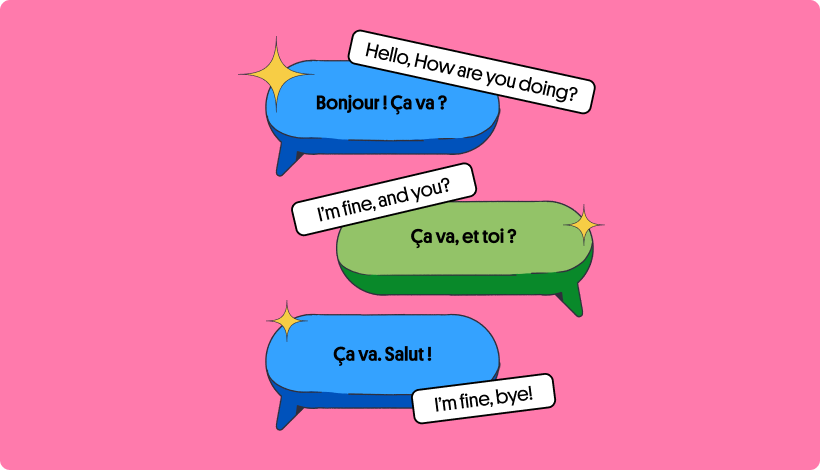
Several active Discord servers and Facebook groups run weekly voice-channel conversation hours in French, open to beginners. The async layer (text channels between sessions) lets you post questions and get corrections between live calls, extending the accountability window beyond the one-hour session. The real risk is the same as any free community: attendance is voluntary and ghosting is invisible. Commit publicly to a specific session time in the group chat before each week; that single sentence raises the cost of not showing up. Between sessions, using Parrot's short-form video feed keeps the input habit alive on a daily basis without requiring a partner to be available, so scrolling becomes productive rather than a detour from study.
9. Prepaying for a Block of French Tutor Sessions as a Commitment Device
Paying for a block of five or ten sessions upfront is one of the most reliable behavioral interventions available to a language learner. The financial stake converts an intention into a scheduled obligation. Industry analysis of exchange apps notes that without a financial stake, many exchange sessions stall entirely, which is the inverse argument for why prepayment works. Most iTalki and Preply tutors offer a small discount for block bookings, making this both a commitment device and a cost-saving mechanism.
10. Scheduling Fixed Weekly French Conversation Sessions Like Unmissable Appointments
The single most consistent predictor of spoken French progress is not the platform, the tutor's credentials, or the method. It is whether the session is on the calendar at a fixed time every week. Treat French conversation sessions the way you treat a medical appointment: reschedule rather than cancel, and never leave one session without confirming the next. Variable scheduling, where you book "when you have time," produces variable attendance, which produces variable output, which produces no fluency. Short daily sessions with Parrot's video feed, which is designed to be used in brief, consistent windows, reinforce the same habit of showing up on a fixed schedule rather than bingeing and disappearing.
11. Joining a French Conversation Group as a Public Commitment to Speaking Output
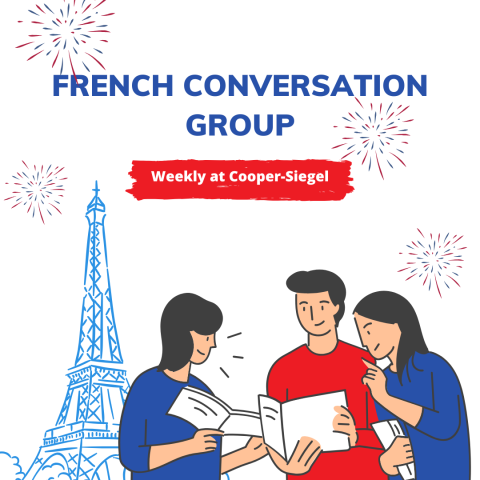
Telling a group of people, even a small online one, that you will attend their French conversation session next Thursday creates a social obligation that a private intention does not. Public commitment is the cheapest accountability mechanism available, and it costs nothing except the willingness to say the words out loud. The mechanism works best when the group has a recurring format and a facilitator who notices absences.
Introduce yourself in the group chat before your first session; that single act makes skipping the session feel like a visible failure rather than a private one. Most learners arrive at their first tutor session or conversation group having absorbed a lot of French input but never having produced it under real-time pressure. The gap between what they understood and what they can say aloud is wide enough to feel humiliating, and that feeling is what makes people quit before accountability has a chance to work.
Parrot is designed to close that gap before a live session begins: the Parrot Back speaking practice trains learners to repeat and reproduce what they hear in short native-speaker clips, so the first words out of their mouth in front of a tutor are not also the first words they have ever said aloud in French. The Comprehensible Input Method ensures that every clip they watch is sequenced to their current level, making it most effective for early-to-mid level learners who need reading support alongside audio to make video content comprehensible, so every minute of scrolling is productive rather than passive. Every platform and group in this section puts you in front of a real French speaker, but they all assume you have already built the reflex to produce spoken French on demand.
The next section shows how Parrot turns the passive watching you are already doing into exactly that reflex, before you ever book your first session.
Related Reading
Best French Audio Books
Rocket French Reviews
Best Apps To Learn French Vocabulary
Pimsleur French Review
Best Online French Tutors
Is Babbel Good For French
Is Duolingo Good For French
Best Podcasts For Learning French
French Tv Shows To Learn French
How Parrot Turns Passive French Watching Into Active Speaking Practice
Watching hours of native French video builds real comprehension, your ear calibrates to natural speed, you absorb vocabulary in context, and patterns of connected speech start to feel familiar. What it does not build is the muscle memory of producing those sounds yourself. Passive exposure and active output are different cognitive acts, and no amount of watching closes the gap between understanding French and speaking it without hesitation.
The core claim here is that the gap between understanding French and speaking it is not a motivation problem but an architectural one. Comprehension and production are neurologically distinct skills that no amount of passive watching trains simultaneously. Comprehensible input research, associated with Stephen Krashen's acquisition framework, confirms that listening to real speech builds the mental model of a language. What the same body of research also confirms is that comprehension and production are trained by different activities.
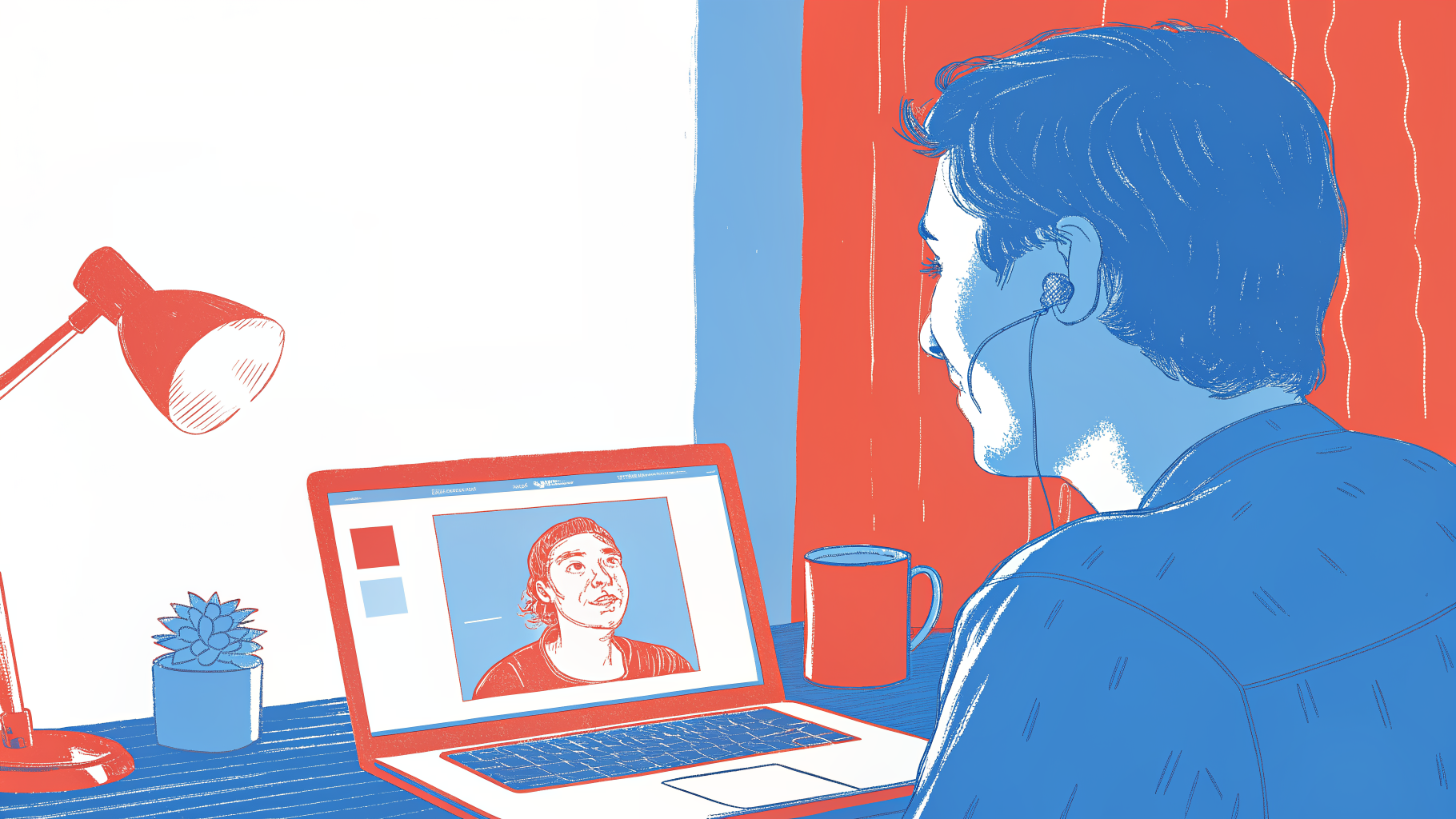
A learner can watch a Parisian market scene, follow every word, feel genuinely immersed, and still freeze the moment they try to produce that sentence themselves. The acquired material stays perceptual. It never becomes speakable without a spoken output loop closing in the same session.
Turn a French Viewing Session Into Speaking Practice
Parrot Back is the mechanism that closes that loop. After each short native-French clip, Parrot prompts you to say aloud exactly what you just heard, matching the rhythm and intonation of the original speaker. What most learning researchers consistently find is that reading or hearing material aloud produces significantly stronger retention than silent re-exposure, because articulation forces the brain to process language at a production level, not just a recognition level. The repetition happens inside the same session, not as a separate scheduled task that busy adults reliably skip.
How to Measure Your French Speaking Progress - Output Volume Over Passive Consumption
The metric that actually predicts conversation ability is spoken output volume, not hours consumed. Adults spend a significant portion of their daily screen time on short-form video apps, a pattern that holds broadly across the market. Most of that time produces zero spoken output. The honest question is: how many sentences did you say out loud today?
Next steps
If your spoken French collapses the moment a native speaker responds at natural speed, the path forward starts with recognizing that the gap is architectural, not motivational. Comprehension and production are neurologically distinct skills, and no amount of passive listening closes the distance between understanding French and saying it without hesitation. Start with our learn Spanish.
The research on comprehensible input is clear that content must land inside a narrow acquisitional window to drive real learning, and passive background exposure, even at the right level, produces noise rather than acquisition. Shadowing native audio is the specific mechanism that converts declarative knowledge into the automatized processing that real conversation demands. These two findings point to the same next step: active input followed immediately by spoken output, inside the same session, every day.
For a deeper look at how this loop works across related languages, see the full approach at parrotapp.com.
Frequently Asked Questions
How many French words do I actually need to know before I can hold a basic conversation?
A core of 200-500 high-frequency words is the realistic threshold for beginner French conversation, not the thousands most learners assume. According to Calude and Pagel's 2011 research in Philosophical Transactions of the Royal Society B, a tiny proportion of words appears with overwhelming frequency in everyday speech, meaning your first 500 words carry disproportionate conversational weight. The key is that those words must come from a frequency-ranked list, not a textbook's arbitrary chapter order.
Does the 80/20 rule actually apply to learning French vocabulary?
Yes, the top 20% of high-frequency French words cover the vast majority of everyday conversation, and this reflects how word-frequency distributions actually work, not motivational rhetoric. Calude and Pagel's cross-language research confirms that word use follows a sharply skewed distribution where a small set of high-frequency words dominates real speech across all languages studied. In practice, the top-frequency words you learn in your first weeks of study will reappear in nearly every conversation you ever have.
Why does my French freeze up the moment a native speaker replies, even though I've completed a lot of lessons?
The freeze is a structural problem with the method, not a personal or motivation failure. Structured study builds declarative knowledge, the kind where you consciously recall a rule or phrase, but spoken fluency demands implicit, automatized processing where your brain produces French without stopping to think. When a native speaker responds at full speed, your brain reaches for the explicit rulebook it was trained on, and the conversation is already three sentences ahead.
Why doesn't memorizing French phrases and scripts prepare me for real conversations?
Scripted practice trains your brain to expect a predictable sequence, prompt, pause, your line, so when a native speaker speeds up, skips your cue, or replies with something off-script, that expectation collapses. The European Journal of Education and Pedagogy's 2023 systematic review of Communicative Language Teaching documents a clear gap between grammar competence and communicative performance: rule-based knowledge does not transfer automatically to spontaneous, unpredictable spoken interaction. Scripted phrase practice makes this pattern-mismatch problem worse with every session.
Which French grammar tense should a beginner focus on first?
Present-tense conjugations are the highest-return grammar investment for a French beginner. The present tense covers current action, near-future intent with a time marker like "demain," and habitual behavior, which means it handles the majority of what a beginner actually needs to say. Starting here before tackling past or subjunctive tenses is not cutting corners, it applies the same frequency logic that governs smart vocabulary selection.