“Why would we compete with a 4B giant?”
“How did Duolingo make hundreds of millions and still get no one fluent?”
“Another language app? Isn’t there thousands of those?”
Those were my exact questions when my co-founder Erik Dahl told me he wanted to build another language app.
At first, I wasn’t convinced. But after working with Erik on a few startups, I knew one thing about him: if he’s obsessed with an idea, it’s probably worth exploring.
Then Julia Hudea joined. We met in a university entrepreneurship class at The University of British Columbia. We’d both worked on things that could’ve worked but didn’t matter to us. This one did.
Before writing any code
Before writing any code, we:
- Downloaded 52 language learning apps and used every single one for a few hours.
- Interviewed 65 language learners across Reddit, Discord, and our circles.
- Found the comprehensible input method, the most research-backed approach to learning a language (listen first, speak later).
From skepticism to conviction
We built a simple MVP, just a video player with captions, and took it to students. 60% paid for early access. That moment flipped my skepticism into conviction.
Fast forward, Parrot is now growing super fast, joined Y Combinator’s Fall 2025 batch, and some learners are spending 1+ hours on the app.
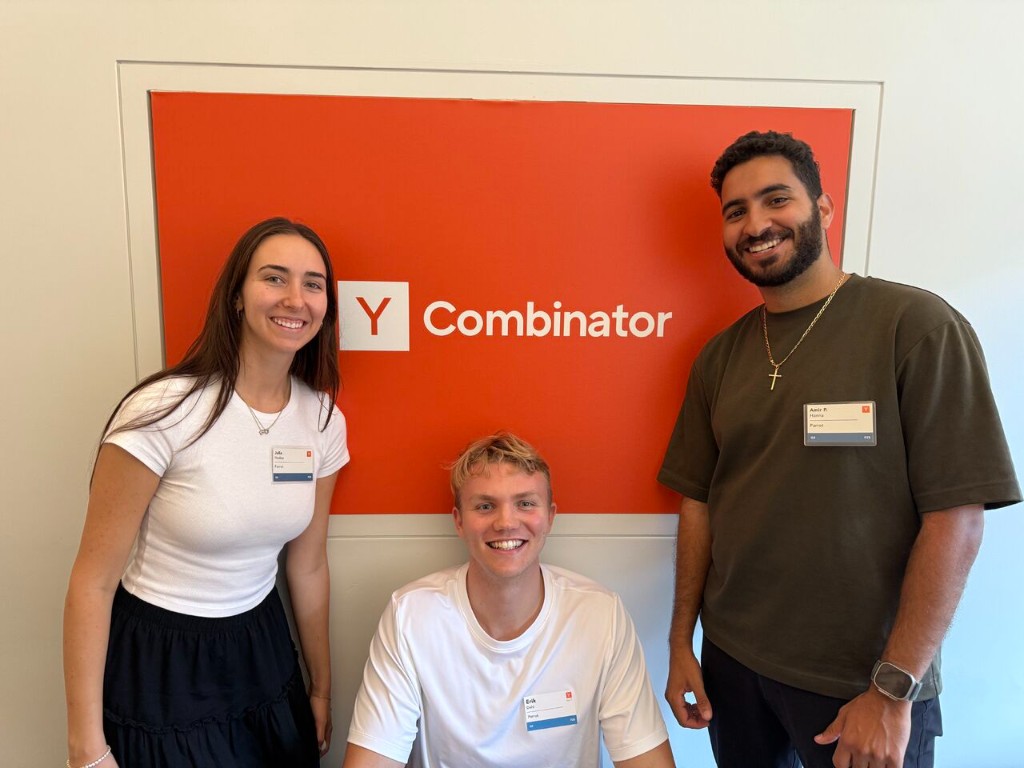
What started as doubt turned into a mission: to connect people by breaking down language barriers. To make learning a language feel as natural and addictive as scrolling TikTok.
This post first appeared on LinkedIn.